 Acne.org Products
Prescription Acne Treatments: The Complete Knowledge Hub (0% AI – 100% human research and writing)
From topical retinoids to oral isotretinoin (Accutane), these treatments can be highly effective, but they also come with important considerations and potential side effects.
This hub covers the major categories of prescription acne treatments, including retinoids, antibiotics, hormonal treatments, and isotretinoin, along with their benefits, risks, and what to expect.
The information is as science-based and thorough as possible. If you find anything inaccurate or that needs updating, please don’t hesitate to reach out.
Prescription Overview
What do doctors actually prescribe for acne? Here’s an overview of the most common prescription treatments.
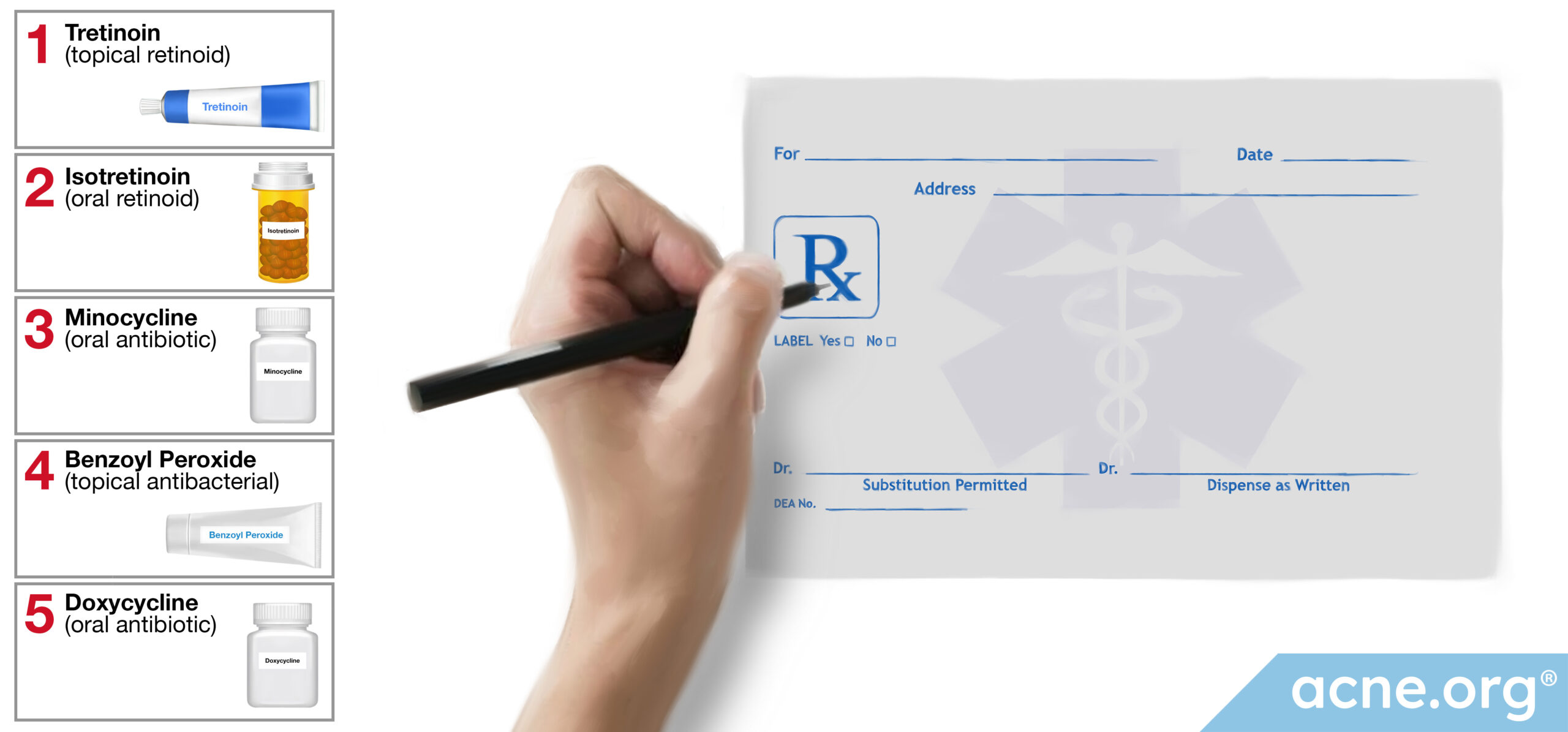
Which Prescriptions Do Doctors Prescribe Most Often for Acne?
The top choices. Retinoids, isotretinoin, and antibiotics top the list of what dermatologists prescribe for acne.
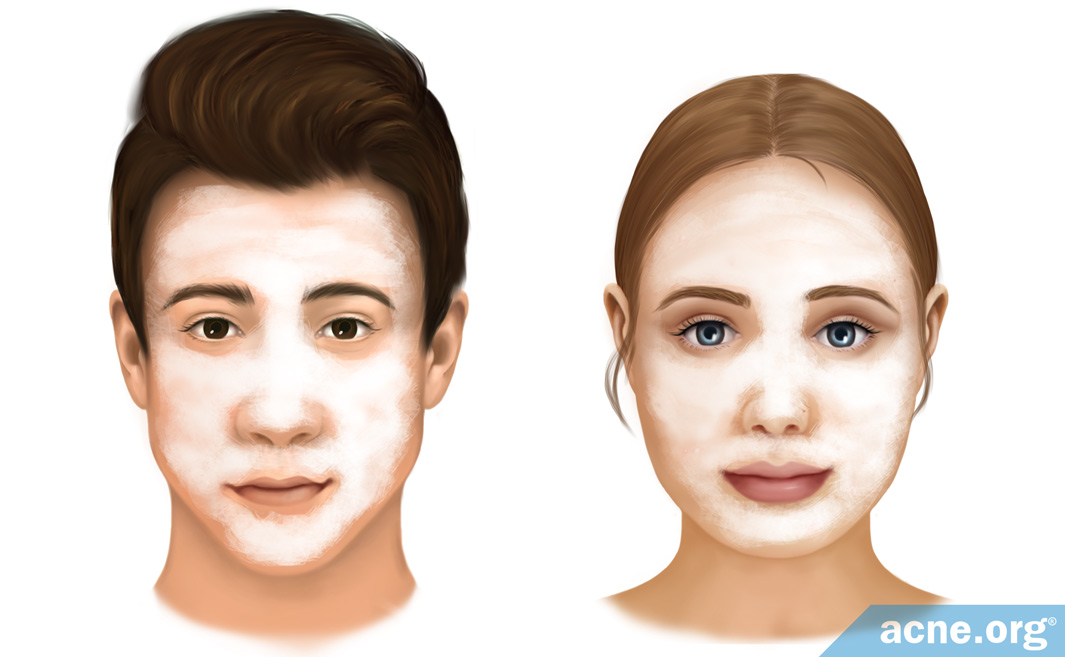
Treating Acne in Male vs. Female Skin
The biggest difference is that females can elect to use oral contraceptives and/or oral anti-androgens.

How to Find a Good Dermatologist for Acne
Search for a board-certified dermatologist with an interest in acne, look around for reviews, and trust your gut.
Topical Retinoids
Topical retinoids are vitamin A derivatives that help unclog pores and promote skin cell turnover. They’re a cornerstone of prescription acne treatment.
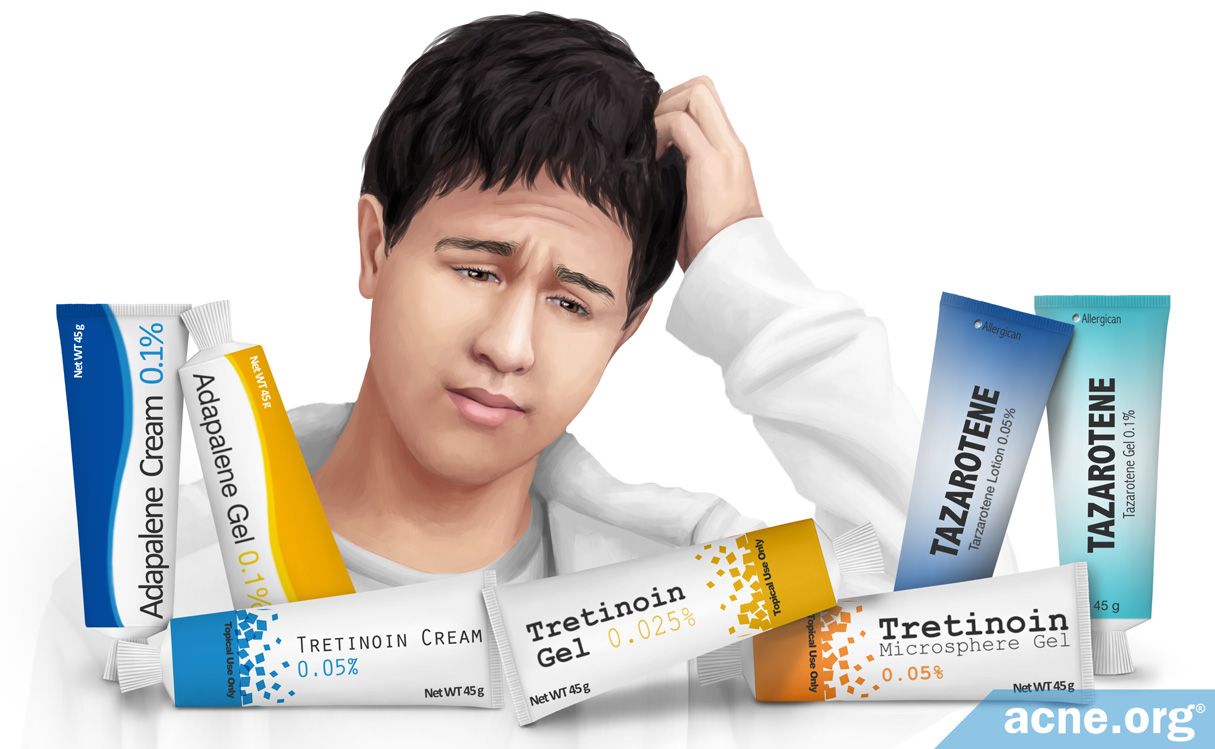
What Are Retinoids, and Why Are They Used to Treat Acne?
The basics. Retinoids are vitamin A derivatives applied topically that can help reduce acne by promoting skin renewal.
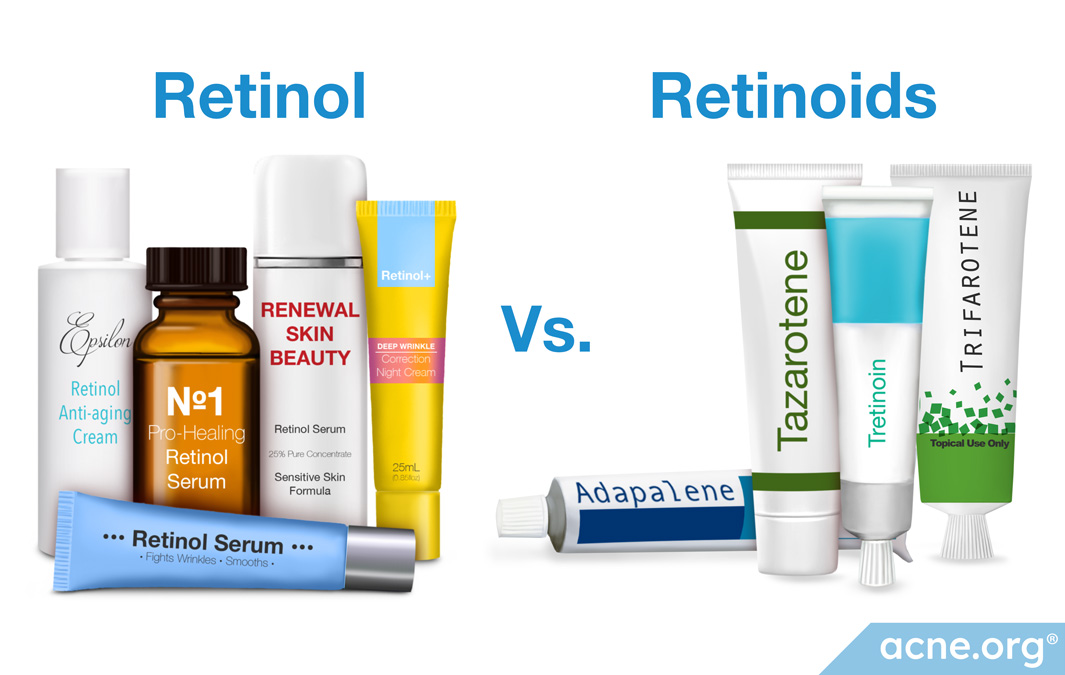
What's the Difference Between Retinol and Retinoids?
Retinol is over-the-counter and weaker; retinoids are prescription, stronger, and come with more side effects.
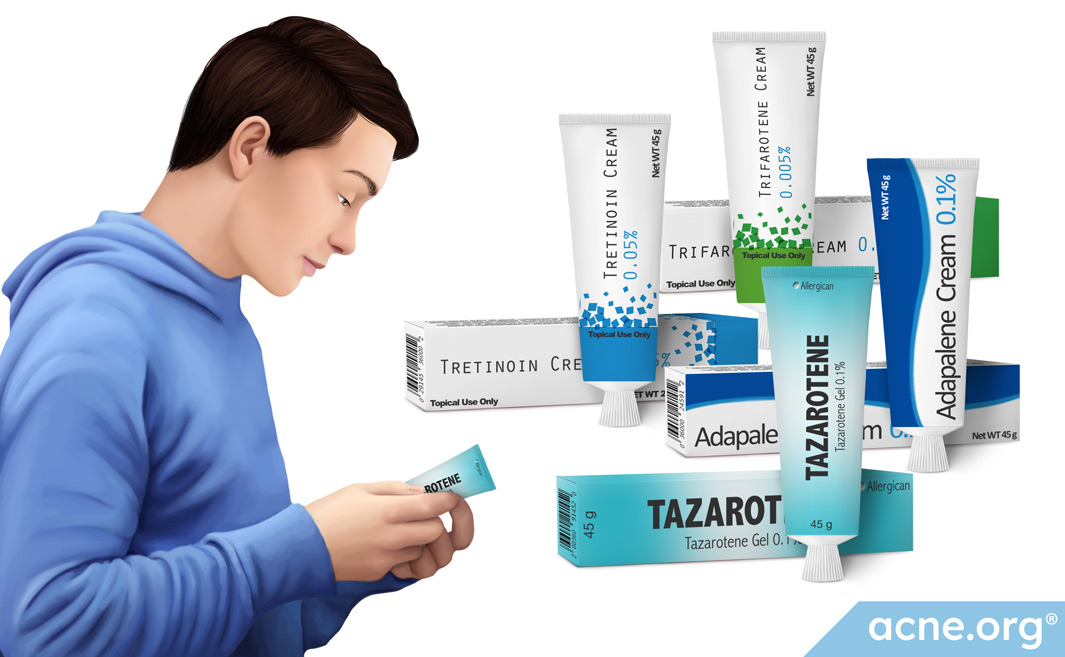
What Topical Retinoid Formulation Is Most Effective for the Treatment of Acne?
Tazarotene may produce slightly better results, but adapalene may be best when side effects are considered.
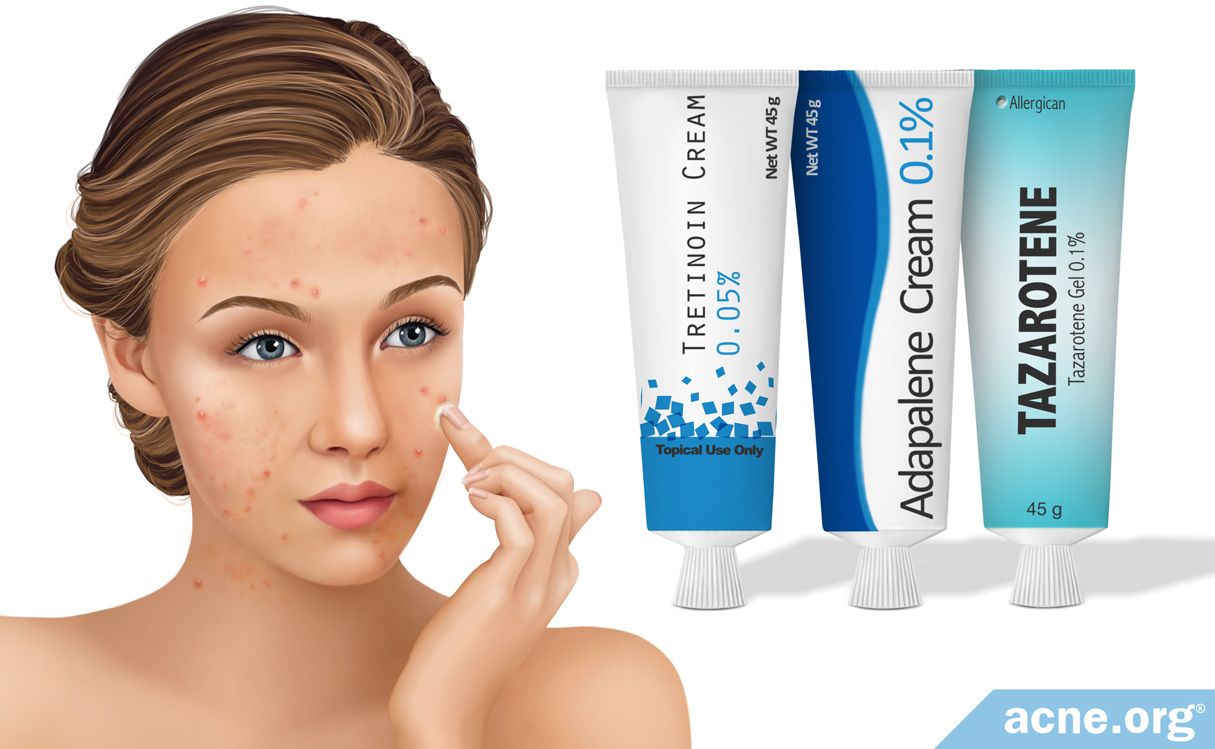
Will the Skin Really Worsen Before It Improves on the Retinoids Tretinoin, Adapalene, or Tazarotene?
Good news. Turns out that this is not the case for most people. “Purging” is less common than believed.
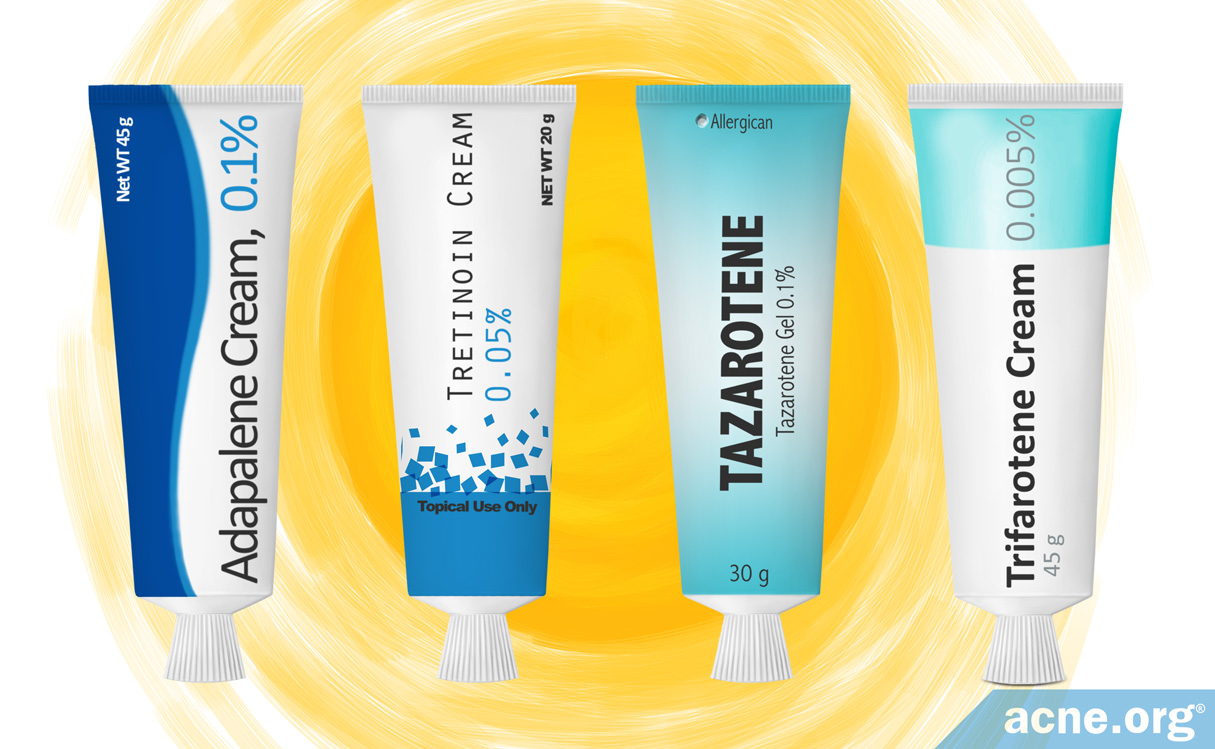
Do Topical Retinoids Increase Sensitivity to the Sun?
Be cautious. Retinoids can irritate the skin, especially in the first few weeks, which might make sunburns worse.
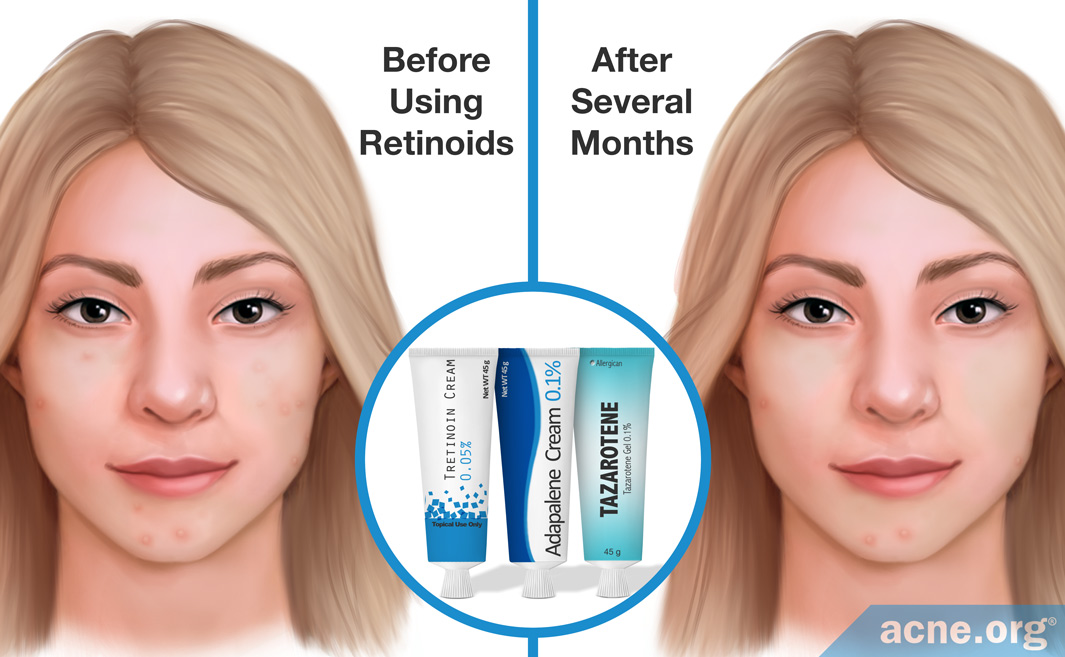
If You Use Retinoids, Will You Get Younger-looking Skin as You Treat Your Acne?
A bonus benefit. Yes, topical retinoids reduce the appearance of skin aging by promoting renewal and collagen production.
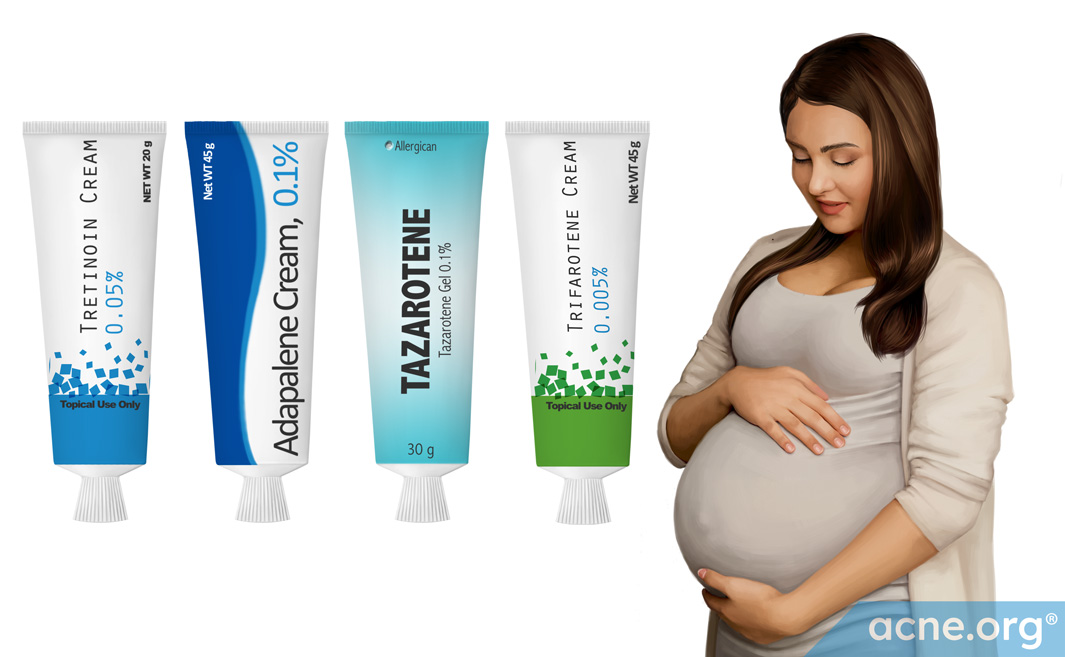
Is It Safe to Use Topical Retinoid Medications (Tretinoin, Adapalene, Tazarotene, Trifarotene) When Pregnant?
Consult your doctor. Speak to your physician before using any topical retinoid medication if you are pregnant or trying to conceive.
Isotretinoin (Accutane)
Isotretinoin (commonly known by the brand name Accutane) is a powerful oral medication reserved for severe acne. It can be highly effective but comes with significant side effects and risks.
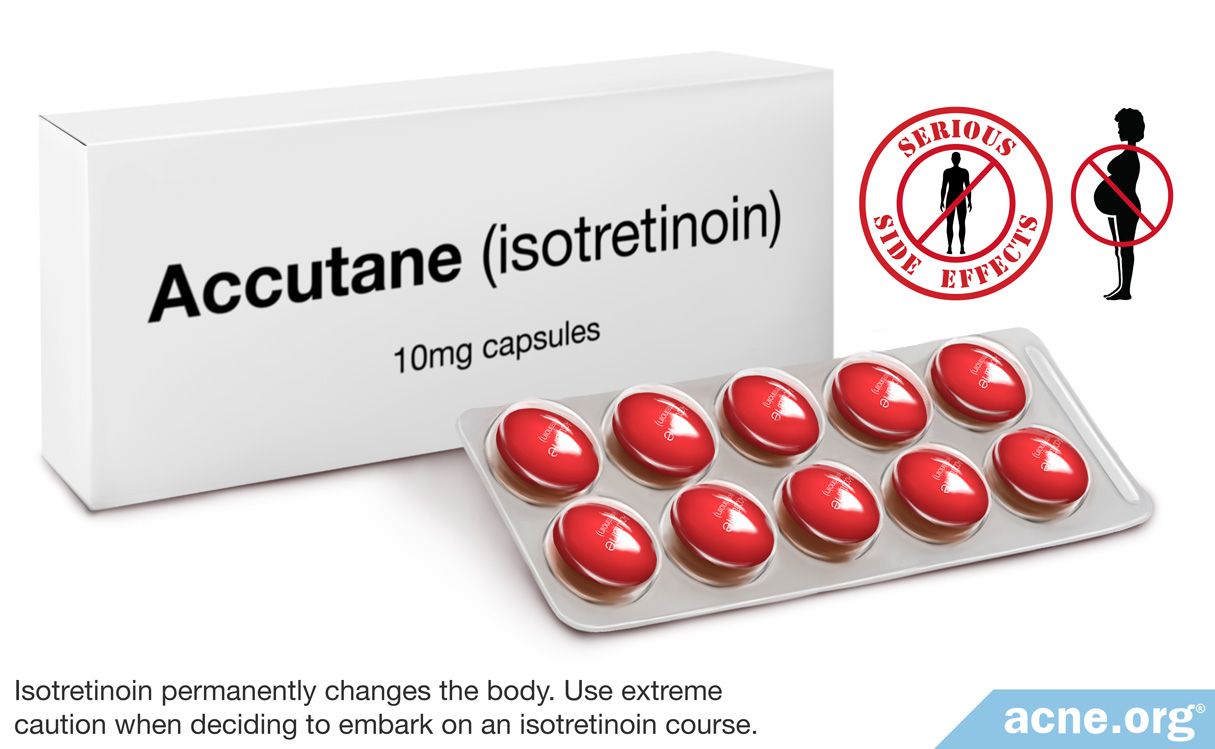
Accutane (Isotretinoin)
Everything you need to know. A comprehensive guide to isotretinoin, including how it works, who it’s for, and what to expect.
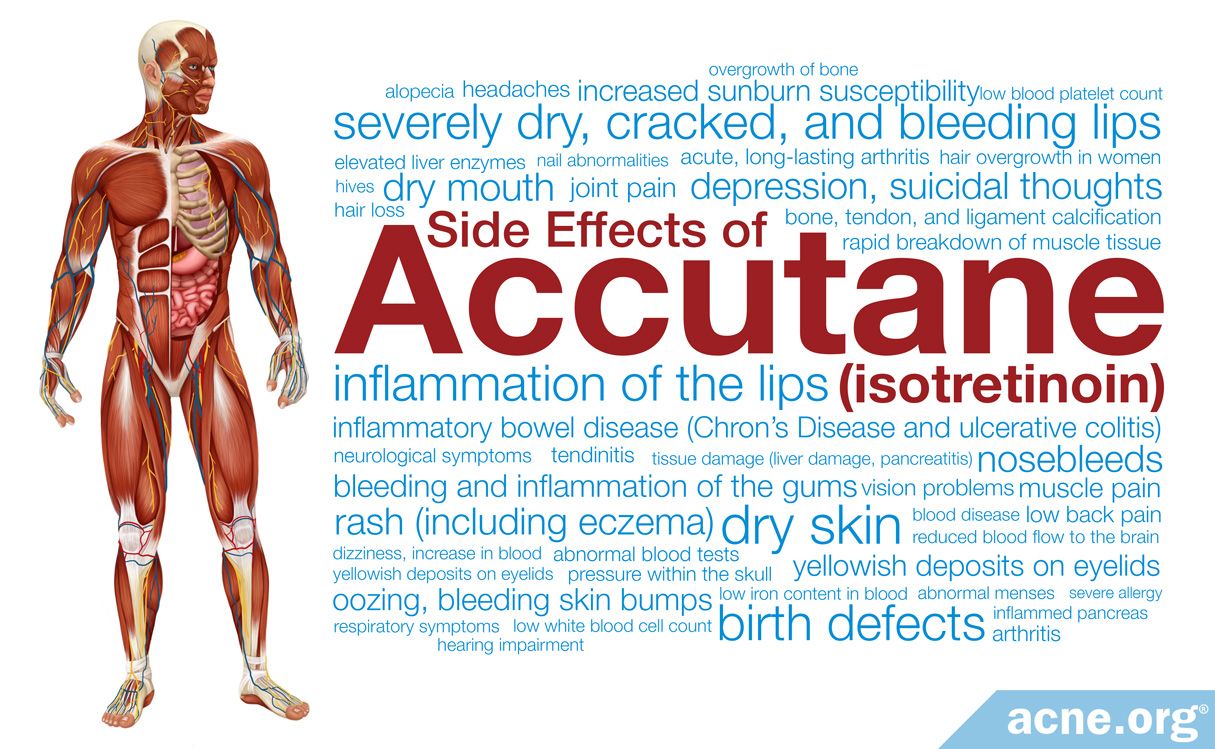
What are the side effects of Accutane (isotretinoin)?
Know the risks. Isotretinoin is a systemic medication that affects all parts of the body and comes with many potential side effects.
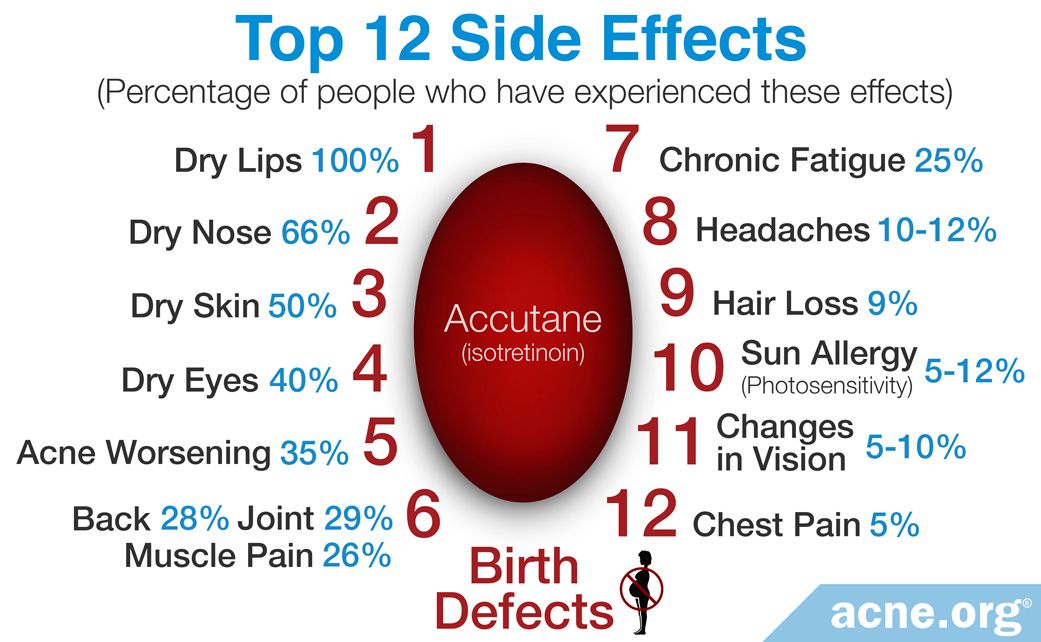
The Top 12 Most Common Side Effects of Isotretinoin (Accutane)
The specific list. Dry lips, dry nose, dry skin, dry eyes, acne worsening, joint pain, fatigue, headaches, hair loss, and more.
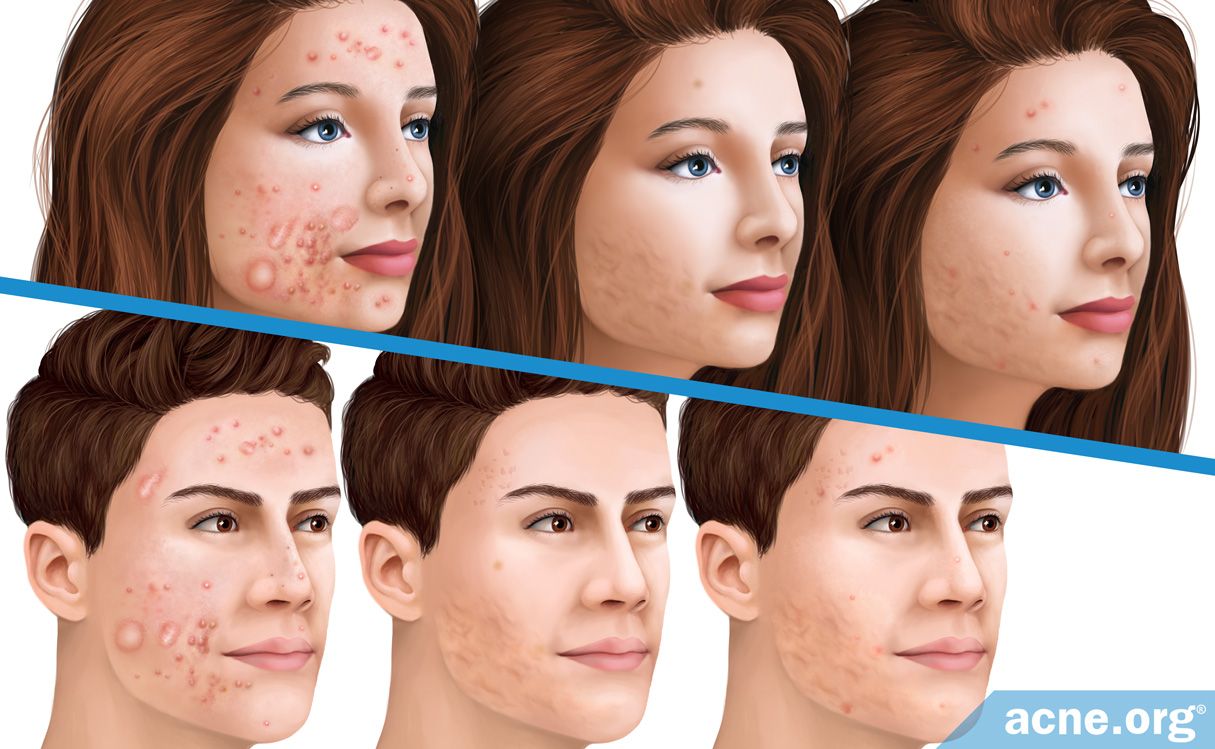
What Is the Actual Relapse Rate of Accutane (isotretinoin)?
It’s not always permanent. Isotretinoin does not always achieve a long-term result, and 14.6–52% of patients relapse.
Is Isotretinoin (Accutane) Overprescribed?
A careful consideration. Yes, a strong argument can be made that isotretinoin is overprescribed. The decision to take it should be made only after careful consideration.
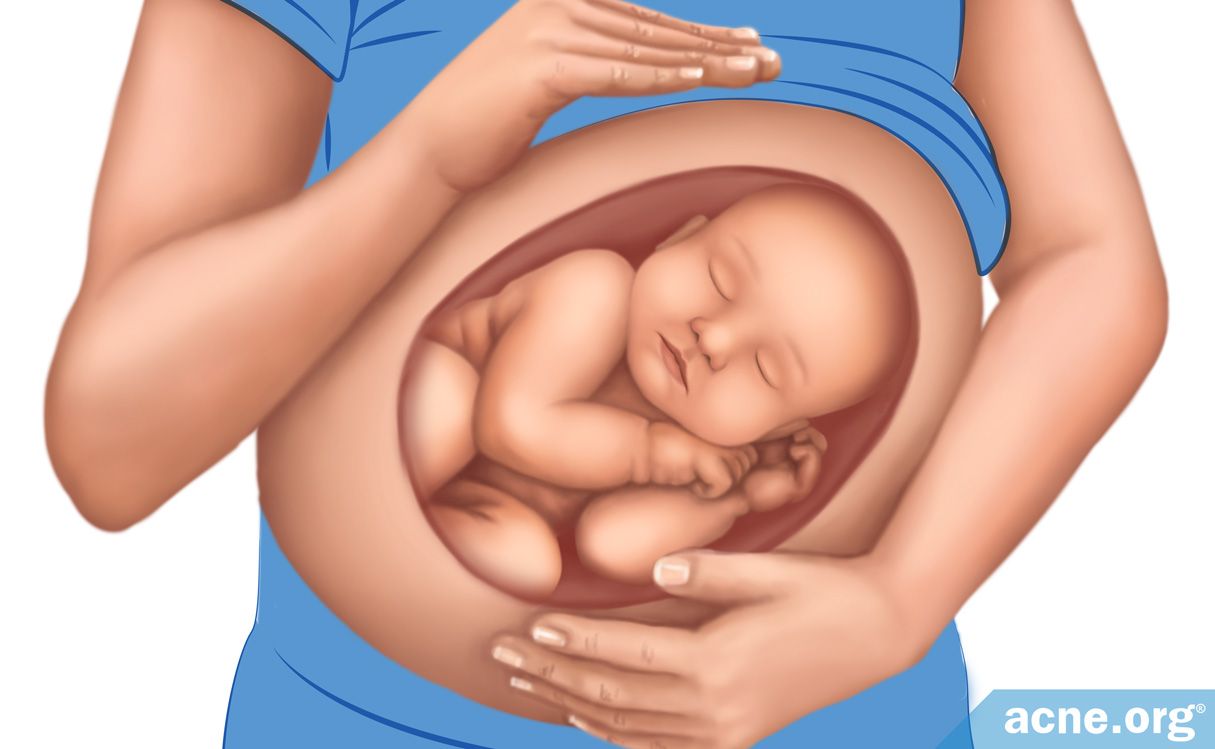
Accutane (isotretinoin) in Pregnancy
Extremely dangerous! Isotretinoin causes severe birth defects and miscarriage. It must never be taken during pregnancy.
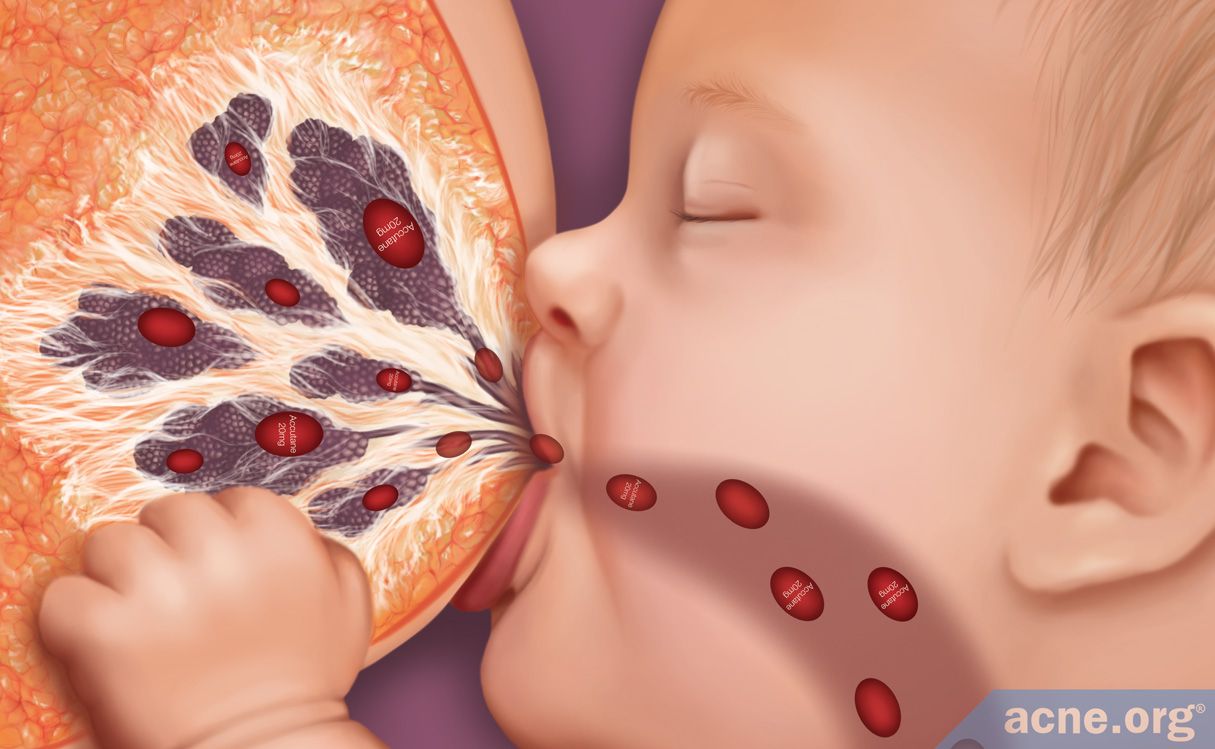
How Dangerous Is Accutane (Isotretinoin) During Breastfeeding?
Not safe. Isotretinoin is not safe for breastfeeding infants and should be avoided.
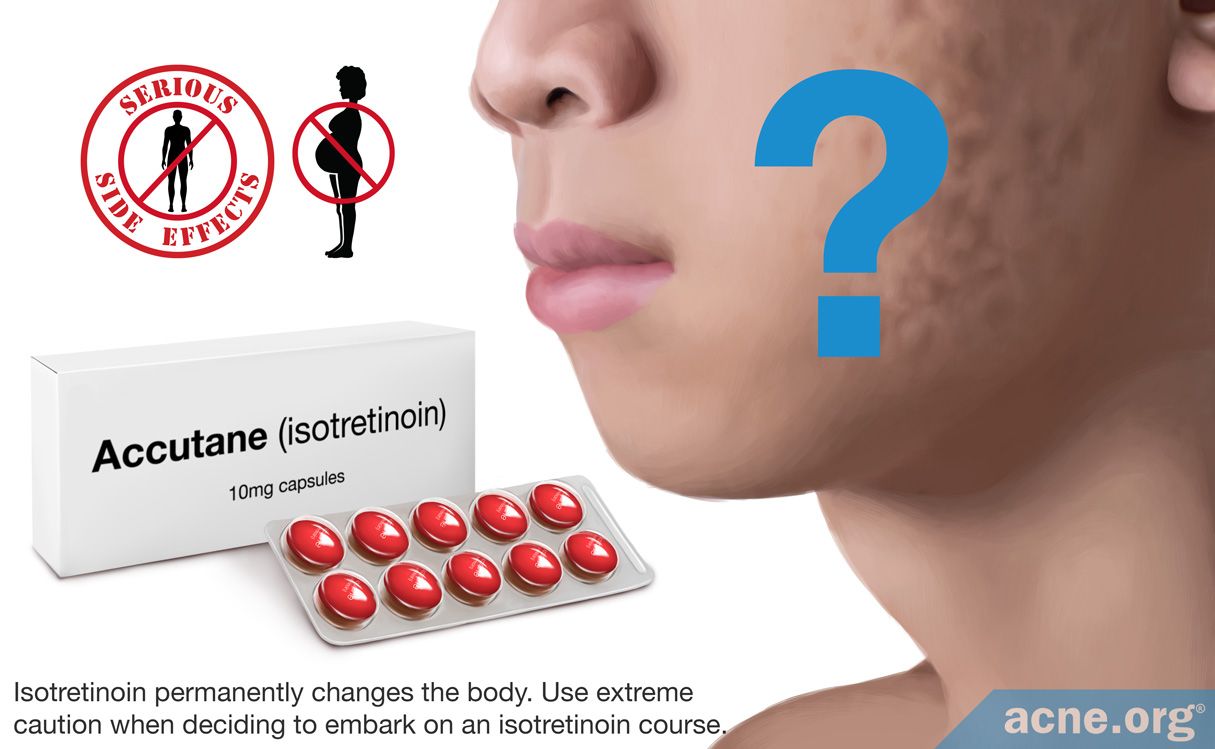
Does Isotretinoin Help with Acne Scars?
Unclear. No one knows whether isotretinoin can treat existing scars, but it may help reduce formation of new scars in people with severe acne.
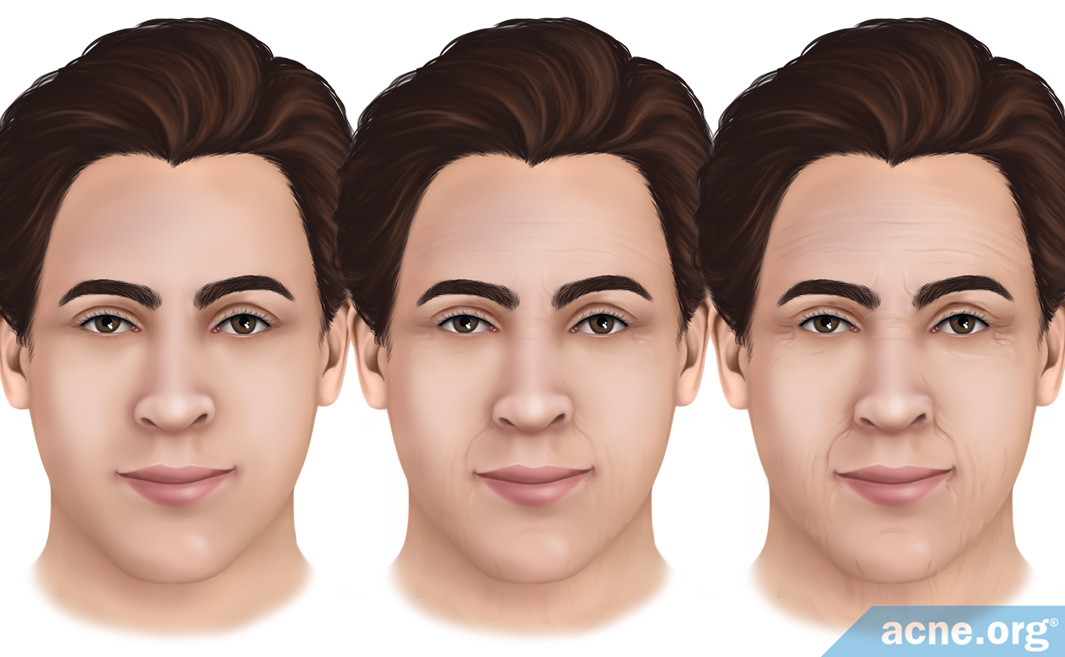
Does Taking Oral Isotretinoin Cause the Skin to Age Faster in the Long Term?
Unknown. Because of a lack of long follow-up studies, this remains unknown.
Antibiotics
Antibiotics have been used for acne for decades, but concerns about effectiveness and antibiotic resistance have made them a less favored option.
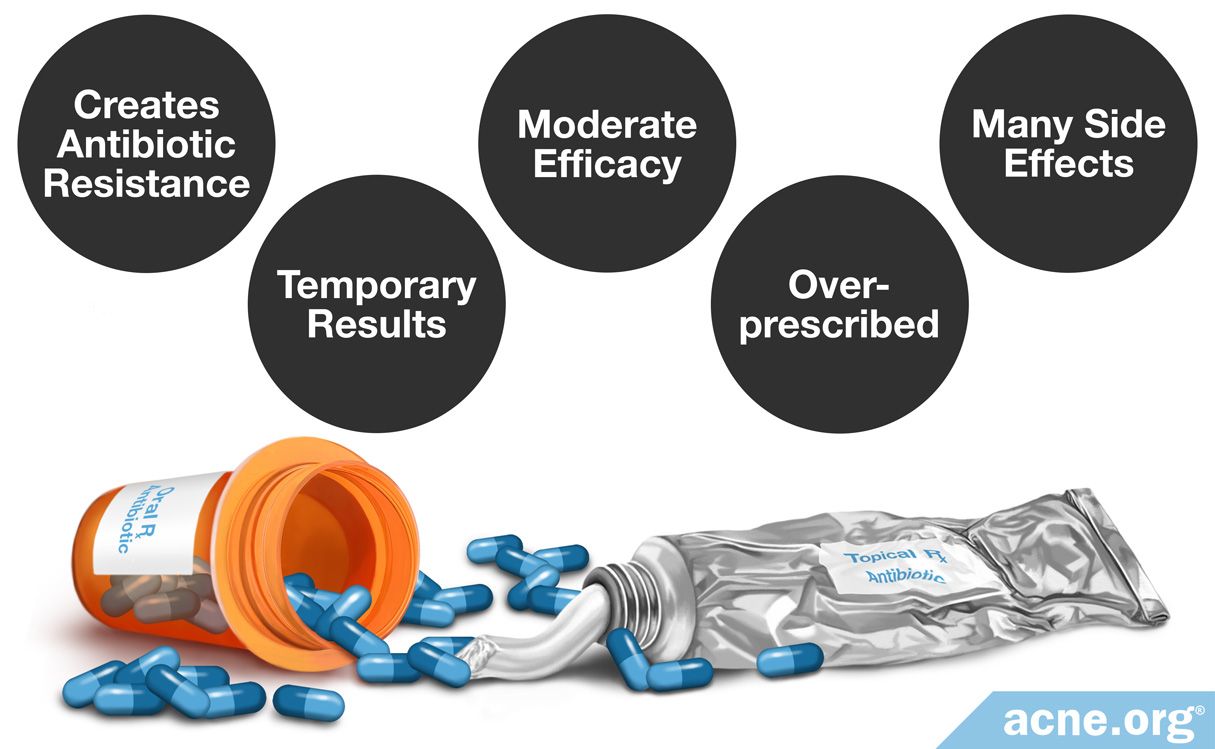
Are Antibiotics a Good Idea for the Treatment of Acne?
Proceed with caution. Because they provide limited effectiveness and come with many side effects, they should be met with caution.
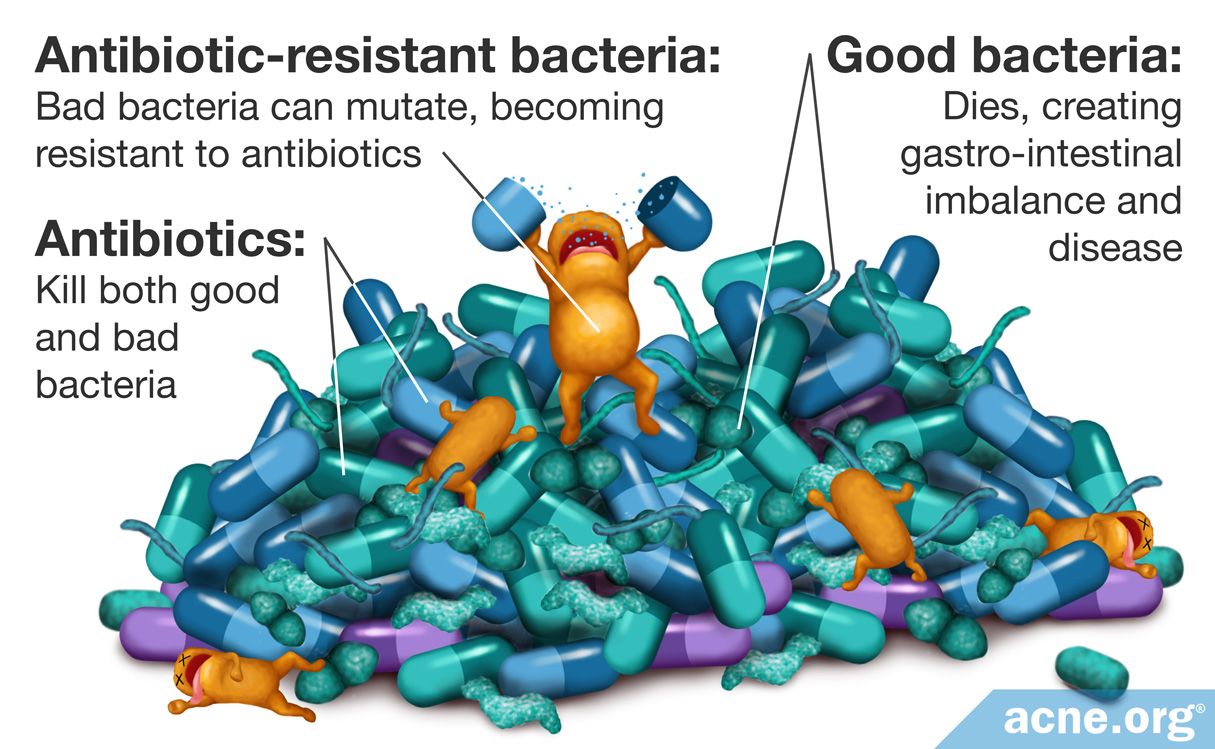
The Dangers and Ineffectiveness of Antibiotics for Acne
Information on this outdated and, at best, temporary acne treatment.
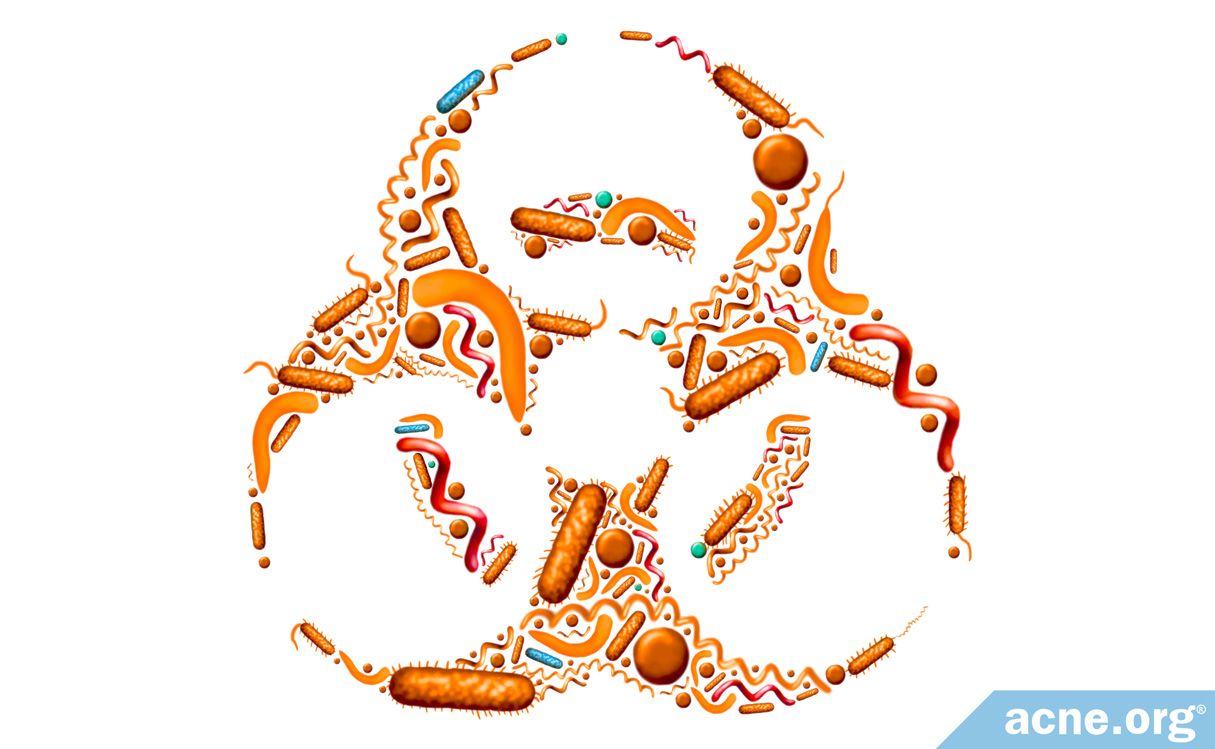
Antibiotic Resistance in Acne Treatment
A growing problem. Antibiotic treatment for acne is worsening the worldwide problem of antibiotic resistance.
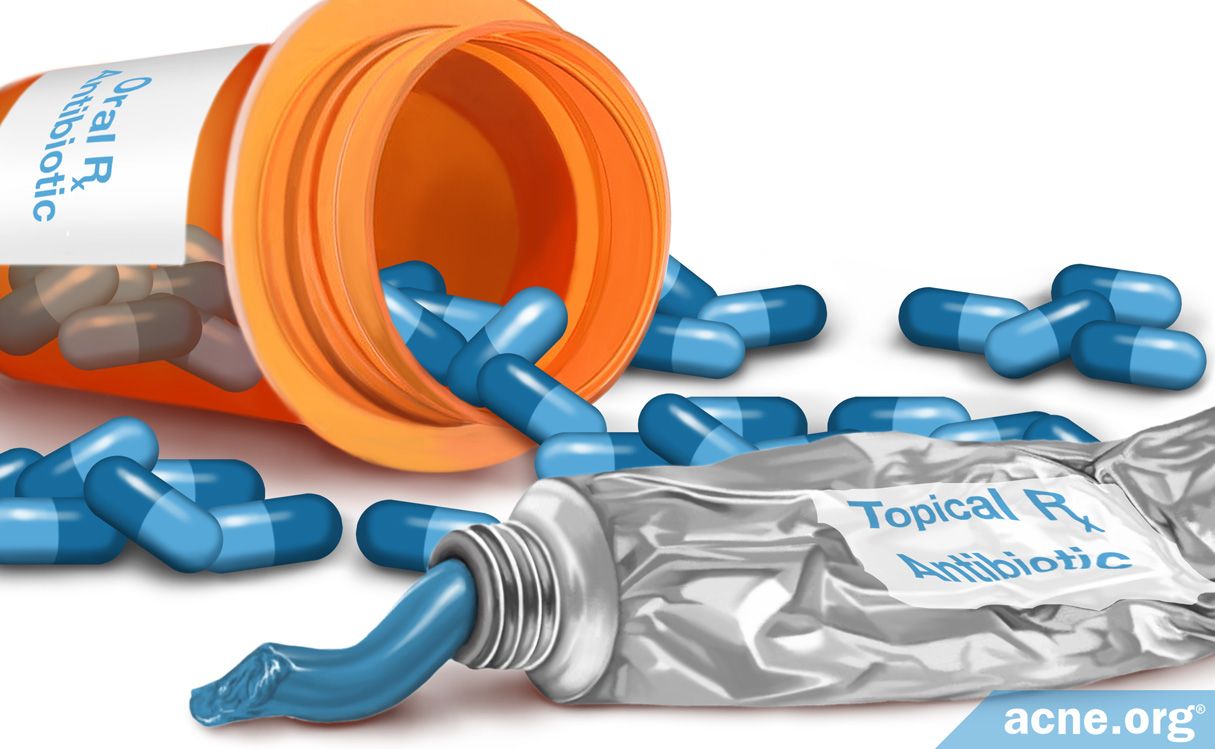
The Side Effects of Antibiotics
Know what to expect. Different antibiotics come with different side effects.
Hormonal Treatments
Hormonal treatments can be effective for females with acne, particularly when breakouts are tied to menstrual cycles or hormonal imbalances.
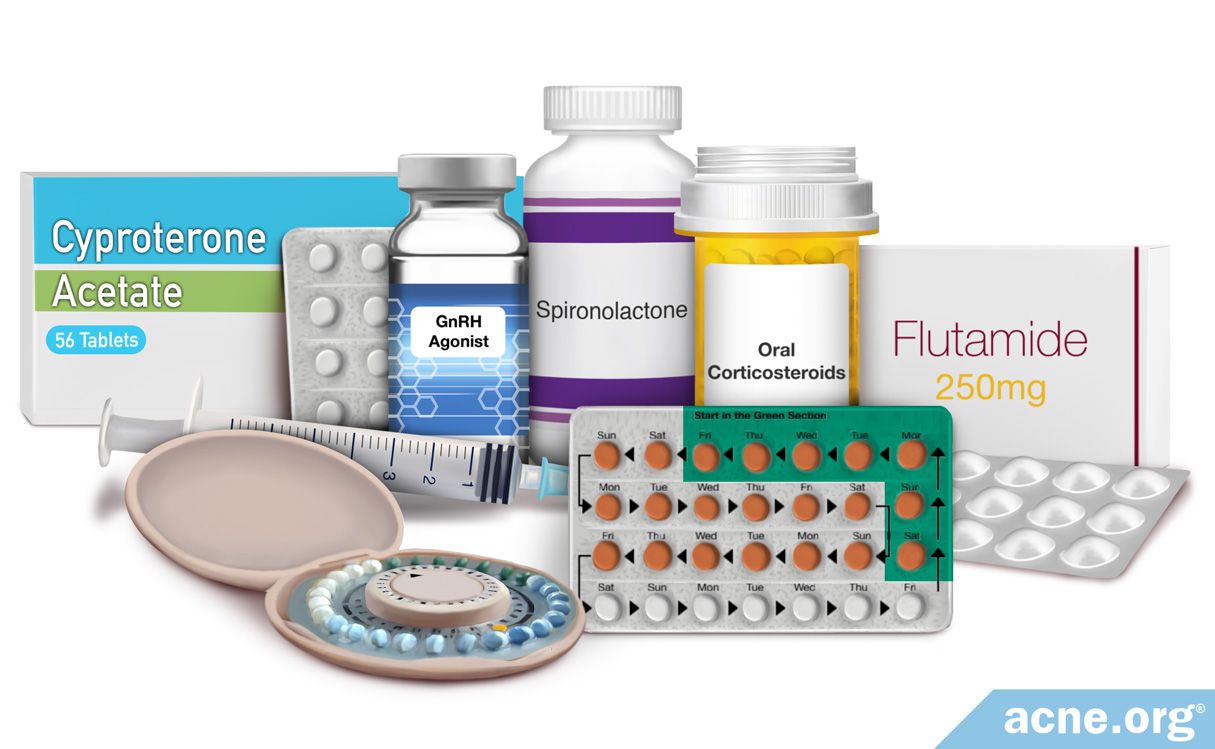
Hormonal Treatment for Acne
An option for females. Hormonal treatment can help females, but there are limitations regarding women who are pregnant or breastfeeding.
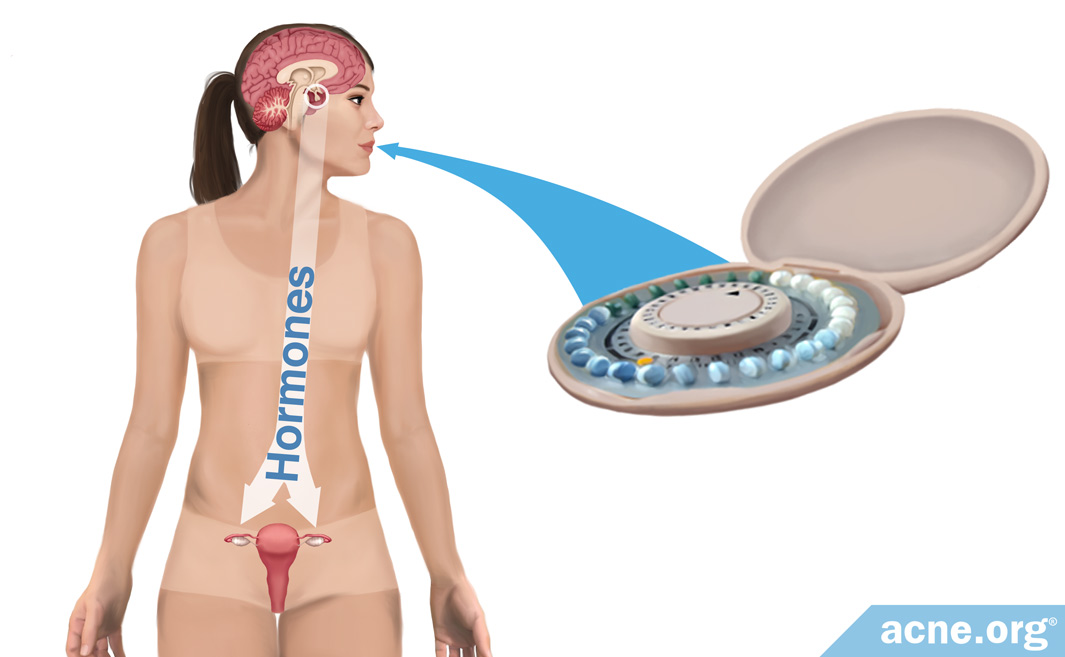
Do Birth Control Pills Clear Acne?
Yes, but with caveats. Birth control pills usually clear the skin to a significant degree, but they carry risks.
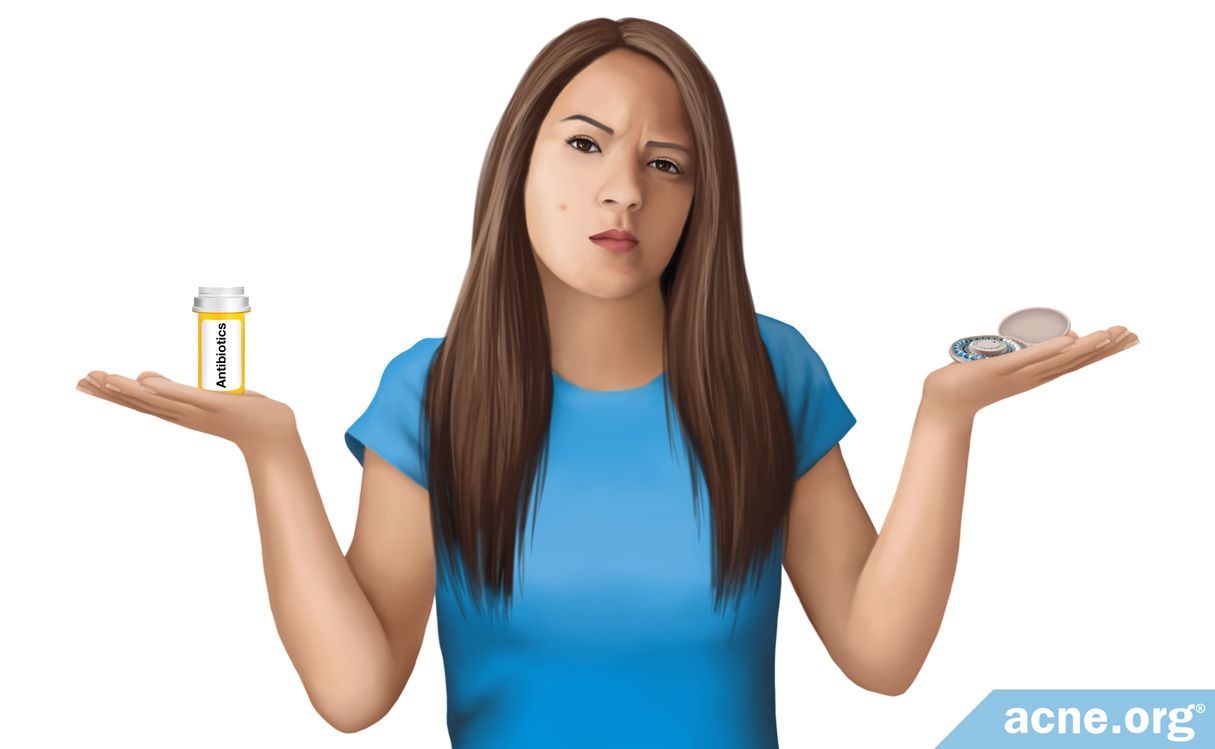
Can I Take Oral Antibiotics While I Use the Birth Control Pill?
Usually yes. Most doctors are OK with prescribing them together as long as you use a second method of birth control.
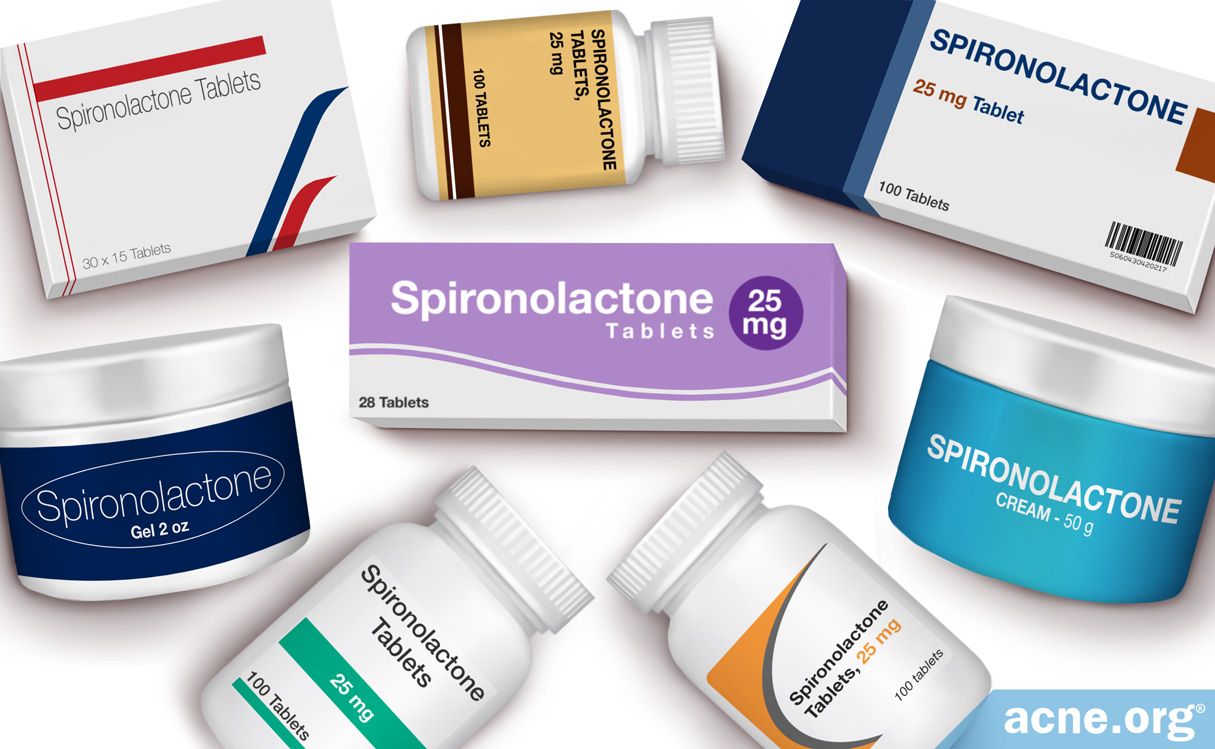
Spironolactone in Acne Treatment
An anti-androgen option. Spironolactone is an anti-androgen medication that may be somewhat effective for females.
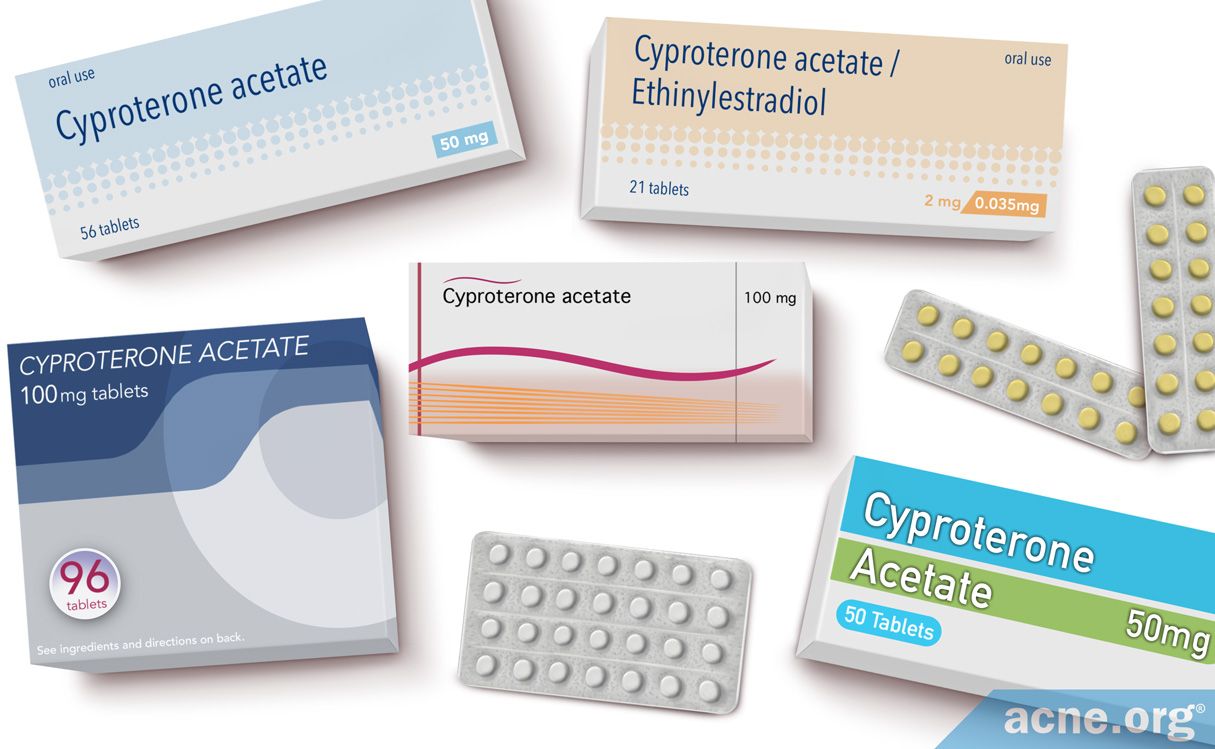
Cyproterone Acetate in Acne Treatment
Another anti-androgen. Cyproterone acetate is normally found as part of a birth control pill and may be somewhat effective against acne.
Other Prescription Options
Beyond the main categories, there are other prescription treatments available for specific situations.
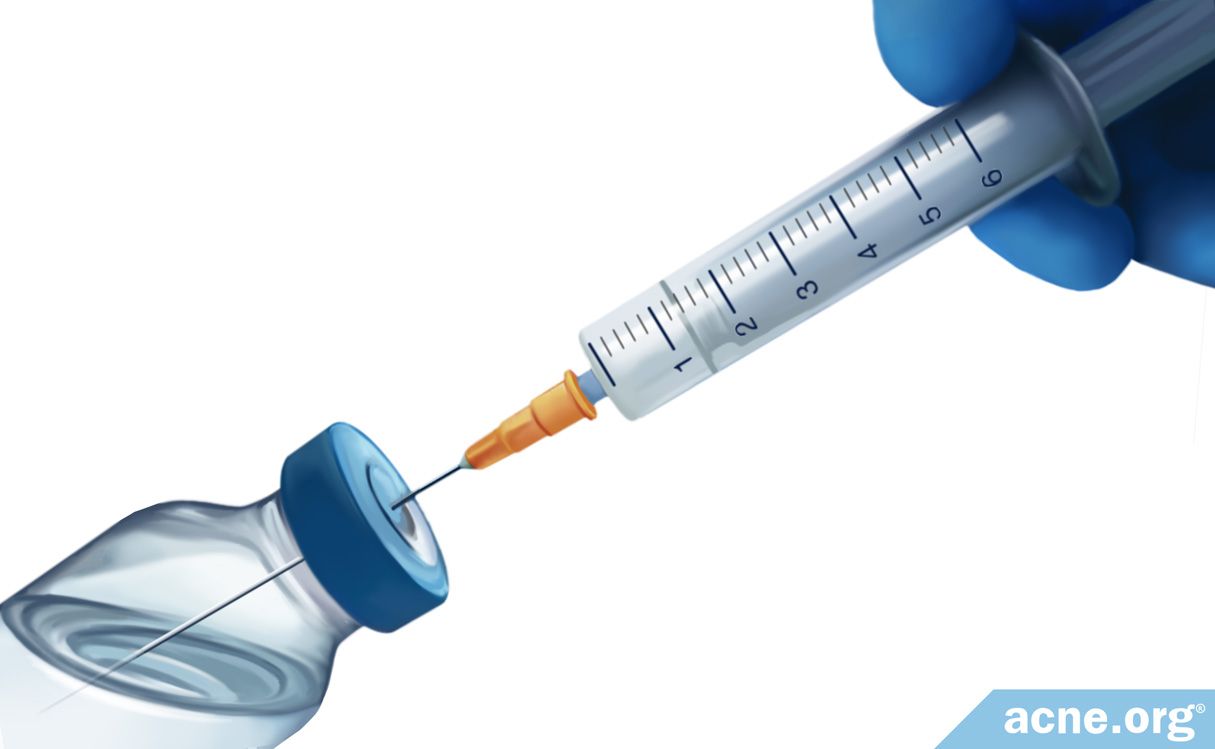
Cortisone Shots for Acne
For severe lesions. These doctor-administered injections quickly and dramatically reduce inflammation, speed healing, and reduce scarring in severe acne lesions.
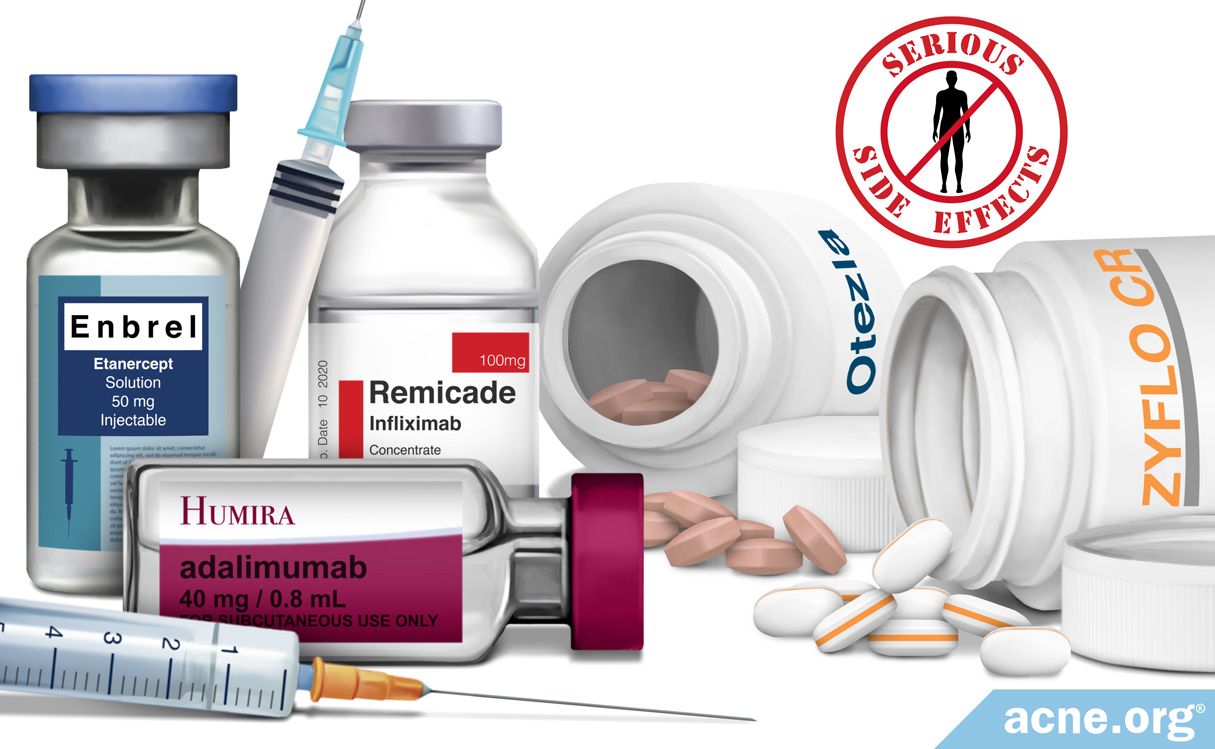
Are Drugs for Auto-immune Diseases Effective Against Acne?
Reserved for severe cases. Preliminary studies say yes, but using these drugs is risky, so they are reserved for very severe cases of acne.
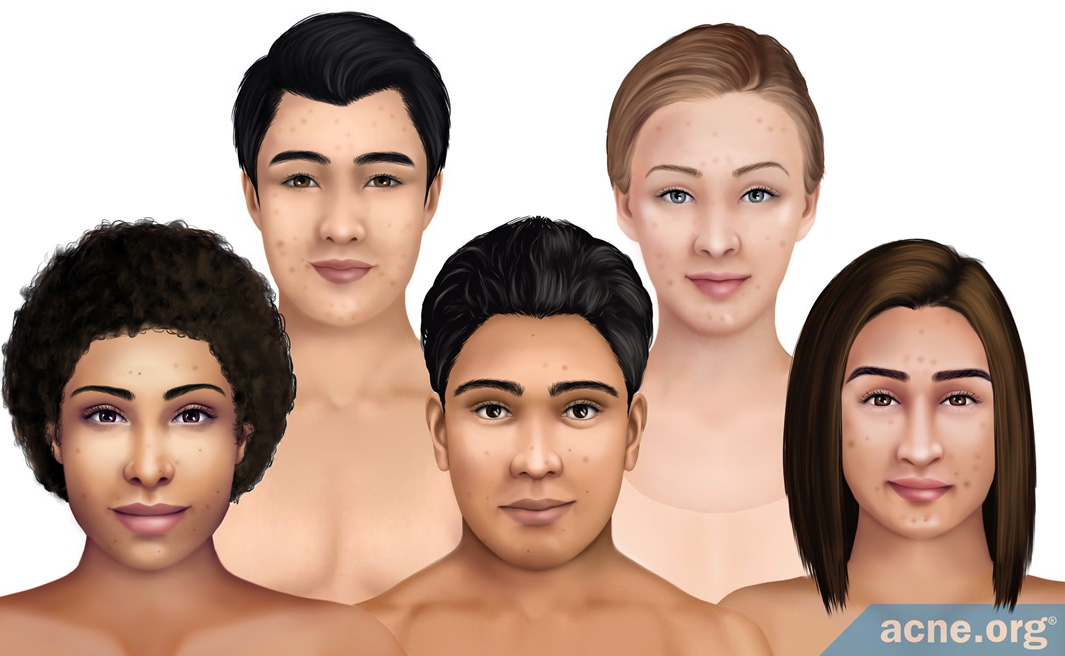
Handling Hyperpigmentation
Red/dark spots left behind from acne (post-inflammatory hyperpigmentation) and how to treat them.
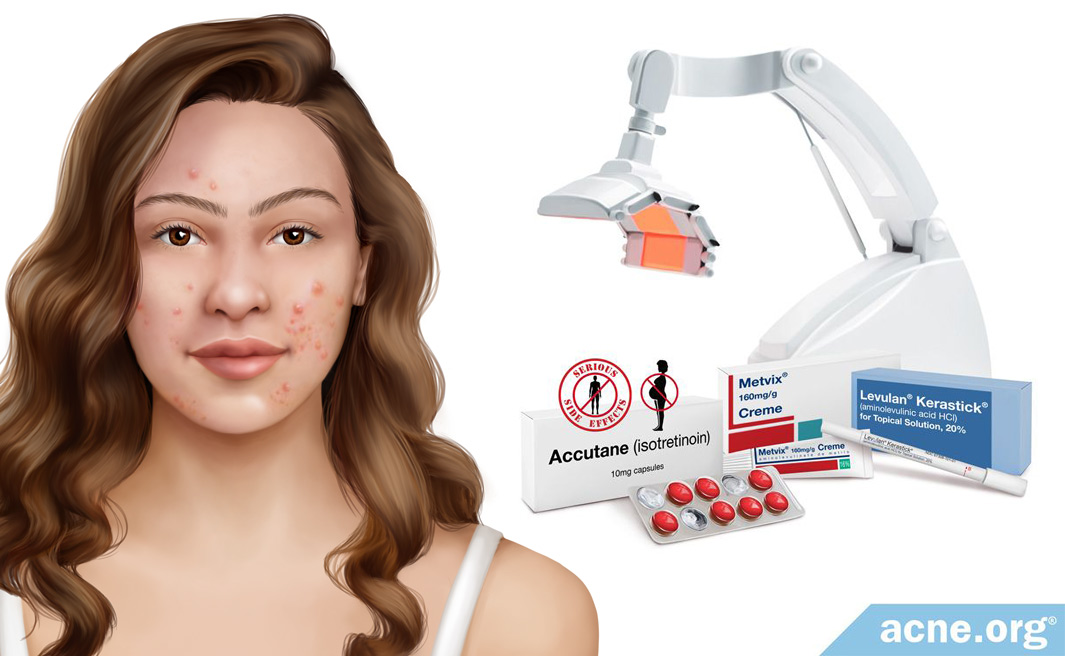
Can Acne Medications or Treatments Age the Skin?
We still do not know if acne medications and treatments that permanently decrease skin oil production might accelerate aging.
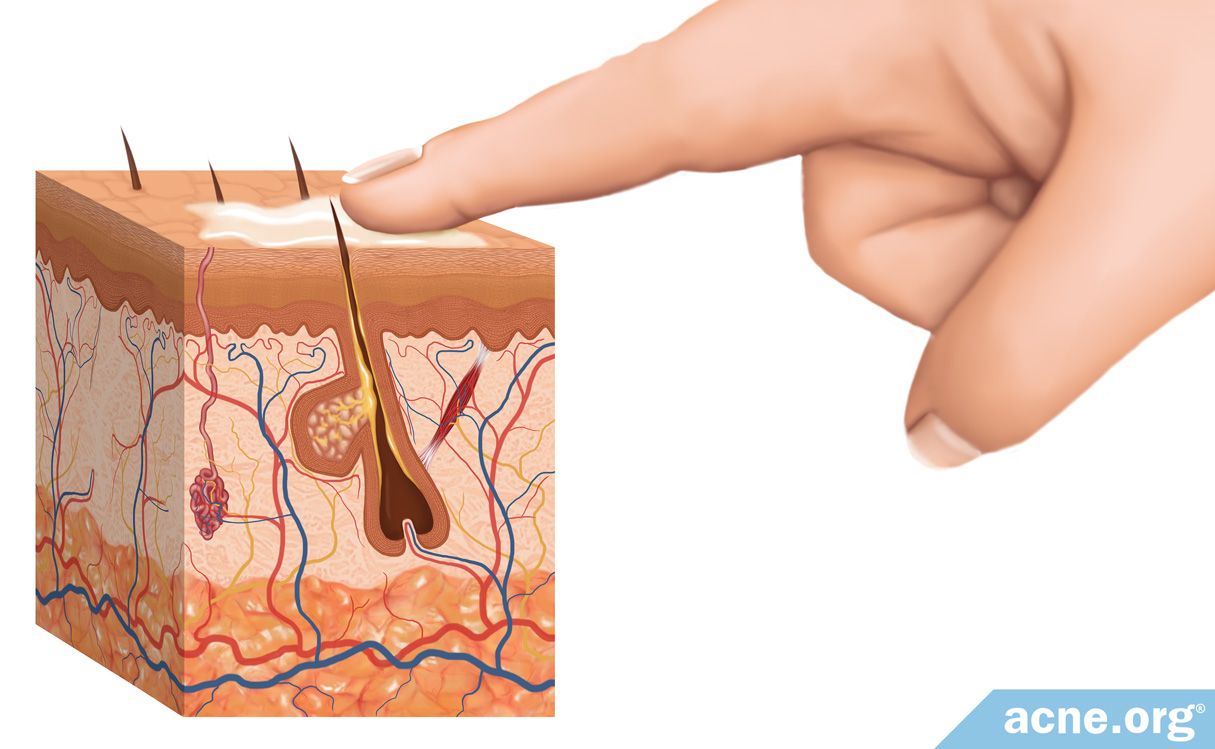
How Acne Treatments Absorb Into the Skin
Topical treatments can penetrate into the skin in several ways. Understanding absorption can help you get the most from your treatment.
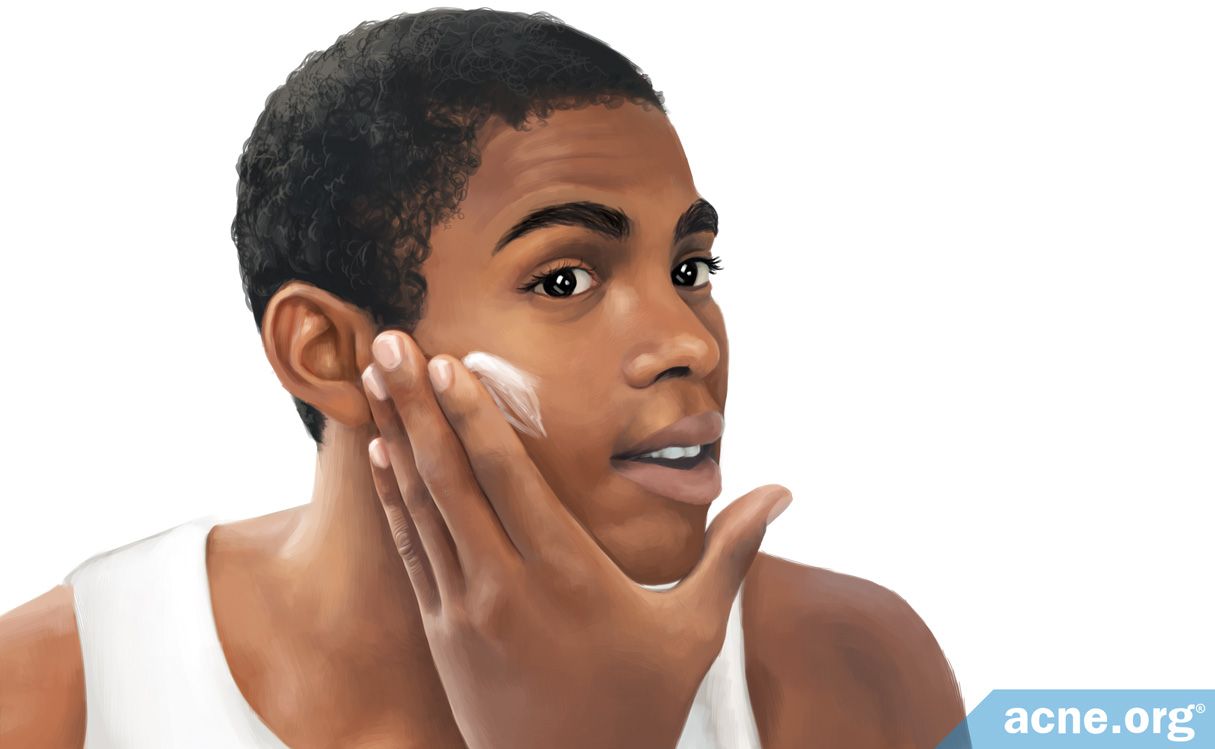
Does Rubbing or Massaging the Skin Improve Absorption of Topical Medications?
Probably, though exactly how it helps is unclear. Be sure to stay gentle.
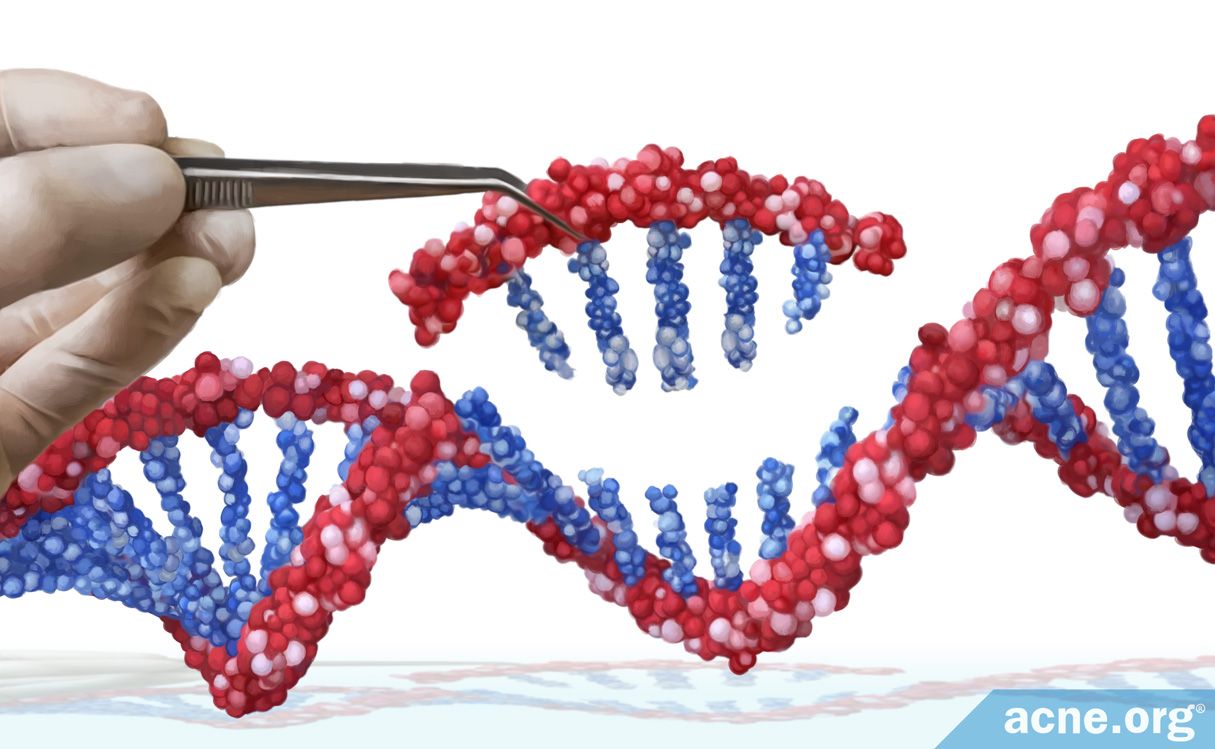
Genetic Treatments for Acne
Not yet available. Genetic treatments for acne may be a real possibility in the future, but none exist today and none are currently in development.
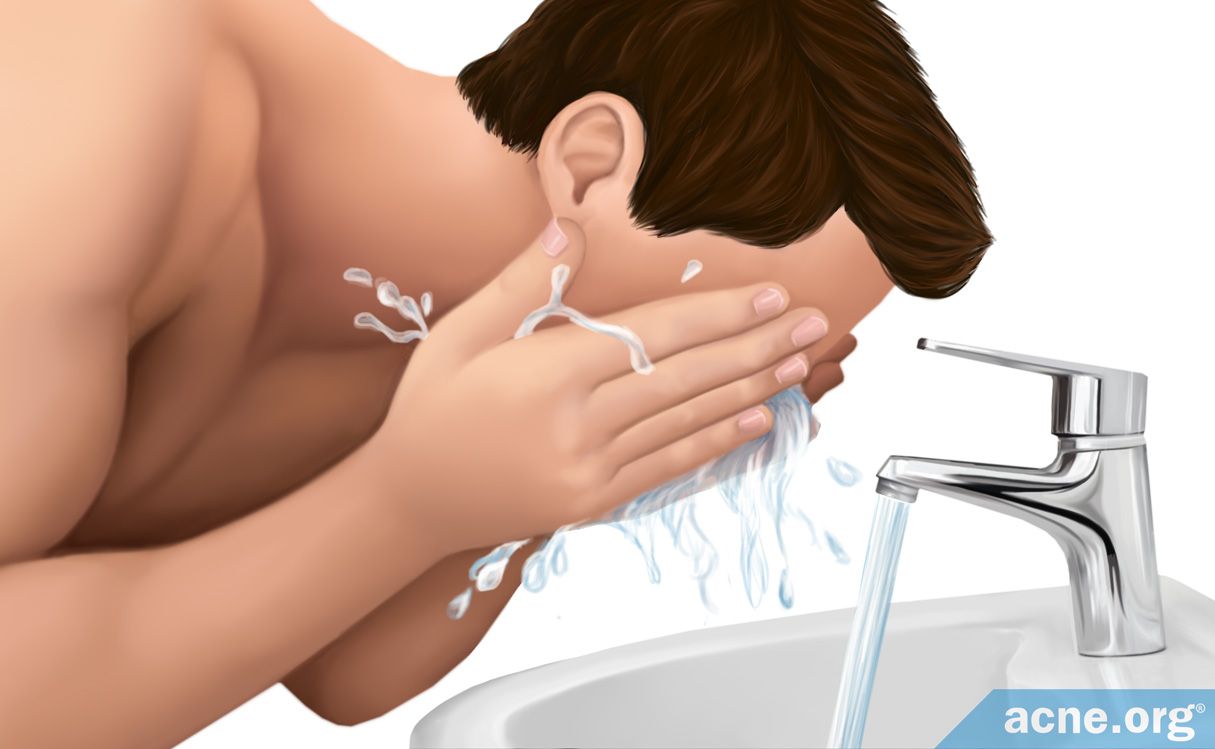
How to Wash Your Face the Right Way
Follow these important steps for washing your face correctly to avoid irritating acne-prone skin.
Medications That Cause Acne
Some medications can actually trigger or worsen acne. Knowing which ones can help you identify the source of your breakouts.
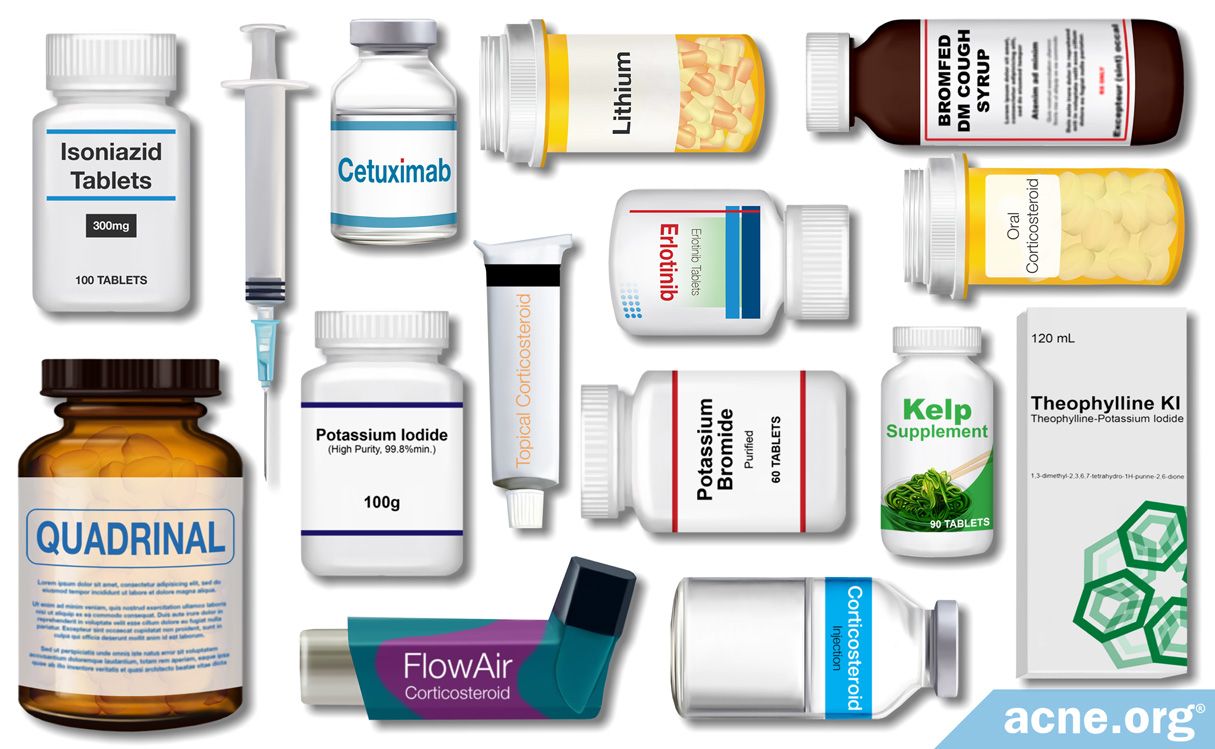
What Medications Can Cause Acne?
Know the culprits. Common medications that cause acne include corticosteroids, anabolic-androgenic steroids, lithium, isoniazid, halogens, and EGFR inhibitors.