 Acne.org Products
Stress & Lifestyle: The Complete Knowledge Hub (0% AI – 100% human research and writing)
Your daily habits, from how you wash your face to how much sleep you get, can affect your skin. Stress, in particular, may play a significant role in acne development.
This hub covers everything from stress management and sleep to sun exposure, exercise, and common lifestyle questions about acne.
The information is as science-based and thorough as possible. If you find anything inaccurate or that needs updating, please don’t hesitate to reach out.
Stress and Acne
Stress is one of the most commonly reported acne triggers, and the science backs this up. When the body is under stress, it produces hormones like cortisol that can stimulate sebaceous glands and increase inflammation — two of the core drivers of acne. Women in particular appear to be disproportionately affected, both because they experience more stress on average and because their skin may be more reactive to stress hormones.
Managing stress won’t clear acne on its own, but it may reduce flares and is beneficial for overall health.
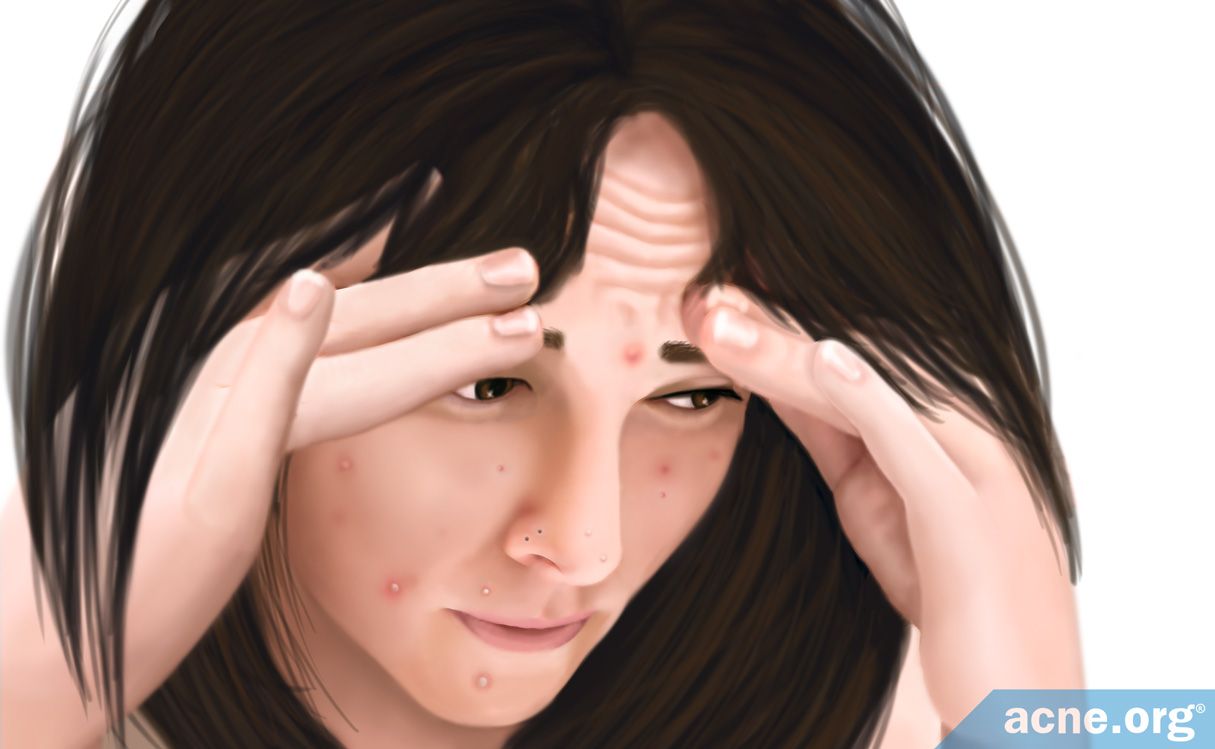
Does Stress Affect Acne?
Most likely, yes. The skin appears to be sensitive to stress, and multiple studies show a connection between psychological stress and acne flares.
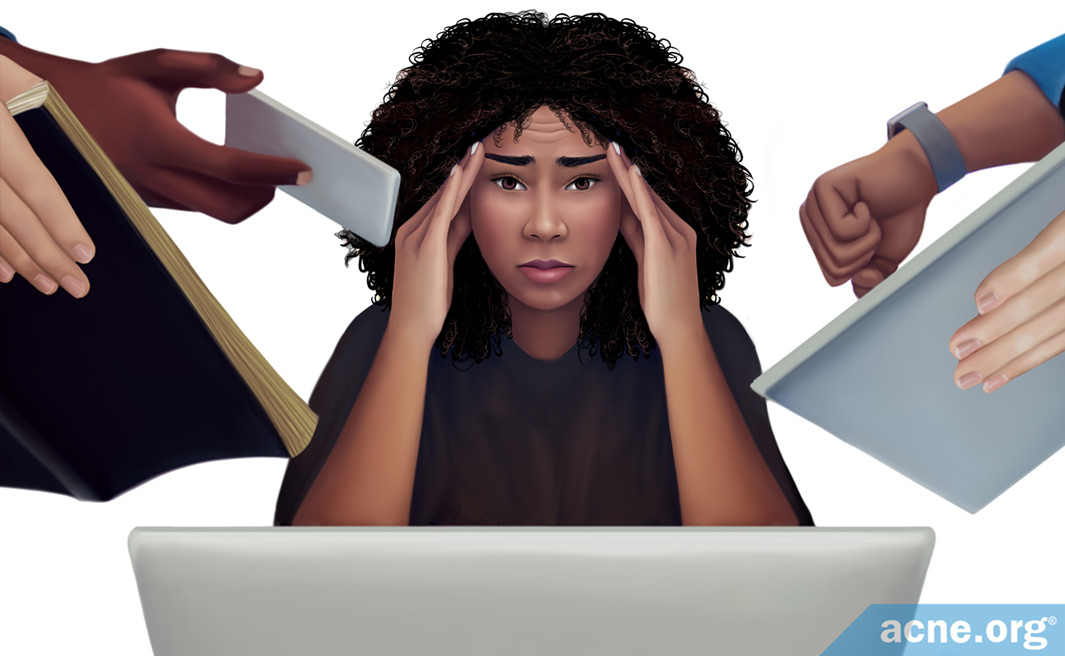
Stress and Acne
This is a pretty deep dive. Learn how stress may worsen acne through hormonal pathways and inflammation, plus practical tips on how to chill out.
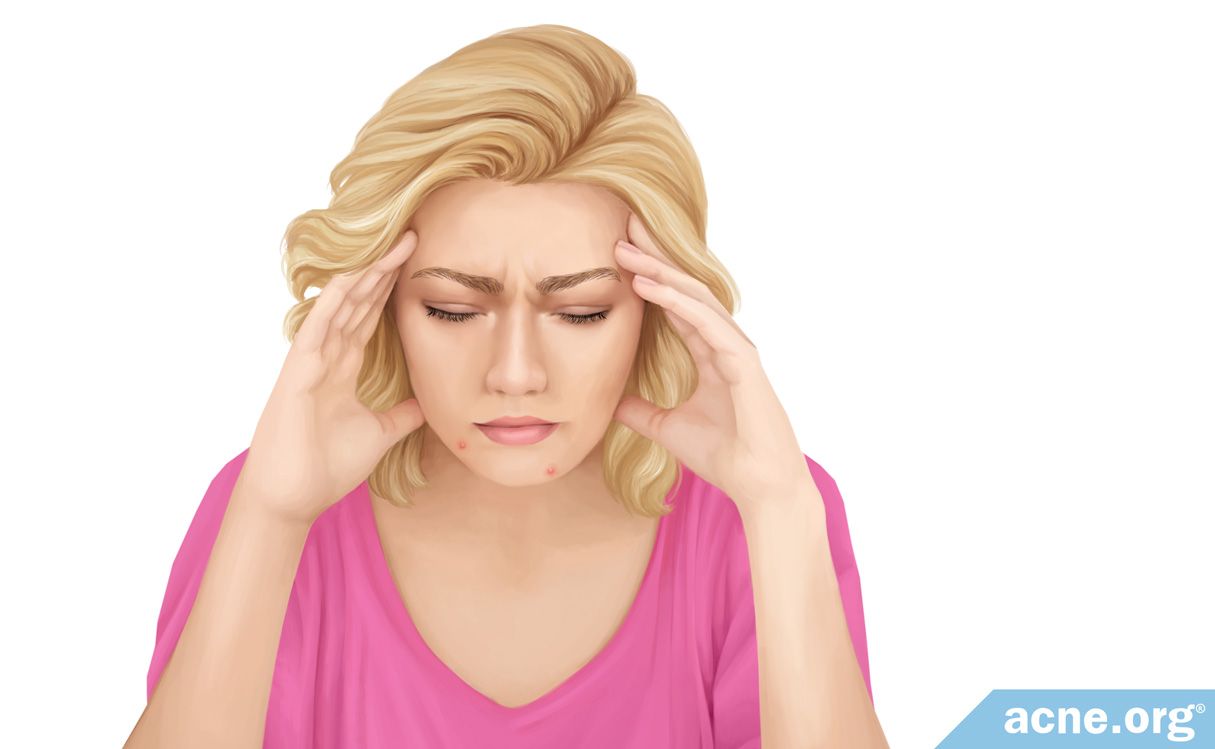
Women, Stress, and Acne
A special connection. Stress is associated with acne, and women experience more stress, which may partly explain why adult acne is slightly more common in women.
Sleep
Poor sleep is linked to elevated cortisol, impaired immune function, and slower wound healing — all of which can worsen acne. While we don’t yet have definitive proof that sleep deprivation directly causes acne, the biological plausibility is strong, and prioritizing quality sleep is good advice for both your skin and your overall health.
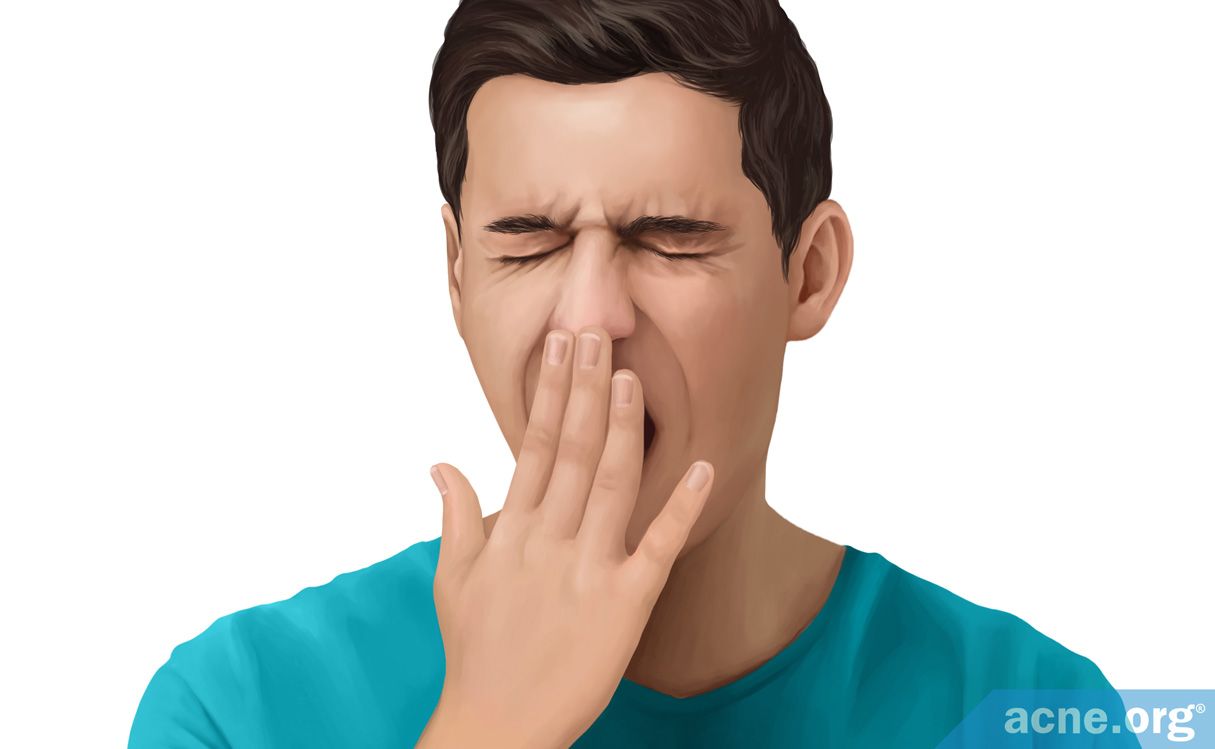
Can a Lack of Sleep Cause Acne?
It’s likely. Sleep may help balance oil production, decrease stress, and support wound healing, all important for acne-prone skin.
Pillowcase Hygiene
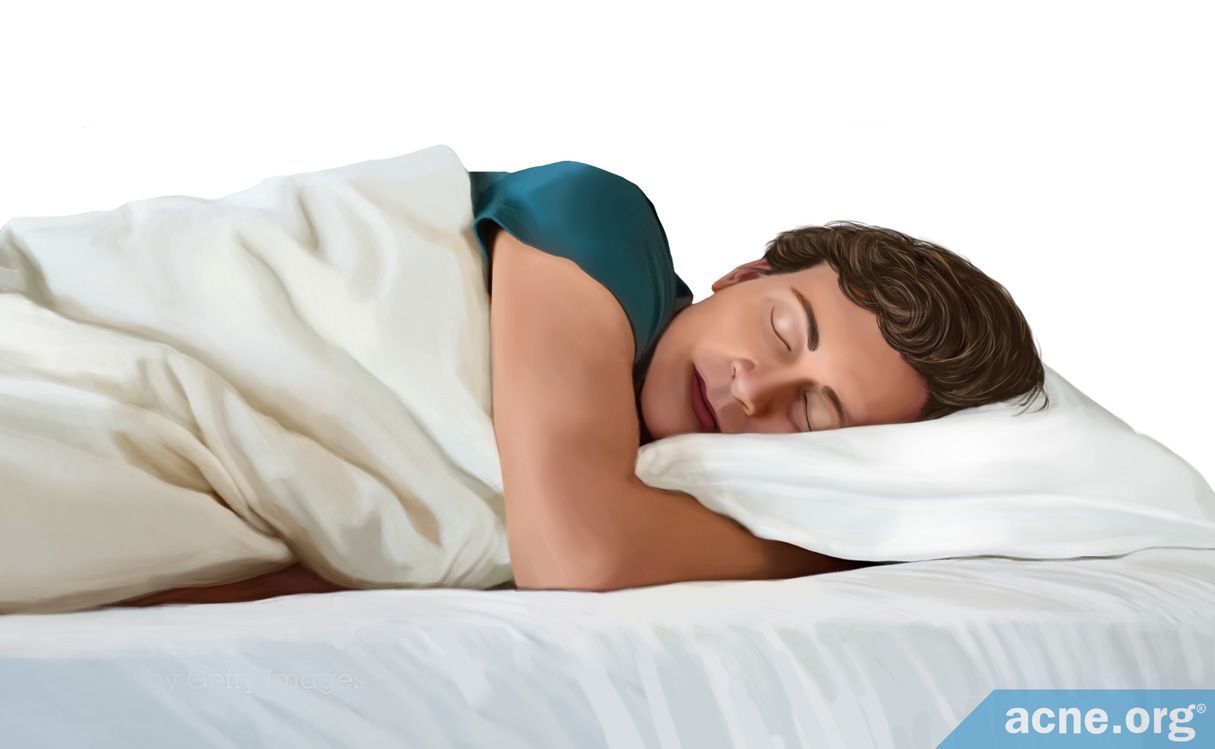
How Often Should an Acne-prone Person Change His/Her Pillowcase?
A safe rule of thumb is to change your pillowcase weekly to reduce bacteria and oil buildup.
Exercise
Regular, moderate exercise may benefit acne through its stress-reducing and hormone-balancing effects. However, sweating can also contribute to skin irritation and clogged pores if proper hygiene isn’t maintained after working out. The net effect of exercise on acne is likely positive as long as you shower promptly and avoid tight, friction-causing clothing.

How Exercise Might Help with Acne
Regular, moderate exercise may be beneficial. Learn how physical activity can reduce stress, balance hormones, and potentially improve your skin.
Sun and UV Exposure
Sun exposure has a complicated relationship with acne. A small amount may temporarily improve the appearance of skin by drying out active lesions, but it also worsens hyperpigmentation, damages the skin’s barrier, and increases the risk of skin cancer. The research is clear that the risks of unprotected sun exposure outweigh any short-term skin benefits. Wearing sunscreen daily is essential, especially for acne-prone skin that is more vulnerable to post-inflammatory dark marks.
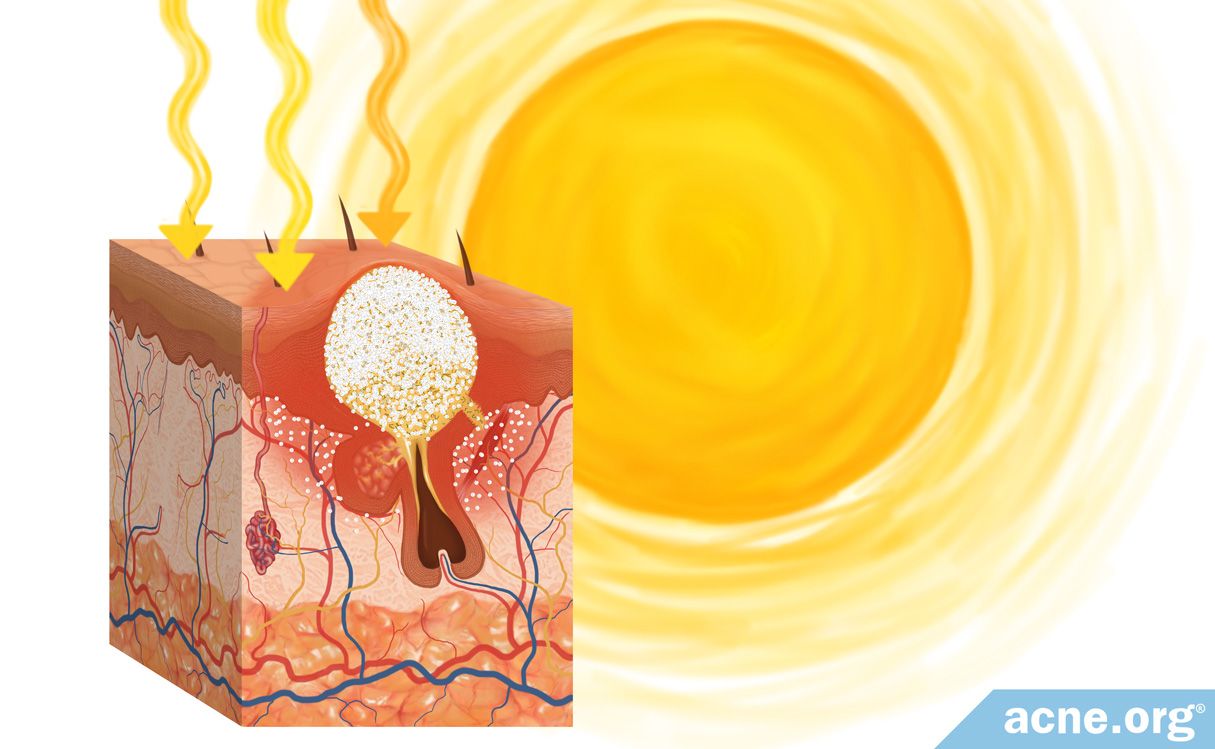
Does the Sun Help or Hurt Acne?
A bit might help, but too much hurts. Learn about the complex relationship between sun exposure and acne, including the role of vitamin D.
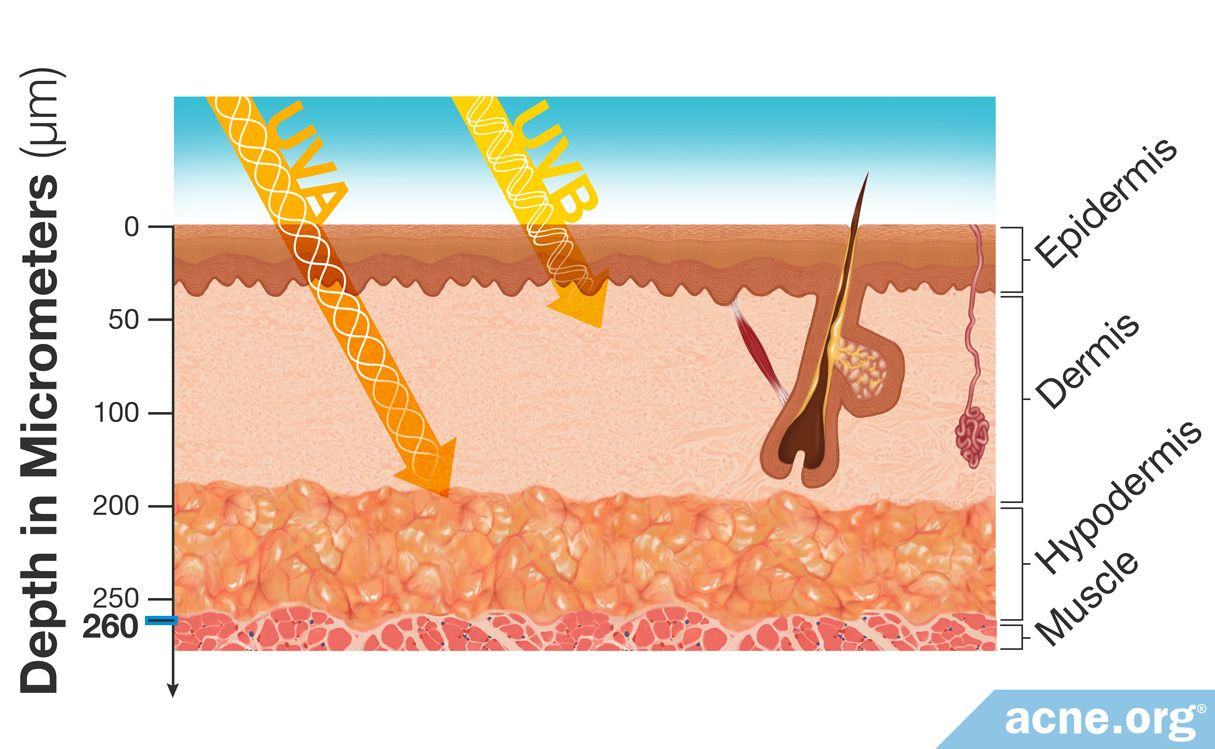
What's the Difference Between UVA and UVB Rays?
UVA tans, UVB burns. Both damage skin and contribute to skin cancer, which is why broad-spectrum sunscreen is important.
Does the Sun Burn/Tan Your Lips, and Do You Need to Protect Them?
Lips burn but rarely tan. Sun protection for your lips is important, especially when using acne treatments that increase sun sensitivity.
Sunscreen
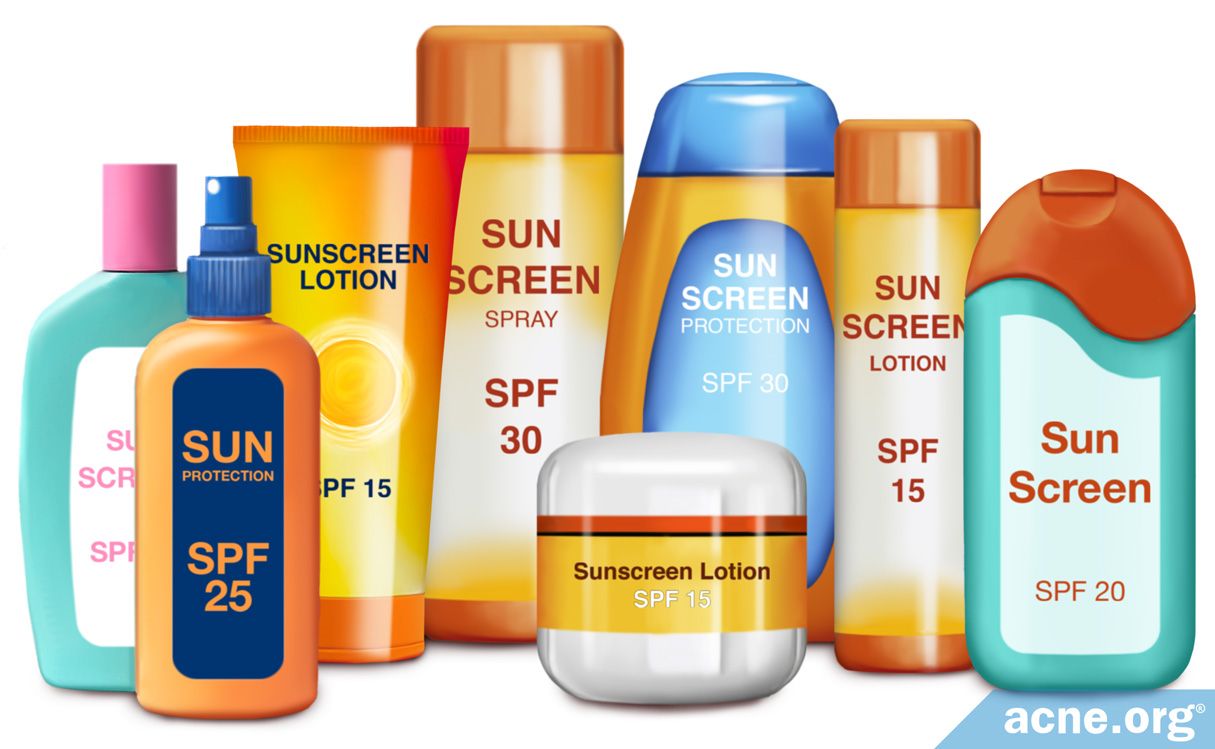
Sunscreen (SPF) and Acne
Your complete guide. Learn how to choose and use sunscreen on acne-prone skin.
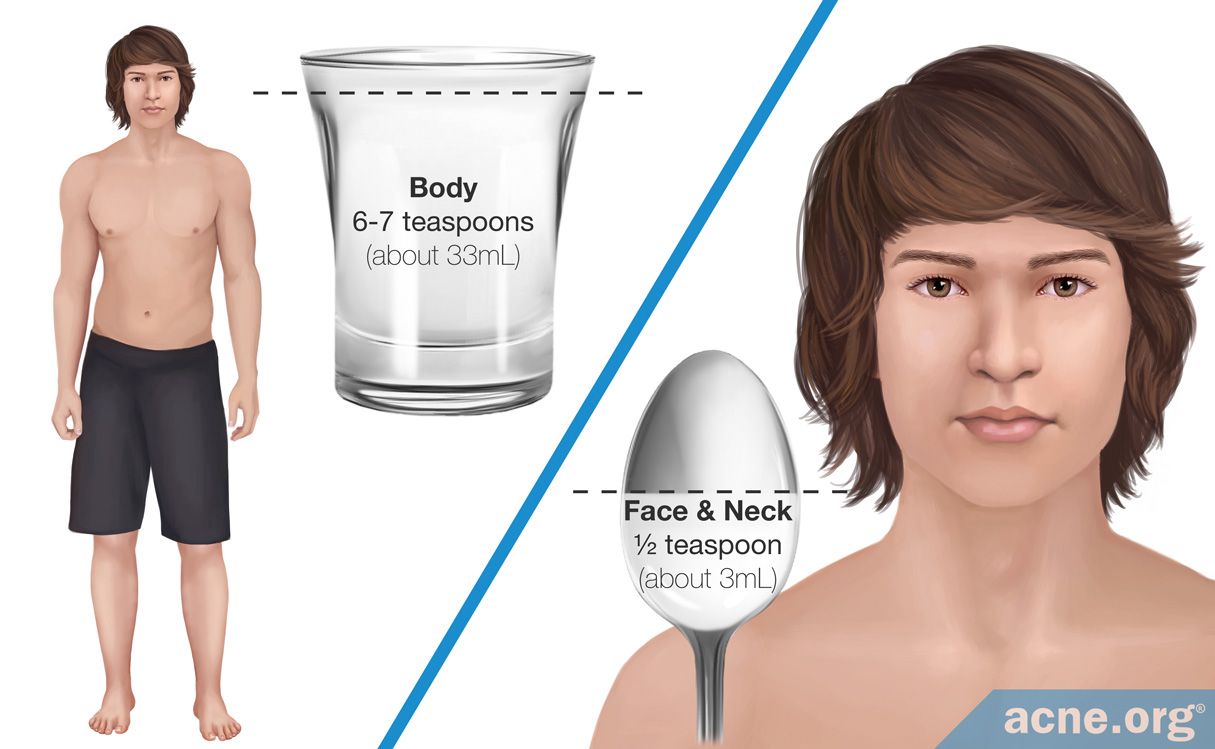
Here's How Much Sunscreen You Should Apply
It’s more than you think. People generally use only 1/4 of what is recommended for adequate protection.

Active Ingredients in Sunscreen in the United States
Know your options. The FDA has approved 17 active sunscreen ingredients in the U.S., though only 8 are commonly used.

Do Physical Sunscreens Absorb Ultraviolet (UV) Radiation?
Vitamin D
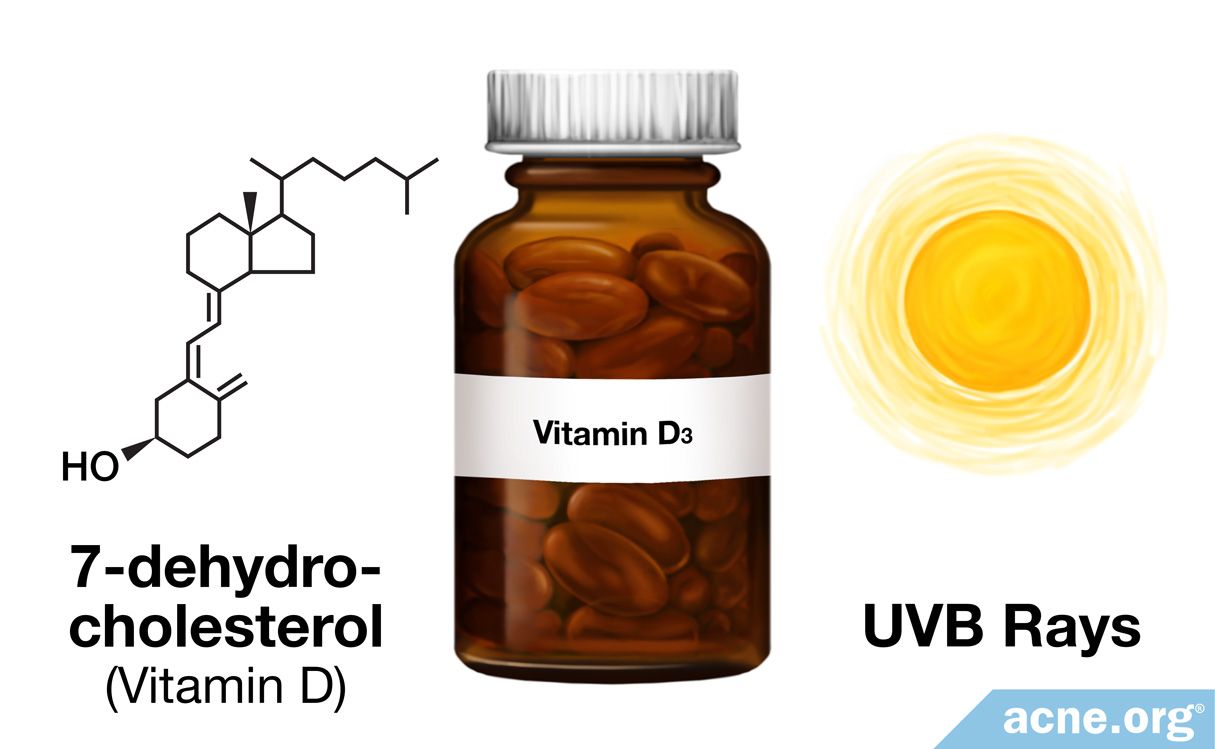
Does Vitamin D Help Treat Acne?
Perhaps. Vitamin D is important for healthy skin maintenance and might have a role in acne treatment.
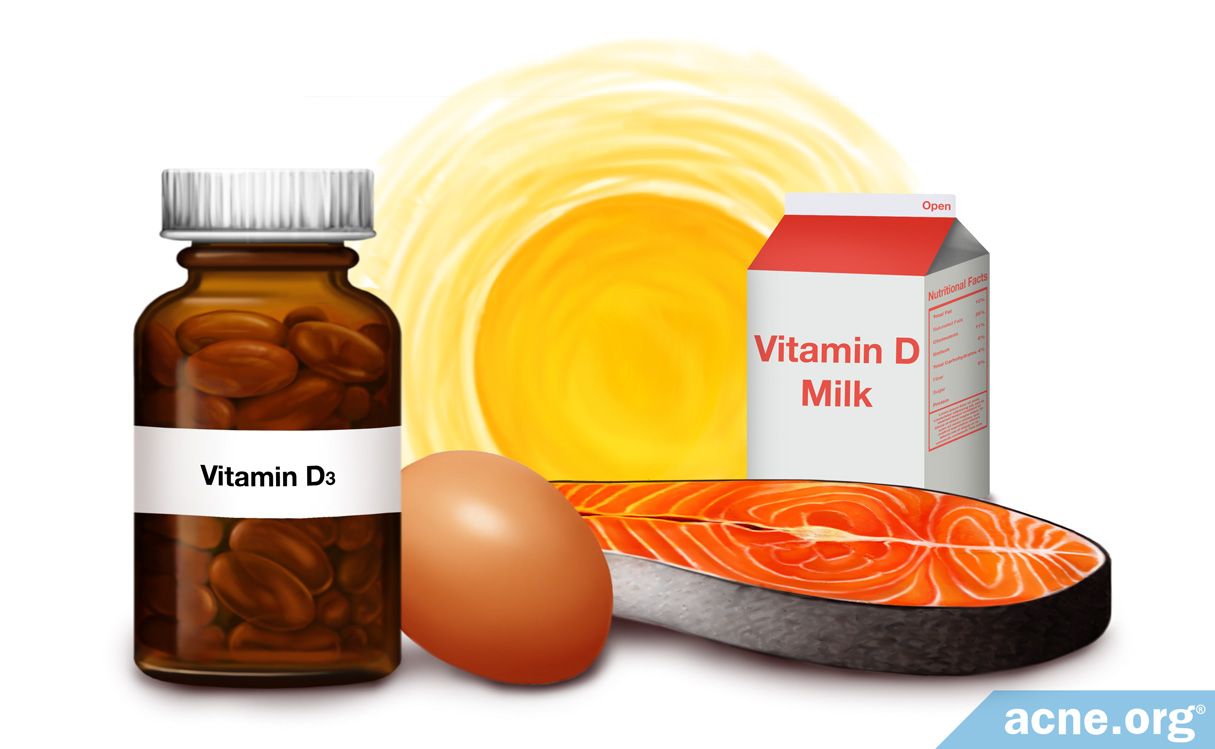
How Can You Get the Right Amount of Vitamin D?
Balance is key. Regular, brief periods of sun exposure are best, without overdoing it.
Skin Hygiene Habits
How and when you wash your skin matters more than you might think. Over-washing, using the wrong tools (like washcloths or loofahs), or washing with water that’s too hot can all irritate the skin and make acne worse. Gentle washing, twice a day, with your bare hands and a gentle cleanser, is the standard recommendation.
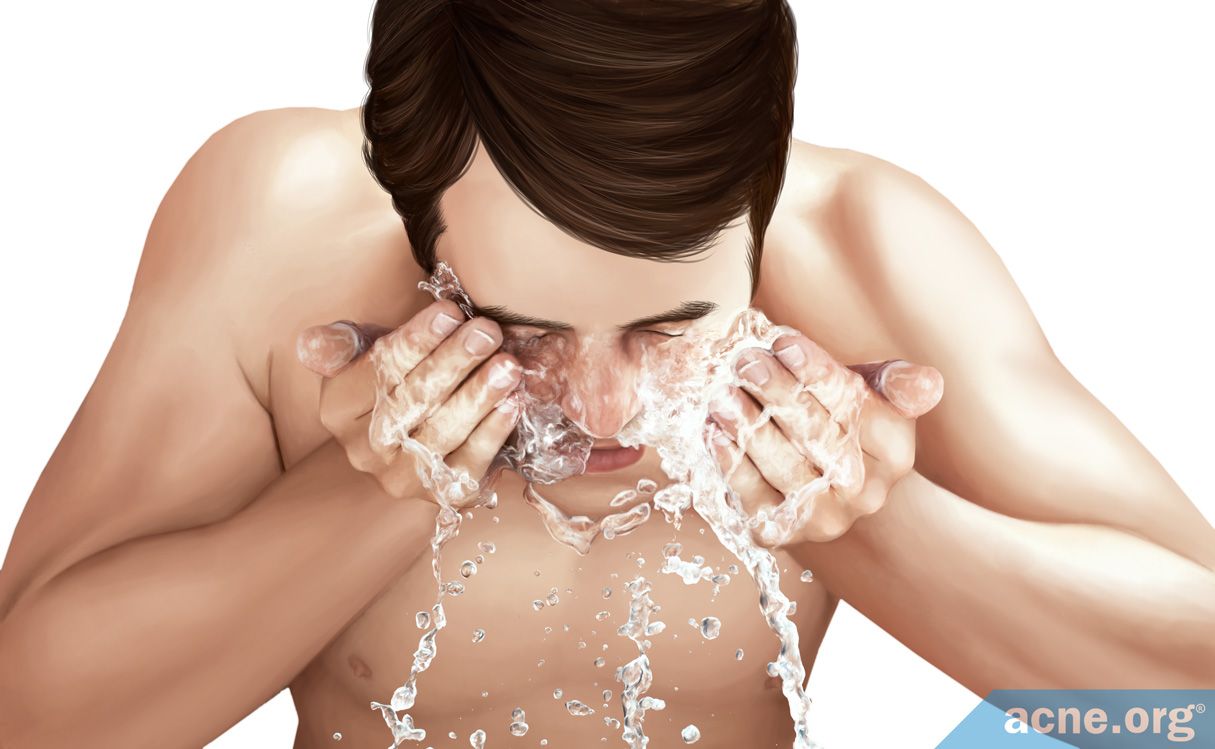
Does Washing the Skin Help or Hurt Acne?
Technique matters. Washing gently, twice a day, with a gentle facial cleanser might help to some degree.
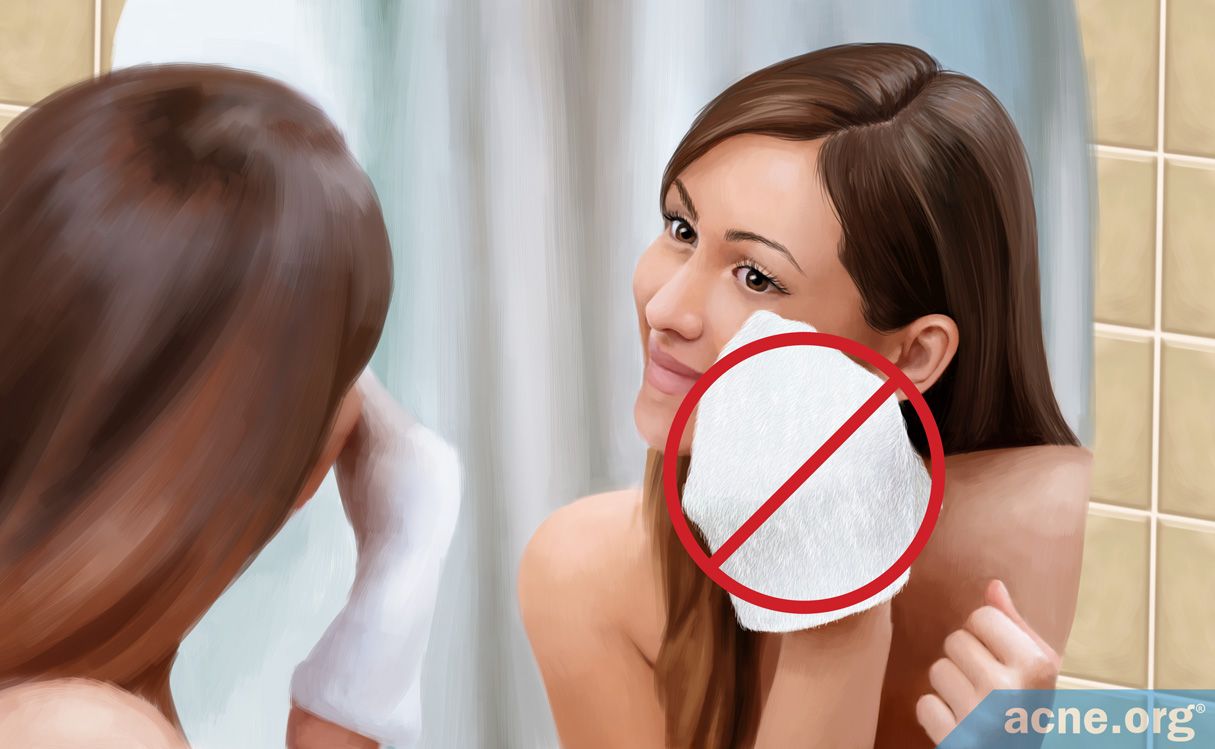
Why You Shouldn't Use a Washcloth to Wash Your Face
Using a washcloth can physically irritate the skin, and anything that irritates the skin can lead to more acne. Use only your bare hands.
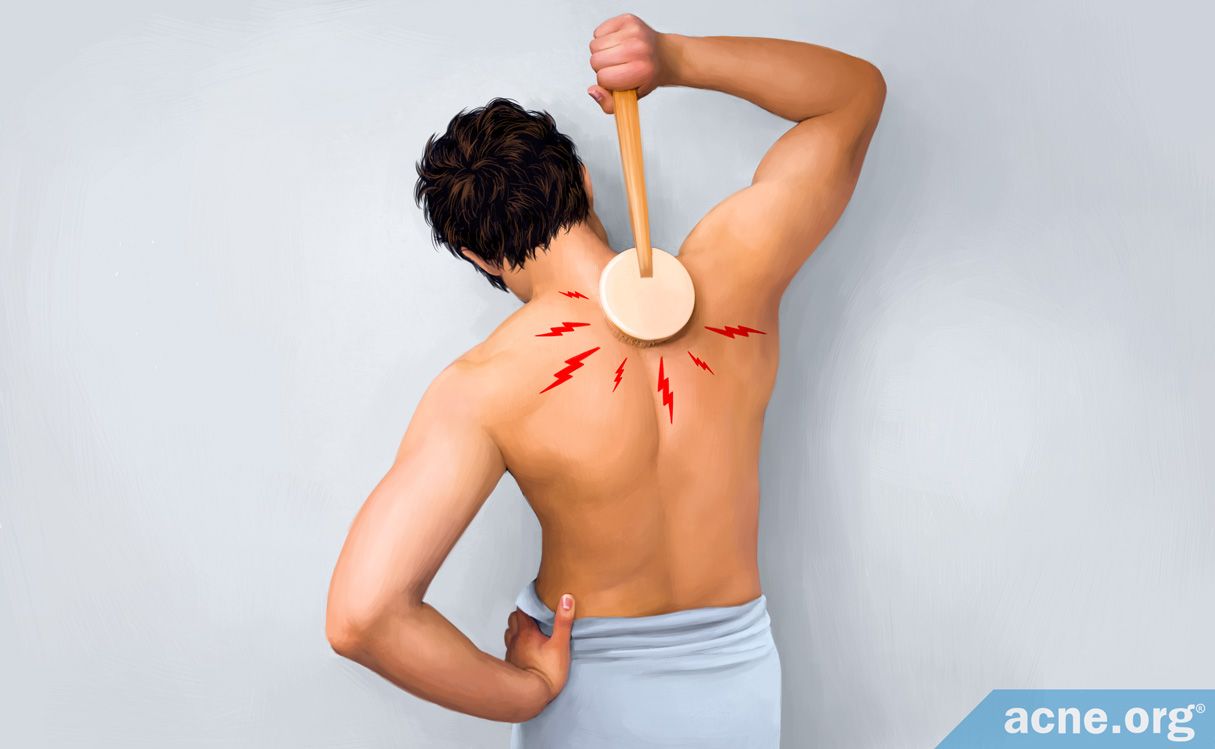
How You Wash Your Body Might Be Making Your Body Acne Worse
Be gentle everywhere. Scrubbing your body can lead to more body acne. Use only your bare hands and gently wash each part for only a few seconds.
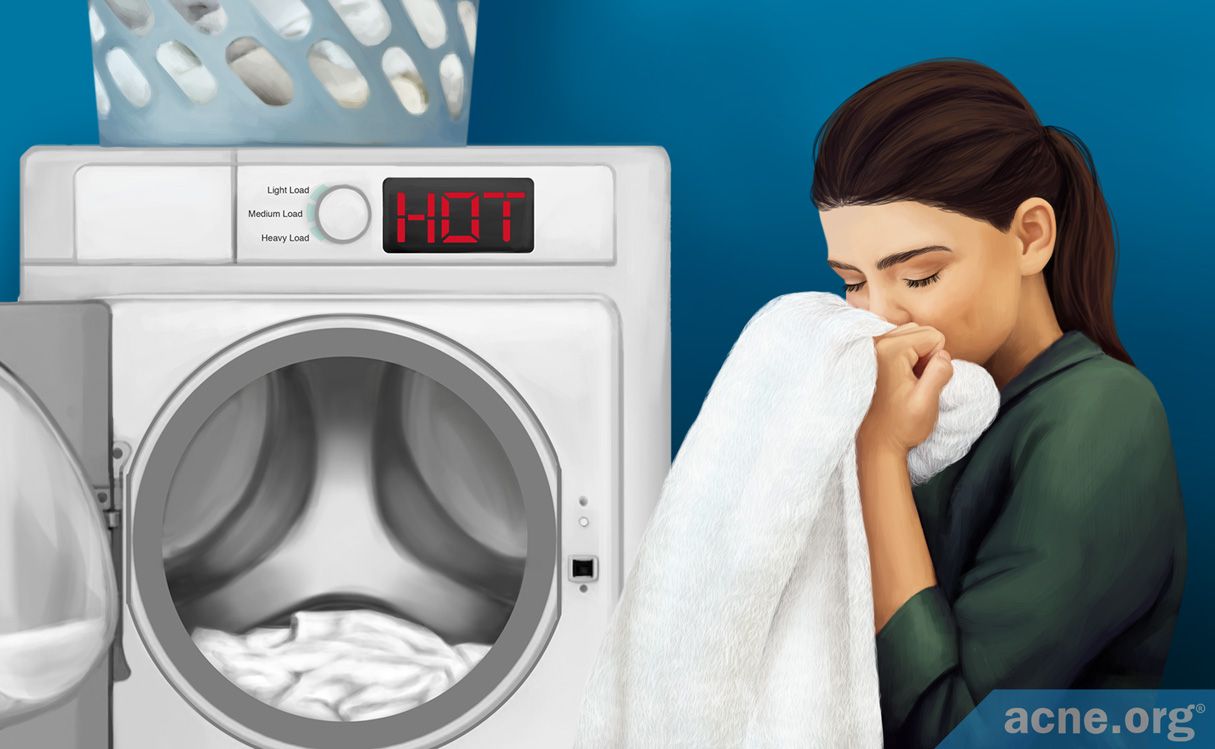
How Often Should an Acne-prone Person Wash Their Towel?
A good rule of thumb is to wash your towel once a week in hot water.

What Does Hypoallergenic Mean?
It means a product is less likely to cause an allergic reaction. However, any cosmetic product can cause allergic reactions, even those labeled hypoallergenic.
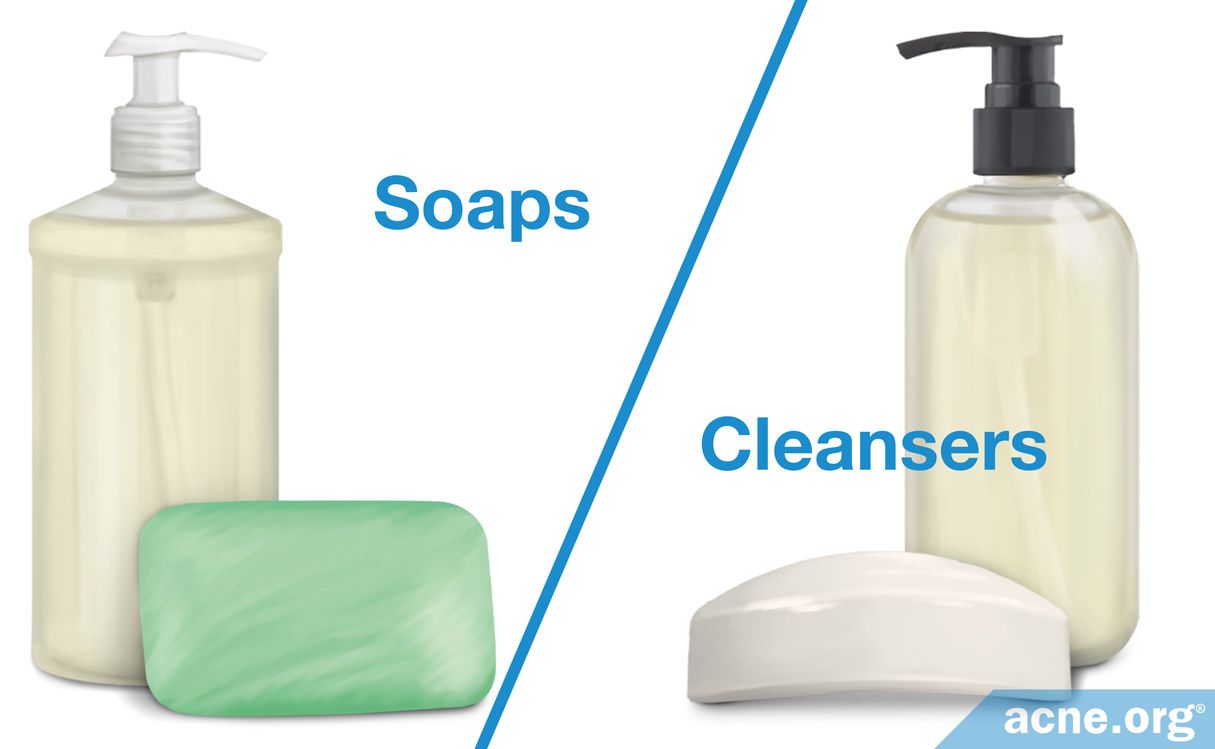
Soaps or Cleansers: Which Is Better for Acne-prone Skin?
Mild liquid facial cleansers are best for acne-prone skin. Avoid soap.
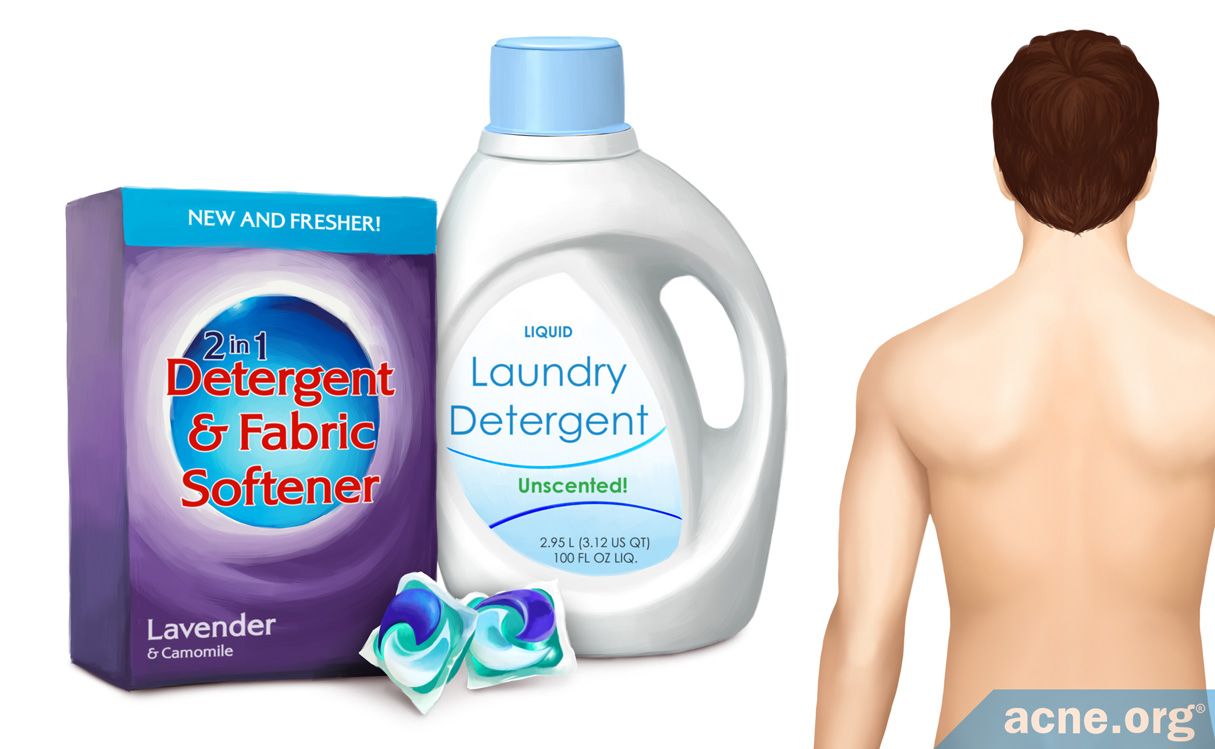
Can Laundry Detergent Cause Body Acne?
Any detergent is likely safe to use, but use unscented detergent if your skin is sensitive to fragrances.
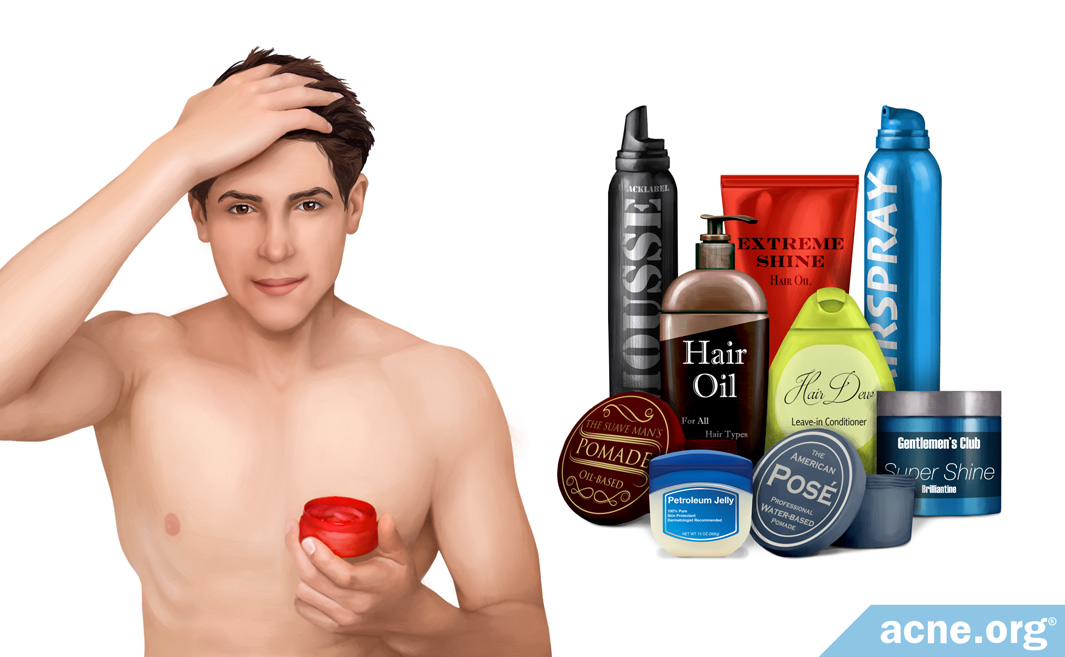
Some Leave-in Hair Products May Cause Acne
Certain leave-in hair products such as pomades, brilliantine, and some oils may cause acne along the forehead and temples.
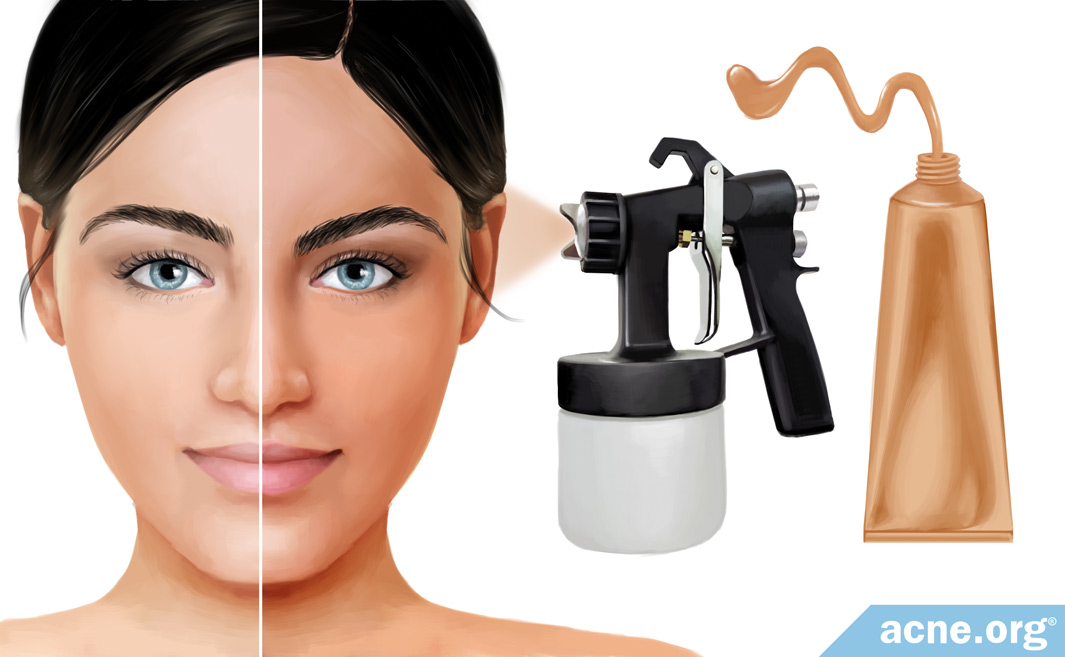
Are Self-tanners Safe for Acne-prone Skin?
No studies have looked at whether self-tanners are safe for acne. If you use them, avoid pore-clogging or irritating ingredients and apply very gently.
Substances and Acne
Smoking, alcohol, and recreational drugs have all been studied in relation to acne with mixed results. Smoking in particular appears to have a unique relationship with acne — it may promote a non-inflammatory type of acne characterized by comedones rather than red, inflamed lesions. The links between alcohol and acne are less well established, but heavy drinking can affect hormone levels and sleep quality, both of which have indirect effects on the skin.

Does Smoking Cigarettes Cause Acne?
The evidence is mixed. Some studies show a link between smoking and certain types of acne, while others show no connection.

Alcohol and Acne
Learn about the possible links between alcohol consumption and acne.

Drugs and Acne
Looking at possible links between recreational drugs and acne.
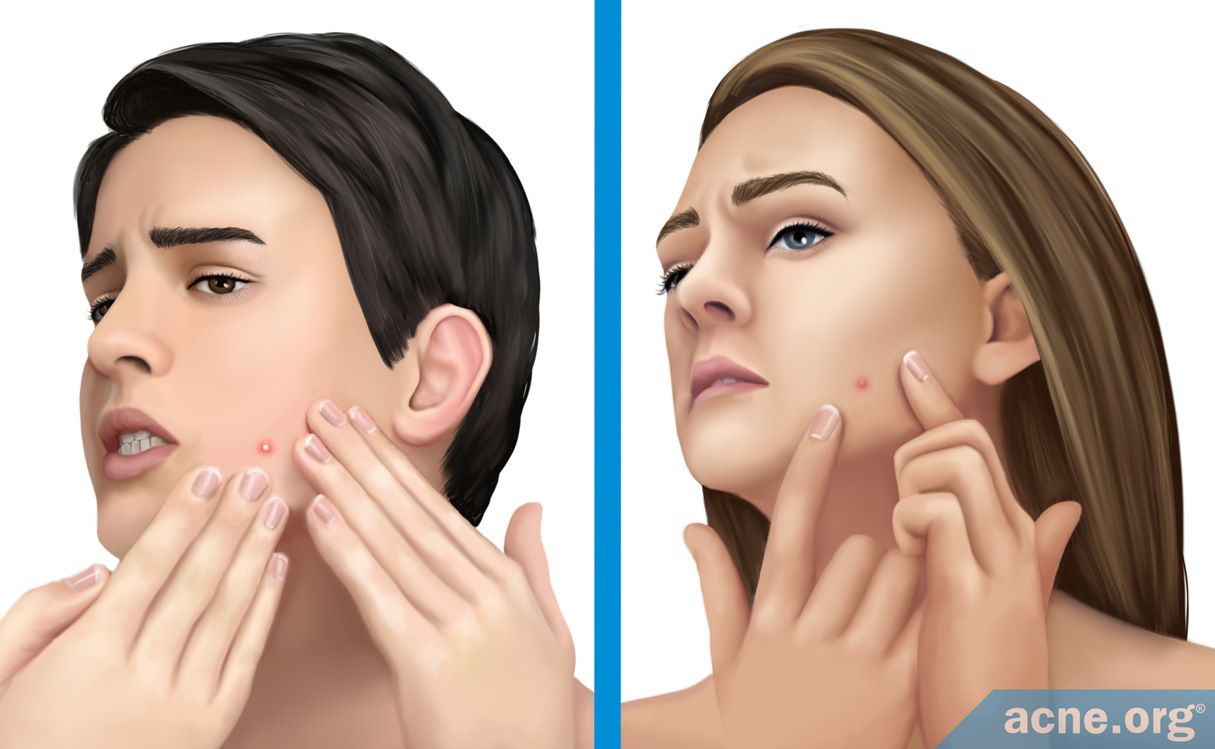
Masturbation and Acne
Myth busted. Looking at the research and possible links between masturbation and acne. Spoiler: there aren’t any proven connections.
Environmental and Physical Triggers
External environmental factors — from the season and humidity to the hat you wear — can influence how your skin behaves. Physical irritation of the skin is a well-established acne trigger known as acne mechanica. Anything that repeatedly rubs or presses against the skin can cause breakouts in that area, a fact that is underappreciated and important for anyone with acne to understand.
Irritation
Learn why anything that physically irritates the skin (from hats to face masks to phone screens) can contribute to breakouts.

Does Wearing a Baseball Hat Cause Acne?
It might. Baseball hats physically irritate the skin, but wearing one should be fine as long as you properly treat the skin twice a day.

Which Season Is Worst for Acne?
Some studies suggest summer, others winter. We simply cannot say for certain at this point.
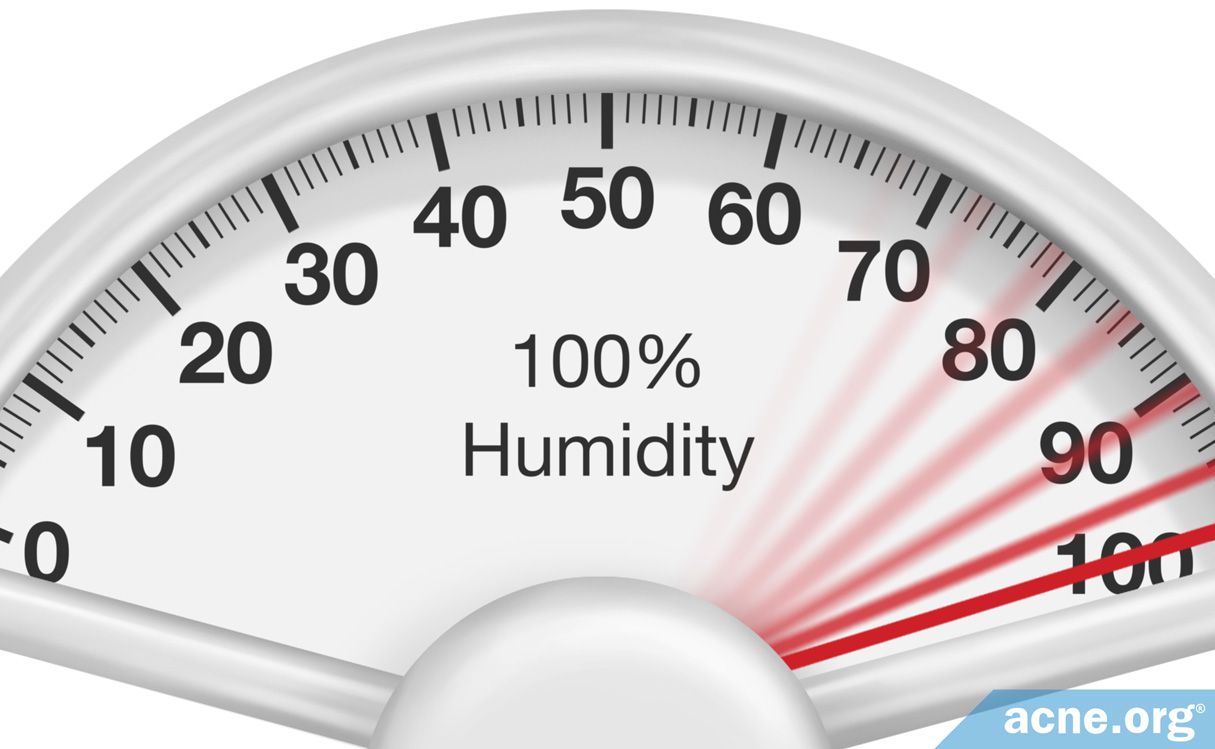
Does Humid Weather Worsen Acne?
Scientists speculate that humidity might play a role in acne development or the appearance of acne.
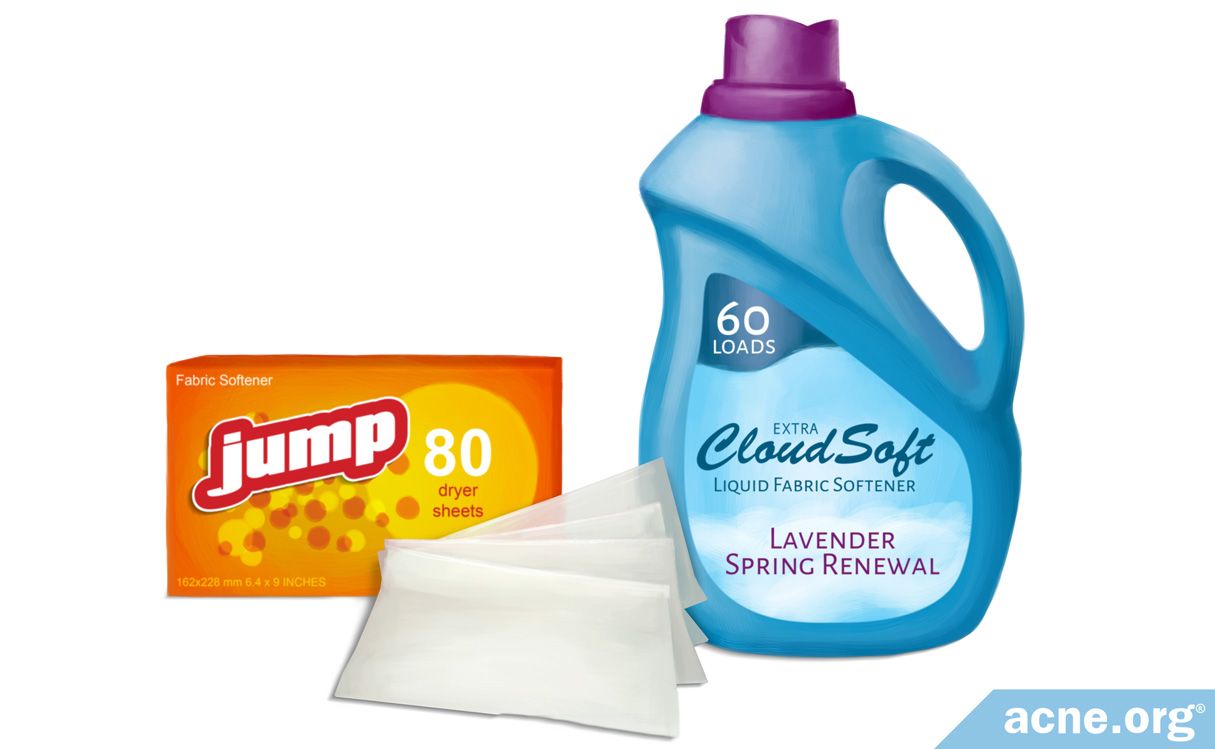
Does Fabric Softener Cause Acne?
It is unknown, so it may be best to use alternatives like wool or plastic anti-static dryer balls.
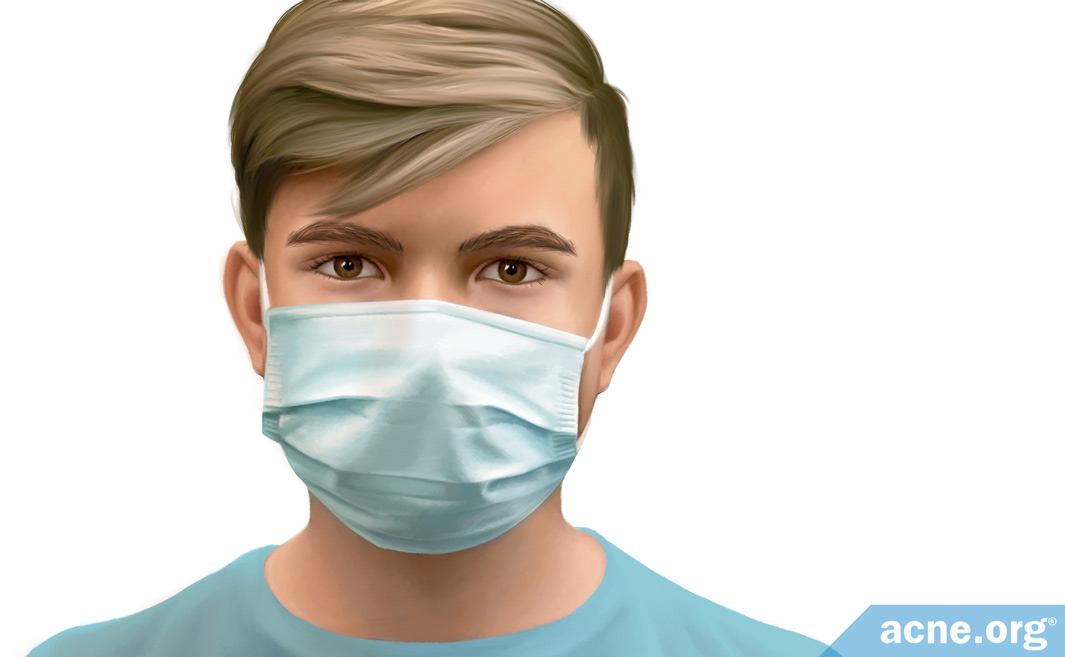
Can Wearing a Face Mask Trigger or Worsen Acne?
Yes. Choose a lightweight, soft mask that won’t rub against your skin, ideally in a light color to limit sweating.
Water and Swimming
Whether you swim in a chlorinated pool or the ocean, it can have real effects on your skin. Pool chlorine can dry and irritate the skin but may also kill some acne bacteria. Saltwater is generally gentler and may even offer mild anti-inflammatory benefits. In either case, rinsing thoroughly after swimming and applying moisturizer are important steps for acne-prone swimmers.
How Will Swimming in a Pool Affect My Acne?
A mixed bag. Pool water can irritate and dry the skin, but chlorine might also kill acne bacteria.

How Will Swimming in Seawater Affect My Acne?
It won’t hurt and just might help. Seawater may have mild antibacterial properties that could benefit acne-prone skin.
Myths and General Questions
Acne comes with a lot of misinformation. These articles tackle common myths and general questions that don’t fit neatly into other categories but are worth understanding.

Acne Myths
Busting the myths surrounding acne. What’s true, what’s false, and what the science actually says.
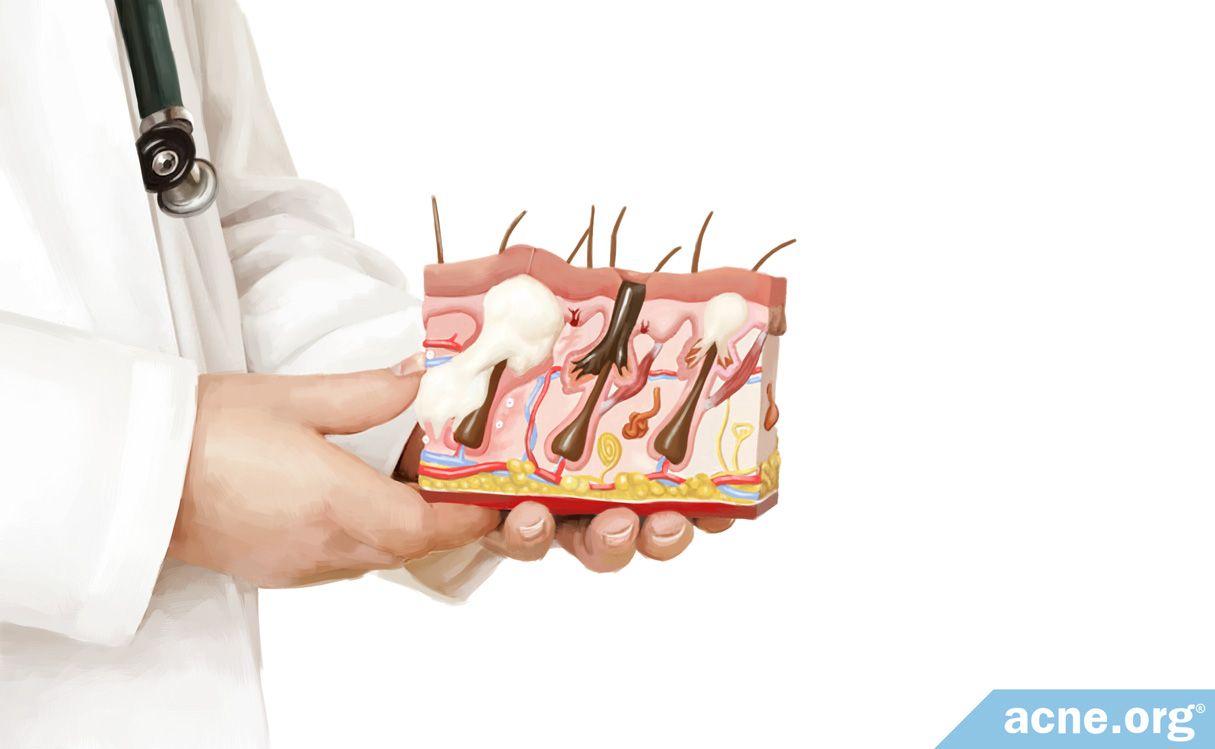
Are Dermatologists Experts in Acne?
While all dermatologists have some knowledge of acne, only those with a special interest seek out additional training and become true experts.