 Acne.org Products
Cystic Acne: The Complete Knowledge Hub (0% AI – 100% human research and writing)
Cystic acne is the most severe form of acne, characterized by large, painful lesions that develop deep within the skin. These nodules and cysts are 5mm or more in diameter and carry a high risk of permanent scarring.
Understanding what cystic acne is and how it differs from regular acne is the first step toward effective treatment.
The information is as science-based and thorough as possible. If you find anything inaccurate or that needs updating, please don’t hesitate to reach out.
Understanding Cystic Acne
Cystic acne is severe acne that includes large, deep lesions called nodules and cysts. These lesions form when inflammation extends deep into the skin, causing significant damage to surrounding tissue. Understanding what distinguishes cystic acne from regular acne helps guide treatment decisions.
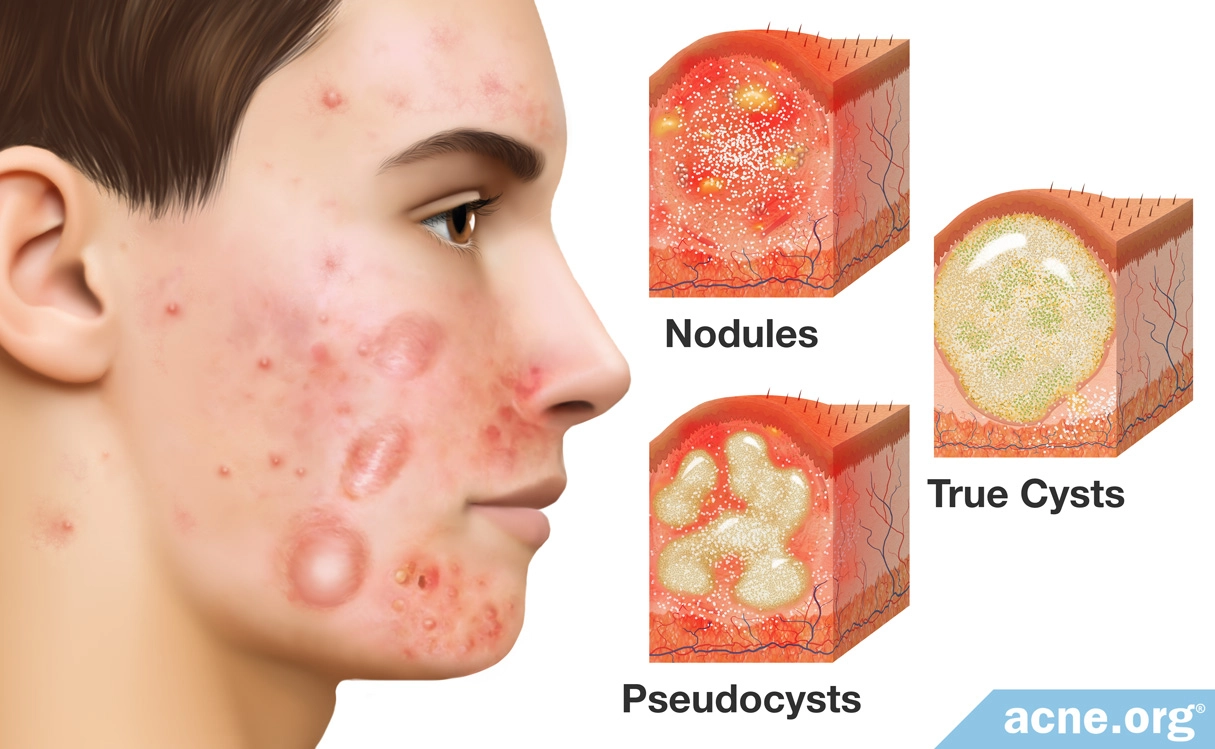
What Is Cystic Acne?
Start here. Cystic acne is severe acne that includes large lesions (nodules and/or cysts) that are 5mm or more in diameter. Learn what defines this condition and why it requires special attention.
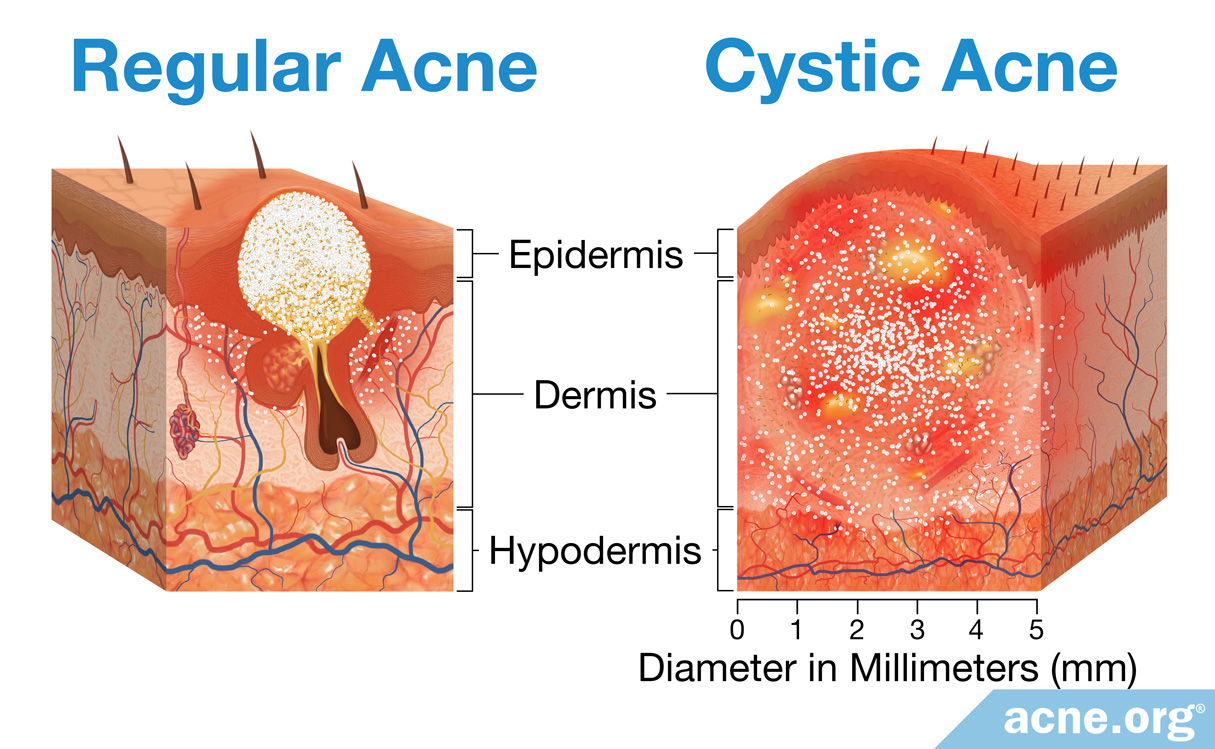
Regular Acne vs. Cystic Acne: What's the Difference?
Know the distinction. Cystic acne comes with large lesions called nodules and/or cysts that set it apart from milder forms of acne and typically require different treatment approaches.
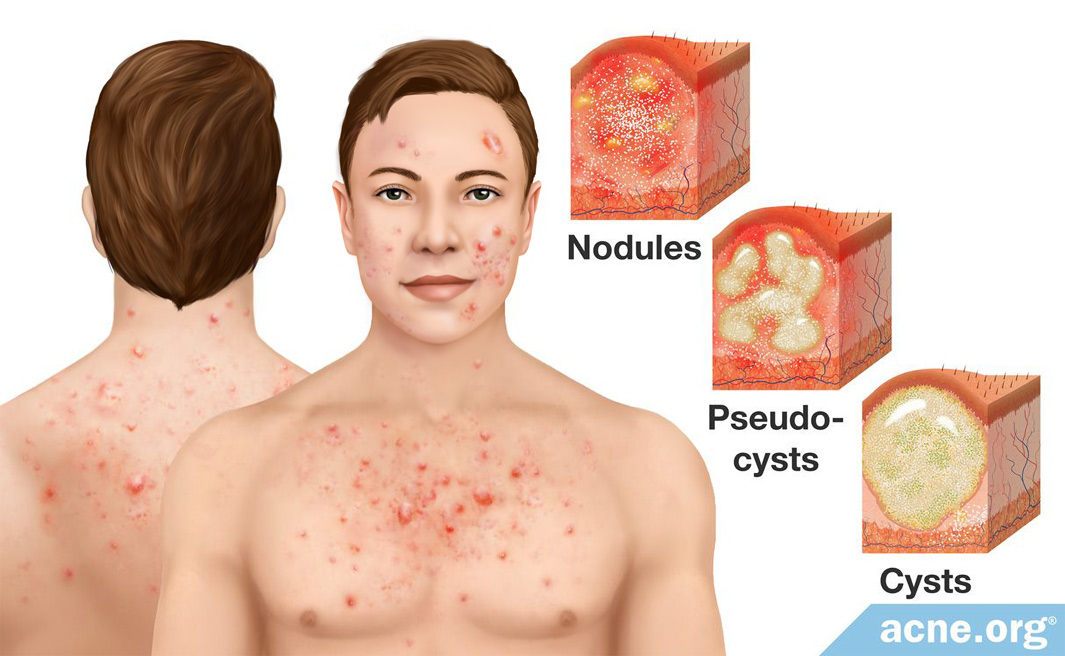
Cystic Acne on the Body
Body skin is different. Skin on the body contains larger skin oil glands and can more easily develop severe acne lesions compared to facial skin.
Types of Severe Lesions
Cystic acne involves specific types of severe lesions that form deep within the skin. Understanding these lesion types helps you recognize the severity of your condition.
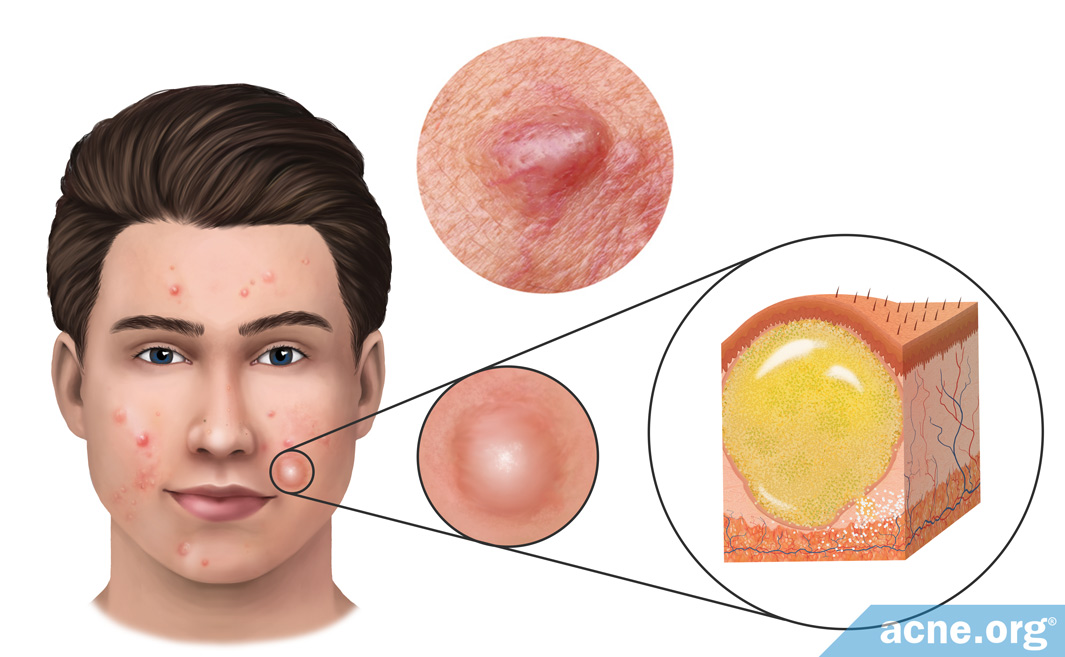
What Is an Acne Cyst?
Deep and painful. An acne cyst is a large acne lesion filled with fluid or pus that forms deep within the skin and often leads to scarring.
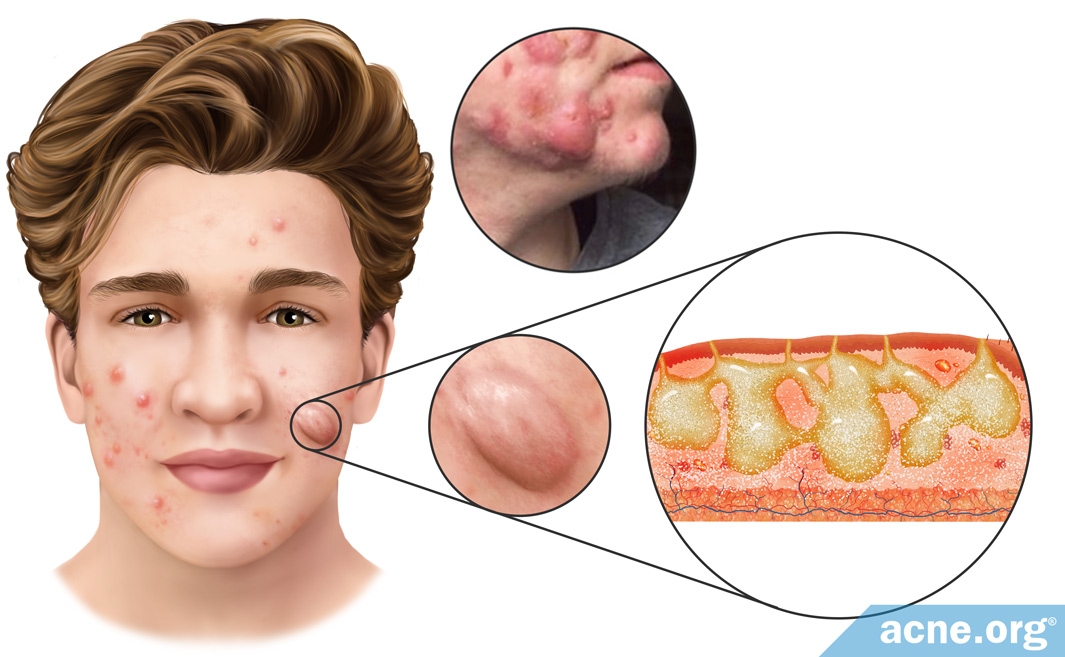
What Is a Draining Sinus?
The most severe form. A draining sinus is a large, red, painful lesion that develops from the merging of multiple acne cysts.
Causes of Cystic Acne
Cystic acne develops through the same basic process as regular acne, but hormones play a particularly important role in driving the severe inflammation characteristic of this condition.
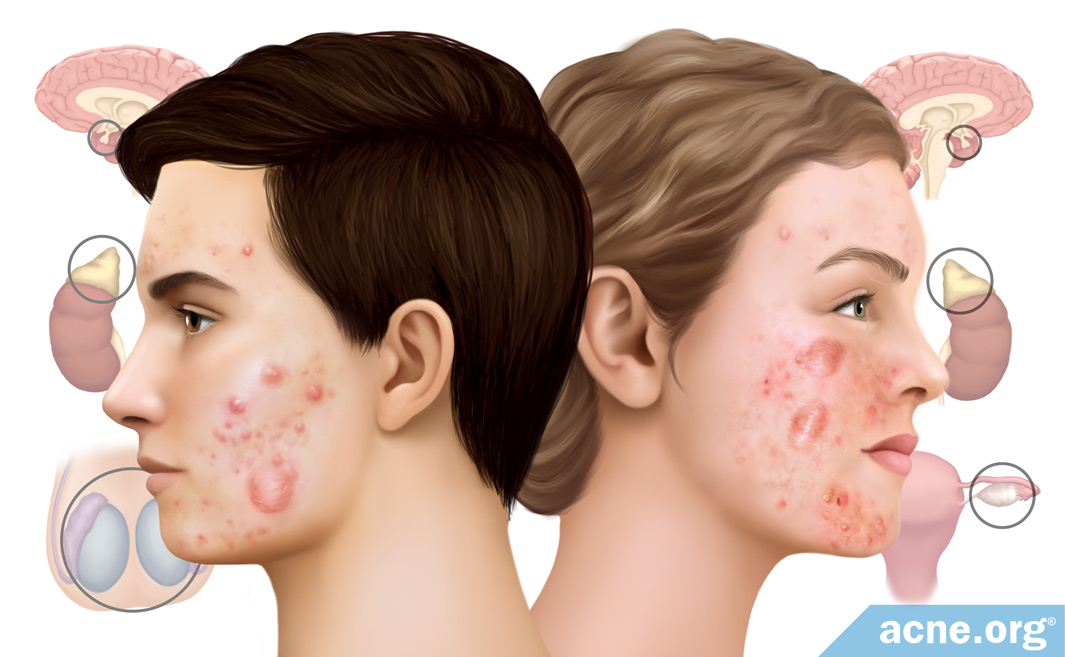
Do Hormones Cause Cystic Acne?
Yes, they play a major role. Hormones are important in the development of cystic acne in both males and females, and hormonal treatments are often effective for females with this condition.
Treatment and Management
Cystic acne often requires medical treatment. Understanding your treatment options and what not to do is essential for managing this condition and preventing scarring.
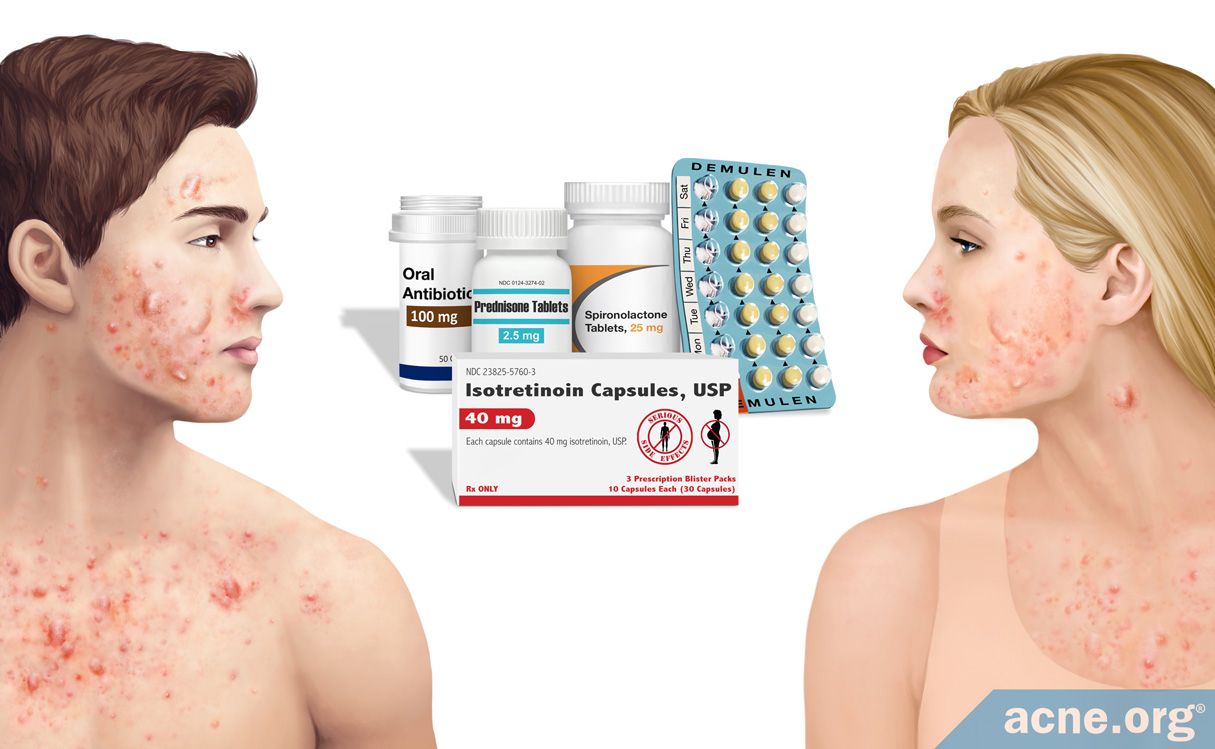
What's the Best Treatment for Cystic Acne?
Isotretinoin leads the way. Isotretinoin (Accutane®) works best for severe cystic acne, but comes with serious side effects that you need to understand before starting treatment.
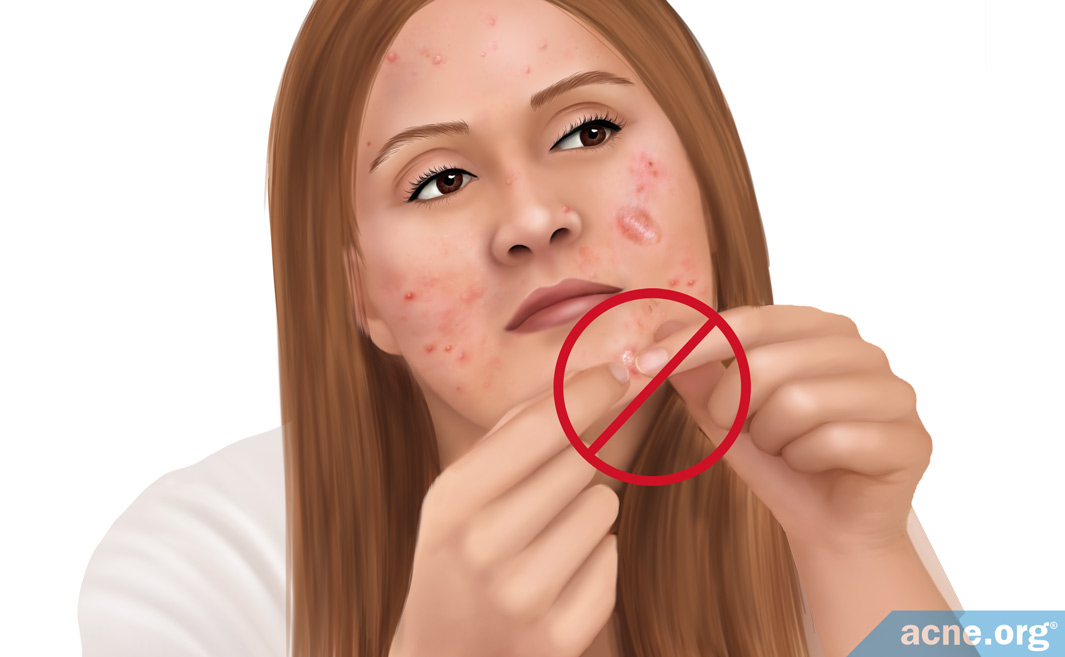
Should You Pop Cystic Acne?
Never. You should never attempt to pop cystic acne lesions. Doing so can worsen inflammation, spread infection, and significantly increase the risk of permanent scarring.