 Acne.org Products
At-Home Acne Treatments: The Complete Knowledge Hub (0% AI – 100% human research and writing)
From kitchen ingredients to supplements, people have tried countless at-home remedies to treat acne. But which ones actually work? The truth is, most home remedies have little to no scientific evidence behind them.
This hub separates fact from fiction, covering everything from natural treatments with some evidence (like tea tree oil) to popular remedies that you should skip entirely.
The information is as science-based and thorough as possible. If you find anything inaccurate or that needs updating, please don’t hesitate to reach out.
Home Remedies Overview
A comprehensive look at home remedies and alternative therapies for acne.
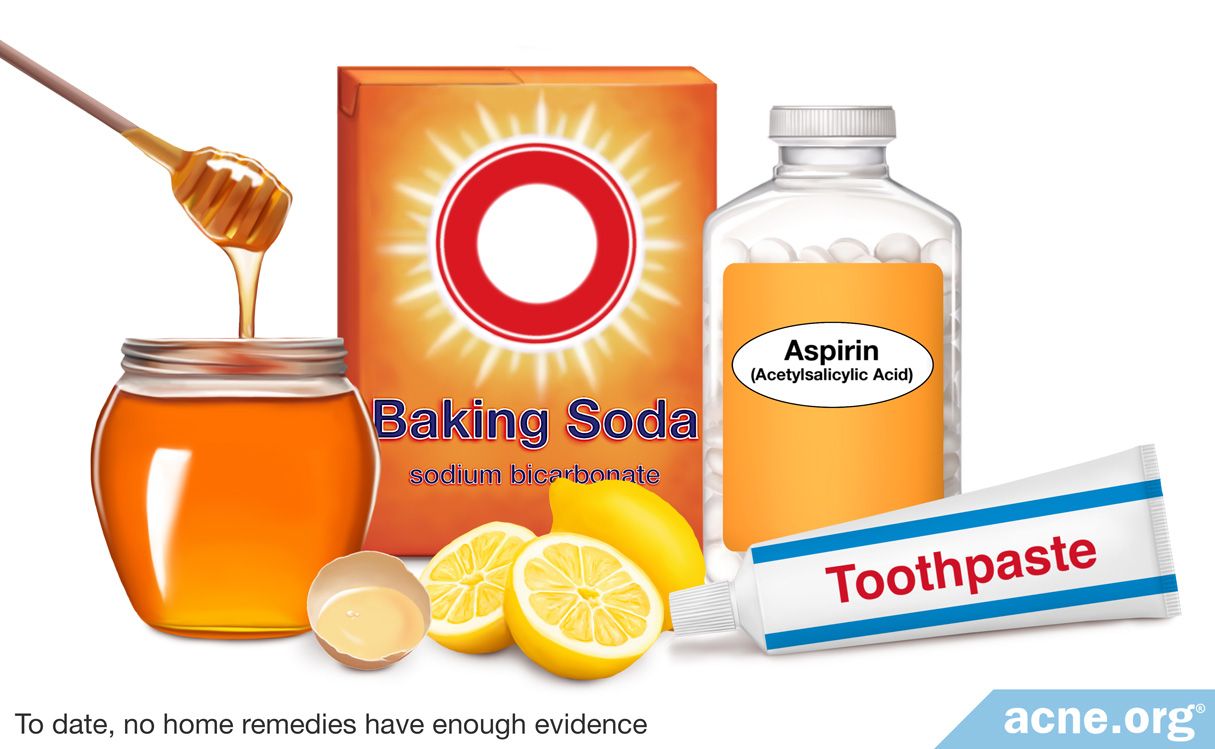
Acne Home Remedies
The honest truth. Only a couple work, and then only to a limited degree. Here’s what the science actually says.

Alternative Therapies for Acne
Beyond topicals. Meditation, yoga, hypnosis, acupuncture, healthy diet, adequate sleep, and exercise might help.
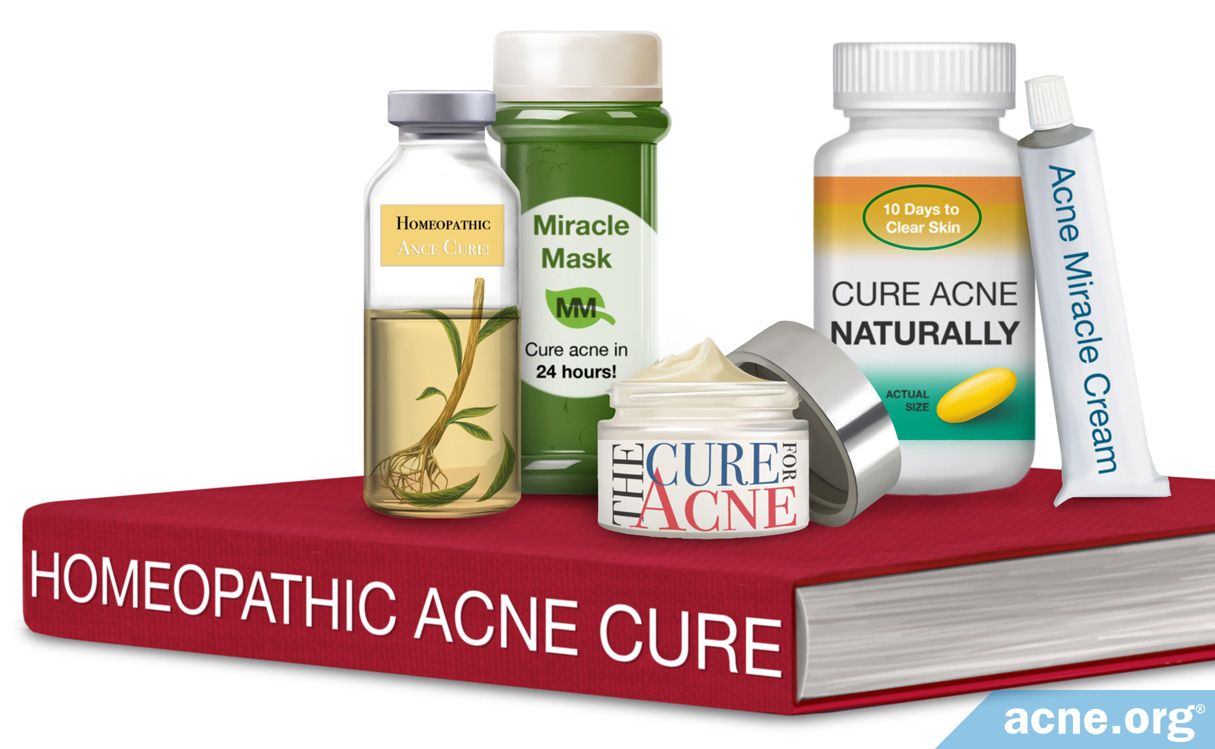
Acne Cure?
Does such a thing exist? An honest look at whether acne can be permanently cured.
Remedies with Some Evidence
These natural treatments have at least some scientific research suggesting they may help with acne.
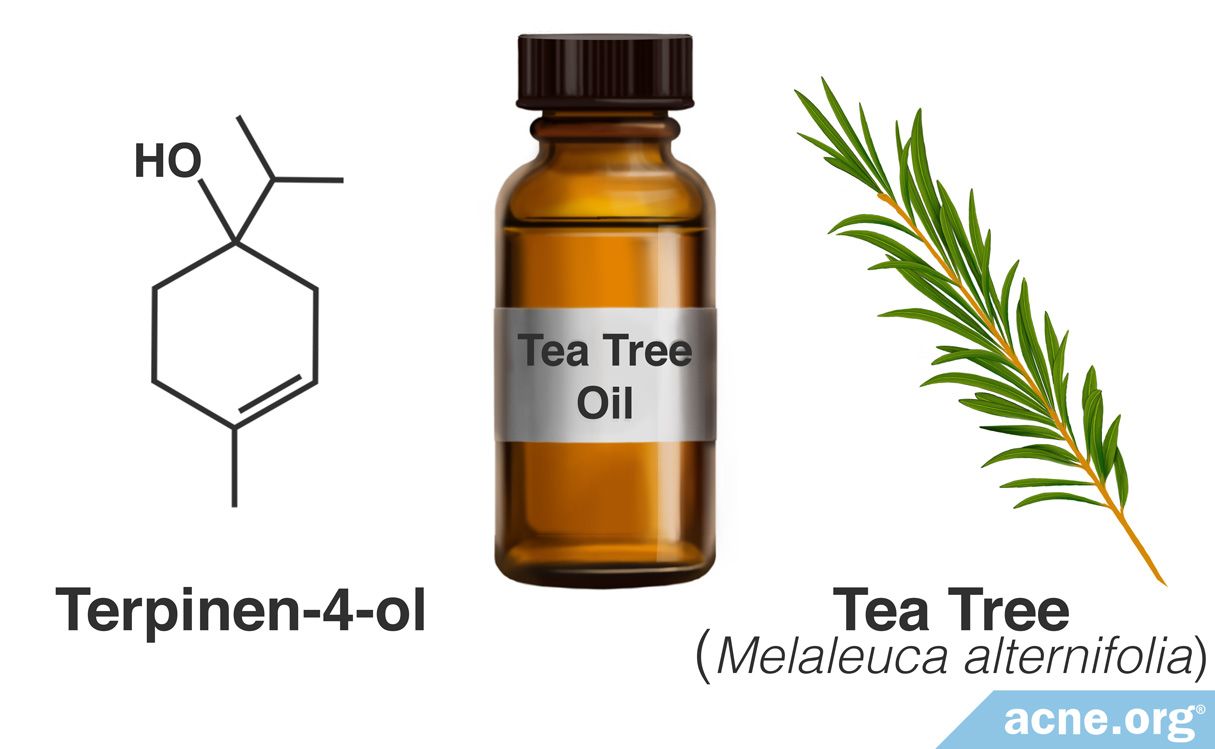
Does Tea Tree Oil Really Work to Clear Acne?
Yes, to some degree. Tea tree oil is one of the few “natural” treatments that has considerable science behind it.

Zinc and Acne Overview
Oral zinc may help. Taking 30 mg of oral zinc per day may help. Topical zinc has less evidence behind it.
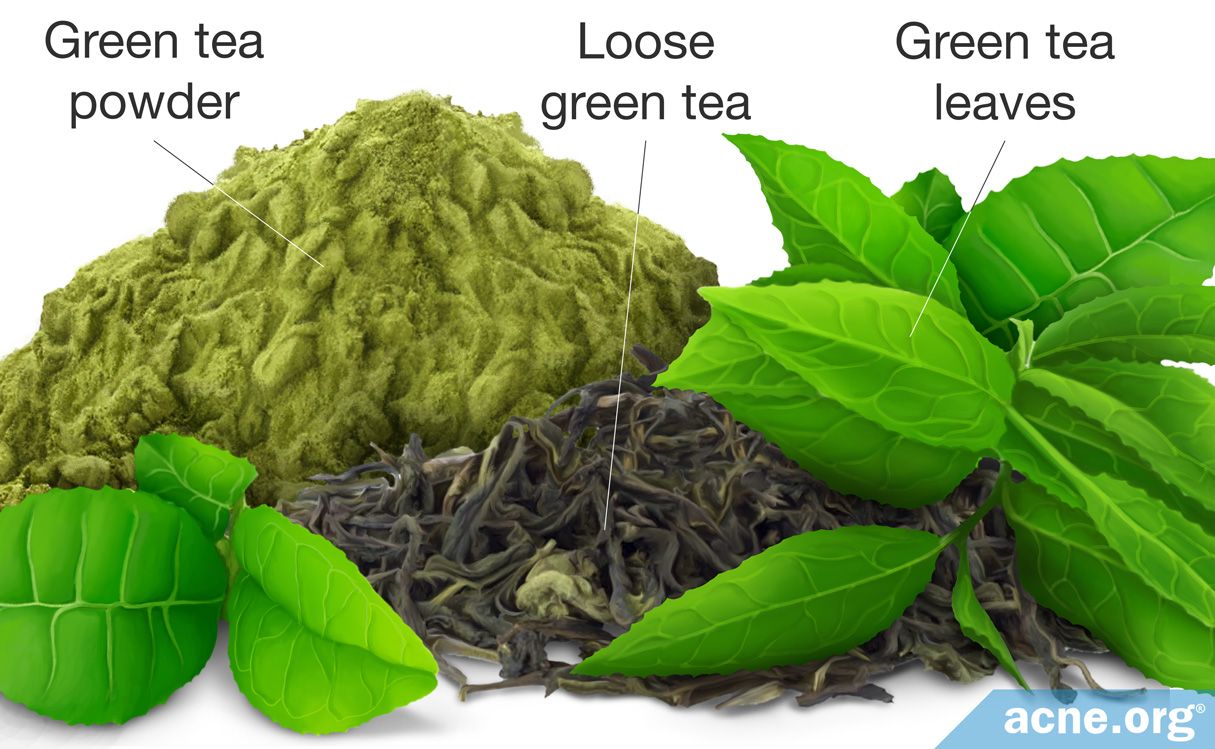
Can Topical Green Tea Treat Acne?
Studies show it may help. Green tea applied to the skin shows some promise in research studies.
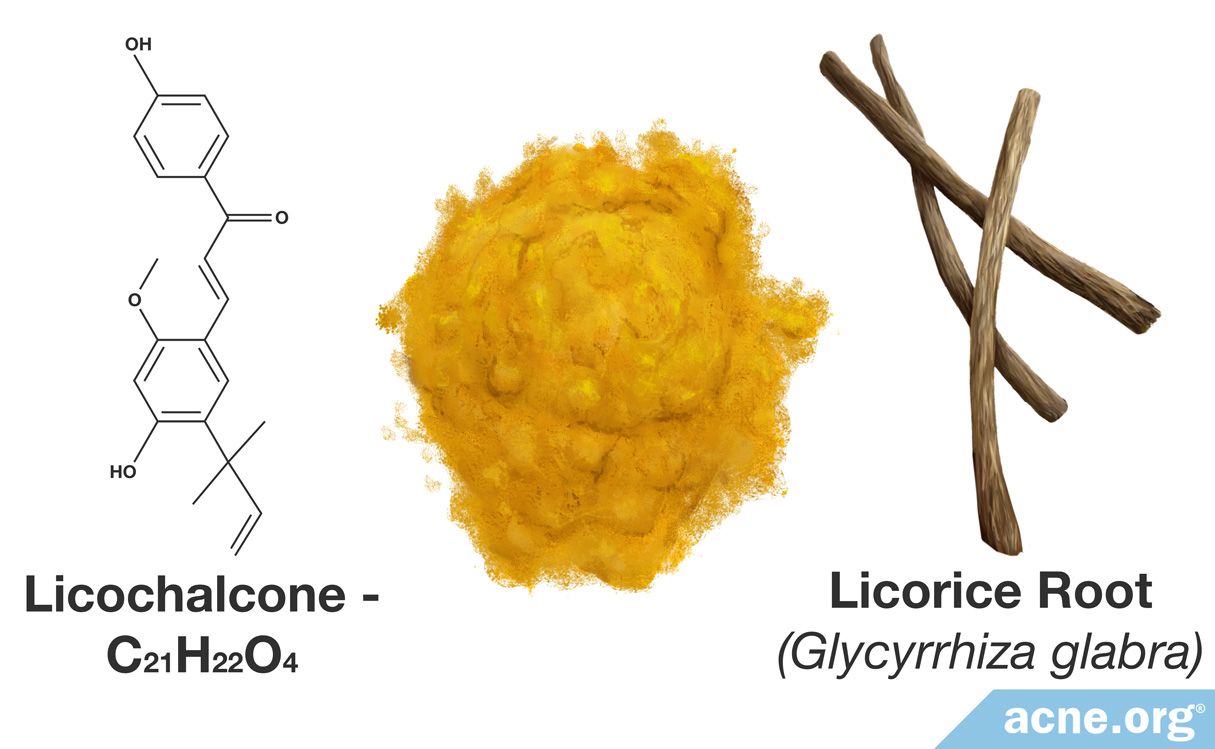
Licochalcone (Licorice Root Extract)
A powerful molecule. Licochalcone is a powerful compound contained in licorice root extract with anti-inflammatory properties.
Oils and Natural Extracts
Natural oils and plant extracts are popular for skincare, but not all are appropriate for acne-prone skin.
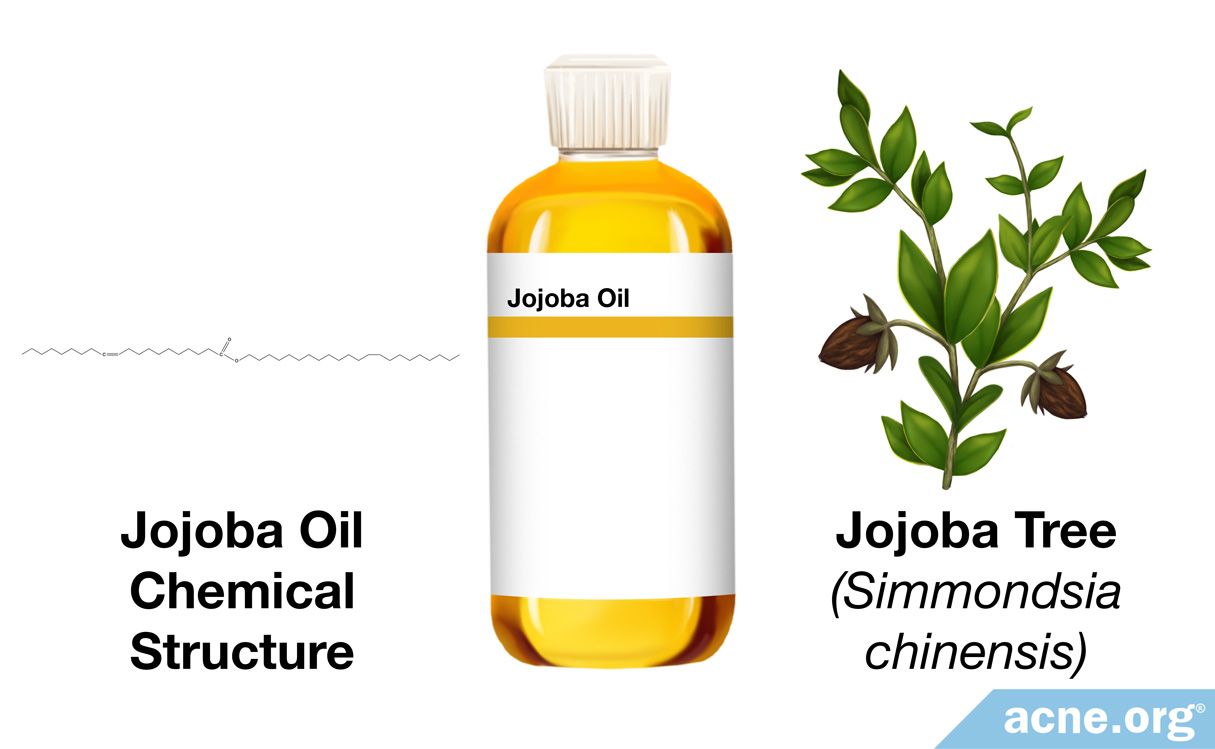
Jojoba Oil
Everything you need to know. Jojoba oil is often recommended for acne-prone skin. Here’s what the research says.
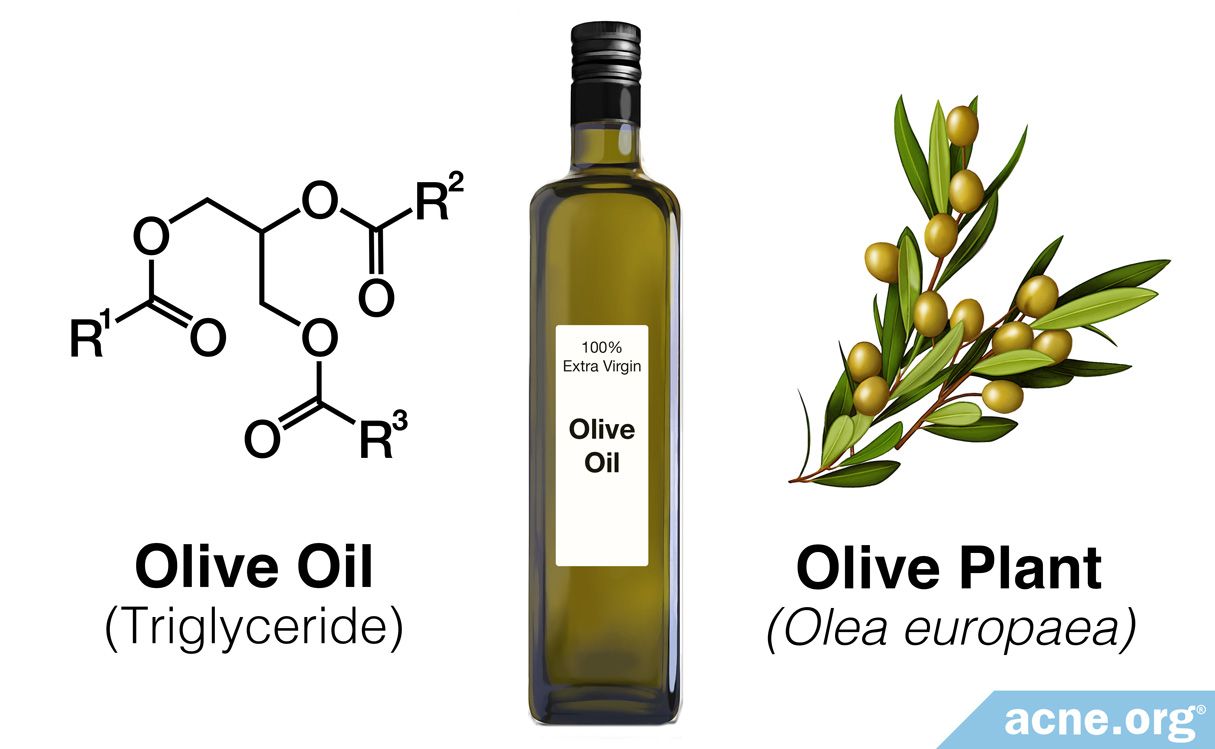
Topical Olive Oil and Acne
May not be safe. Olive oil may be beneficial for overall healthy skin, but may not be safe for acne-prone skin.

What Is Mineral Oil, and Is It Safe to Use on Acne-prone Skin?
Mineral oil is safe to use, but it is not likely to help acne.
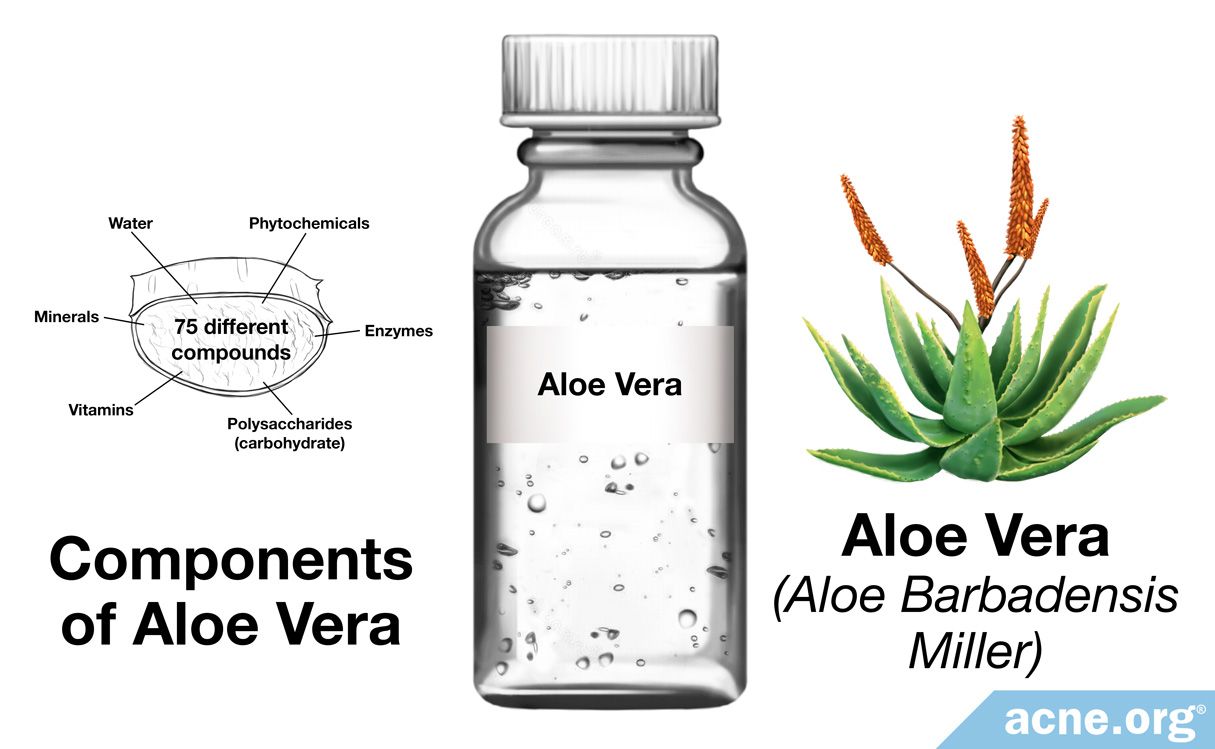
Can Aloe Help Acne?
Probably not. Aloe probably won’t help acne to a measurable degree.
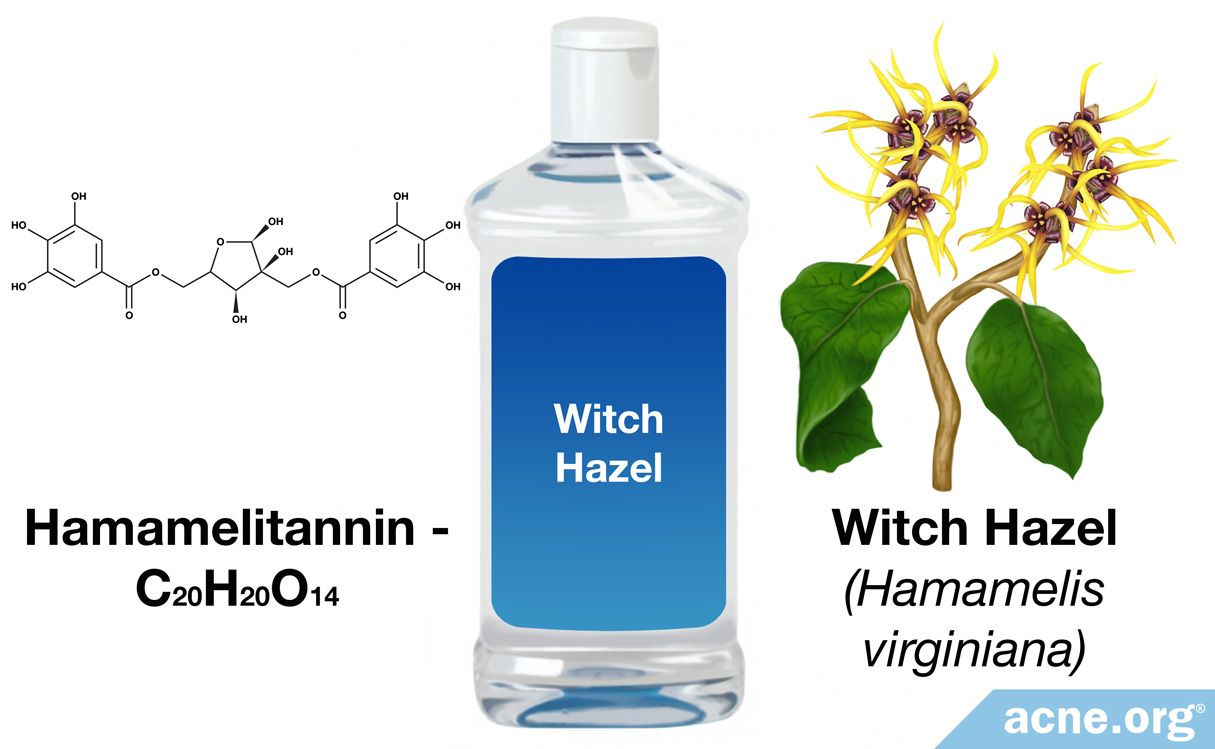
Can Witch Hazel Help Acne?
Not enough evidence. Witch hazel is mildly antibacterial and anti-inflammatory, but we don’t have enough evidence to know if it will help, and if so, how much.
Kitchen Ingredients
Many people turn to common kitchen ingredients for DIY acne treatments. Here’s what the science says about each one.
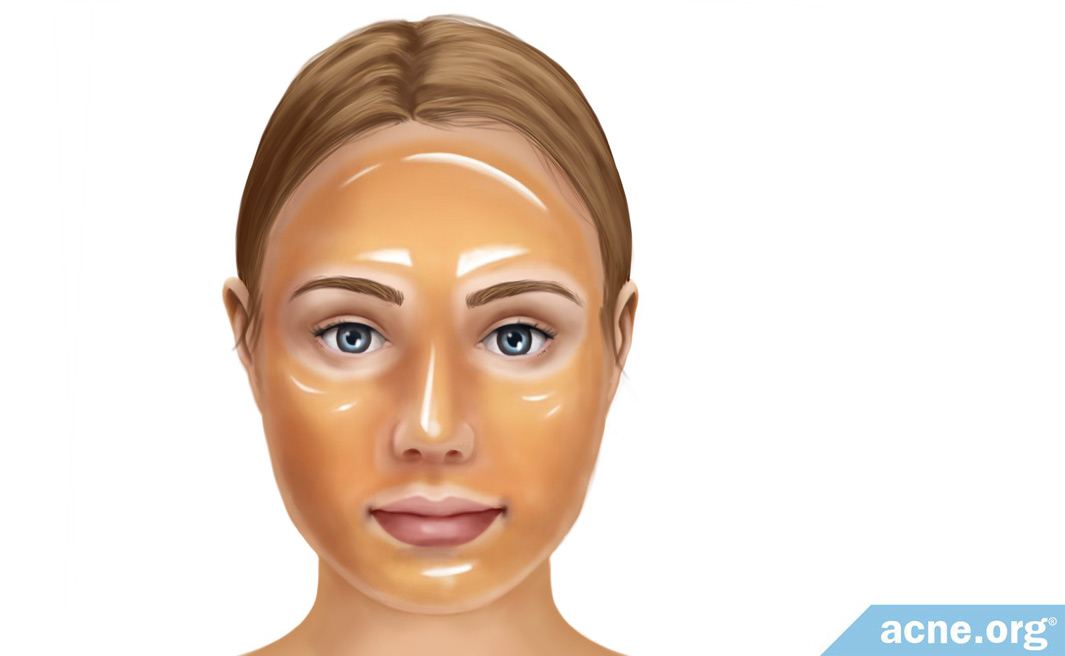
Can Honey Masks Help Clear Acne?
Limited research. It might help a bit, but don’t expect very much from honey masks.
Does Lemon Juice Clear Acne?
Some chemicals in lemon juice may help, but it can also irritate the skin.
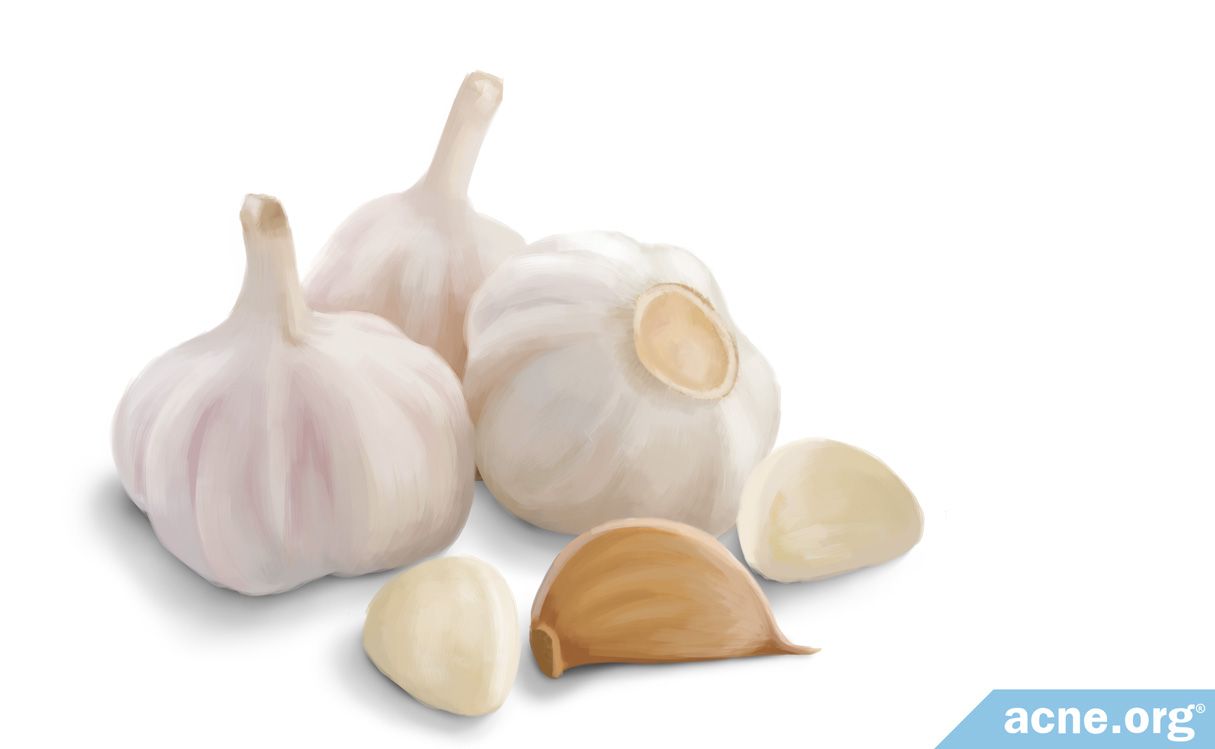
Does Garlic Help with Acne?
Proceed with caution. Some weak evidence suggests that applying garlic topically might improve acne, but be careful!
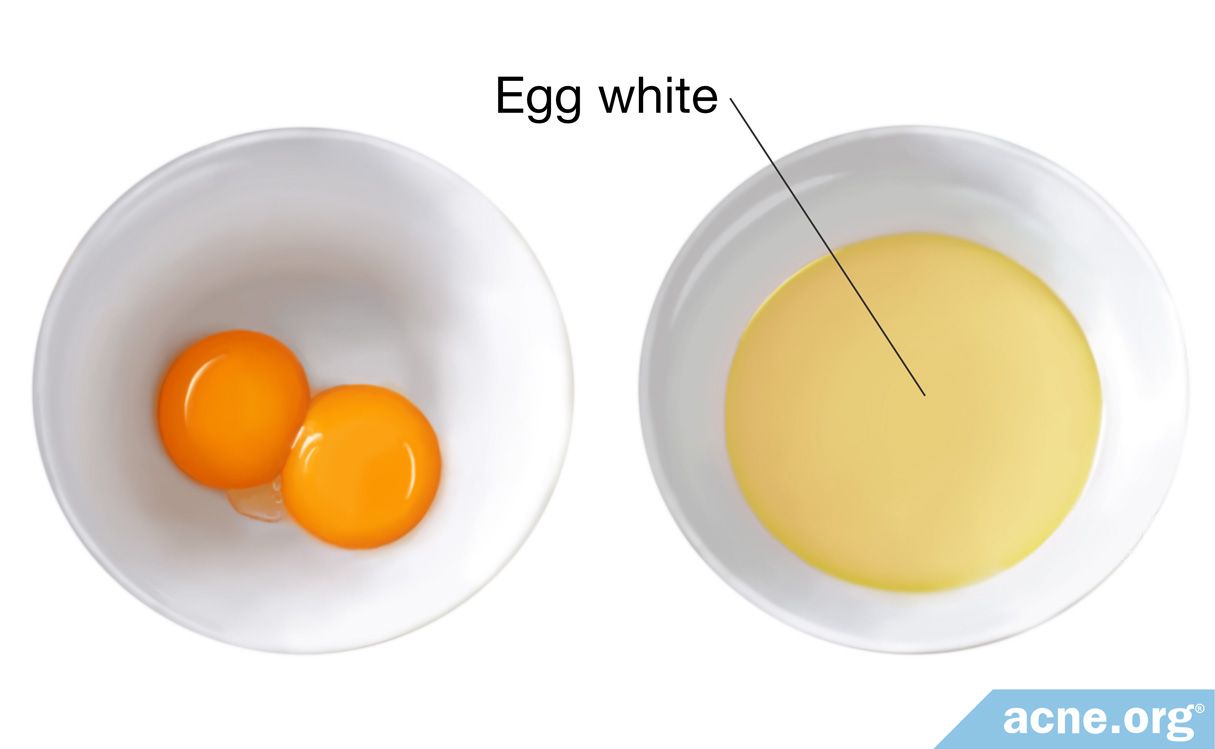
Can an Egg White Mask Help Your Acne?
Egg whites haven’t been studied for acne, but they do demonstrate medicinal properties that might affect acne. But don’t expect too much.
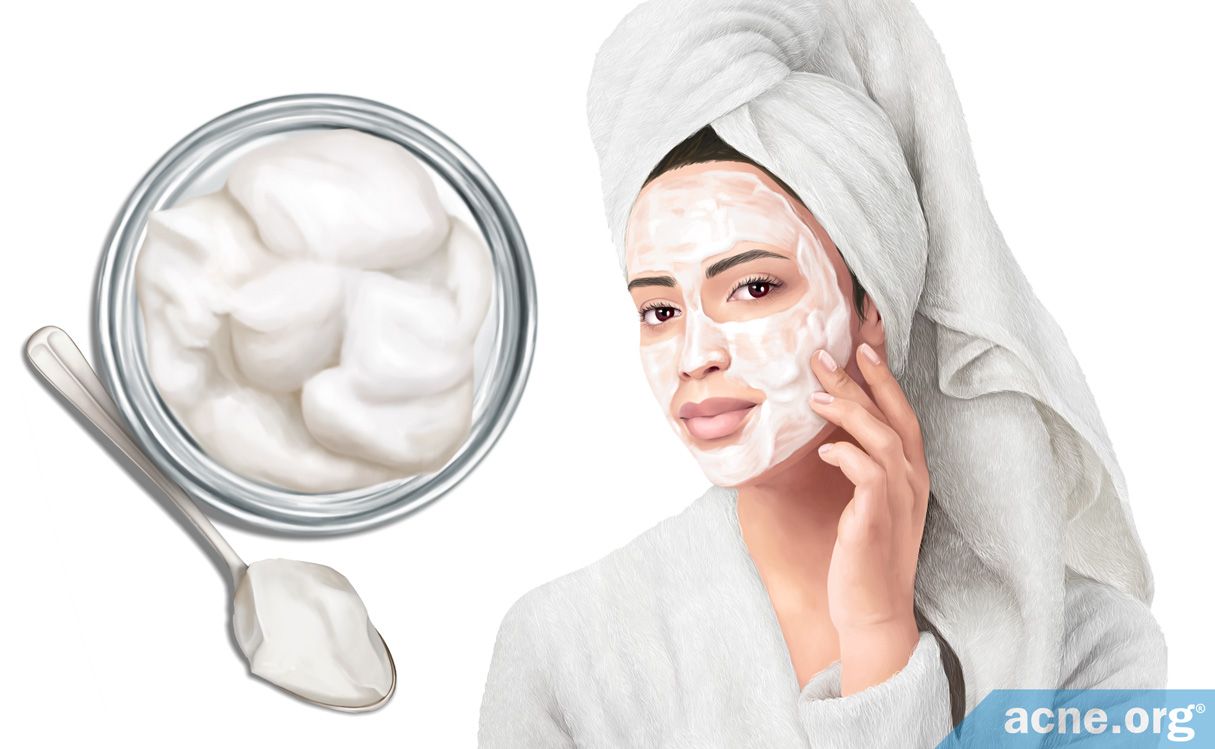
Can Applying Yogurt to the Skin Improve Acne?
Perhaps to some degree, but more research is necessary before we can recommend it. And as with other home remedies, don’t expect too much.
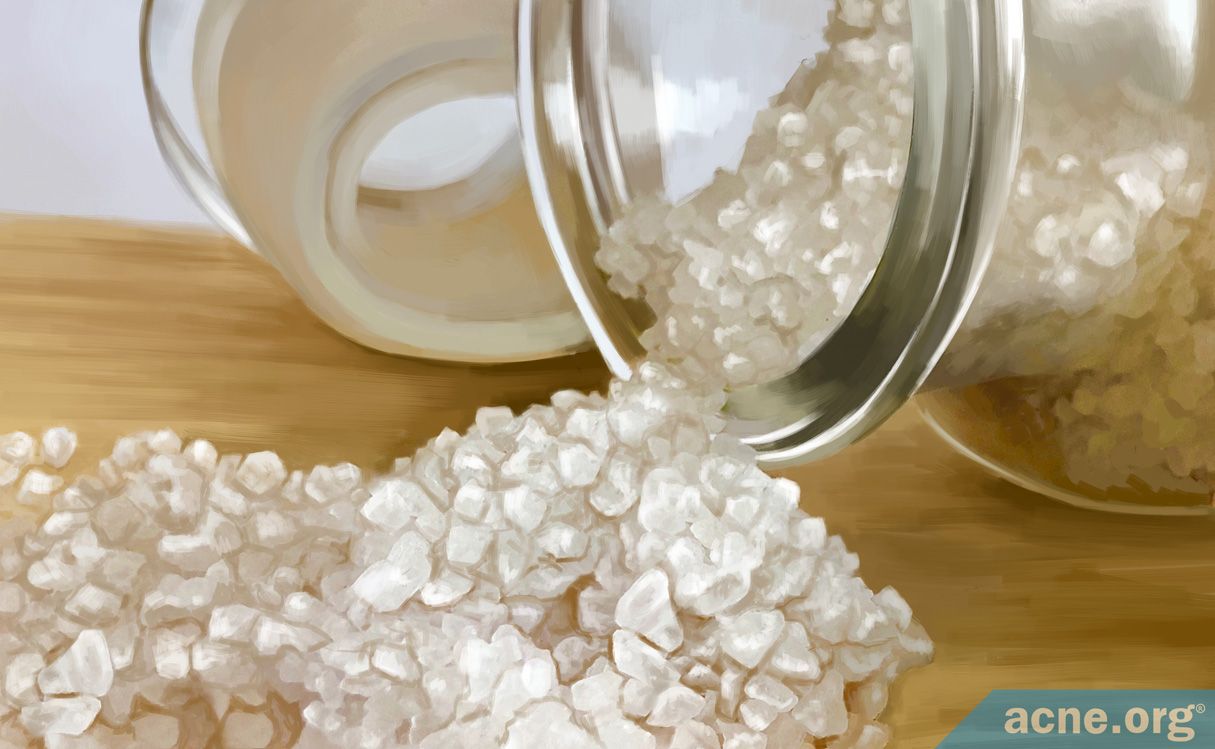
Can Topical Epsom Salt Treat Acne?
Some weak, indirect evidence suggests that it might help a bit. But again, don’t expect too much.
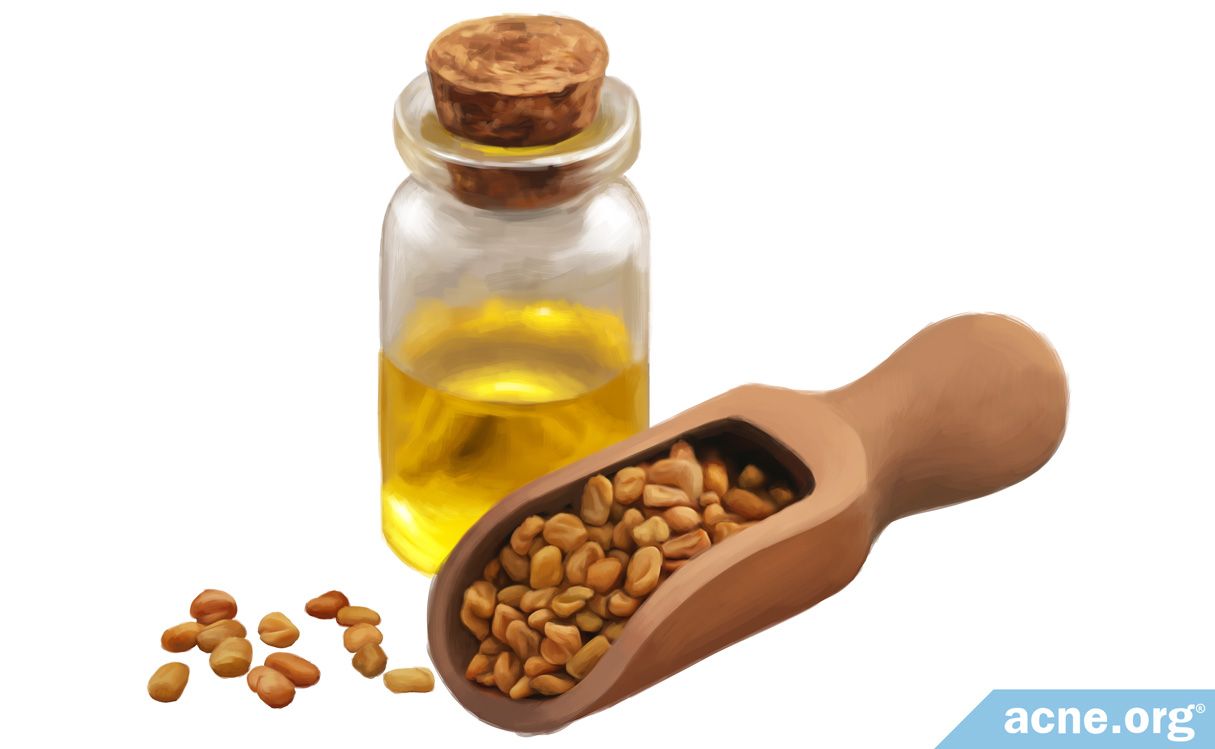
Can Fenugreek Seeds Help with Acne?
Too early to say. Fenugreek shows some promising medicinal properties in the lab but has never been tested on people with acne.
Supplements and Vitamins
Some supplements and vitamins are promoted for acne treatment. Here’s what the evidence shows.
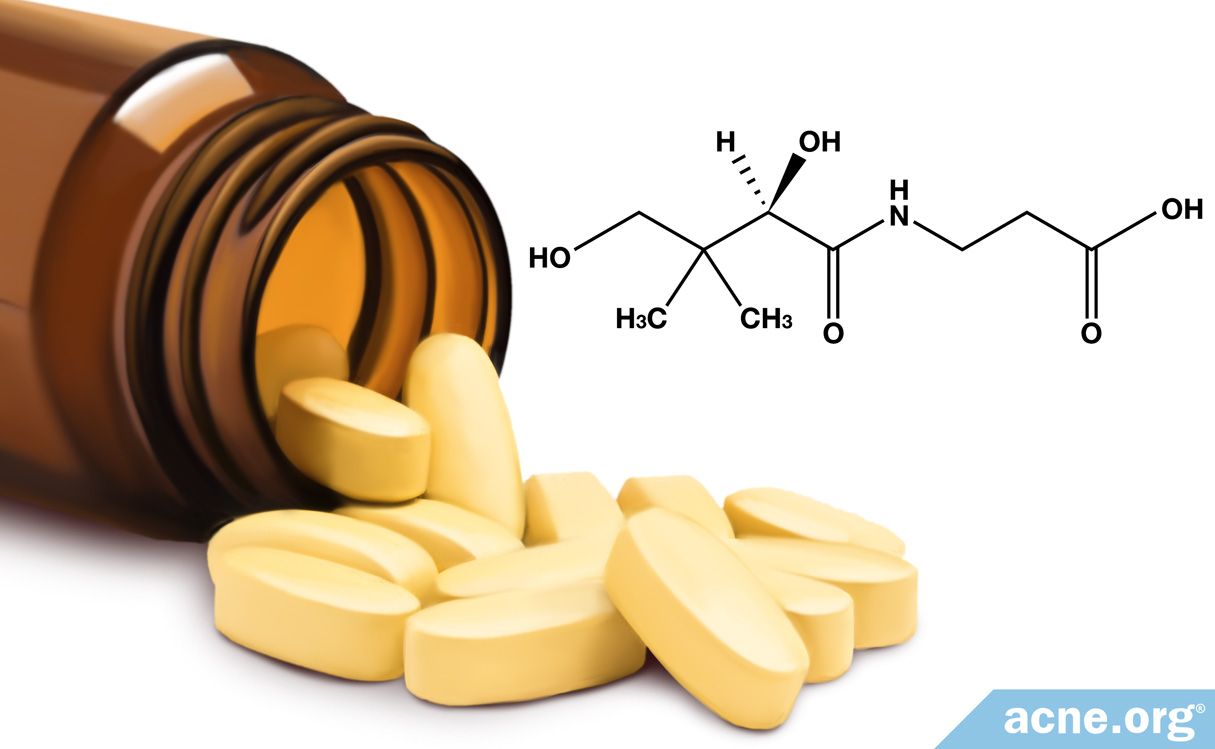
Vitamin B5 (Pantothenic Acid)
What is it and does it help? A look at vitamin B5 and its potential role in acne treatment.
Topical Apple Cider Vinegar and Acne
Apple cider vinegar may have some antibacterial and antioxidant properties, but results are limited.
Can Drinking Apple Cider Vinegar Help with Acne?
Apple cider vinegar may help moderate hormones through reducing blood sugar spikes after high glycemic food intake.
Other Topical Treatments
Various other topical treatments that people try for acne, from calamine lotion to hypochlorous acid.
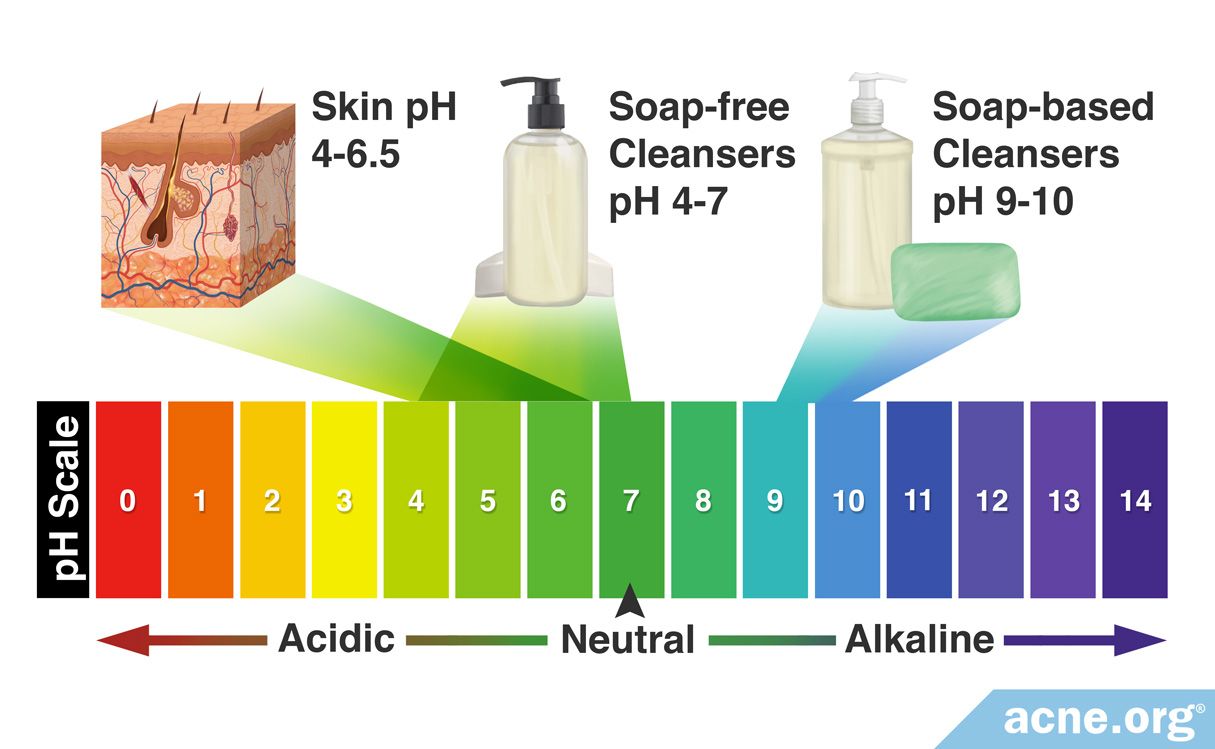
Does the pH of Your Cleanser Matter?
Yes. Choose a slightly-acidic cleanser to avoid worsening of acne.
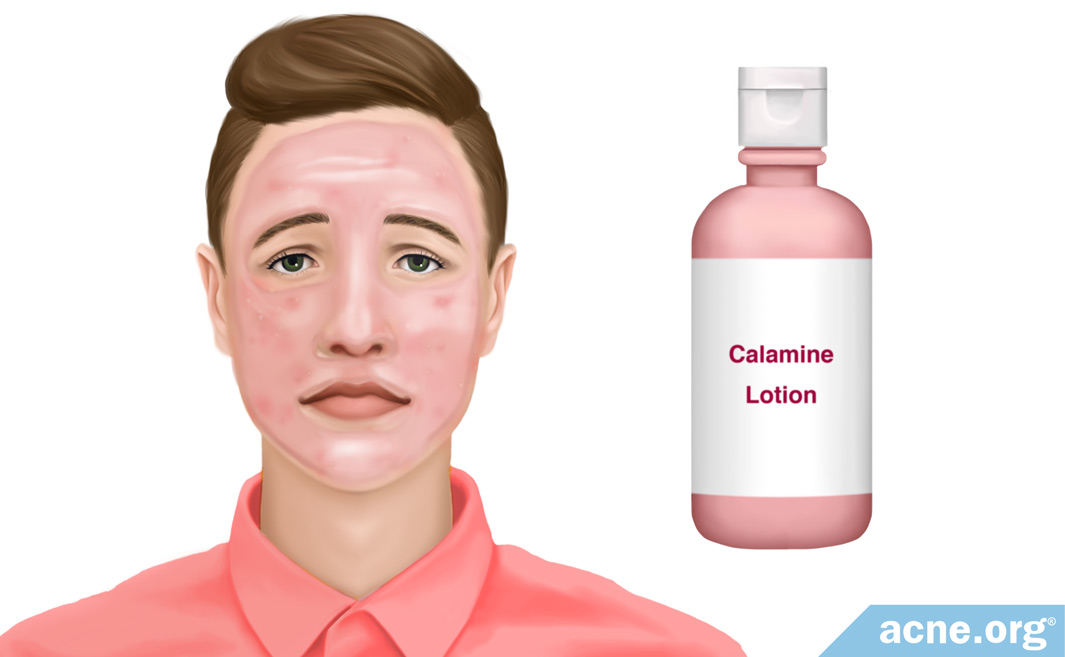
Does Calamine Lotion Clear Acne?
The zinc oxide in calamine lotion may provide some benefit, but nothing dramatic.
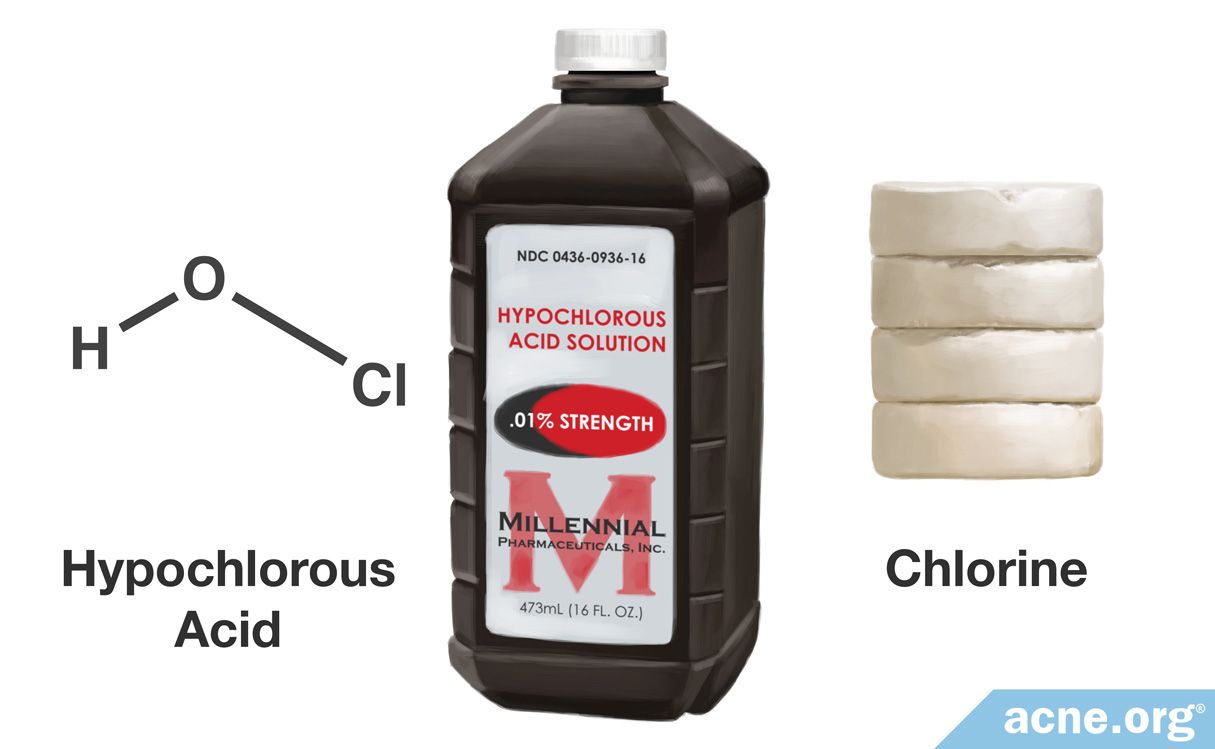
Hypochlorous Acid: What Is It, and Can It Help with Acne?
Hypochlorous acid is a disinfectant with some medicinal properties, but it’s too soon to tell if it can benefit people with acne.
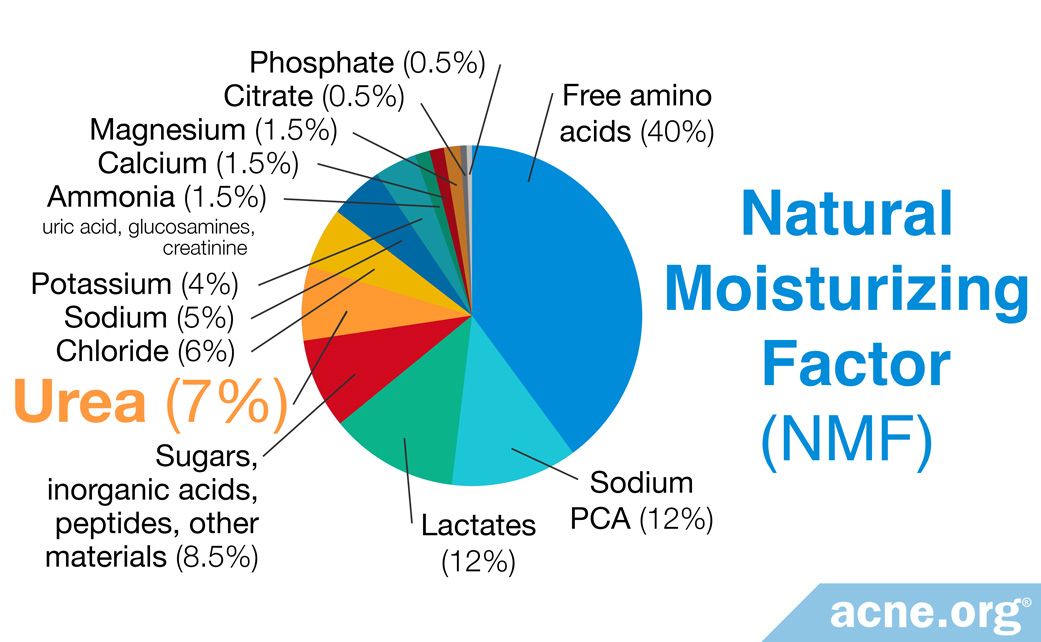
Urea and Its Role in the Skin
A moisturizing ingredient. Urea is included in many topical skincare products. It moisturizes and can strengthen the outermost layer of skin.
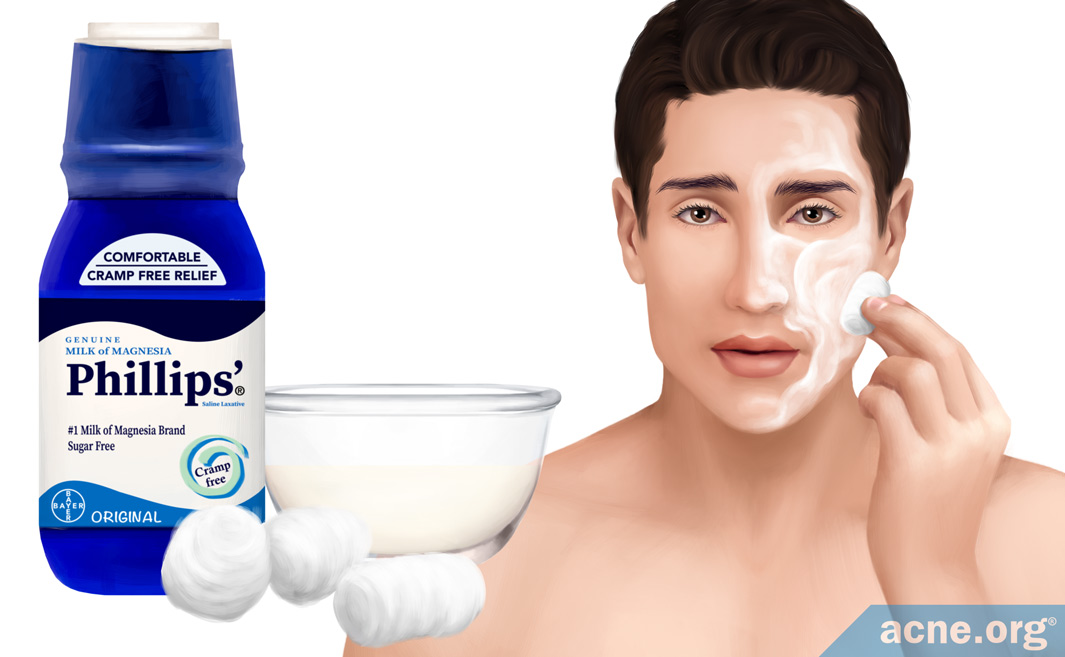
Can Milk of Magnesia Applied Topically Help with Acne?
No evidence. There is no scientific evidence that over-the-counter milk of magnesia products would help.
What to Avoid
These popular home remedies are either ineffective, potentially harmful, or both. Save your time and skip these.
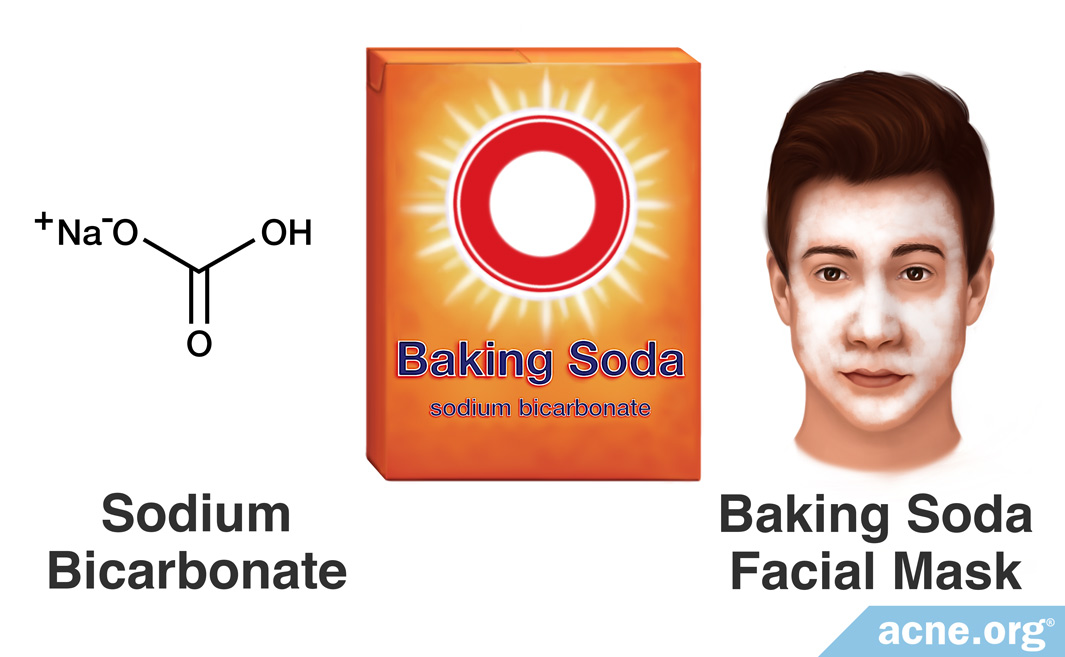
Baking Soda and Acne
It is most likely best to avoid using baking soda on acne-prone skin.
Can Applying Toothpaste to the Skin Treat Acne?
Probably not effective, and fluoride-containing toothpaste in particular may be irritating.
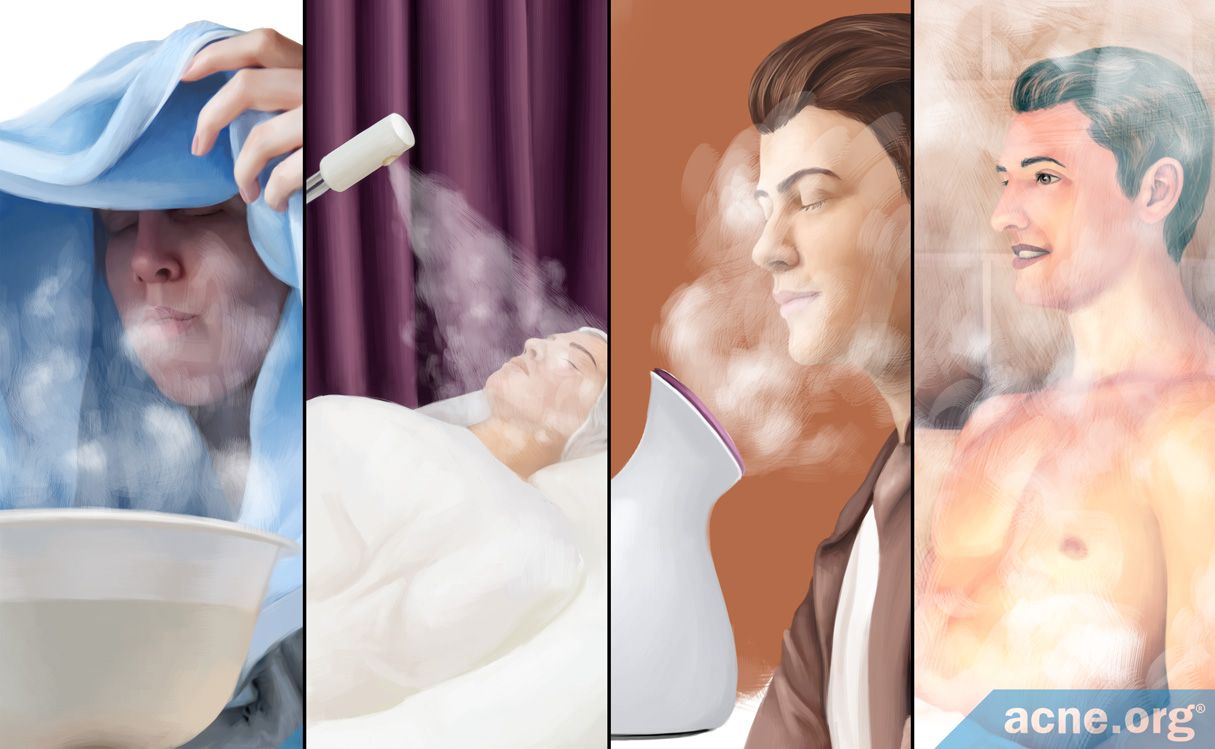
Can Steaming Your Face Help with Acne?
May make it worse. Heat and humidity often worsen acne, so steaming may do the same.
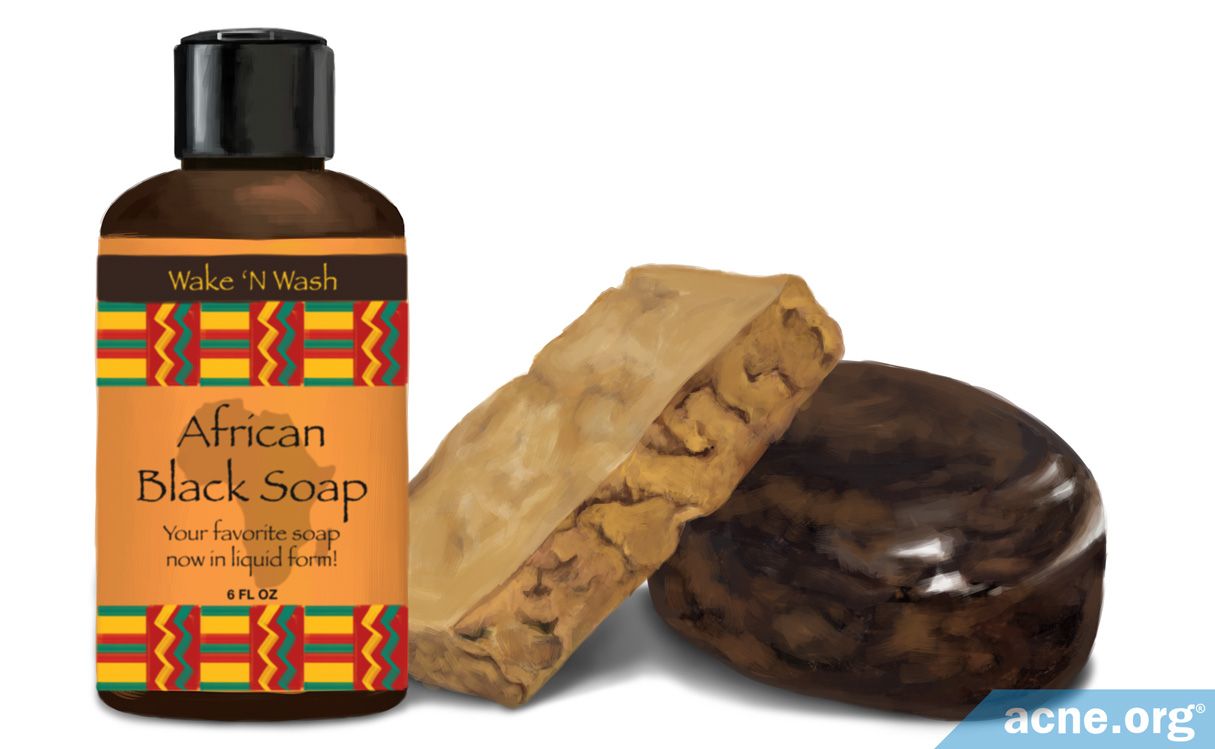
Can African Black Soap Help Acne?
There is no evidence that it could. In fact, African black soap is very similar to regular soap and should be avoided.
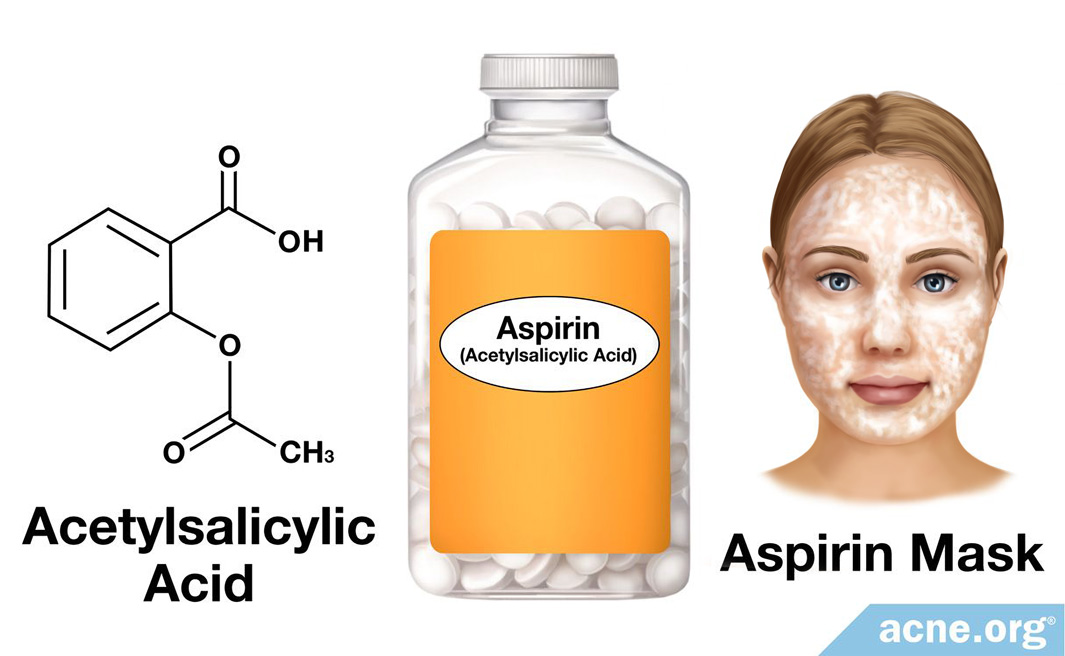
Do Aspirin Masks or Other Forms of Topical Aspirin Work to Clear Acne?
Dangerous. It can hypothetically help a bit, but is dangerous. Buy over-the-counter salicylic acid products instead.
Urine Therapy for Acne
No evidence. There is no good evidence to date to support the use of urine as an acne treatment.
What Is Homeopathy, and Does It Work?
Buyer beware. Homeopathy is an unproven form of alternative “medicine” with no scientific backing.