 Acne.org Products
Diet and Acne: The Complete Knowledge Hub (0% AI – 100% human research and writing)
The relationship between diet and acne has been debated for decades. While we still don’t have all the answers, evidence is mounting that what you eat may affect your skin.
From eating a low-glycemic diet to omega-3s and zinc supplementation, research is beginning to reveal which dietary factors might matter, and which ones are probably myths.
The information below is as science-based and thorough as possible. If you find anything inaccurate or that needs updating, please don’t hesitate to reach out.
- Diet and Acne: The Complete Knowledge Hub (0% AI – 100% human research and writing)
Understanding the Diet-Acne Connection
The scientific community still doesn’t know definitively whether diet causes acne, but evidence is mounting that what you eat may play a role.
Based on current research, eating a low-glycemic diet, supplementing with omega-3s and zinc, and perhaps drinking less milk appear to be reasonable steps.
Diet and Acne
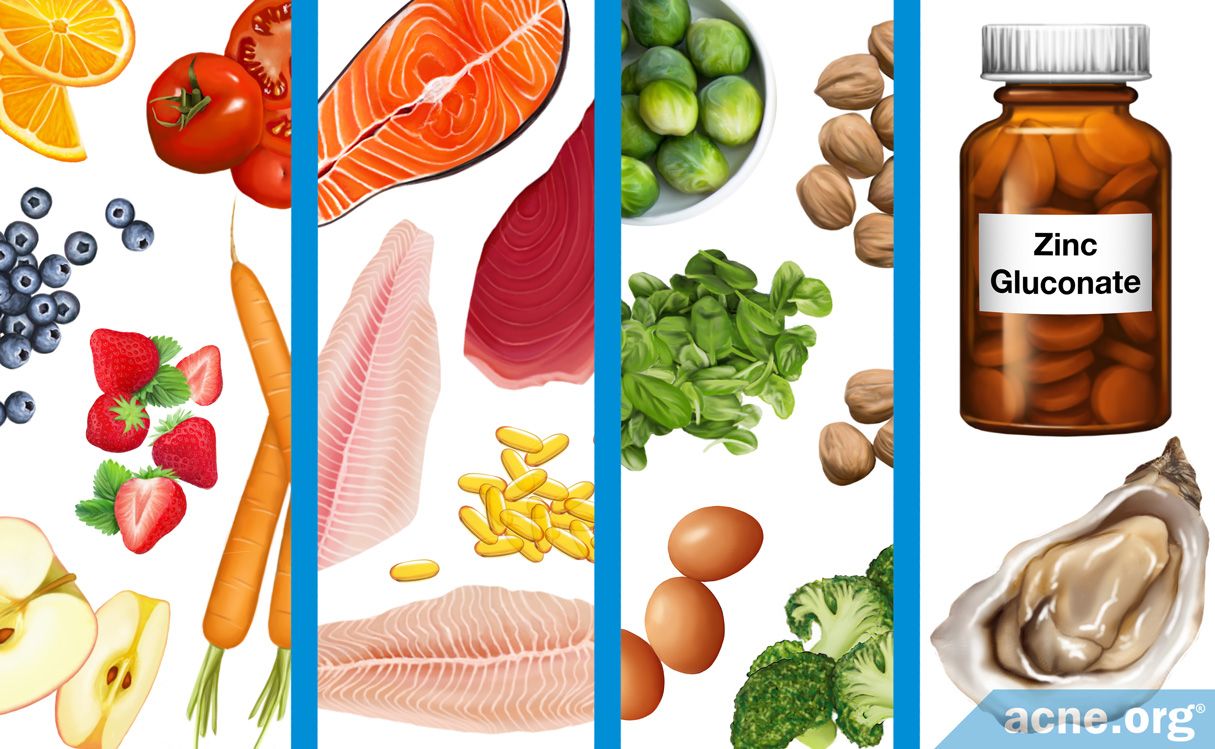
Start here. This comprehensive overview examines all the evidence on diet and acne, from dairy and glycemic load to omega-3s, zinc, and gut health.

Why Is Researching "Diet and Acne" Difficult?
Randomized controlled trials on diet are notoriously difficult to conduct. Learn why diet & acne research is challenging and how to interpret the studies we have with a bit of caution.
Glycemic Index and Blood Sugar
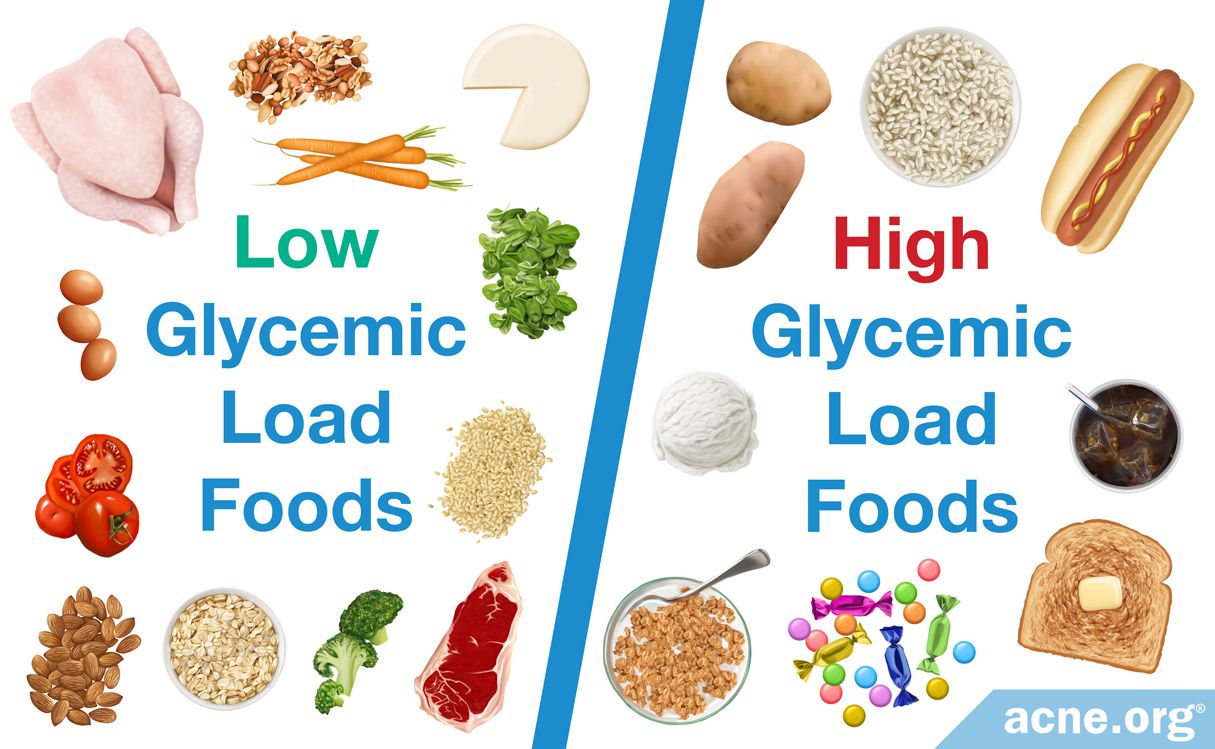
Most studies show a potential link between high-glycemic diets (processed foods and sugars) and acne. Eating foods that don’t spike your blood sugar may help keep hormones balanced and reduce breakouts.
Glycemic Load Diet and Acne
The science behind blood sugar and acne. Learn how high-glycemic foods may trigger hormonal cascades that lead to breakouts, and why a low-glycemic diet might help.
Tips on How to Eat Low Glycemic
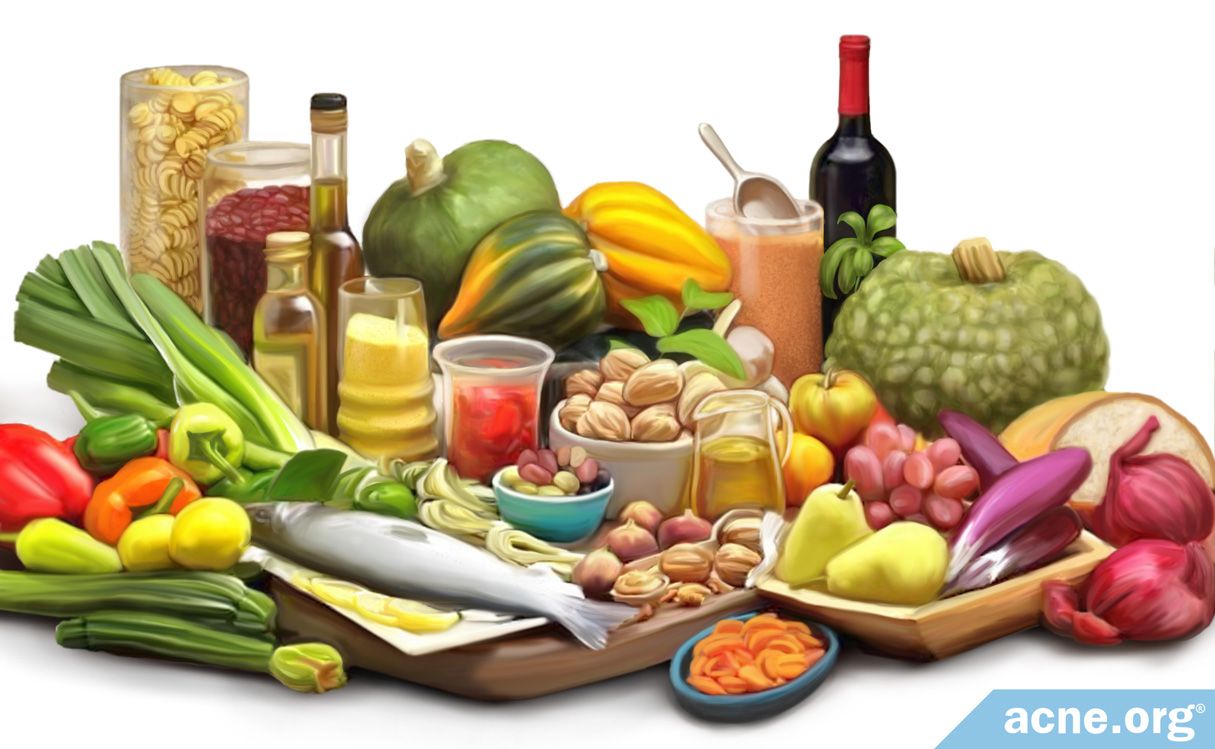
Practical guidance. Eat more whole vegetables, meats, beans, and nuts. Eat less white bread, white rice, soda, candy, and processed foods.
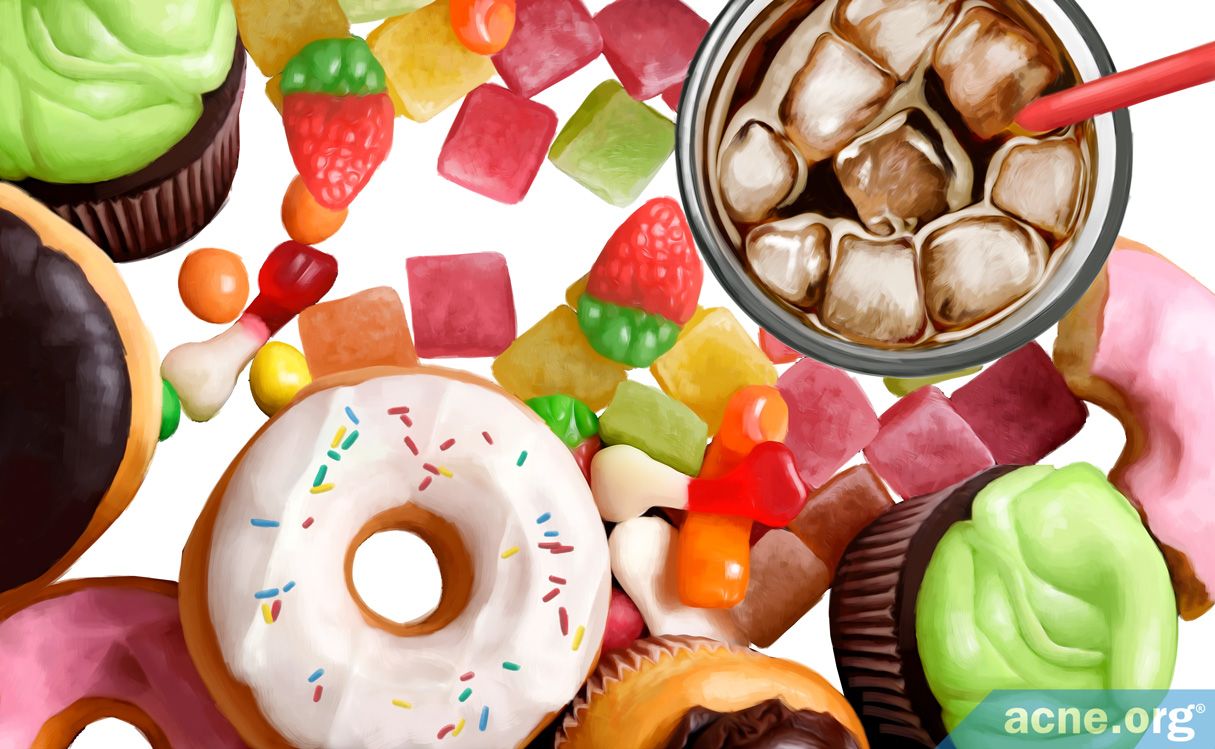
Do Sugary Foods and Drinks Cause Acne?
Here’s why sugary foods and drinks may not be ideal for acne.
Dairy and Acne
Evidence is mounting that milk may have a weak connection to acne, possibly due to the hormones it contains. However, from the evidence we currently have, cheese and yogurt don’t appear to have the same effect.
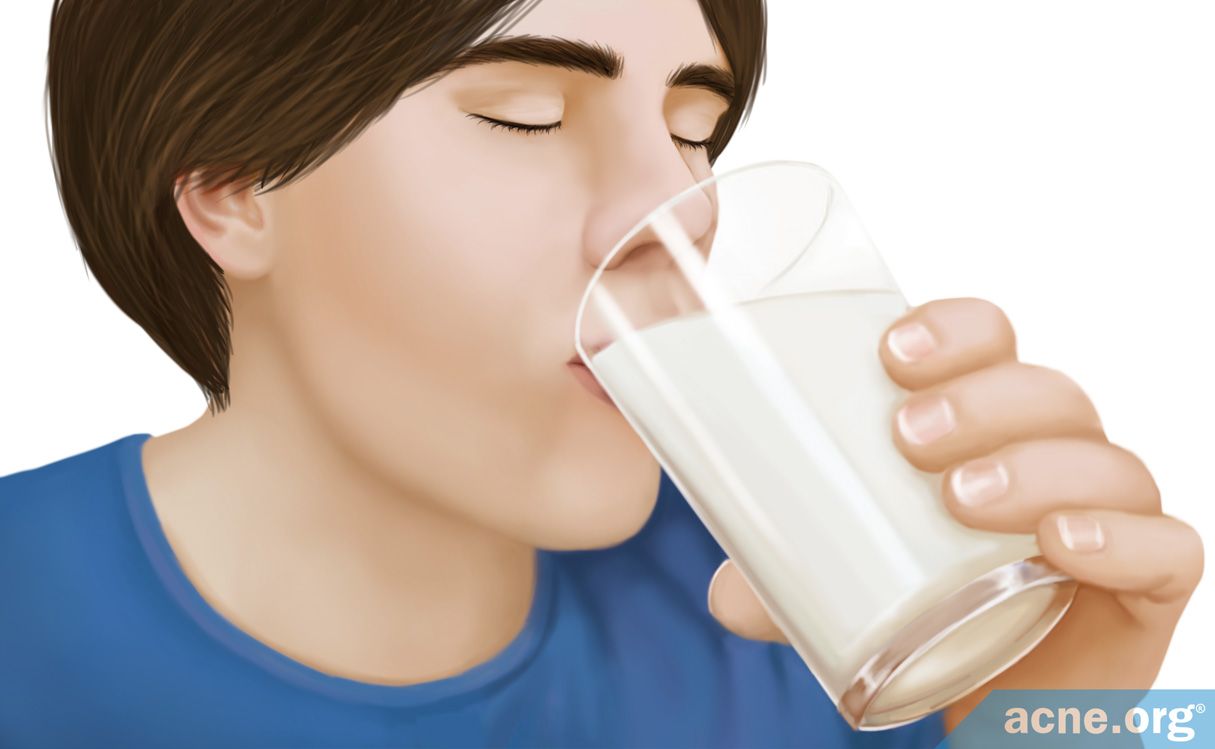
The Tenuous Relationship Between Dairy and Acne
Milk vs. other dairy. Most evidence points toward a possible association between milk and acne, but not cheese, and probably not yogurt. We need more good research on this to know for sure.
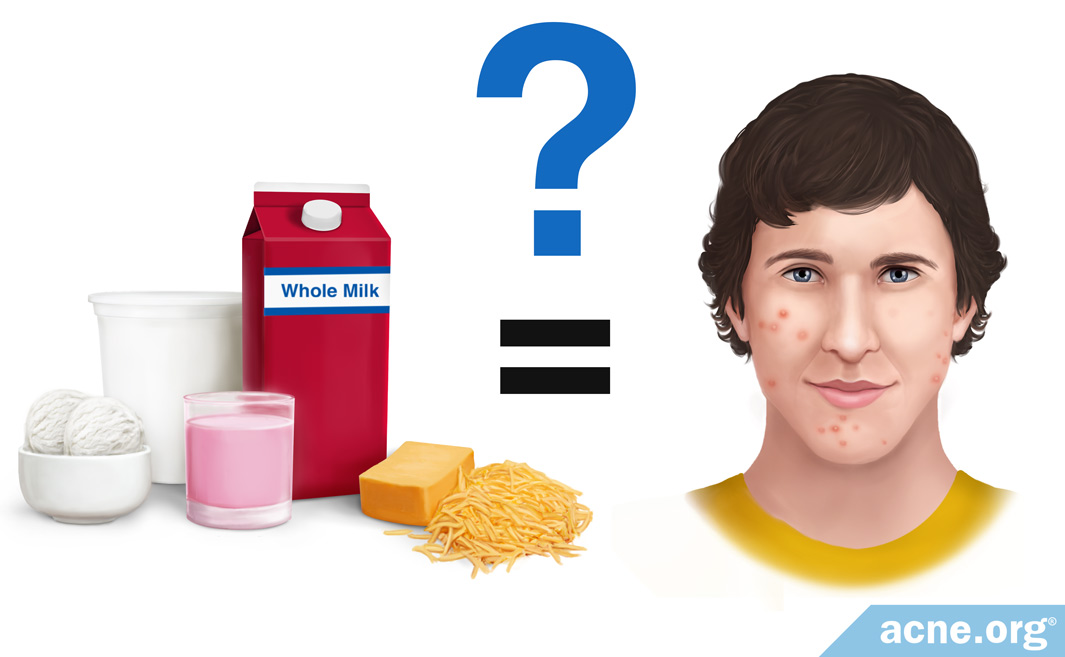
Does Lactose Intolerance Relate to Acne?
I’ve always wondered about this myself so I figured I’d do an article on it. We don’t know enough yet to draw a conclusion, but the science is interesting to contemplate.
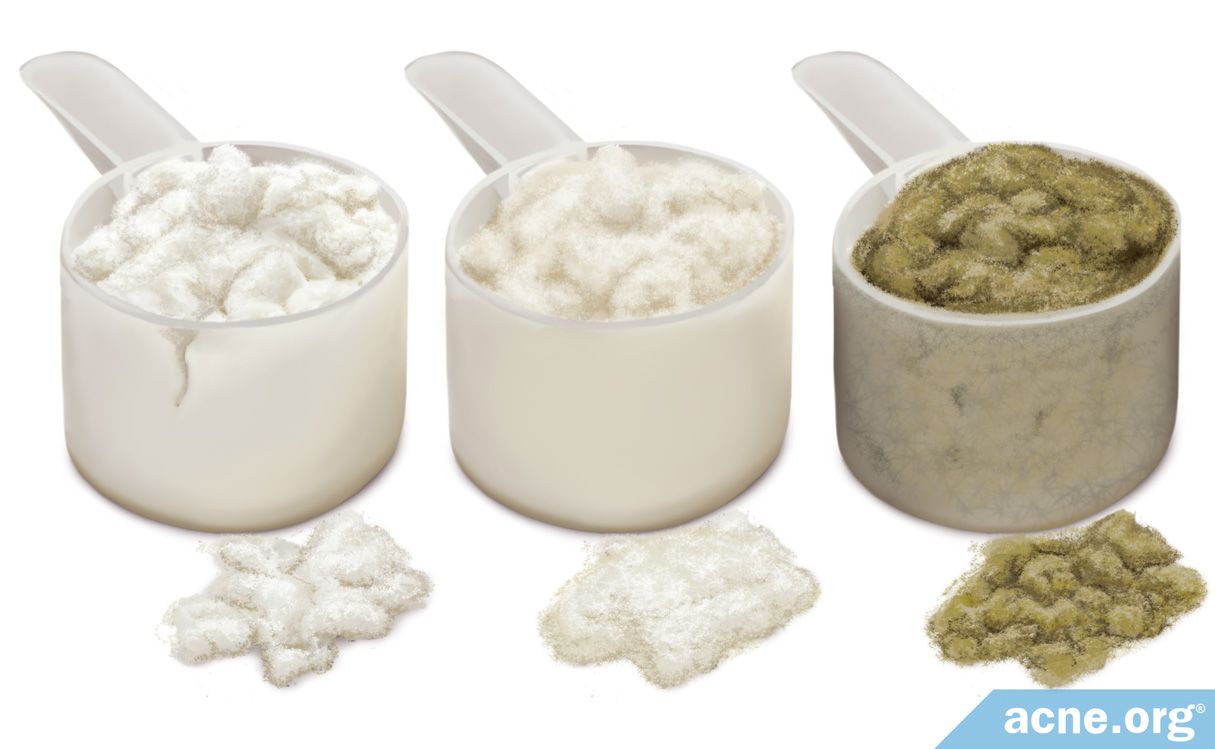
Can Protein Shakes Cause Acne?
The calories in protein shakes may increase acne. But what about whey protein, which is derived from milk? Could it be a factor?
Omega-3 Fatty Acids
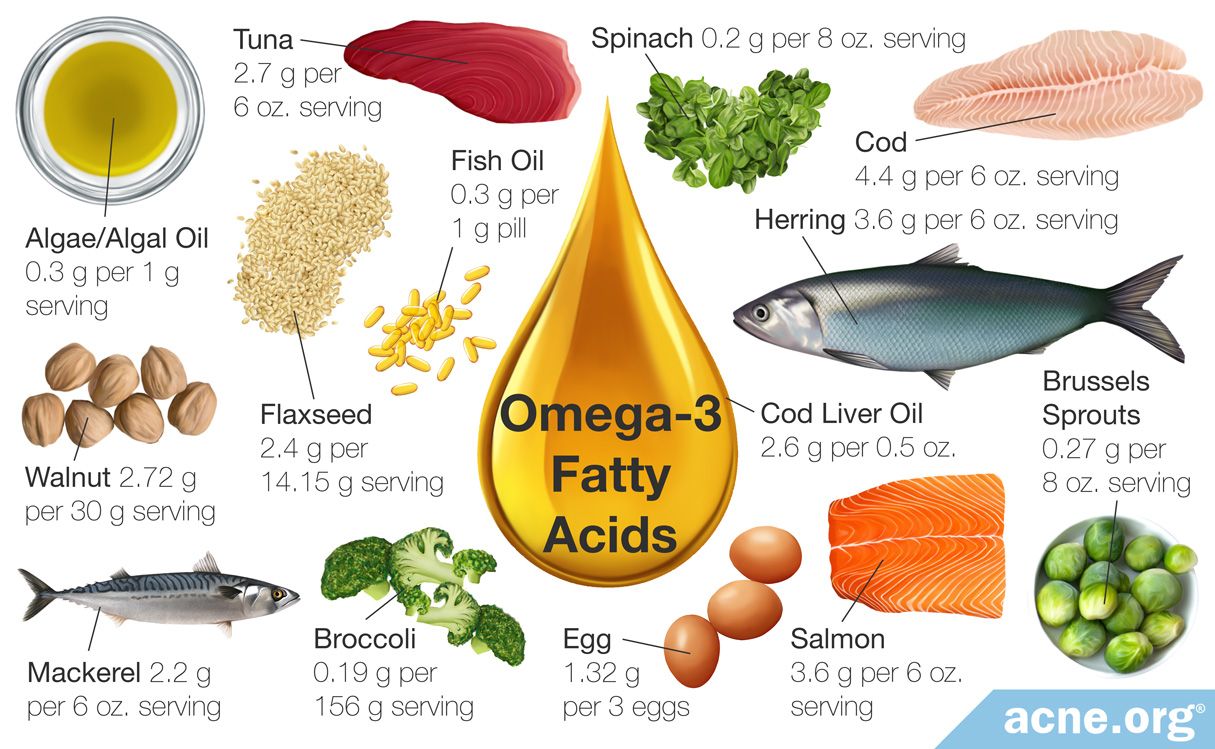
Omega-3 fats have anti-inflammatory properties and may help combat acne. Most people in Western societies don’t get enough omega-3s, making supplementation a reasonable option.
Omega-3 Fatty Acids and Acne
In the best case, omega-3s might help reduce acne symptoms, and in the worst case, it’s still good for you in many other ways.
How to Get Enough Omega-3 In Your Diet
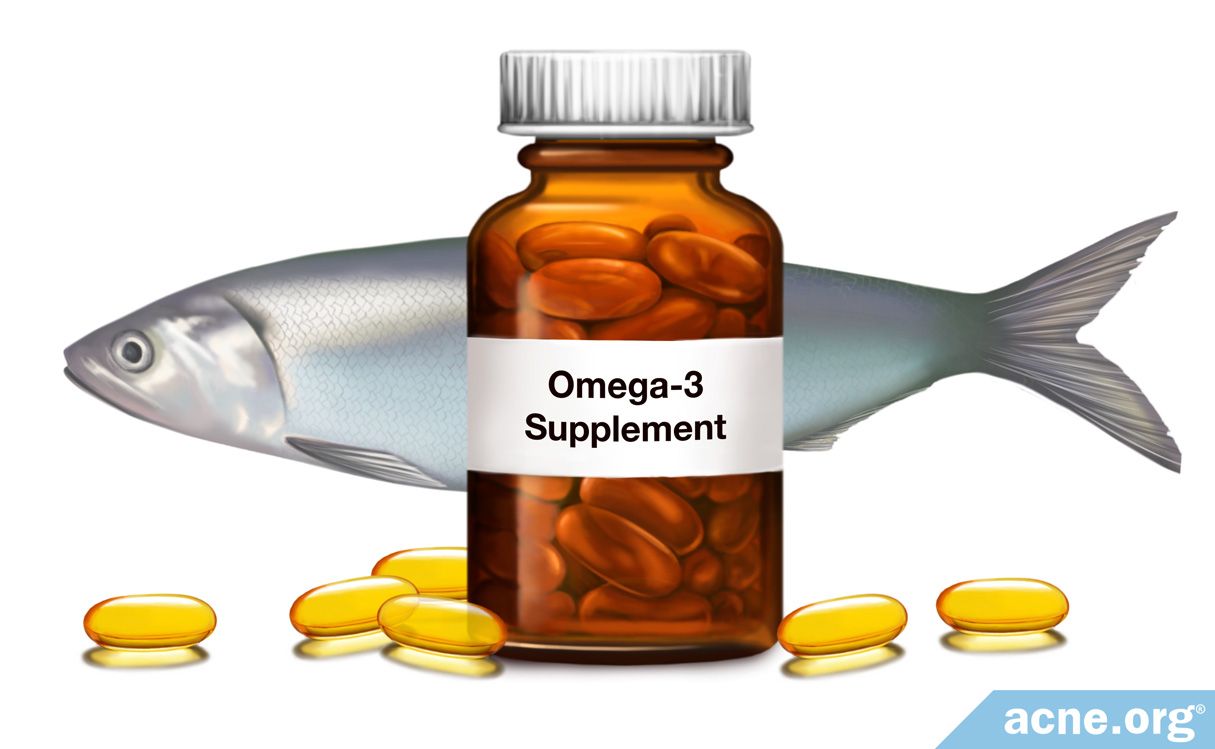
Wild, fatty, cold-water fish is a good source, and so are fish oil pills. For vegetarians, micro-algae supplements are an option.
Is It Possible to Take Too Much Omega-3 Fatty Acids?
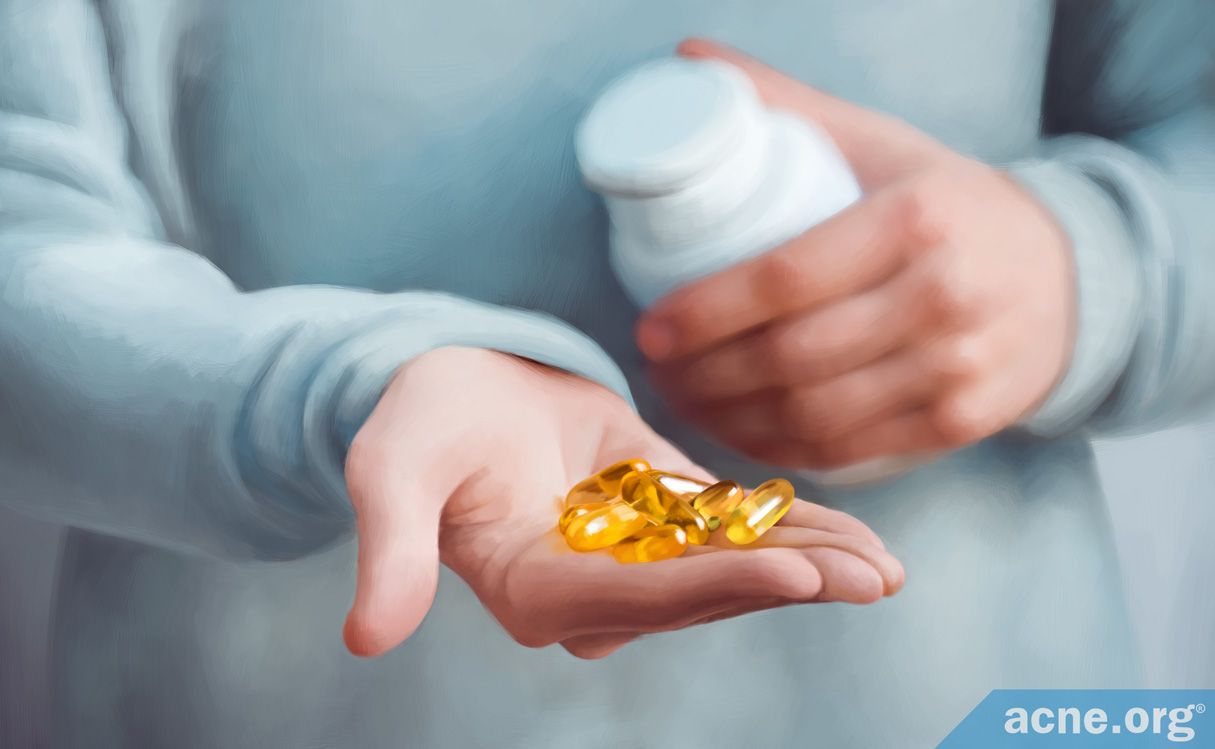
People who take omega-3 supplements should not take more than 2,000 mg per day. That’s equivalent to about 6 average fish oil pills.
Gut Health and Probiotics
The “gut-brain-skin axis” theory suggests that the balance of bacteria in your gut may affect your skin. While research is ongoing, probiotics show some promise.
The Role of Good Bacteria in the Gut
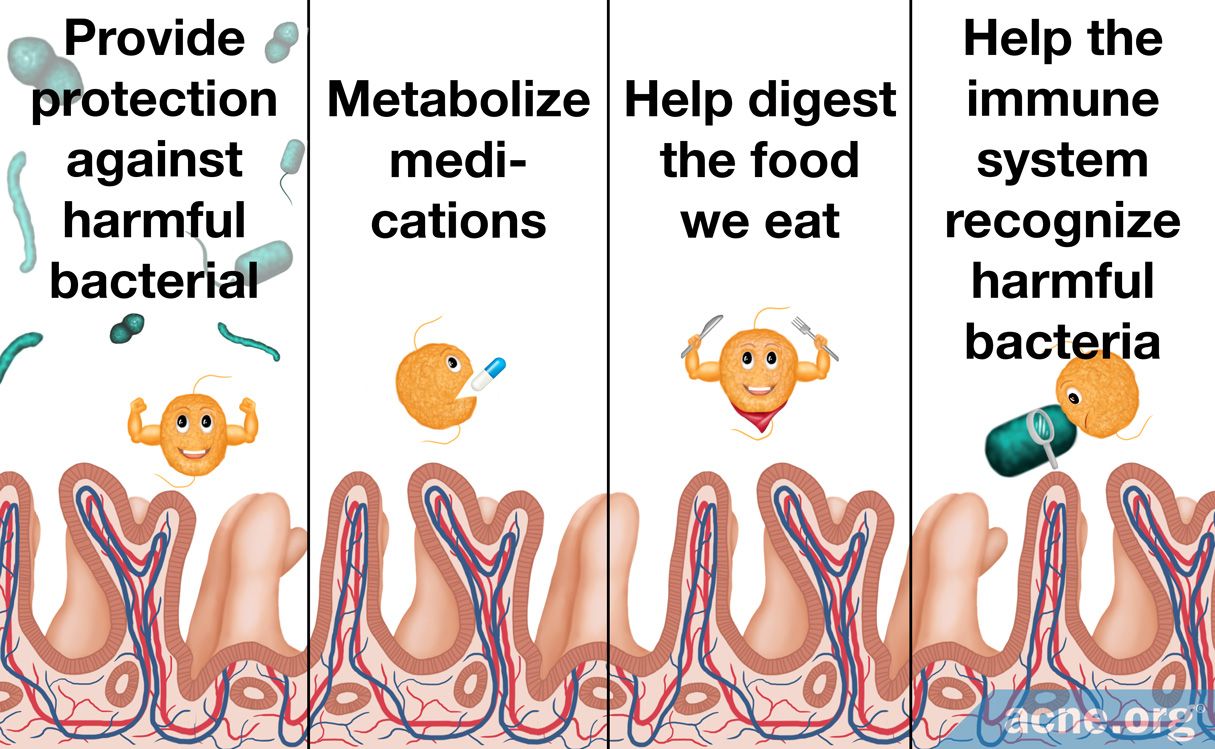
Good bacteria in our guts keep us healthy, and taking antibiotics kills good bacteria, which may have implications for skin health and acne.
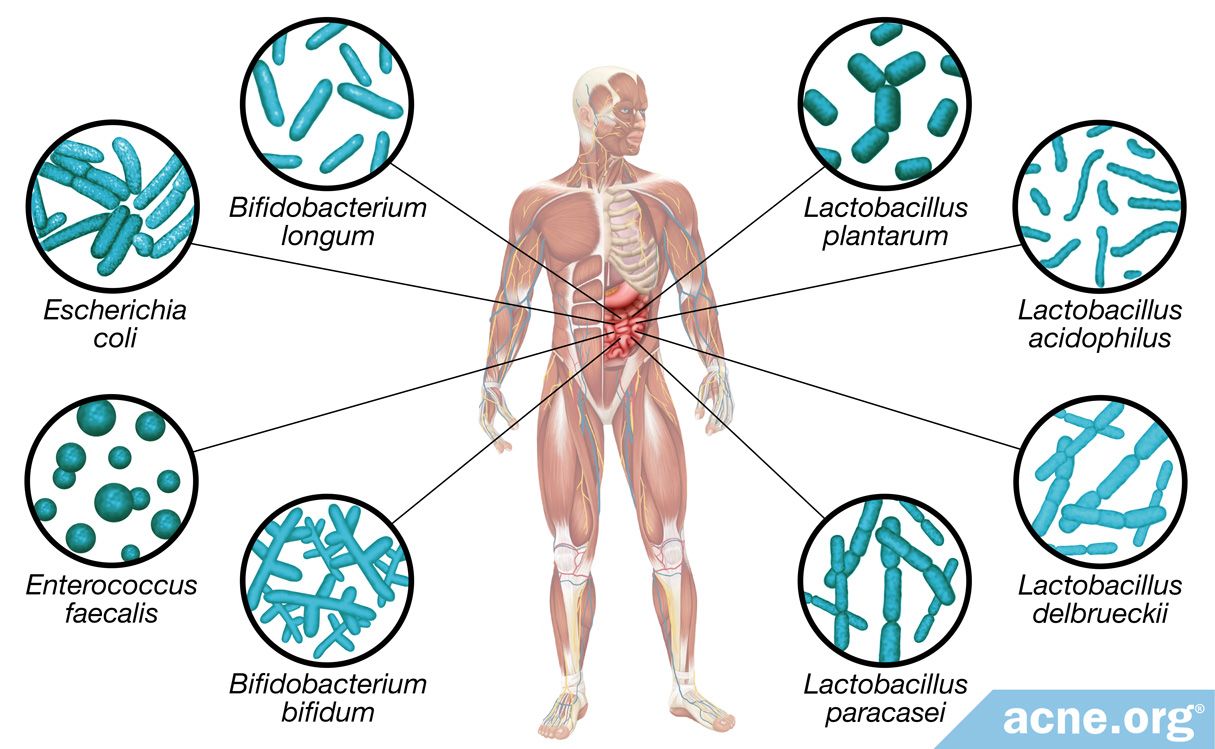
Do Probiotics Clear Acne?
Do probiotics have a positive effect on gut bacteria balance and, in turn, help acne? Research is trickling in.
Specific Foods and Acne
What about chocolate? Pizza? Greasy foods? Here’s what the research actually says about specific foods you might be wondering about.
Chocolate, Sugar, and Sweets
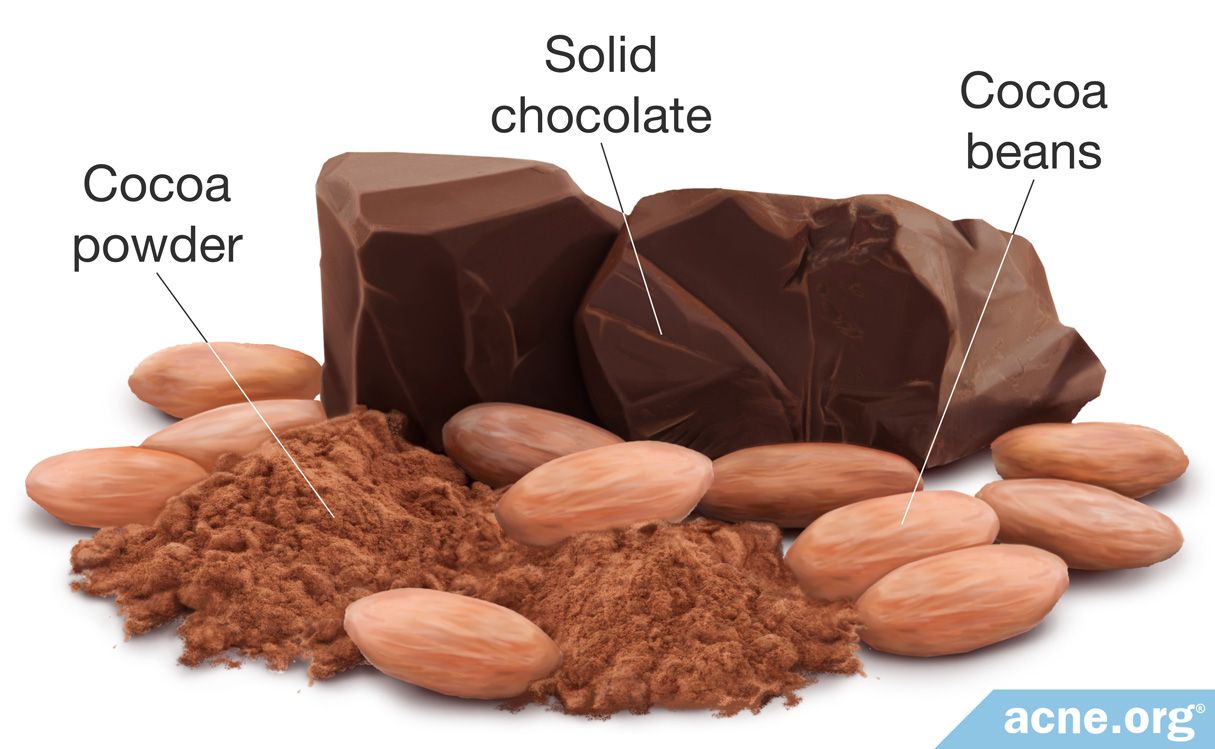
Chocolate and Acne
We now have over 10 studies, and most of them point toward a connection. However, the study design of all of these studies is sub-optimal, so we still don’t know for sure.
Fatty and Oily Foods

How Fatty Foods Affect Acne
Currently, there is no evidence that fatty or oily foods cause or worsen acne.

Is Pizza Bad for Acne?
Follow these suggestions to enjoy pizza when you have acne.
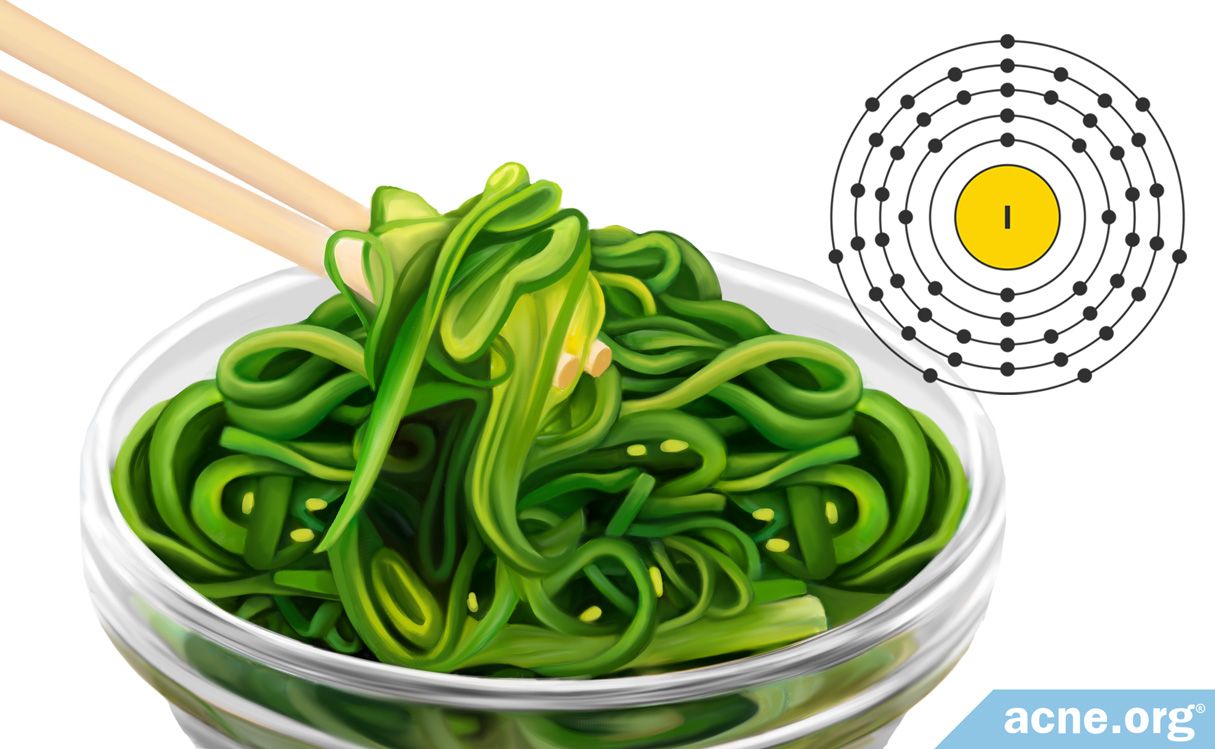
Vitamins, Minerals, and Supplements
Zinc has the most evidence pointing toward a beneficial effect on acne, however, vitamin D may also be important.
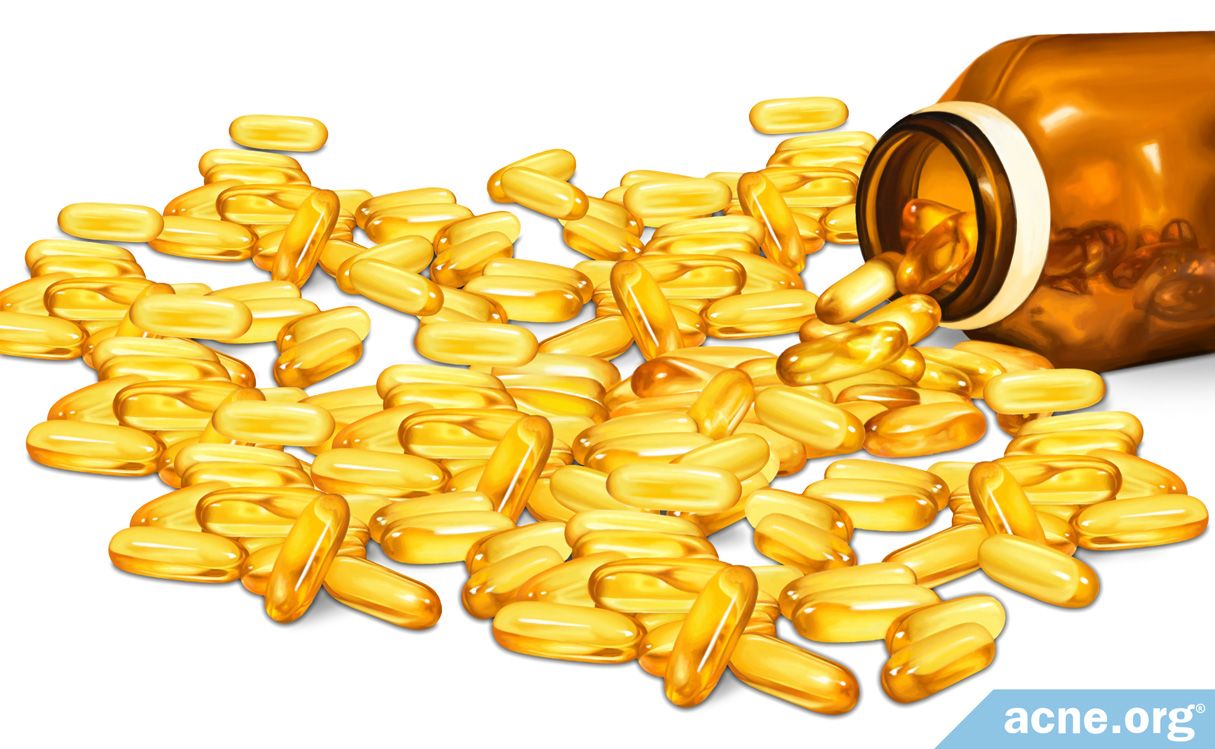
Oral Vitamin D: How Much Is Too Much?
Because vitamin D is fat soluble, it builds up in the body. That’s why it’s important not to overdo it.
Calories, Weight, and Hydration
Does eating more lead to more breakouts? Does being overweight affect acne? What about staying hydrated? Here’s what the evidence shows.

Caloric Intake and Acne
Suddenly ingesting more calories may lead to a hormone spike and resulting acne.

Does Being Overweight or Obese Make You More Likely to Develop Acne?
Overweight or obese females may be more likely to develop acne, but the evidence for males remains contradictory.

Will Staying Hydrated Help Keep Your Skin Clear?
Probably not. There is no evidence that drinking a lot of fluids affects acne one way or the other.
Practical Eating Tips
Want to know what to actually eat? These articles provide actionable guidance on building an acne-friendly diet.
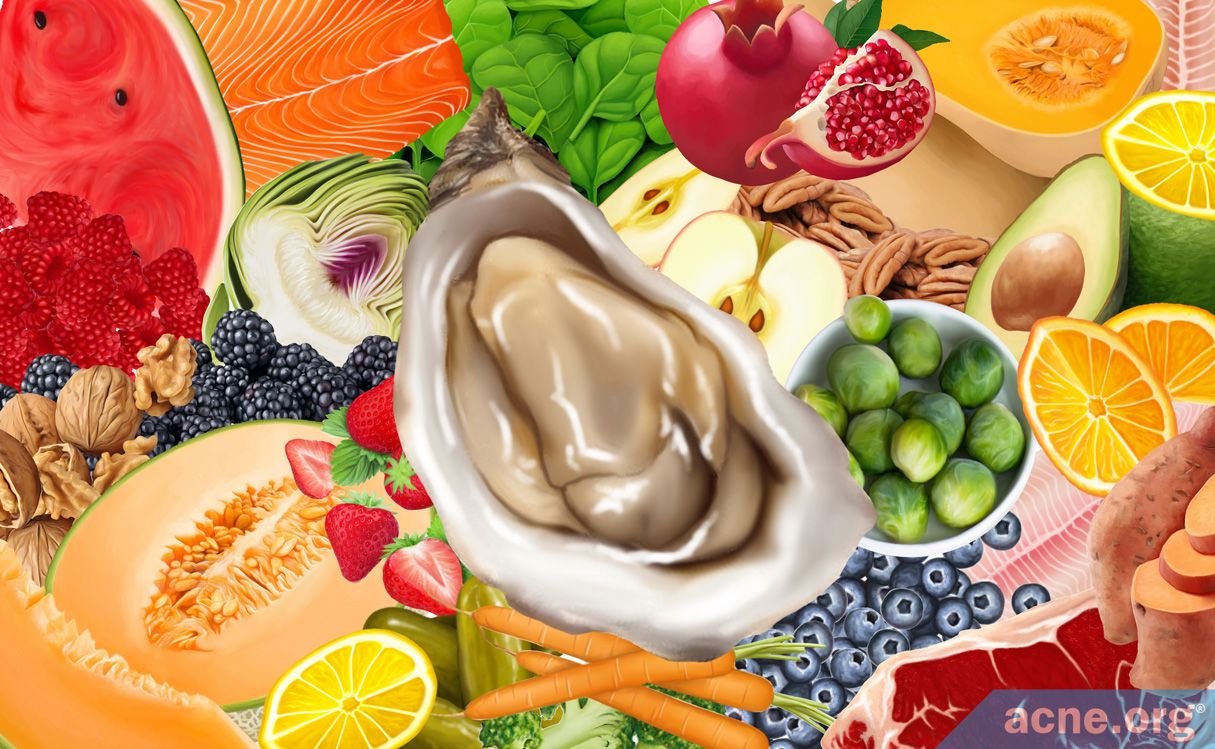
What Are the Best Foods for People with Acne?
Low-glycemic foods, as well as foods high in antioxidants, zinc, and omega-3s might help. The top food: Oysters!
The Bigger Picture
How did our ancestors eat, and why don’t some populations experience acne at all? These articles zoom out to look at the broader context of diet and skin health.
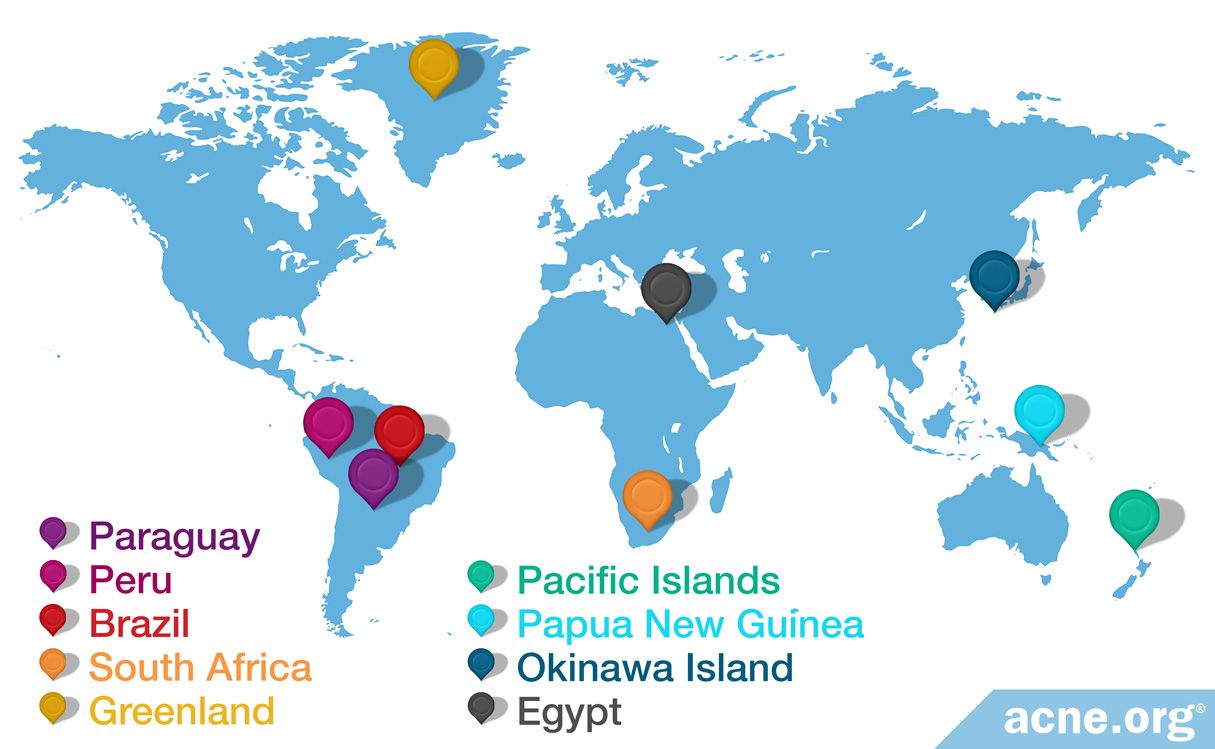
Why Don't Hunter-gatherers Have Acne?
A fascinating question. Genetics may play a role, but lifestyle, including diet, is likely to be a factor.