 Acne.org Products
Skin Science: The Complete Knowledge Hub (0% AI – 100% human research and writing)
Understanding your skin at a deeper level—its structure, functions, and the biological processes that can lead to acne—empowers you to make better decisions about treatment and prevention.
This collection explores the science of skin: from basic anatomy to the complex cellular mechanisms behind acne development, healing, and even the evolutionary theories about why acne exists in the first place.
I’ve been researching acne for decades now along with my team of MDs and PhDs, and you can see that information organized into accessible categories below. The information is as science-based and thorough as possible. If you find anything inaccurate or that needs updating, please don’t hesitate to reach out.
Understanding Your Skin
Before diving into how acne develops, it helps to understand the organ where it all happens. Your skin is the largest organ of your body, with complex structures and functions that influence whether acne develops and how severe it becomes.
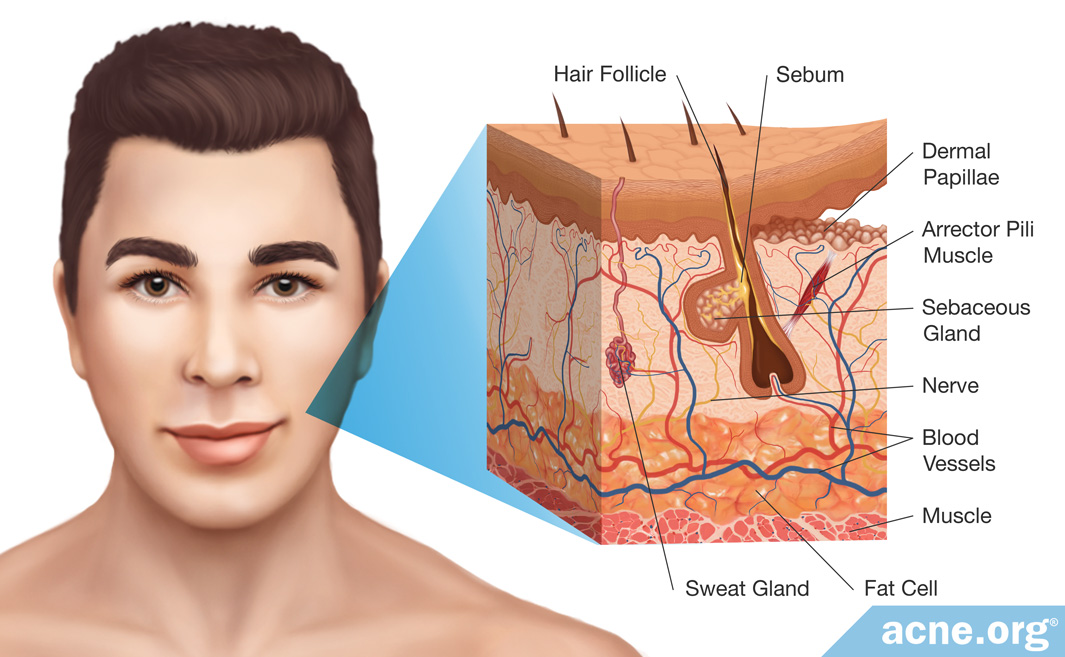
Human Skin: Basic Anatomy and Functions
Start here. The skin is the largest organ of the human body and carries out several vital functions. Understanding its three layers—epidermis, dermis, and hypodermis—provides the foundation for understanding acne.
How Acne Develops at the Cellular Level
Acne is a complex process involving multiple cellular mechanisms. Modern research has revealed that inflammation, abnormal skin cell growth, and bacterial activity all play interconnected roles in how acne lesions form and progress.
Inflammation
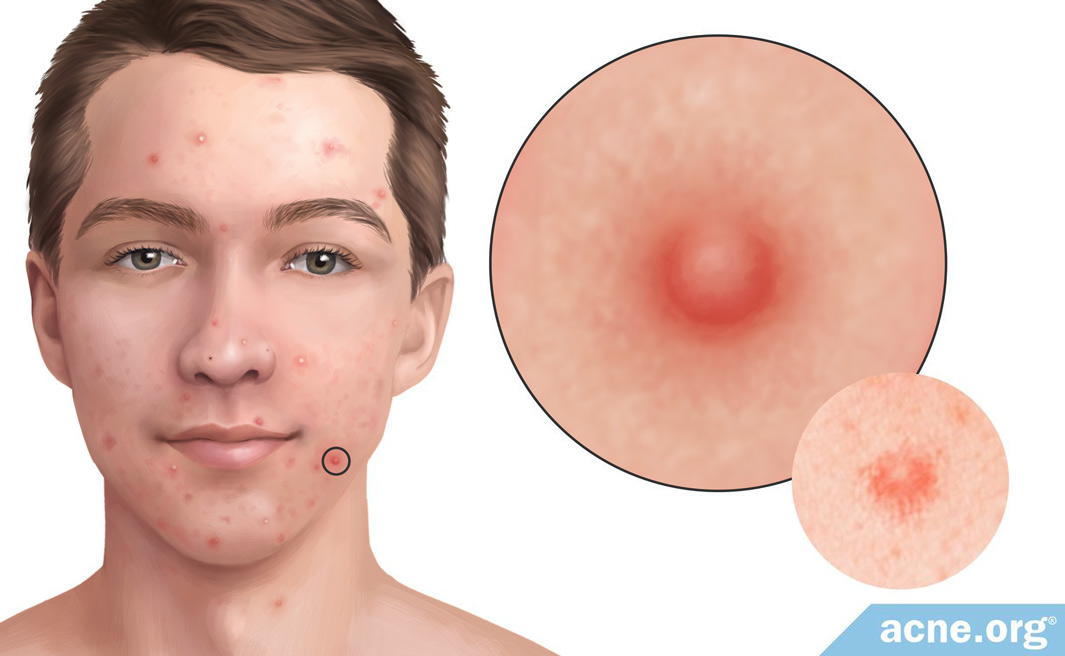
The Role of Inflammation in the Development of Acne
Inflammation plays a central role in all stages of acne development. Modern research shows that inflammation is present even before visible acne lesions form, leading to acne’s reclassification as a chronic inflammatory disease.
Skin Cell Behavior

The Role of Skin Cell Overgrowth (Hyperkeratinization) in Acne
Increases in the amount of skin cells and skin proteins may lead to clogged pores. This article explores how keratinocyte overgrowth and keratin accumulation contribute to the initial stages of acne formation.
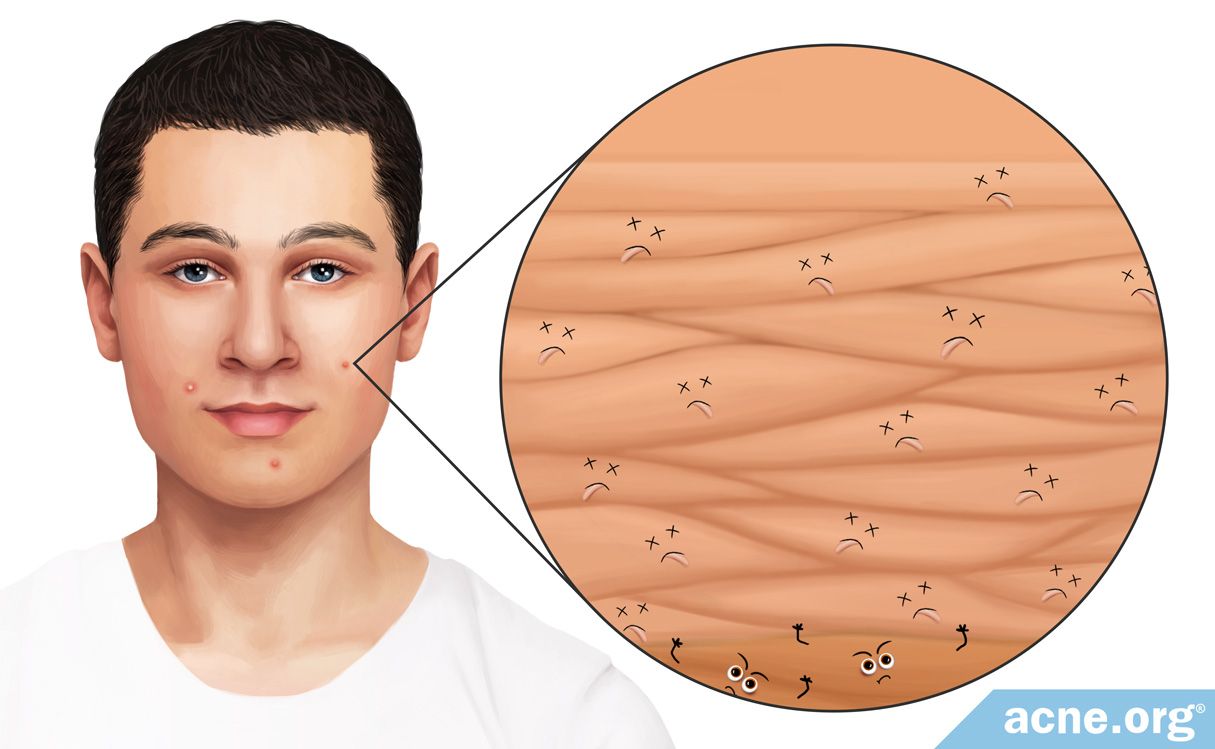
Acne In-depth: How Dead Skin Cell Accumulation Can Lead to Acne
The production of too many skin cells results in dead skin cell accumulation and a clogged pore. This detailed look at the process explains exactly how cellular buildup leads to comedone formation.
Bacteria
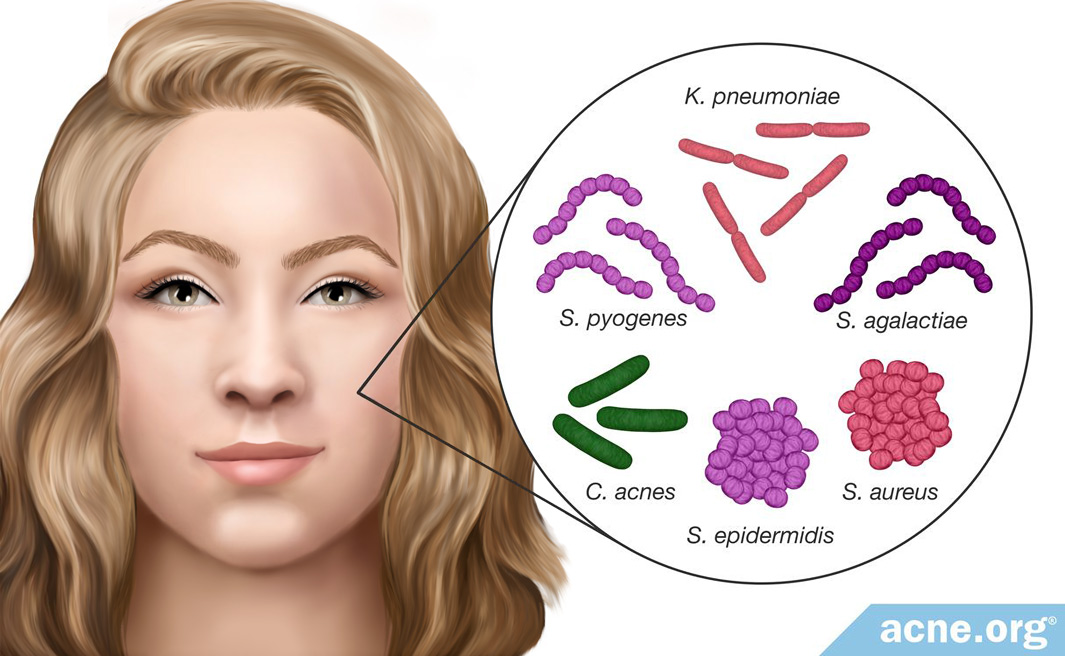
Do Different Strains of Acne Bacteria Affect Acne Differently?
Certain bacterial strains are present in different amounts between acne and non-acne patients, and these strains display varying effects on the immune system, which could affect acne development differently.
Genetics and Evolution
Why do some people get acne and others don’t? The answers lie partly in our genes and possibly even in our evolutionary history. These articles explore the hereditary factors behind acne and the fascinating theories about why acne exists at all.
The Genetics of Acne
Numerous genes may increase the likelihood of developing acne. If your parents had acne, there is a greater likelihood that you will as well. This article examines the genetic factors controlling immune response and hormone production.

Is There an Evolutionary Reason or Purpose for Acne?
Acne may be a side effect of losing our body hair as we evolved, an adaptation that makes childbirth easier, or even a way that nature prevents teens from having kids too early. Explore the fascinating theories.
Healing and Recovery
Understanding how skin heals is essential for preventing scarring and promoting recovery. These articles explore the wound healing process and how it specifically applies to acne lesions.
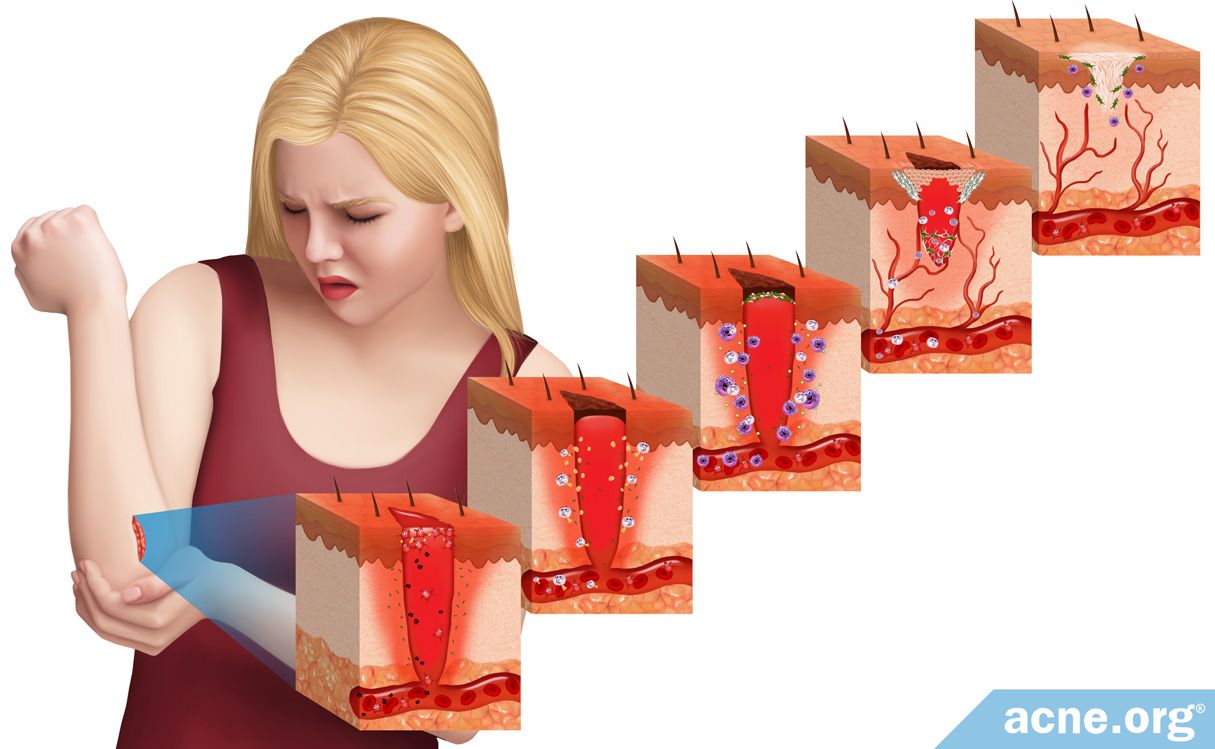
Wound Healing in the Skin
Wound healing is a complex process, but basically follows four steps: clotting, inflammation, healing, and remodeling. Understanding this process helps explain why some acne lesions scar while others heal cleanly.
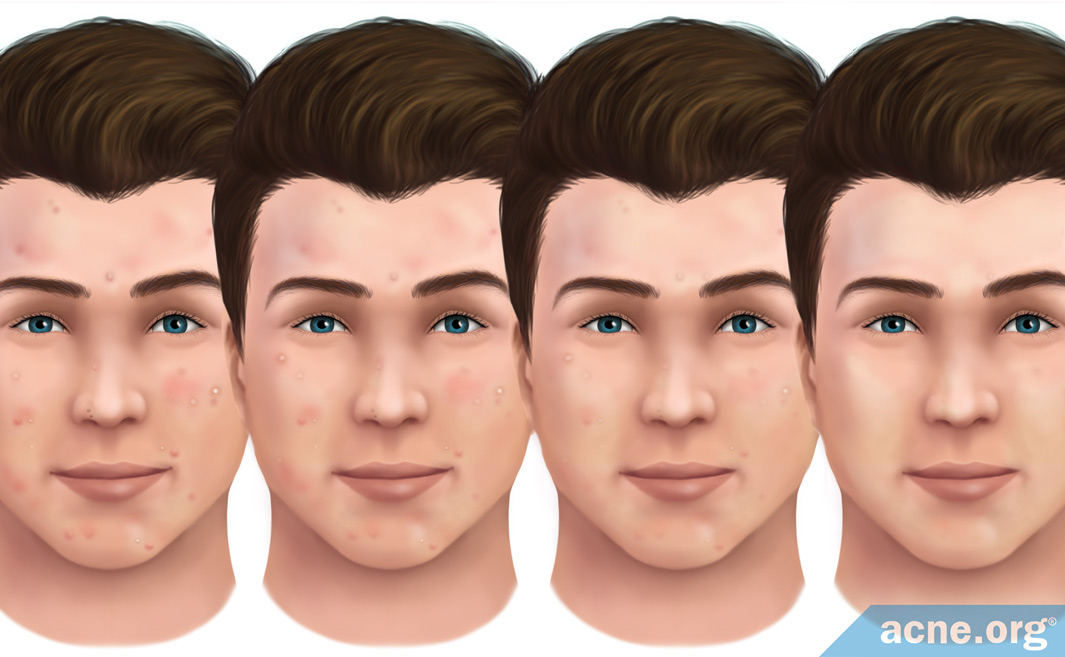
How Do Acne Lesions Heal?
Proper healing of acne lesions is important in order to avoid the formation of scars. Learn how acne-specific healing works and what factors influence whether a lesion will leave a mark.
Skin Chemistry
The chemical environment of your skin—particularly its pH level—affects everything from bacterial growth to how well treatments work. Understanding skin chemistry helps you make better product choices.
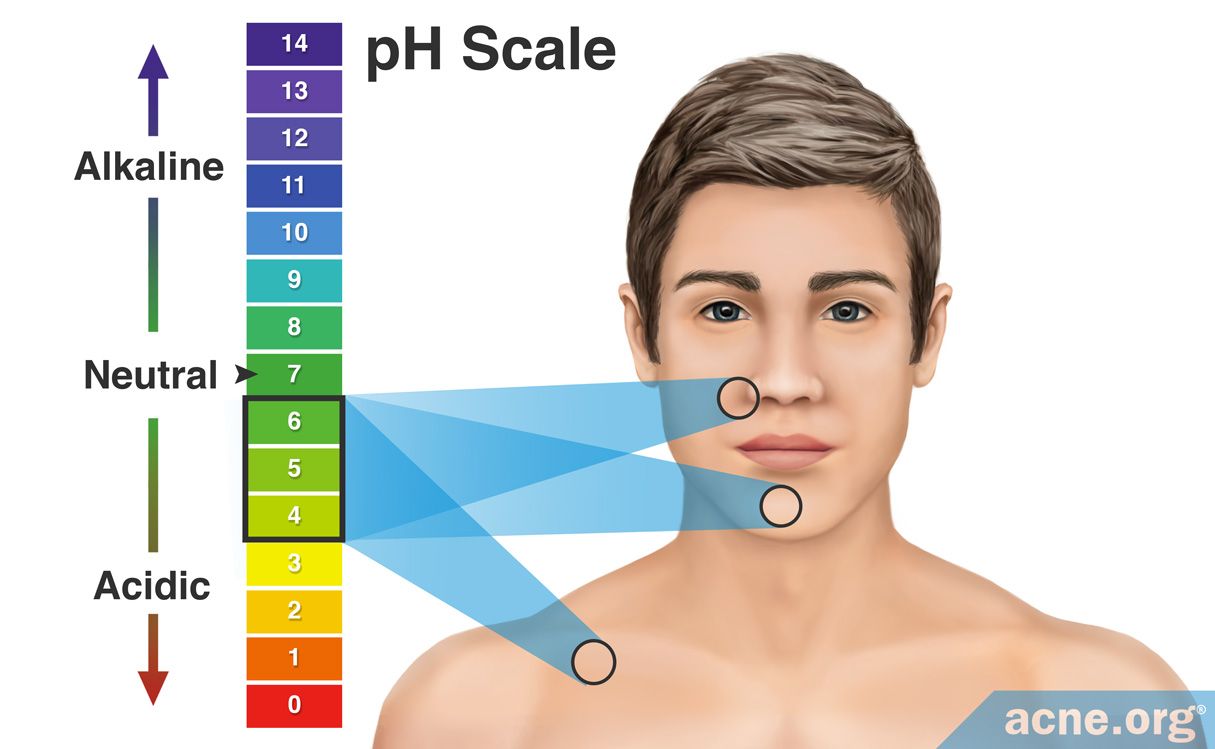
What Is the pH of Human Skin?
Human skin has an average pH value of between 4 and 6, with facial skin typically having a pH value of between 4.5 and 5.5. This slightly acidic environment plays an important role in skin health and acne development.
Future Treatments
Scientists are working on new approaches to treating and preventing acne, including vaccines that could one day prevent acne from developing in the first place.
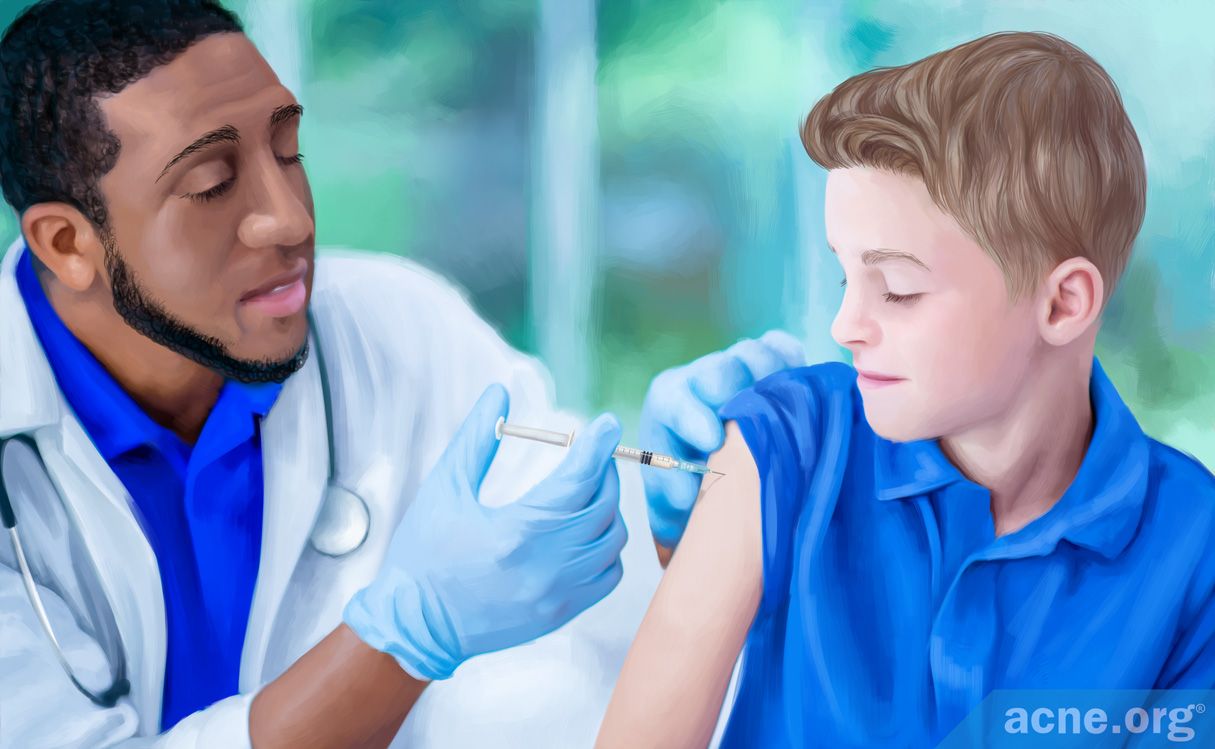
How Close Are We to an Acne Vaccine?
Research is ongoing, but an anti-acne vaccine is still a long way away, if it ever arrives. Explore the science behind vaccine development and the challenges researchers face in targeting C. acnes bacteria.