 Acne.org Products
Acne Overview: The Complete Knowledge Hub (0% AI – 100% human research and writing)
Acne is a complex chronic inflammatory skin disease that affects up to 85% of people at some point in their lives, impacting not only the skin but also mental health.
Whether you’re experiencing your first breakout or have been battling acne for years, understanding the science behind this condition is an important step toward achieving clearer skin.
I’ve been researching acne for decades now along with my team of MDs and PhDs, and you can see that information organized into accessible categories below. The information is as science-based and thorough as possible. If you find anything inaccurate or that needs updating, please don’t hesitate to reach out.
- Acne Overview: The Complete Knowledge Hub (0% AI – 100% human research and writing)
Understanding the Fundamentals
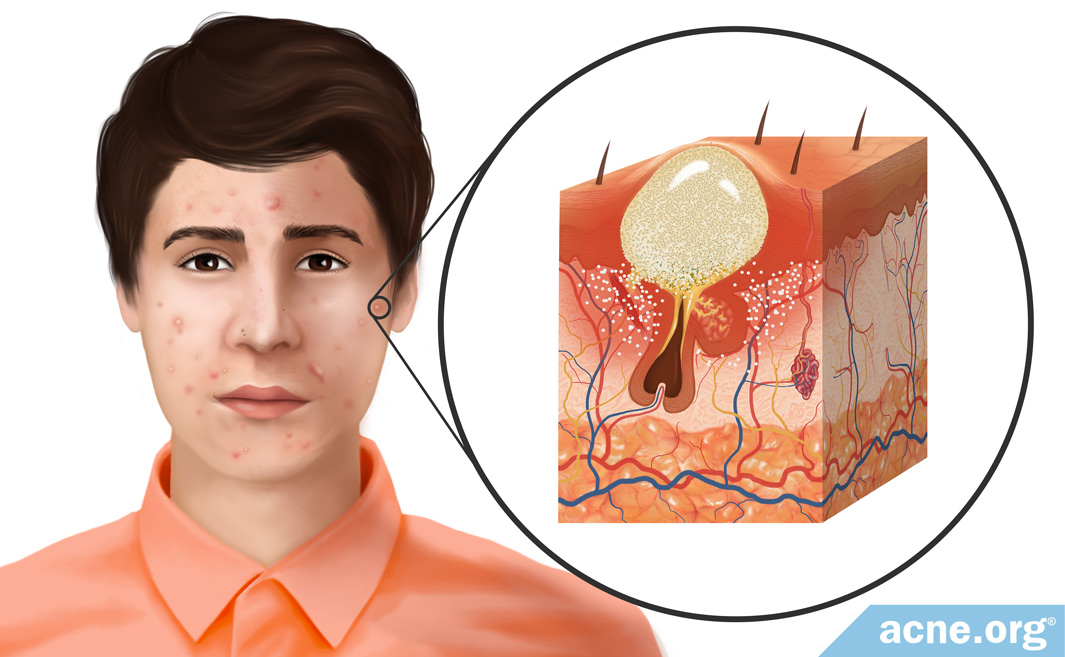
Acne develops in the tiny hair follicles that cover our skin. An acne lesion begins when one of these follicles becomes clogged, trapping skin oil (sebum) inside. As skin oil accumulates, acne bacteria (Propionibacterium acnes) multiplies, and inflammation rises.
Understanding these mechanisms helps you understand how the various acne treatments target different steps in this process. Some treatments target the clogging of pores, whereas others target skin oil production, bacteria, inflammation, or hormones.
What Is Acne?
Start here. This article provides a clear, straightforward explanation of acne as a chronic inflammatory disease, covering the basic anatomy of a pore, how blockages form, and why some people develop acne while others don’t.
What Is Acne – An In-depth Look
Ready to go deeper? This comprehensive scientific exploration examines current theories about acne development, including the role of microcomedones, inflammatory cascades, and the complex interplay of factors that create visible lesions.
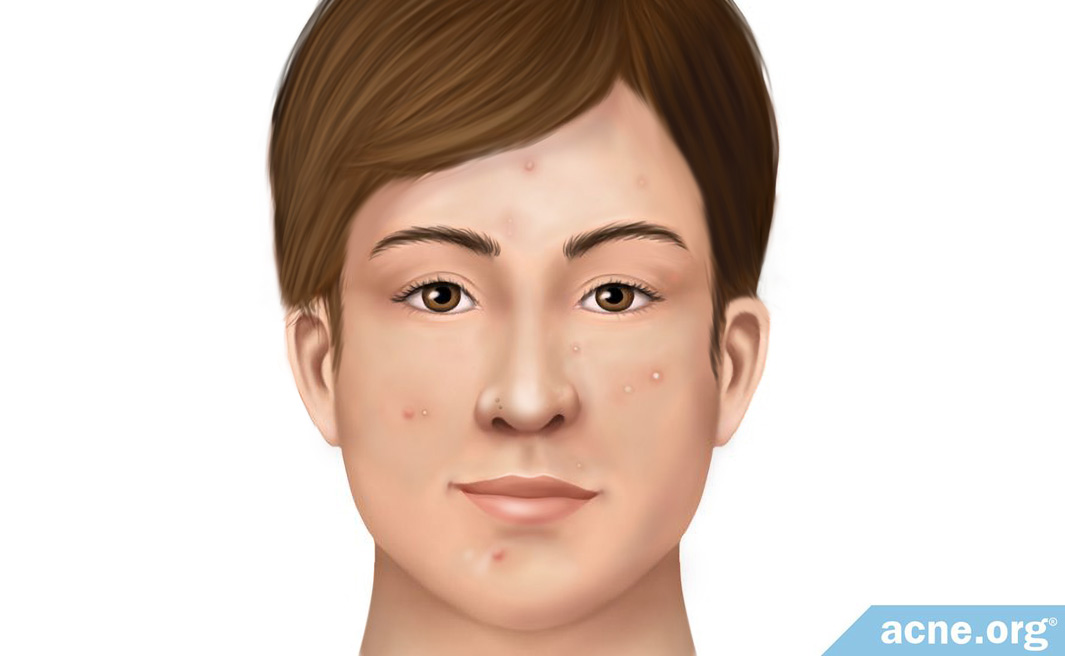
Is Acne a Disease?
Acne meets all clinical criteria for a disease. It causes functional impairment and structural changes in the skin.
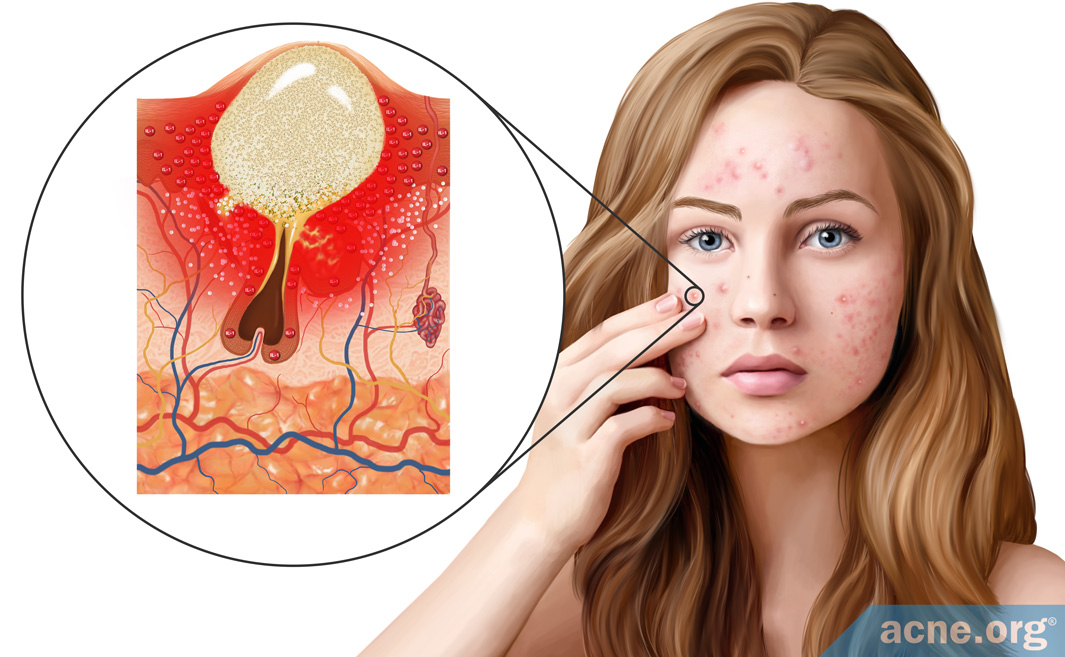
Exactly How Does Acne Form Now That Scientists Believe It Is Primarily Inflammatory?
Once thought to be primarily hormonal and bacterial, research now shows that inflammation is present from the very first stages of acne development.
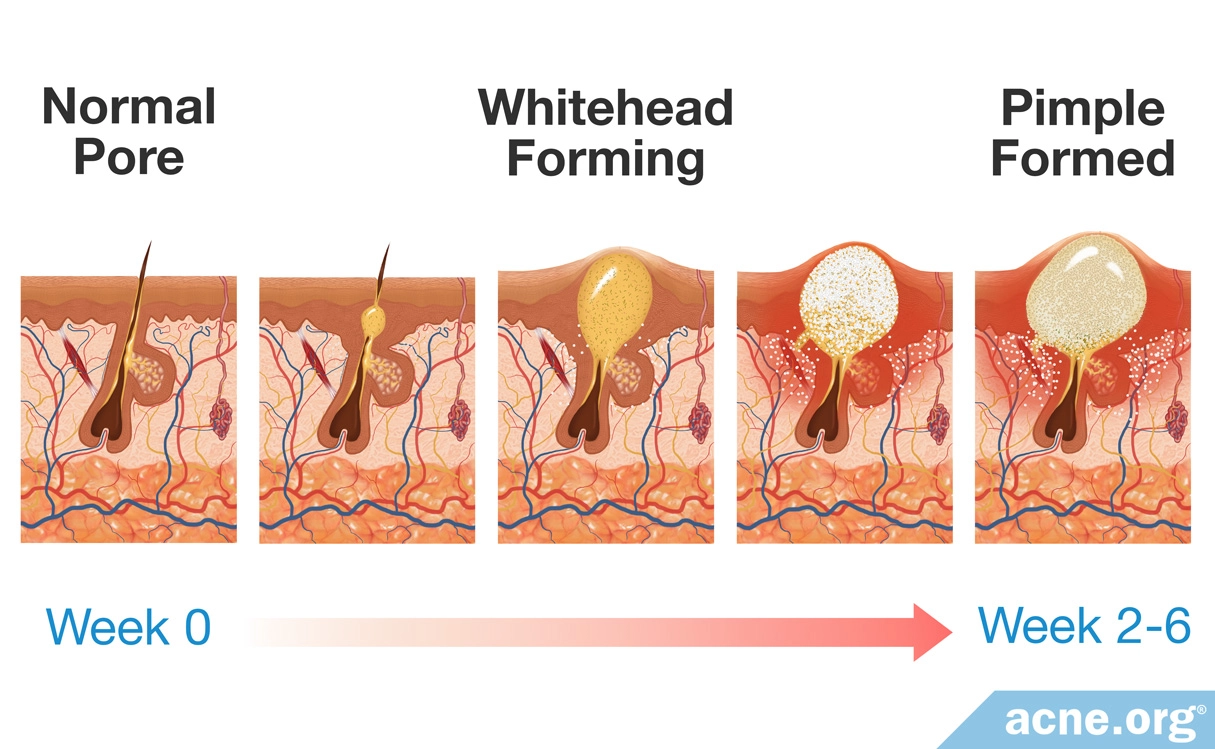
How Long Does It Take for a Pimple to Form?
That pimple you see today may have started forming 2-6 weeks ago. Understanding this timeline helps explain why treatments take time to work and why that “sudden” breakout may have been triggered by something weeks in the past.
Types of Acne Lesions
Not all acne is the same. From small blackheads to deep, painful nodules, different types of acne lesions form through distinct biological processes, respond to different treatments, and carry different risks for scarring.
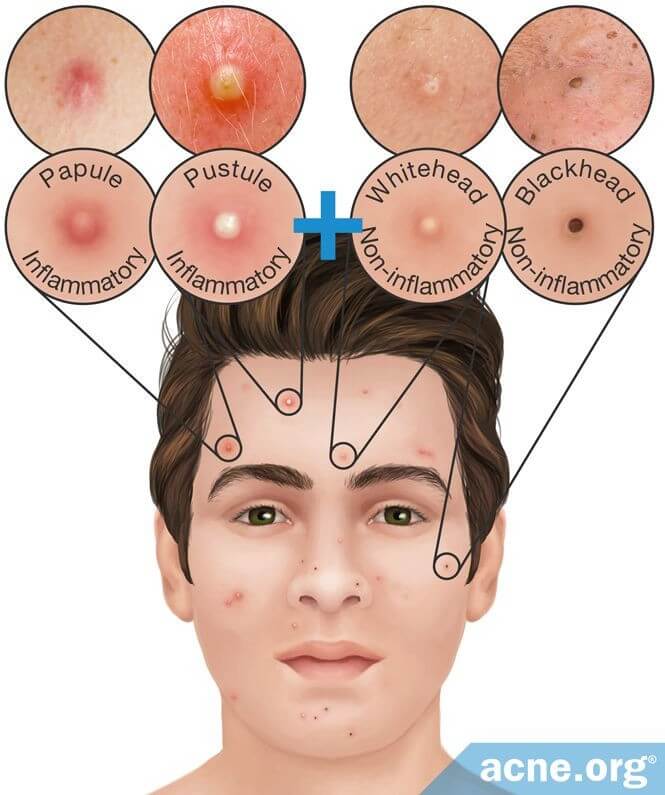
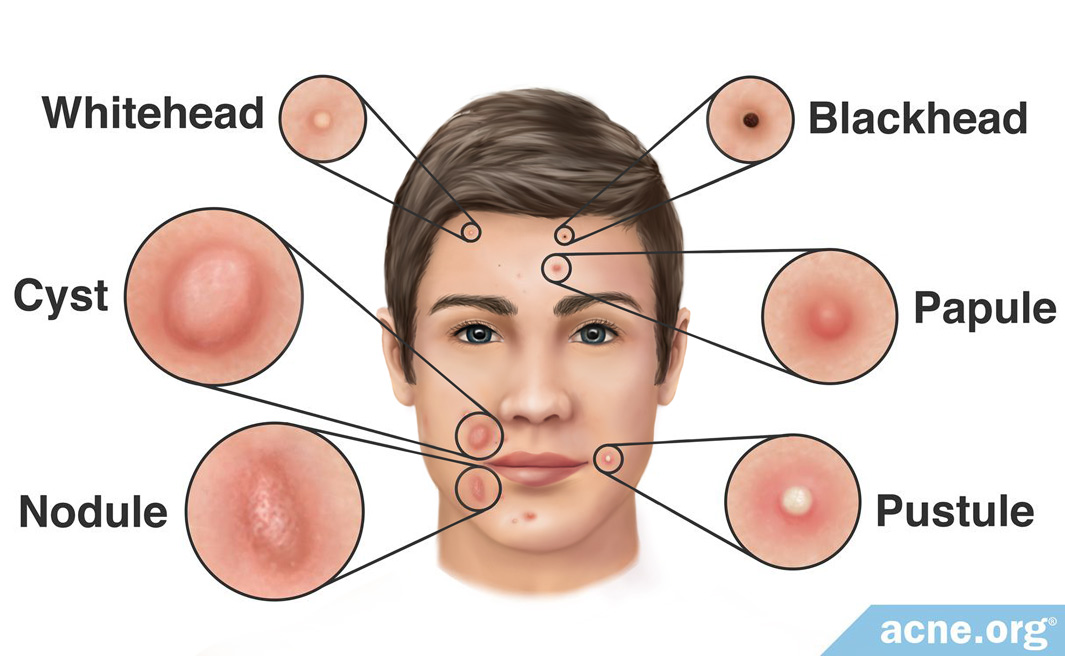
Acne lesions are divided into non-inflammatory lesions (whiteheads and blackheads) and inflammatory lesions (papules, pustules, nodules, and cysts). Non-inflammatory lesions occur when follicles are blocked but we see little inflammation/redness. Inflammatory lesions happen when the body reacts to a clogged pore with an immune response and ensuing inflammation/redness.
Lesion type, severity (mild, moderate, or severe), and distribution on the body all influence treatment decisions.
Key concepts
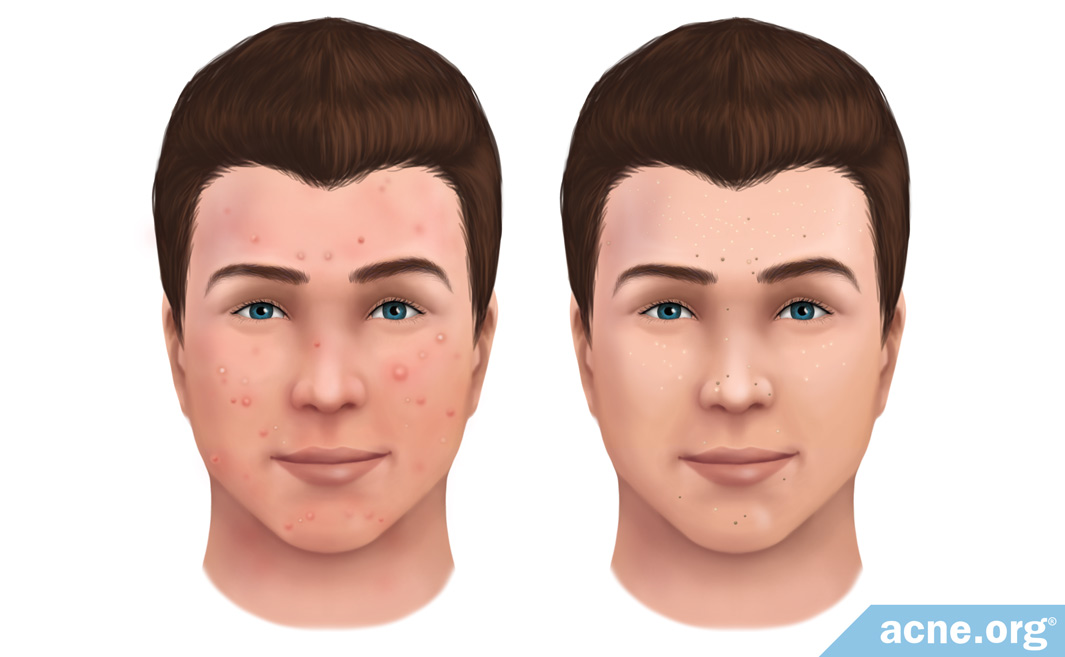
What Is the Difference Between Inflamed and Non-inflamed Acne?
Inflamed acne is red and sore, while non-inflamed acne is not. Understanding which type you have guides treatment selection.
Common lesion types
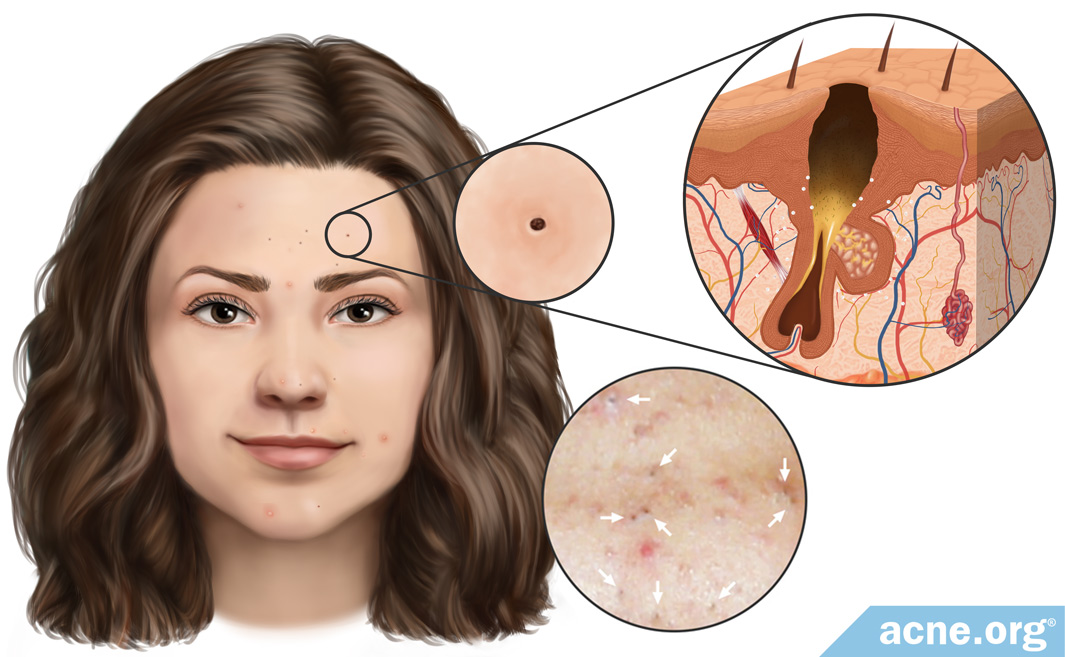
What Is a Blackhead?
Blackheads (open comedones) aren’t caused by dirt. The dark color comes from oxidation of skin oil exposed to air. Learn how blackheads form and why they’re so persistent.
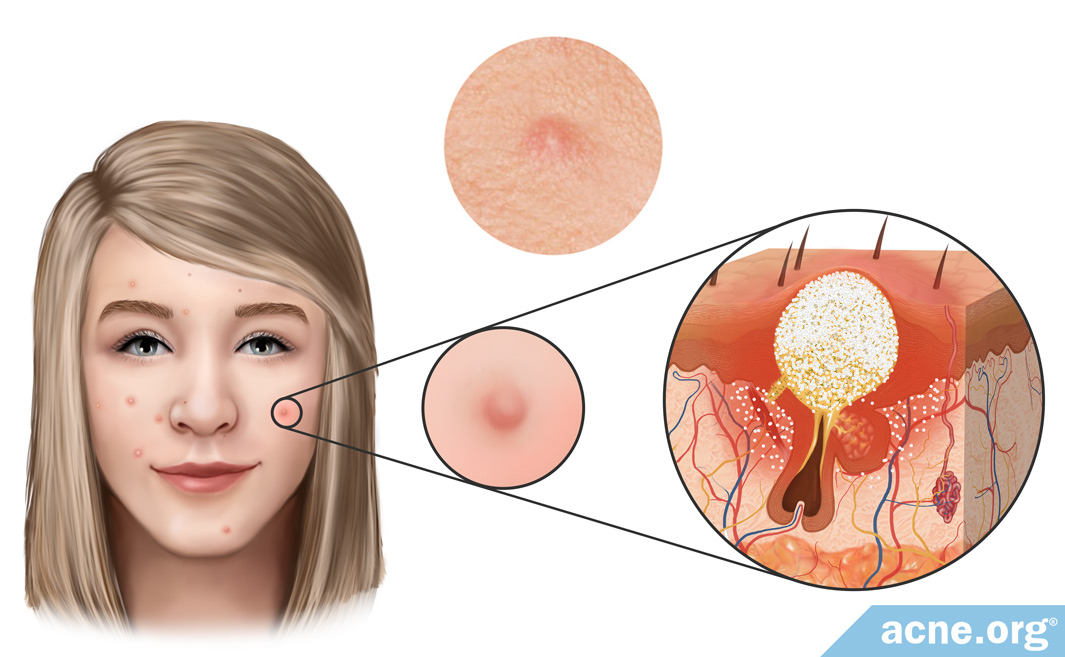
What Is an Acne Papule?
Papules are small, red, raised bumps without a visible center and are the body’s inflammatory response to a clogged and ruptured pore. Don’t attempt to pop them! They aren’t ready.
Non-Inflammatory
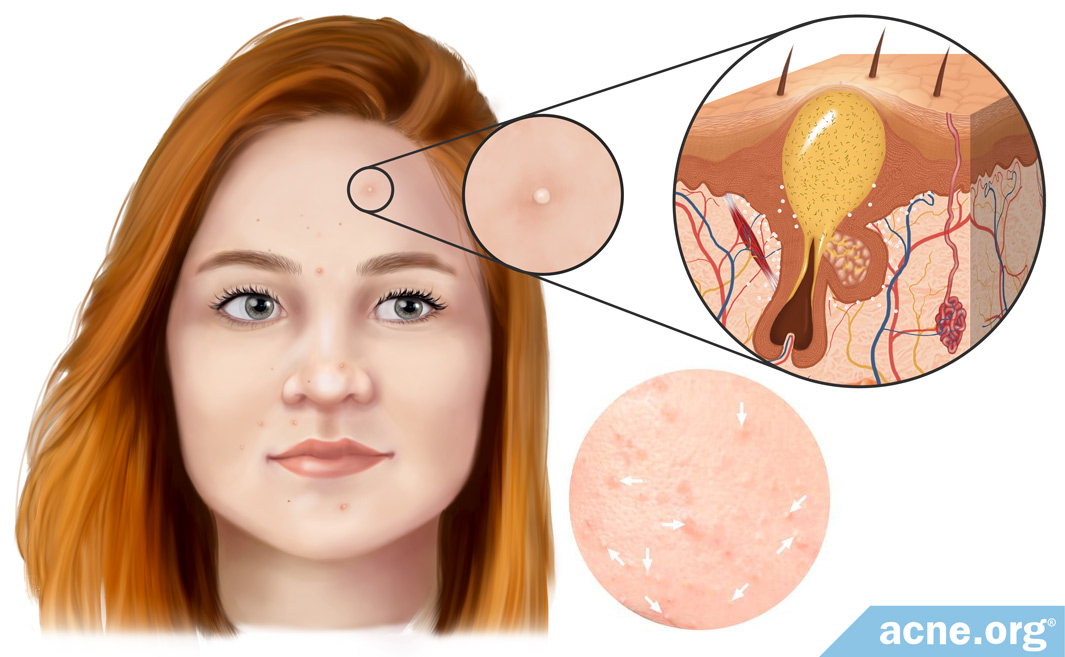
What Is a Whitehead?
Whiteheads trap skin oil beneath the skin’s surface. Smaller and more subtle than inflamed lesions, whiteheads are often an early stage that can progress to inflammatory acne.
Inflammatory Lesions
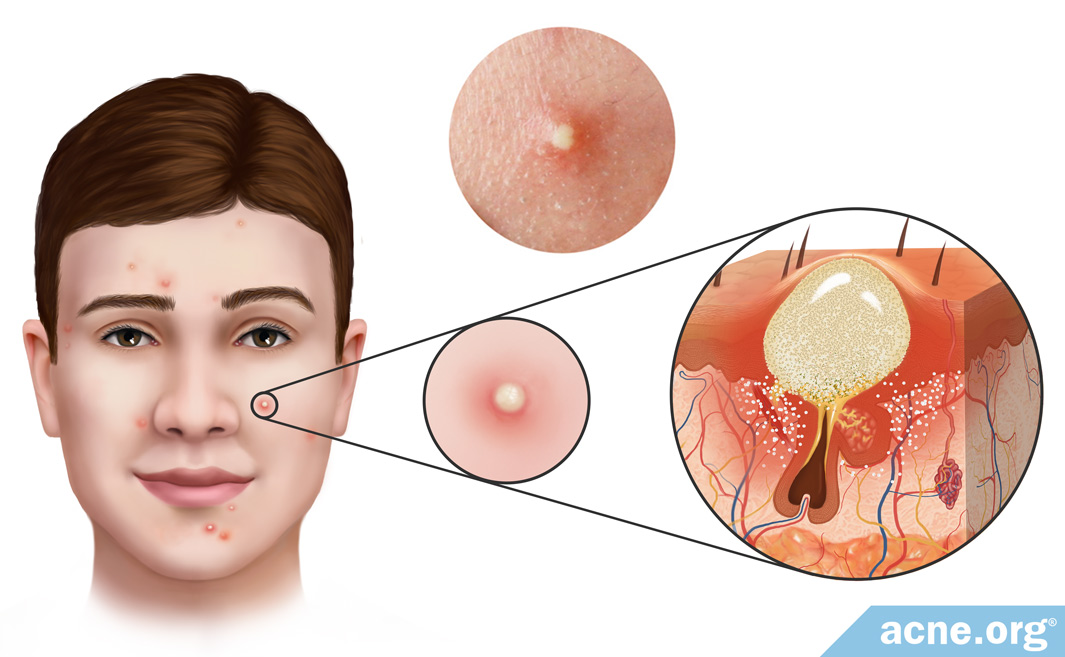
What Is an Acne Pustule?
A common inflammatory acne lesion with a white or yellow center. Pustules are papules that have filled with pus as the immune system fights bacteria in the blocked pore.
What Is an Acne Nodule?
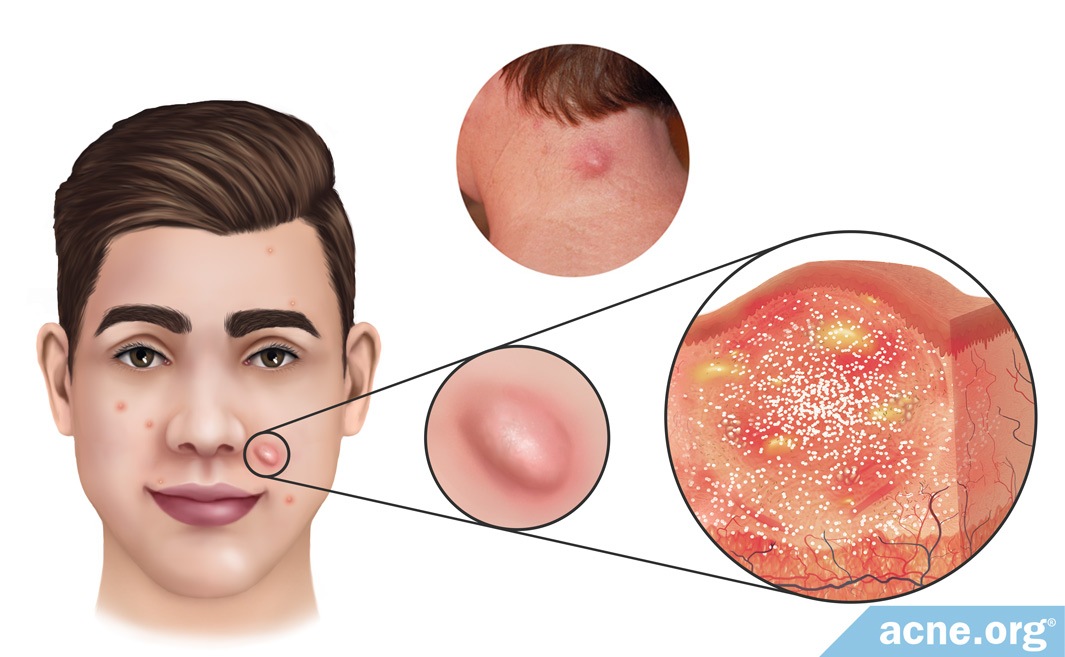
Large, painful, deep lesions that form when pore walls completely rupture. Nodules are over 5mm in diameter, take weeks or longer to resolve, and frequently lead to scarring.
Severe Forms
What Is Acne Conglobata?
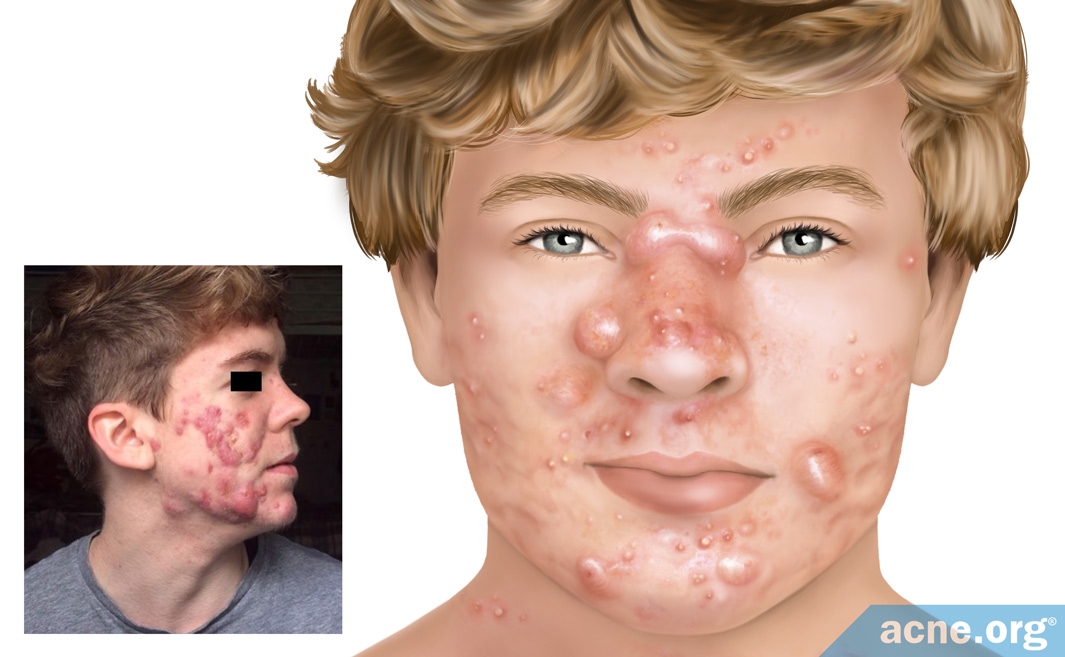
One of the most severe forms of acne, characterized by interconnected nodules and cysts covering large areas of skin. Most common in males aged 18-30, it almost always requires aggressive treatment.
What Is Acne Fulminans?
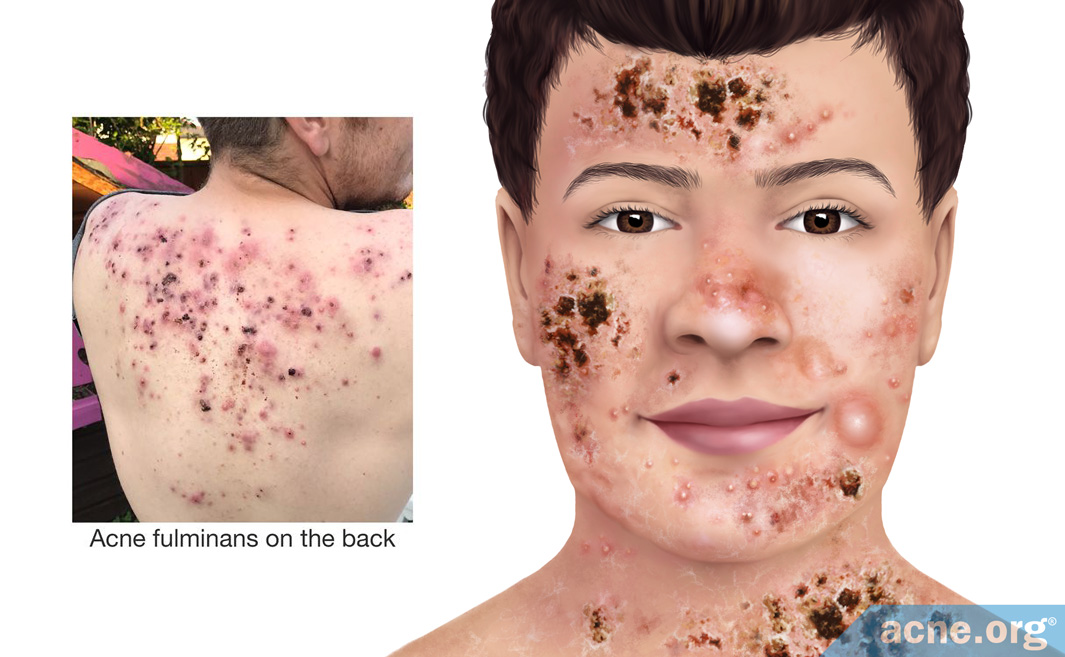
Extremely rare and explosively severe with fewer than 200 cases documented. This form comes with systemic symptoms including fever, joint pain, and fatigue. Primarily affects young Caucasian males.
What Is Pyoderma Faciale?
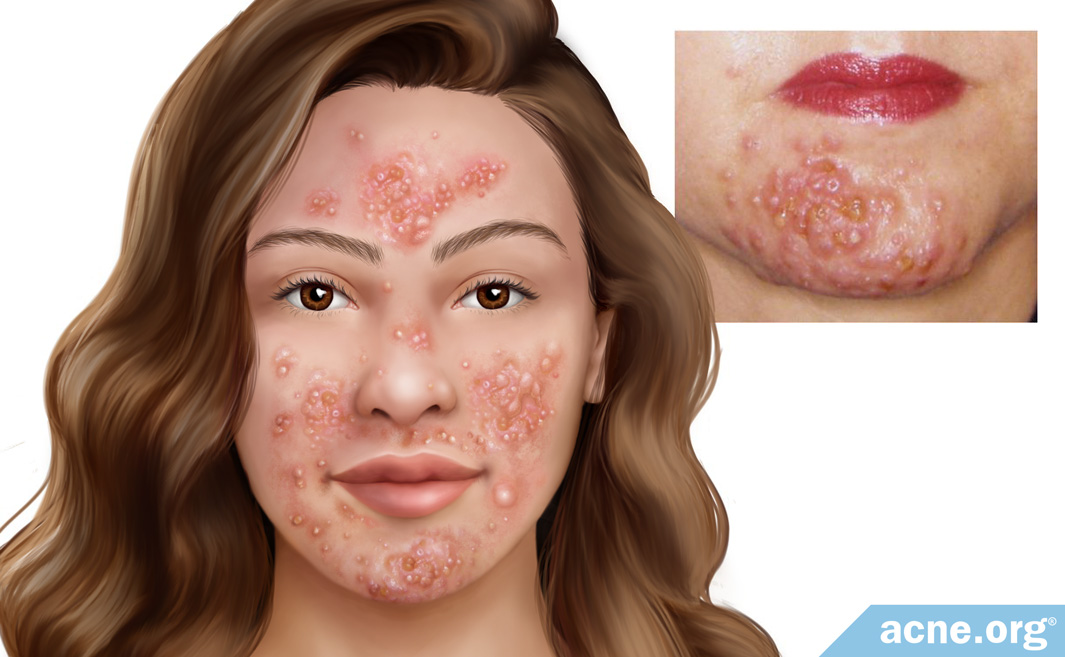
Also called rosacea fulminans, this rare and severe form occurs almost exclusively in females, typically in their 20s. Onset is sudden with numerous painful nodules, cysts, and intense facial redness.
What Causes Acne?
Honestly, nobody knows. It is widely accepted, however, that acne is “multifactorial,” meaning it develops through the interaction of multiple biological and environmental factors, including hormones, genetics, microorganisms, and inflammatory responses.
External factors such as diet, medications, mechanical irritation, and skincare habits may also be involved.
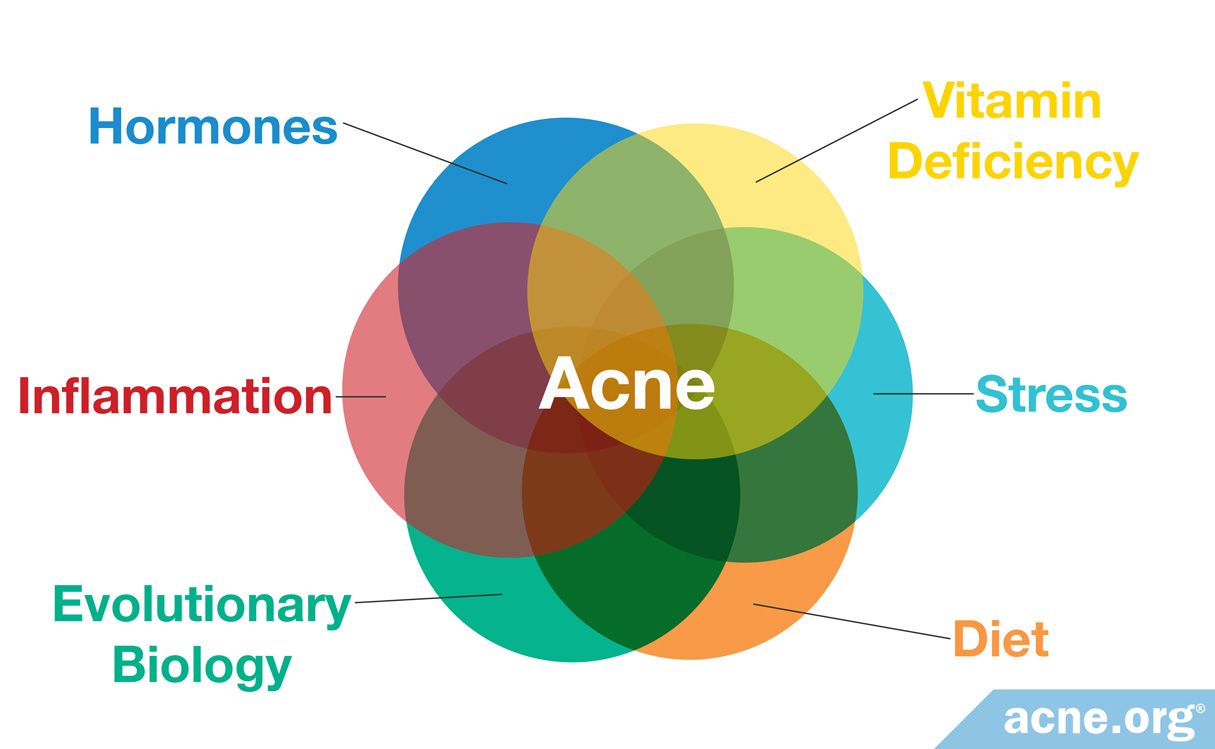
What Causes Acne?
Hormones, inflammation, genetics, stress, diet, vitamin deficiencies, and other factors that contribute to acne development.
The Role of Skin Oil (Sebum)
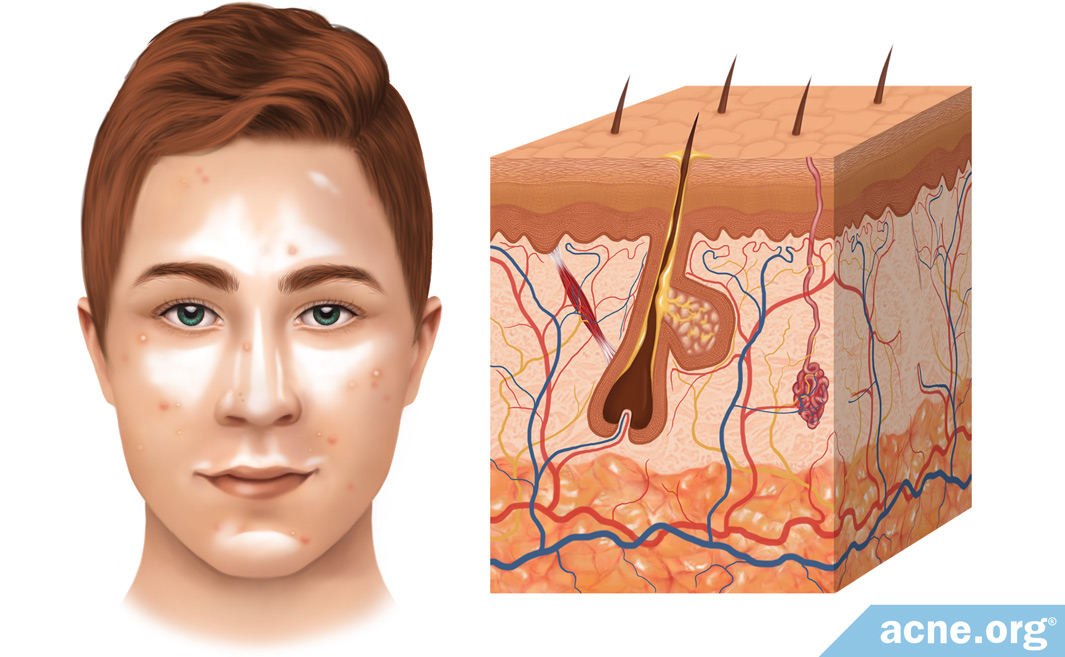
The Role of Sebum (Skin Oil) in Acne
More skin oil generally means more acne. But it’s not just about quantity. The composition of skin oil matters too. People with acne tend to have different lipid ratios in their skin oil.
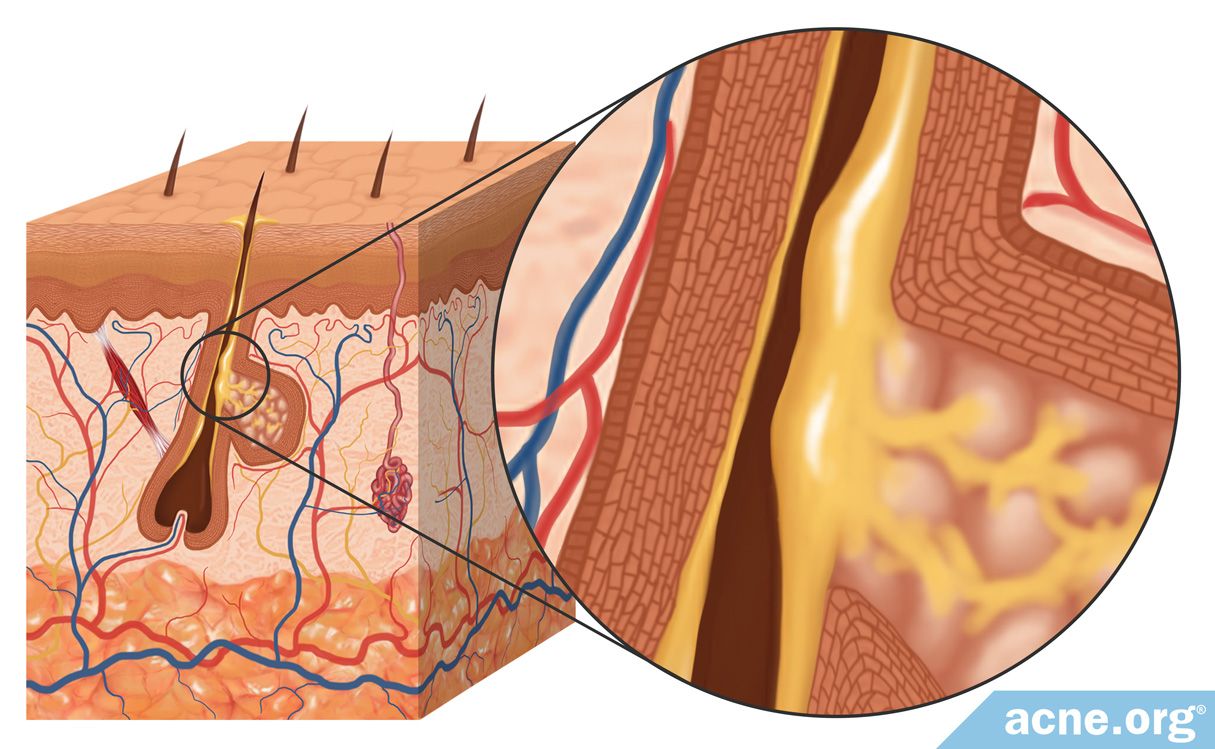
What Is Skin Oil (Sebum) and What Is Its Purpose?
Despite its role in acne, skin oil is essential for healthy skin. This article explains what skin oil is made of, why we produce it, and how it functions as both protector and potential problem.
Bacteria and Microorganisms
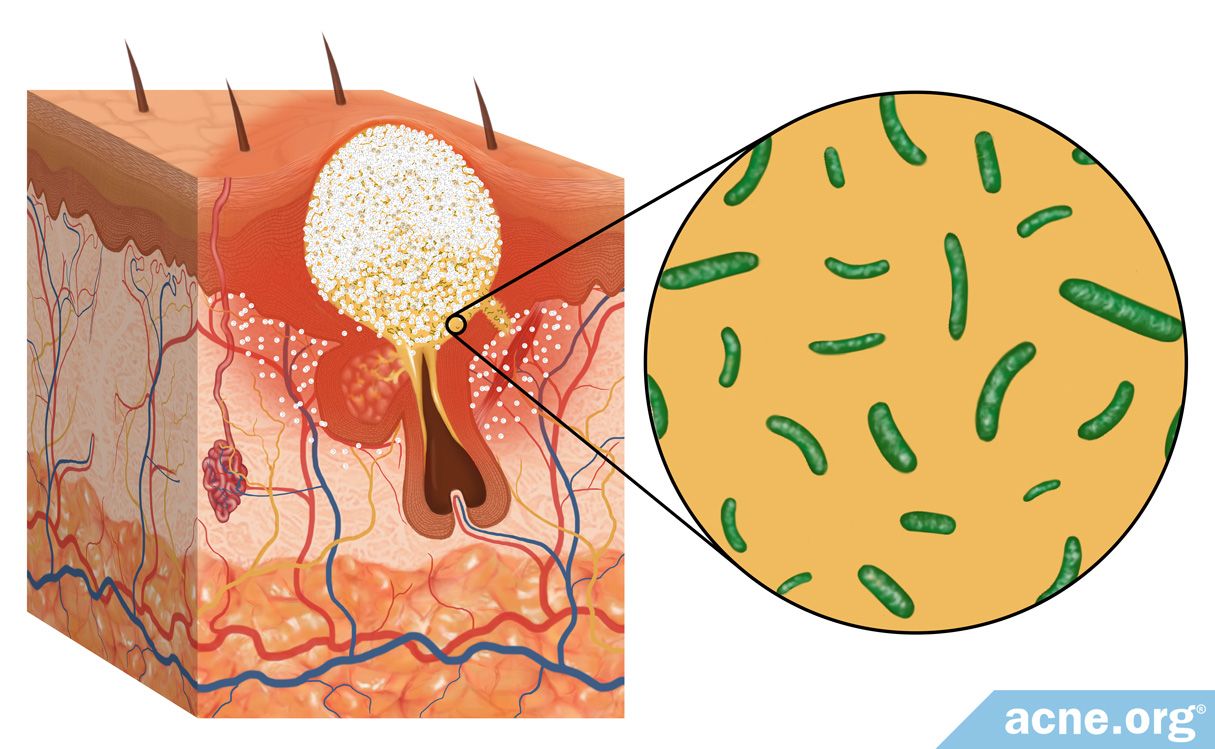
The Role of Bacteria in Acne
C. acnes bacteria don’t cause acne initially, but they are instrumental in turning a clogged pore into a red, inflamed lesion.
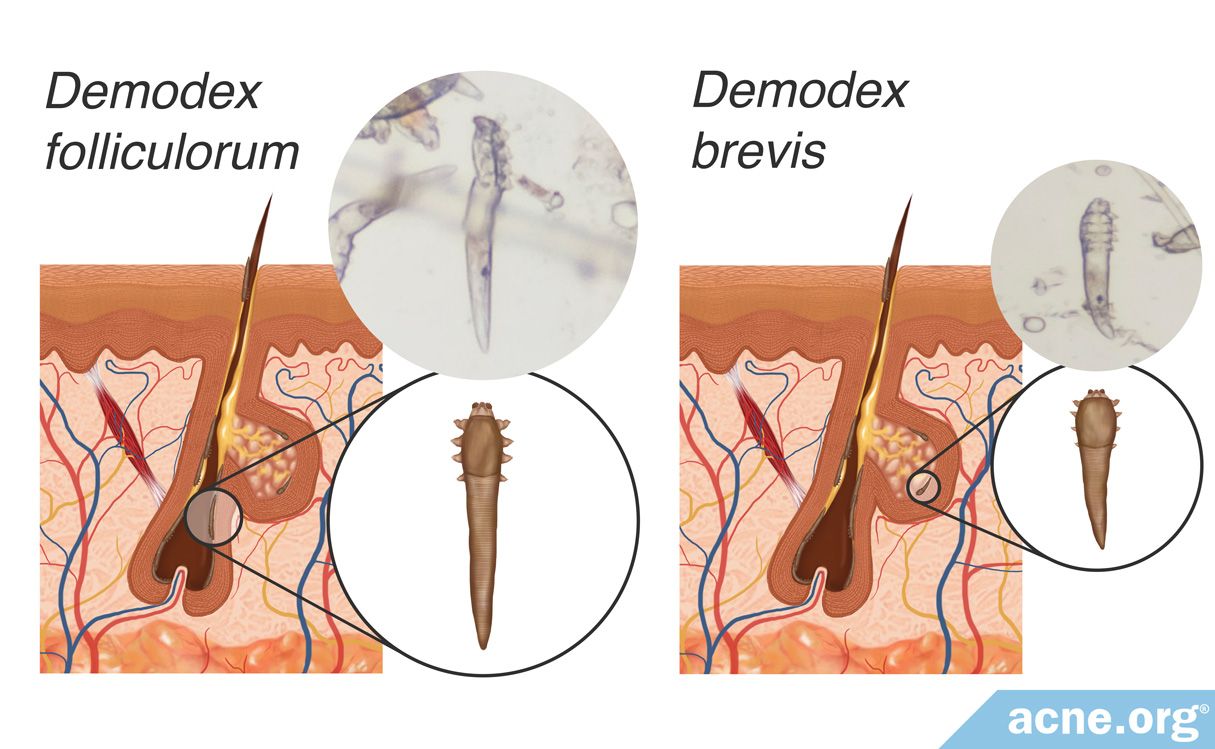
What Are Demodex Mites, and What Role Do They Play in Acne?
These microscopic mites live in tiny hair follicles on everyone’s skin. While their exact role in acne remains debated, some research suggests they may contribute to inflammation.
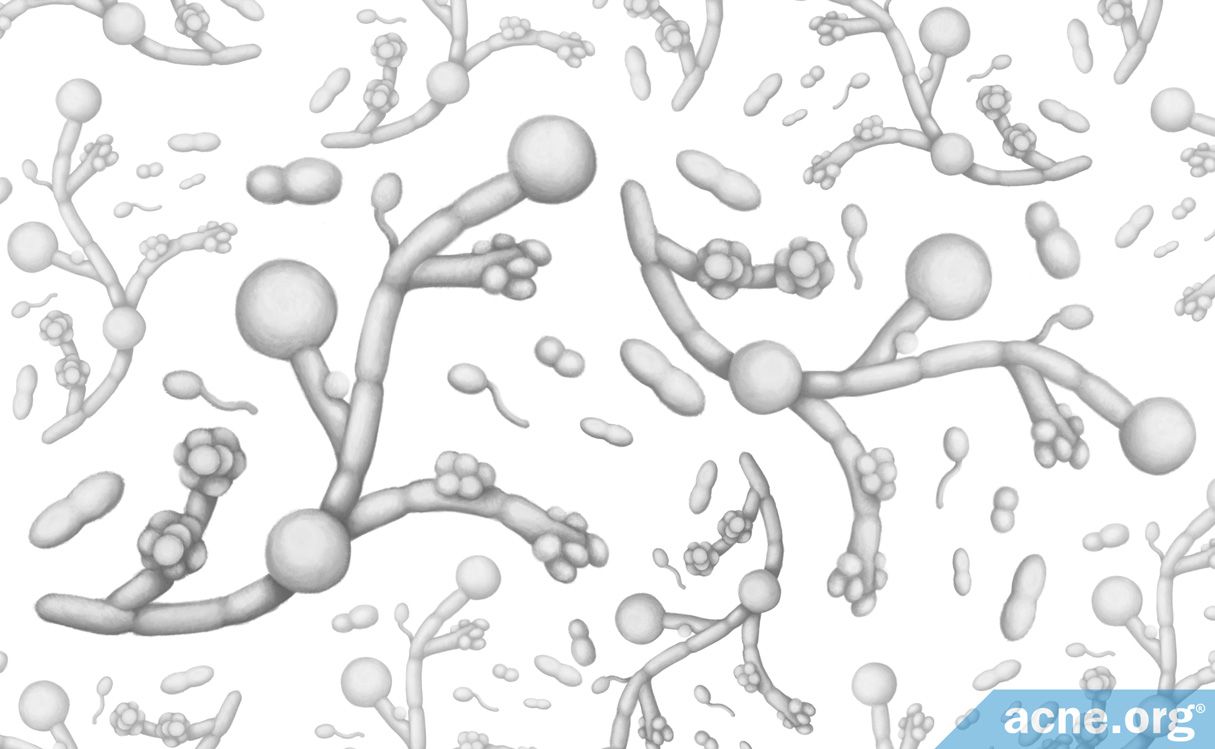
Can Candida Cause Acne?
Fungal skin infections (pityrosporum folliculitis) can sometimes be confused with acne. However, it is different, and Candida is not usually the cause of a typical case of acne. Learn the distinctions.
Physical Factors

Does Physically Irritating the Skin Cause Acne?
Anything that causes repeated physical irritation of the skin can trigger or worsen acne. This phenomenon is so common it has its own medical term: acne mechanica. Face masks worn for sports, surgical masks worn to prevent infection, and even frequently touching the skin can lead to acne. Anyone with acne should read this. It’s a much-overlooked cause of acne.
Acne Across the Lifespan
Acne isn’t just a teenage phase. It often persists into adulthood. And it can even affect babies.
Neonatal acne is usually short-lived and driven by hormones from the mother. Adolescent acne is closely tied to puberty-related hormonal surges. Adult acne often shows up more on the lower face and jawline and may be linked to hormonal fluctuations and/or lifestyle factors.
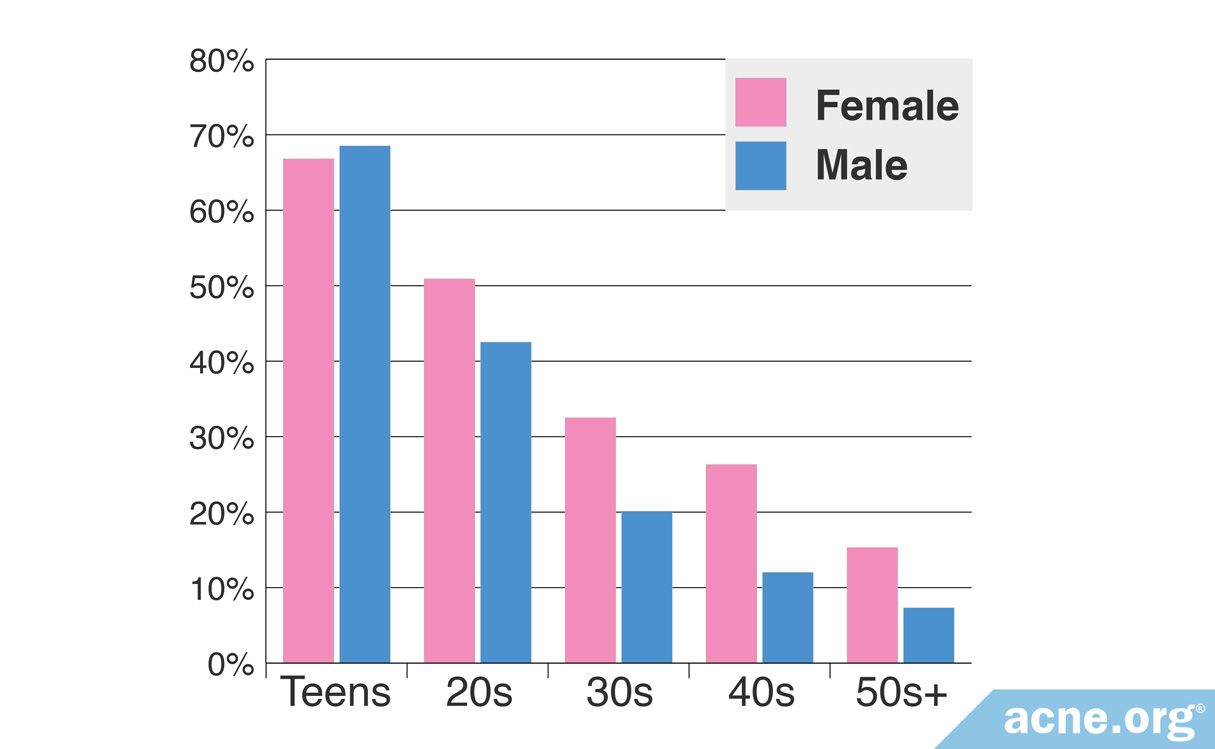
When Will I Grow Out of Acne?
About 50% of teenagers will outgrow acne by their 20s, but that means about 50% won’t. The good news is that over time, more and more people will outgrow it.
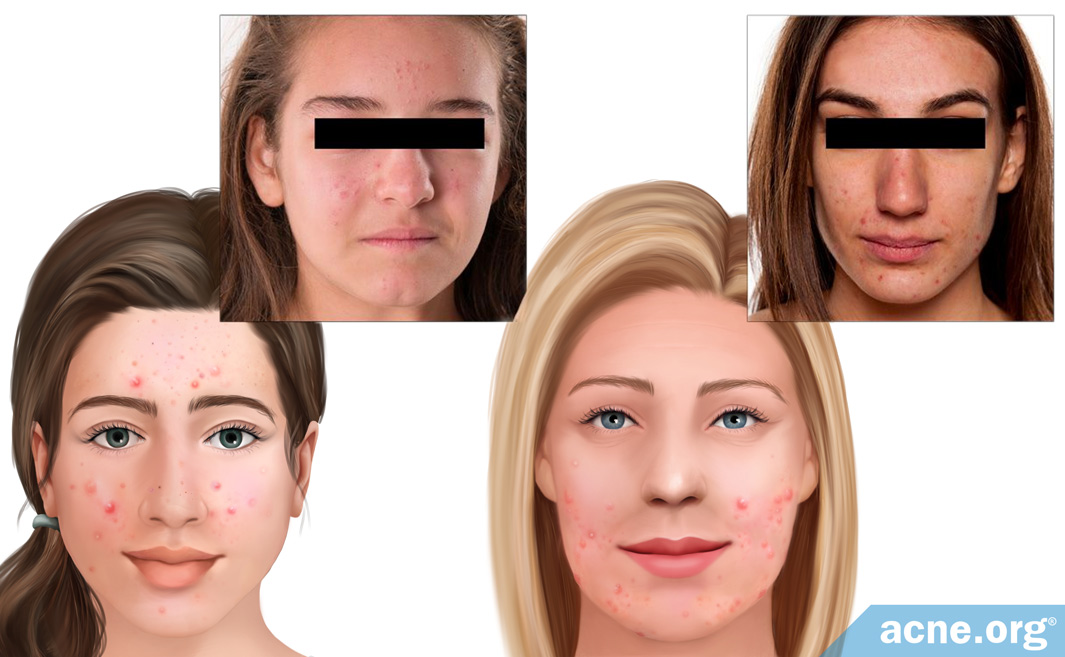
How Is Teen Acne Different from Adult Acne?
Teen acne is typically affects the entire face. Adult acne tends to concentrate more around the chin and jawline, is slightly more common in women (although many men experience it as well), and may have different triggers including hormonal fluctuations and lifestyle factors, such as stress.
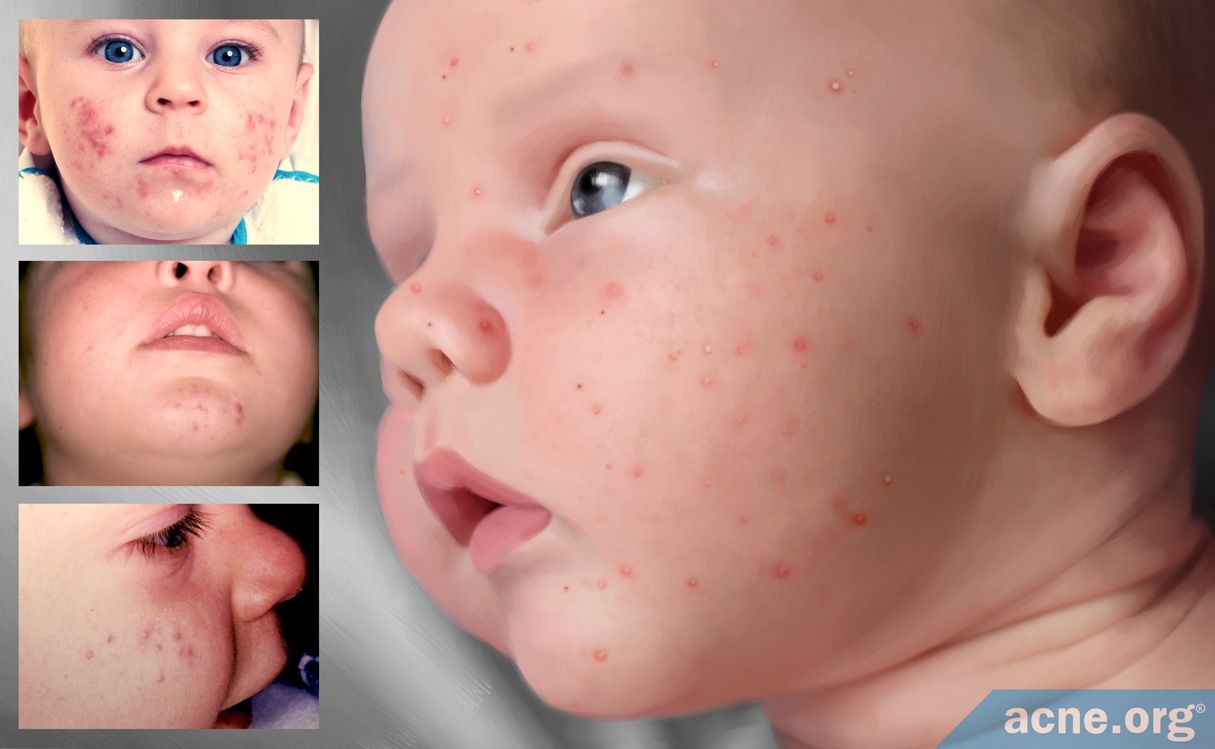
Baby Acne: What Is It, and What Causes It?
Newborns can develop acne from maternal hormones still circulating in their system. Baby acne typically resolves on its own without treatment.
Ethnic Variations and Skin Types
Acne affects all ethnicities, but how it presents, its severity, and its aftermath of red/dark marks left behind (hyperpigmentation) can vary significantly based on skin type.
Non-Caucasian skin carries a higher risk of hyperpigmentation, which makes even mild inflammatory lesions significant. Differences in sebum composition, skin pore structure, and inflammatory responses also exist across ethnicities.
Ethnic considerations also affect procedural choices. For instance, laser treatments and aggressive peels can worsen pigmentation in non-Caucasian skin tones unless performed by experienced clinicians and approached with caution.
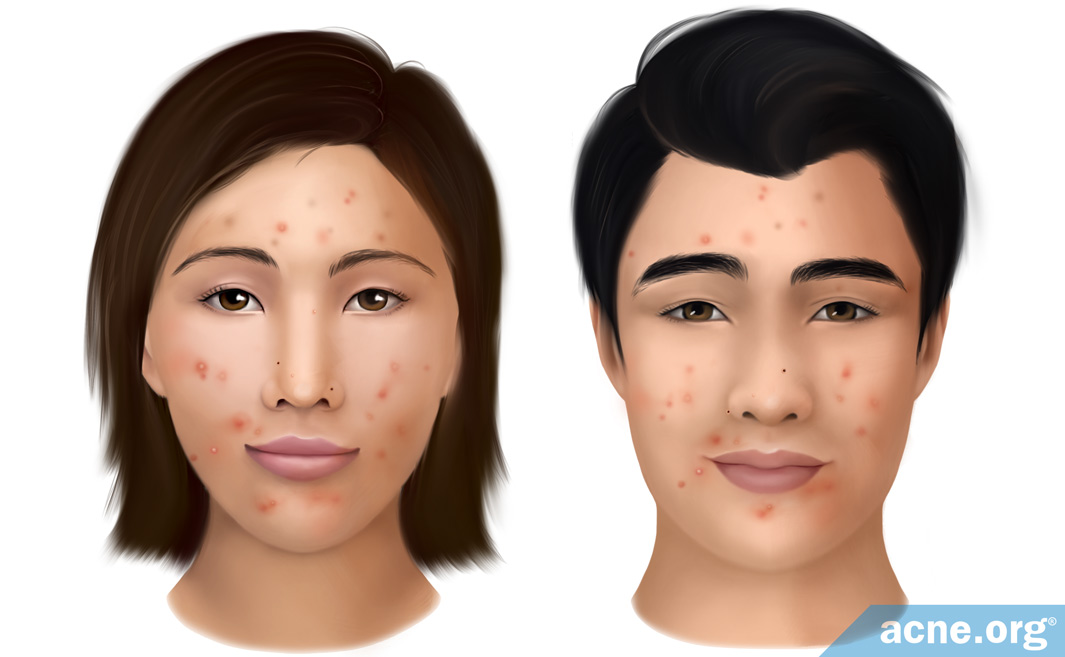
Asian Skin and Acne
East Asian skin may be slightly less prone to acne, while still being prone to hyperpigmentation.
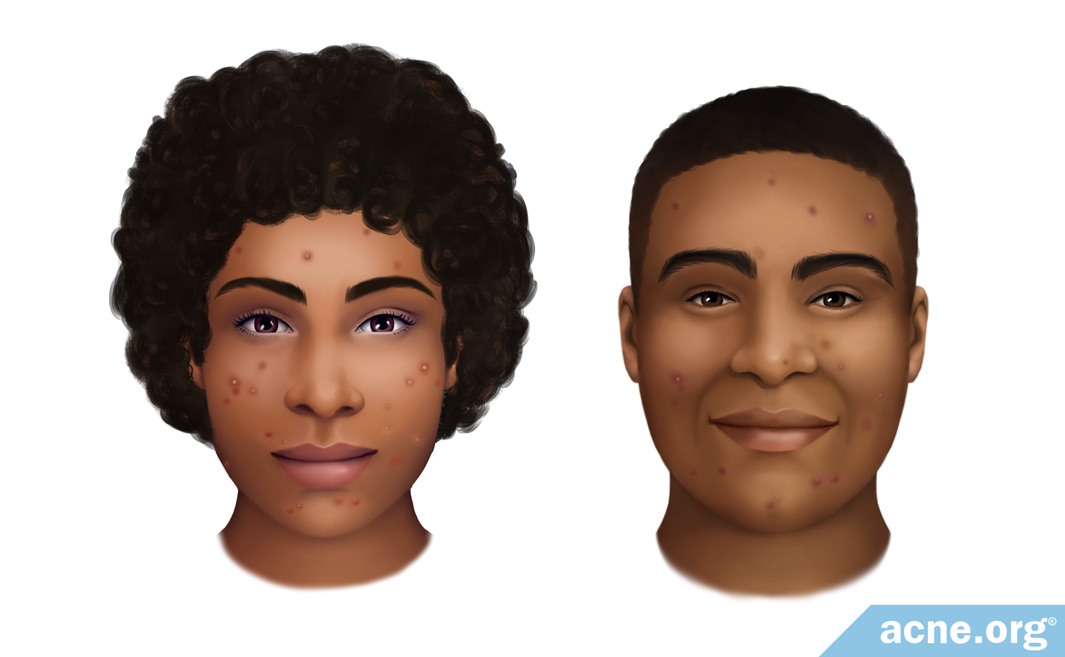
Black Skin and Acne
Skin of African origin has unique characteristics including higher melanin content, which increases the risk of hyperpigmentation. Certain treatments require special consideration.
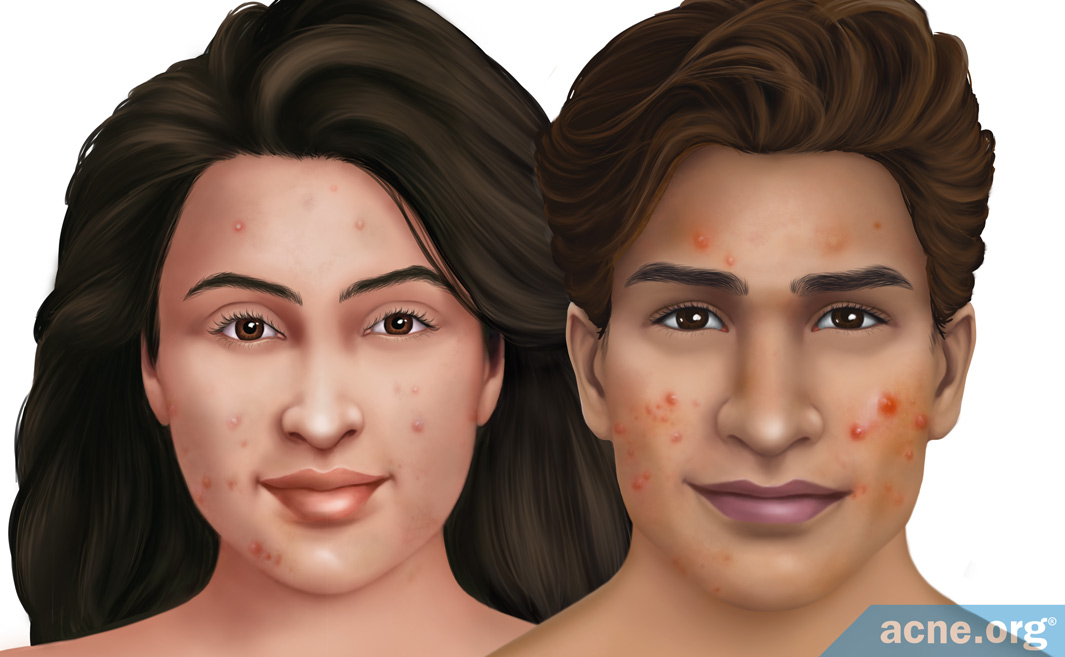
Indian Skin and Acne
We need more research into Indian skin and acne, but we do know that Indian skin, like other non-Caucasian skin types, is prone to hyperpigmentation.
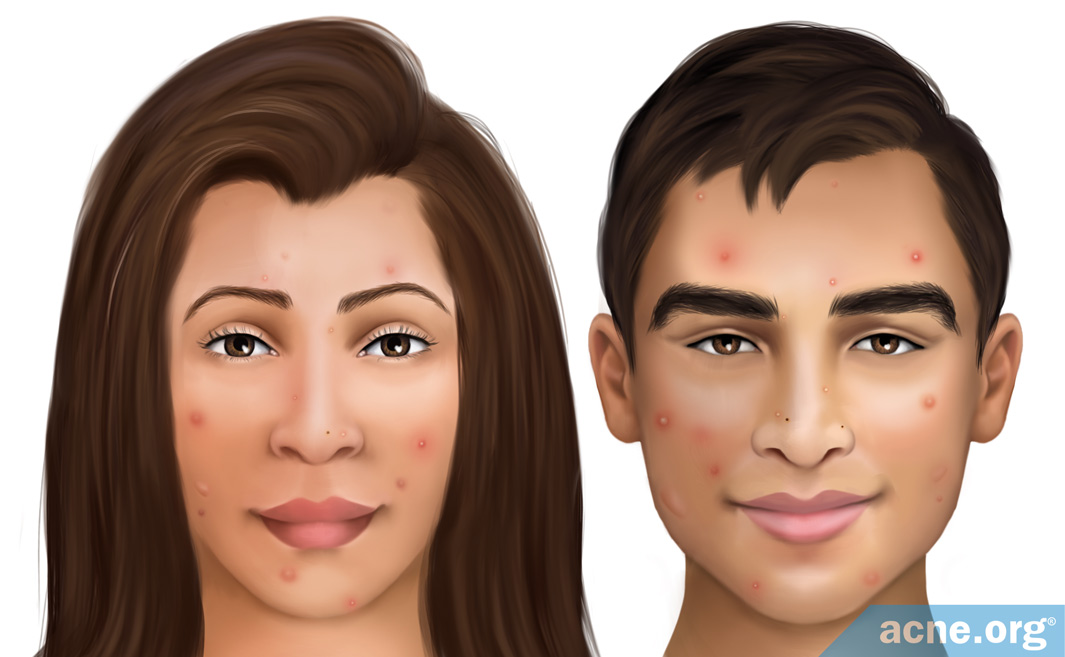
Latino Skin and Acne
Latino skin, like other non-Causasian skin types, often experiences significant hyperpigmentation.
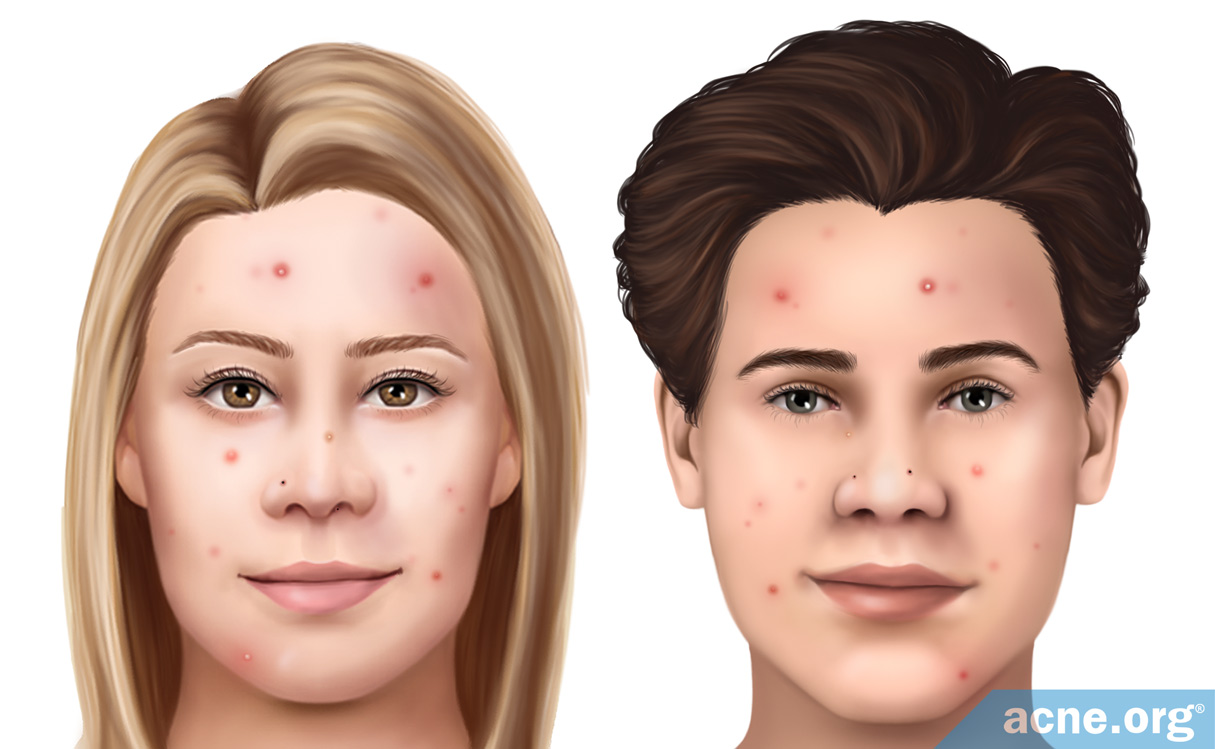
White Skin and Acne
Caucasian skin generally shows less hyperpigmentation but may be more prone to redness.

What Ethnicity Has the Most Adult Acne?
A comparative analysis of acne prevalence across ethnic groups.
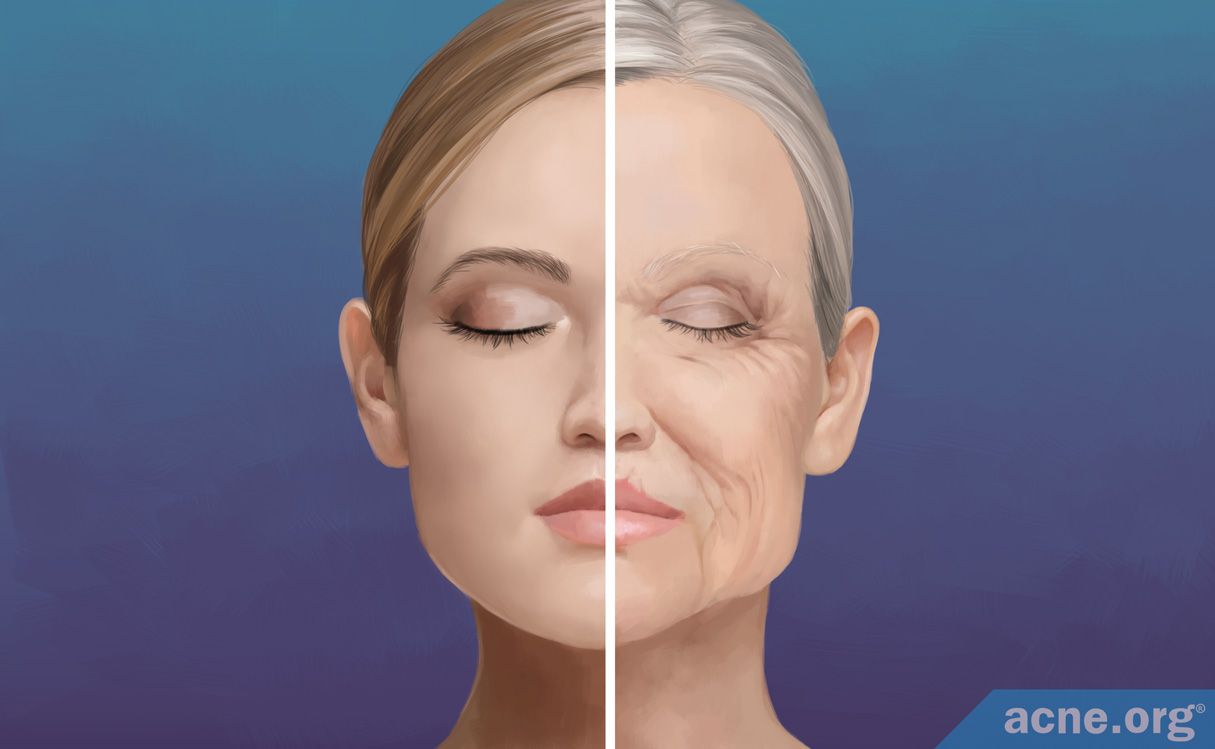
Which Skin Type Ages Faster?
While not directly about acne, this article provides important context about how different skin types age, which affects long-term treatment planning and expectations.
The Psychological Impact
Acne’s effects extend far beyond the skin. The emotional and mental health consequences can be as significant as the physical symptoms.
Acne can lead to anxiety, depression, and social withdrawal. Because acne can have such a negative effect on our lives, it’s important to treat it early and effectively in order to avoid these negative psychological effects as much as possible.
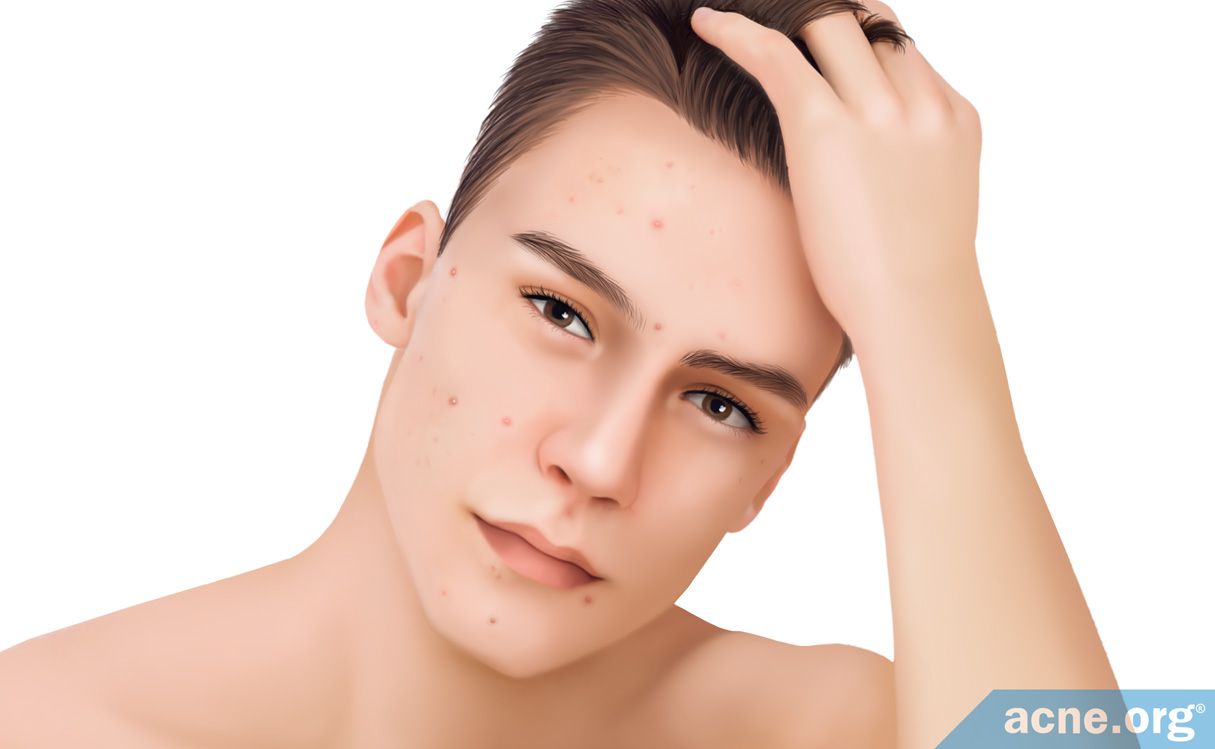
How Acne Affects Self-Esteem
Acne significantly impacts confidence, social interactions, and quality of life, especially during the vulnerable teenage years and particularly in females (although males are also affected).
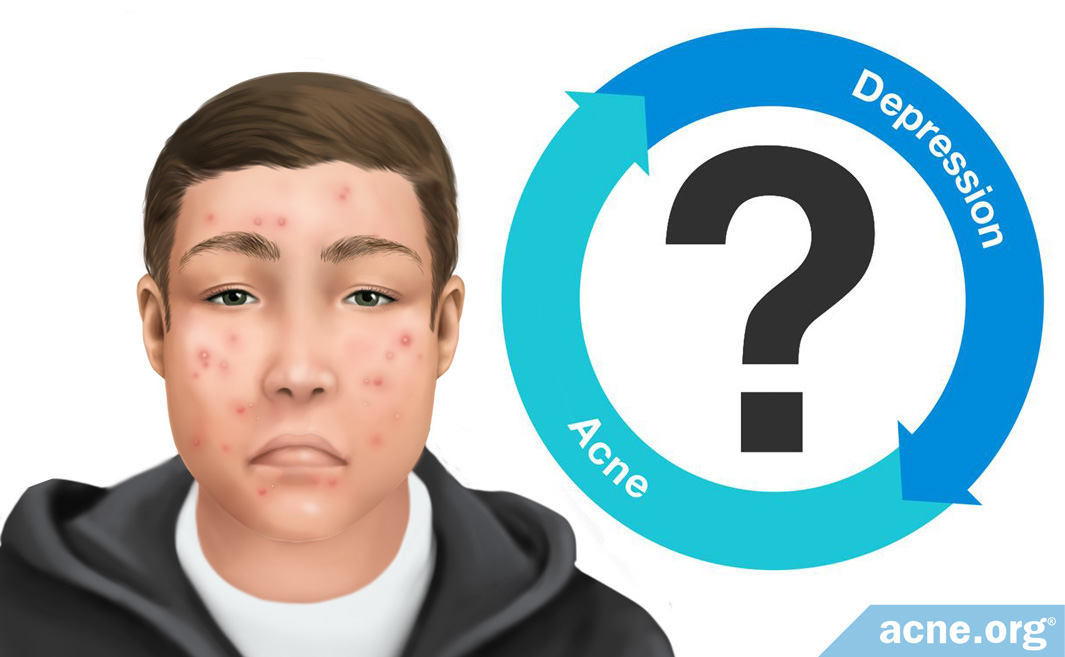
How Are Acne and Depression Related?
Research shows a correlation between acne and depression.
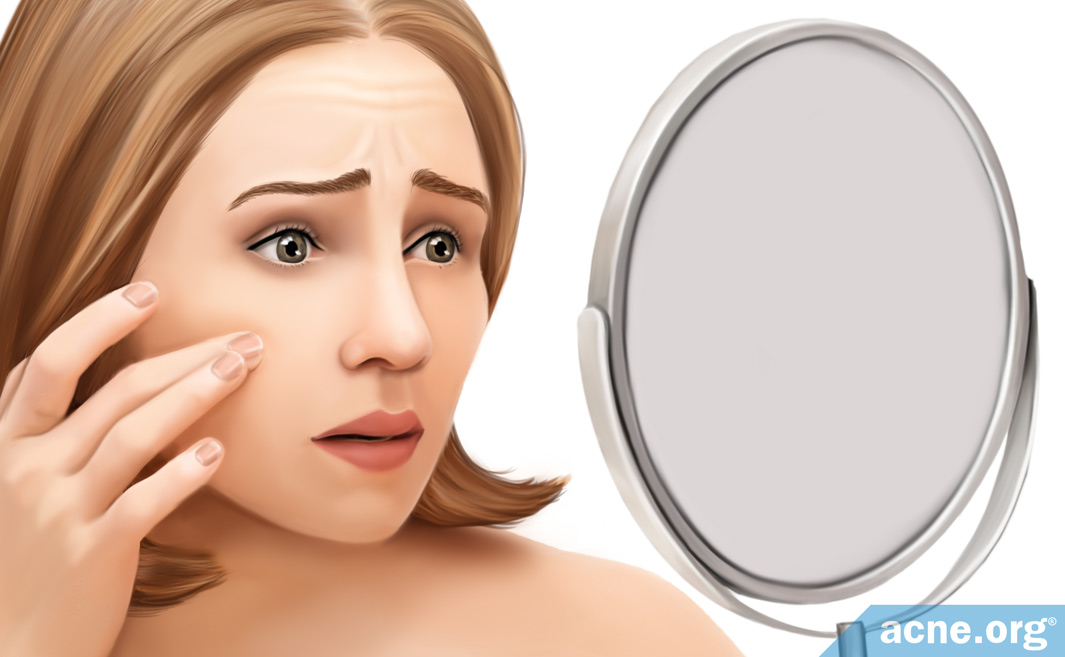
Acne Dysmorphia
Some people with mild acne perceive their condition as far more severe than it is. This condition sometimes requires psychological intervention alongside dermatological treatment.
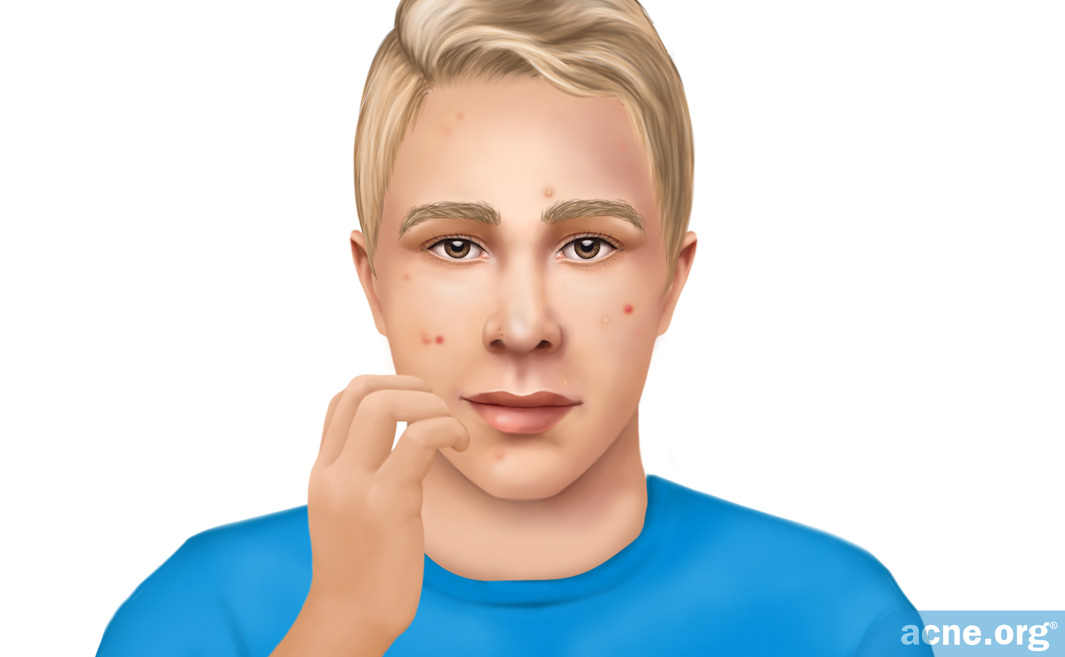
Skin Picking
Excoriation disorder (compulsive skin picking) creates a vicious cycle: picking worsens acne, which increases anxiety, leading to more picking. Breaking this cycle requires understanding it as a psychiatric condition.
Scarring and Hyperpigmentation
For many people, the aftermath of acne is just as bad as the active breakouts. Understanding how scars and red/dark spots (hyperpigmentation) form is essential for prevention. And understanding what makes them worse is important to reduce their duration.
Scarring results from inflammation that destroys normal collagen in the skin. The depth and duration of inflammation as well as a heaping helping of genetics predict scar severity. Early, effective control of acne reduces scarring risk.
Post-inflammatory hyperpigmentation (PIH) arises from melanocyte activation following inflammation and is more persistent in non-Caucasian skin tones.
Prevention of scarring and hyperpigmentation is always best. However, if you already have scarring, there are treatments that can help lessen, but never completely remove, its appearance. If you already have hyperpigmentation, normally it will fade away with time and patience.
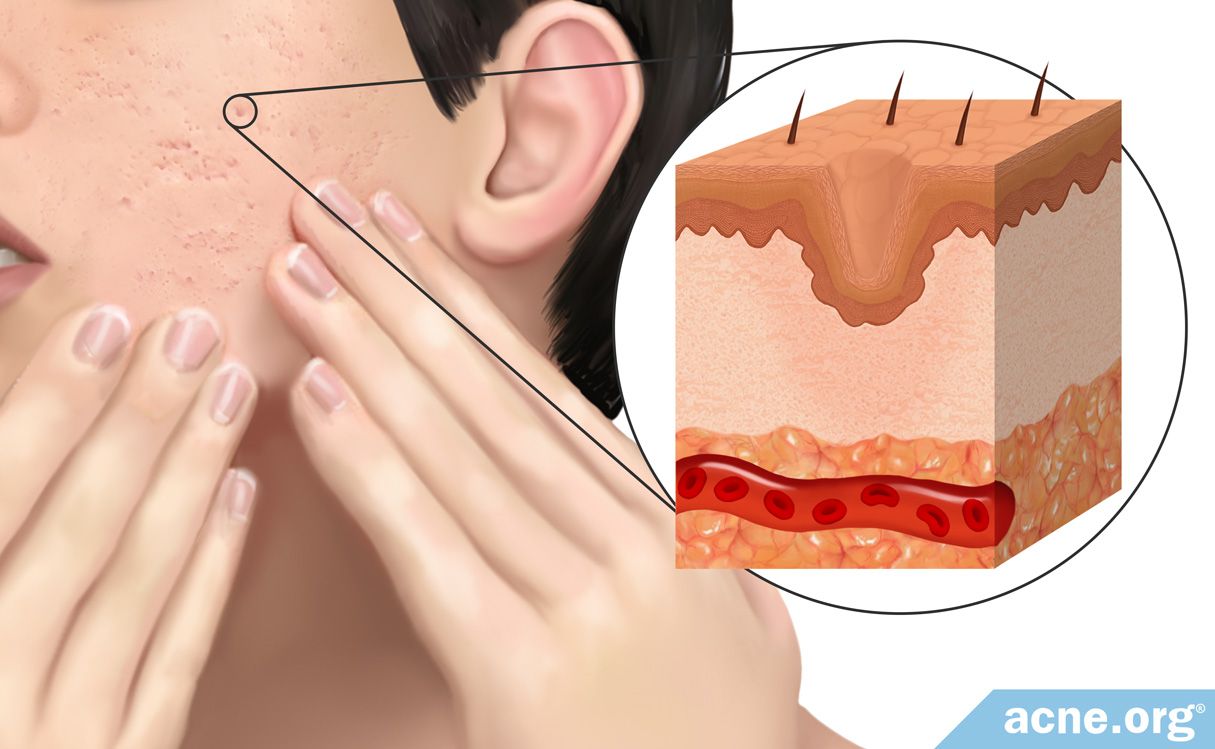
What Causes a Pimple to Scar?
Not all pimples scar, but when they do, it’s due to inflammation combined with genetics. Learn which factors increase scarring risk and how to minimize it.
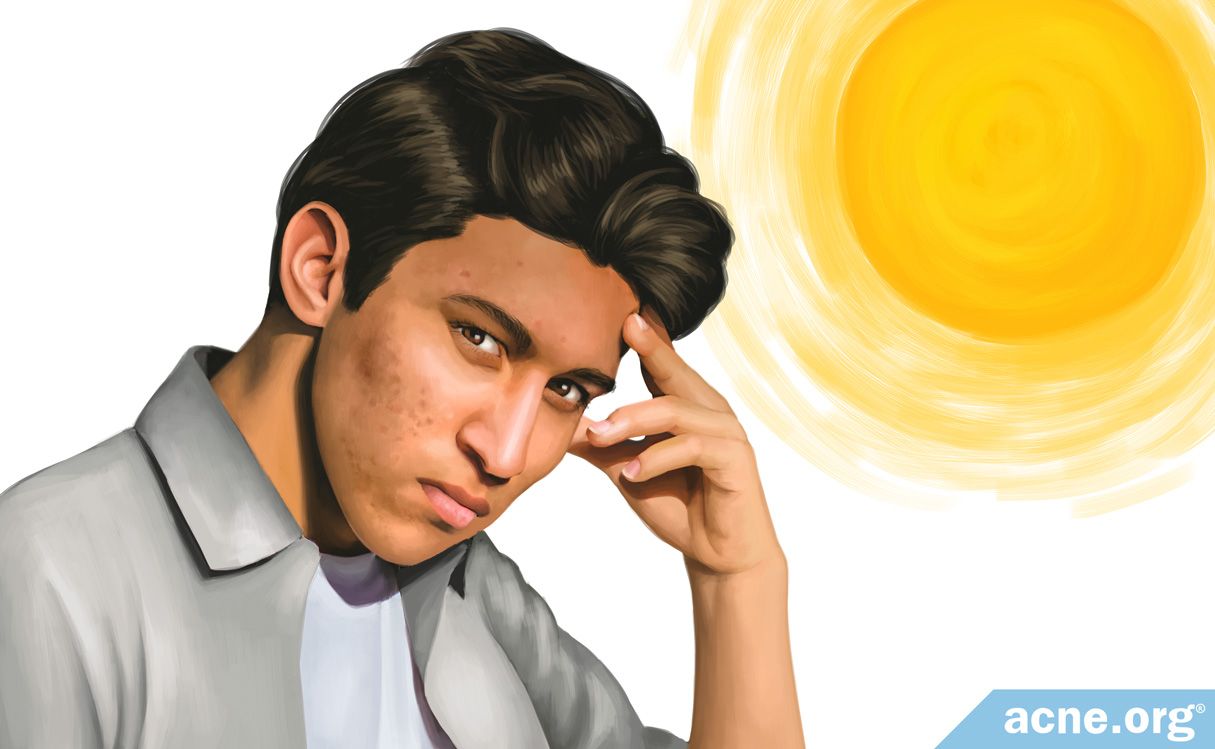
How Sun Exposure Makes Acne Hyperpigmentation Worse
UV rays trigger melanin production, making dark spots darker and longer-lasting, particularly in non-Caucasian skin.
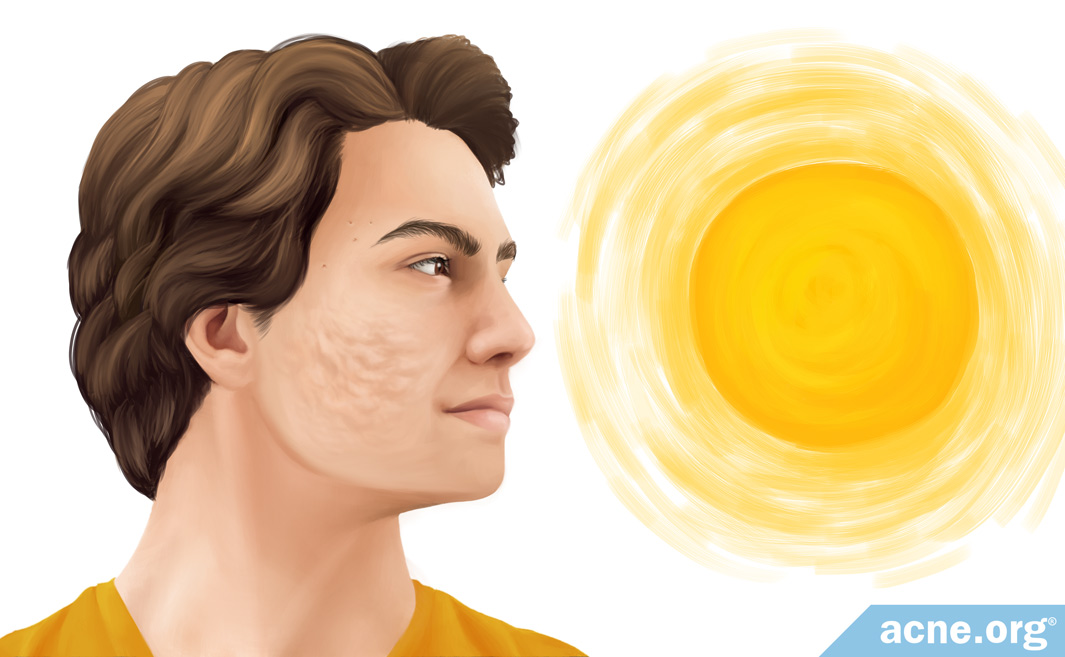
Does Sun Exposure Make Acne Scars Worse?
We still aren’t exactly sure how sun exposure affects scarring.
Related Conditions and Look Alikes
Many skin conditions resemble acne or occur alongside it. Distinguishing between them is crucial because treatments that work for acne may worsen other conditions, and vice versa.
Rosacea, dermatitis, folliculitis, and keratosis pilaris share overlapping features but require distinct management.
Similar But Different
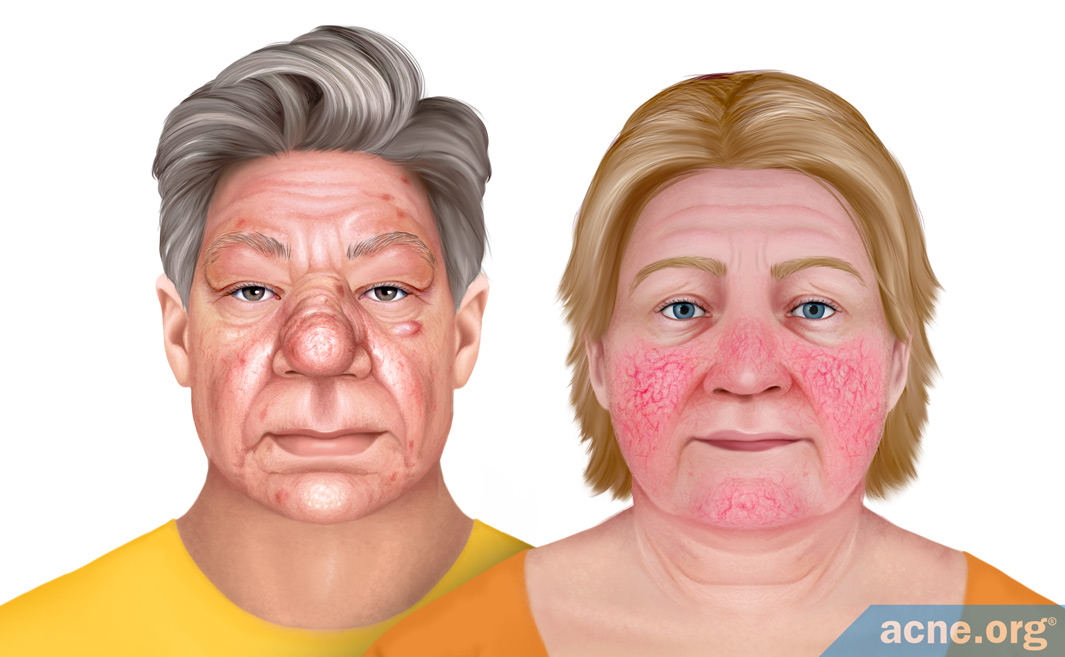
Rosacea
A chronic inflammatory condition that affects people over 30. It can present in various ways, including with redness, flushing, and papules and pustules. Sometimes, the skin of the nose can overgrow, and the eyes can become affected as well. Often confused with acne but requires different management.
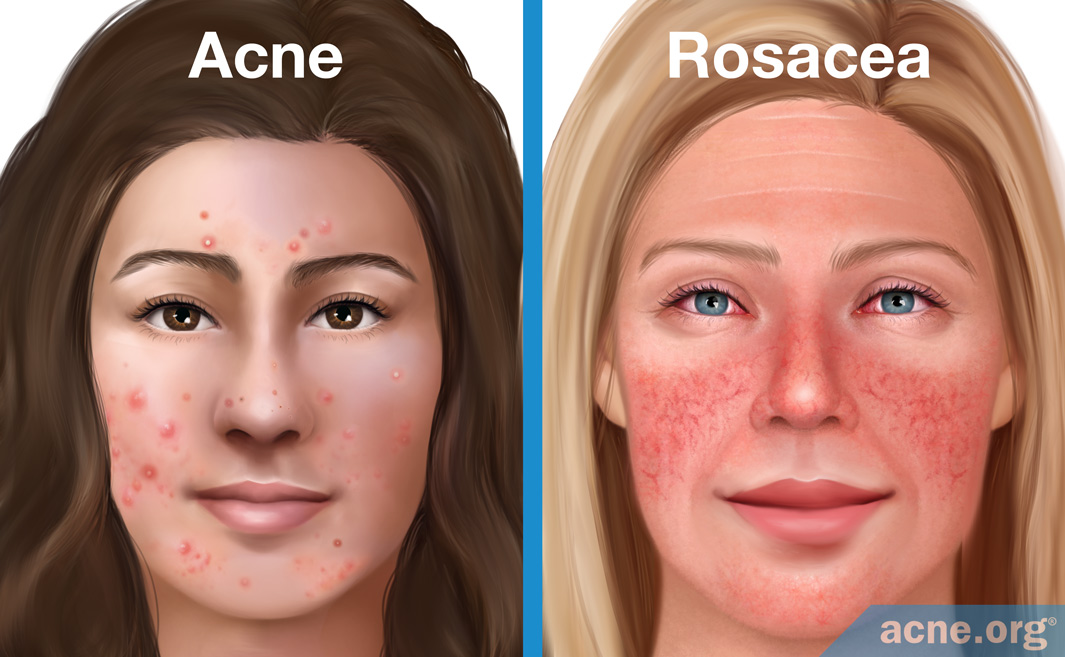
Acne vs. Rosacea
How to distinguish between these two conditions, why the difference matters, and what to do if you have both.
Other Skin Conditions
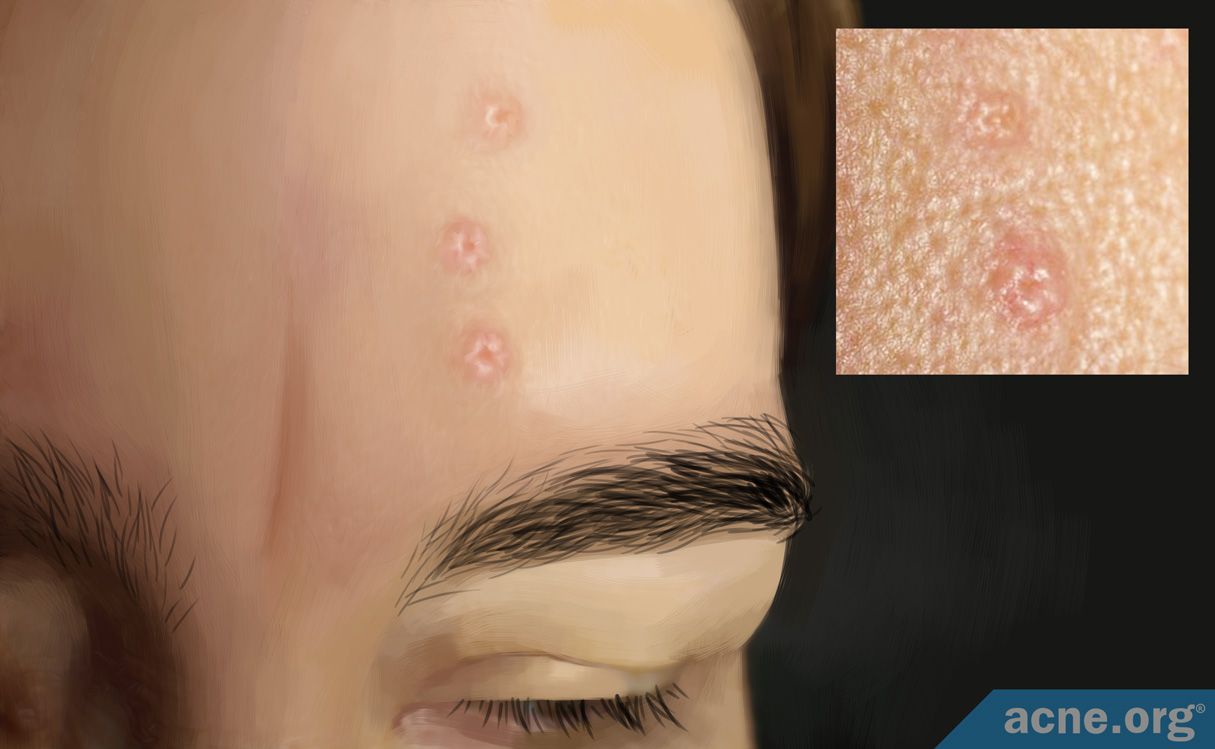
What Is Sebaceous Hyperplasia, and Is It the Same as Acne?
These small, donut-shaped bumps are common in adults over 40. They’re caused by enlarged oil glands, not clogged pores, and don’t respond to acne treatments.
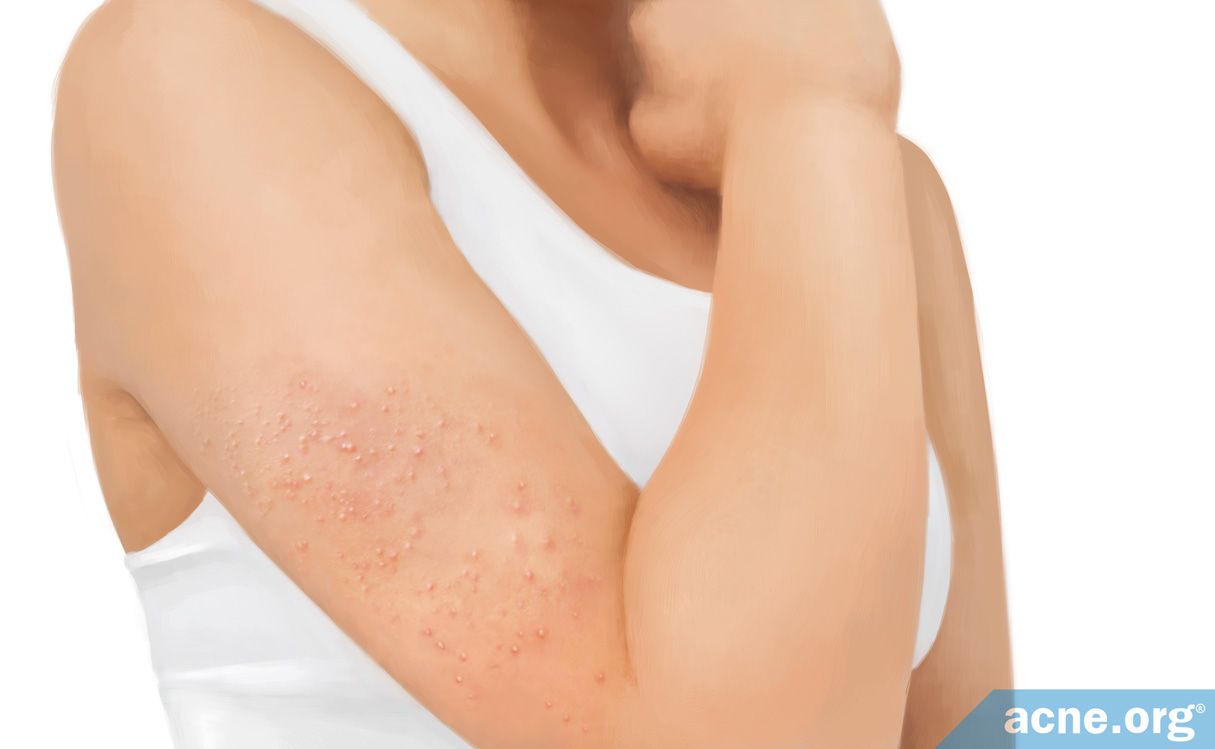
Keratosis Pilaris – Symptoms, Causes, and Treatments
“Chicken skin” bumps on arms and thighs aren’t acne. They’re caused by keratin buildup around hair follicles.
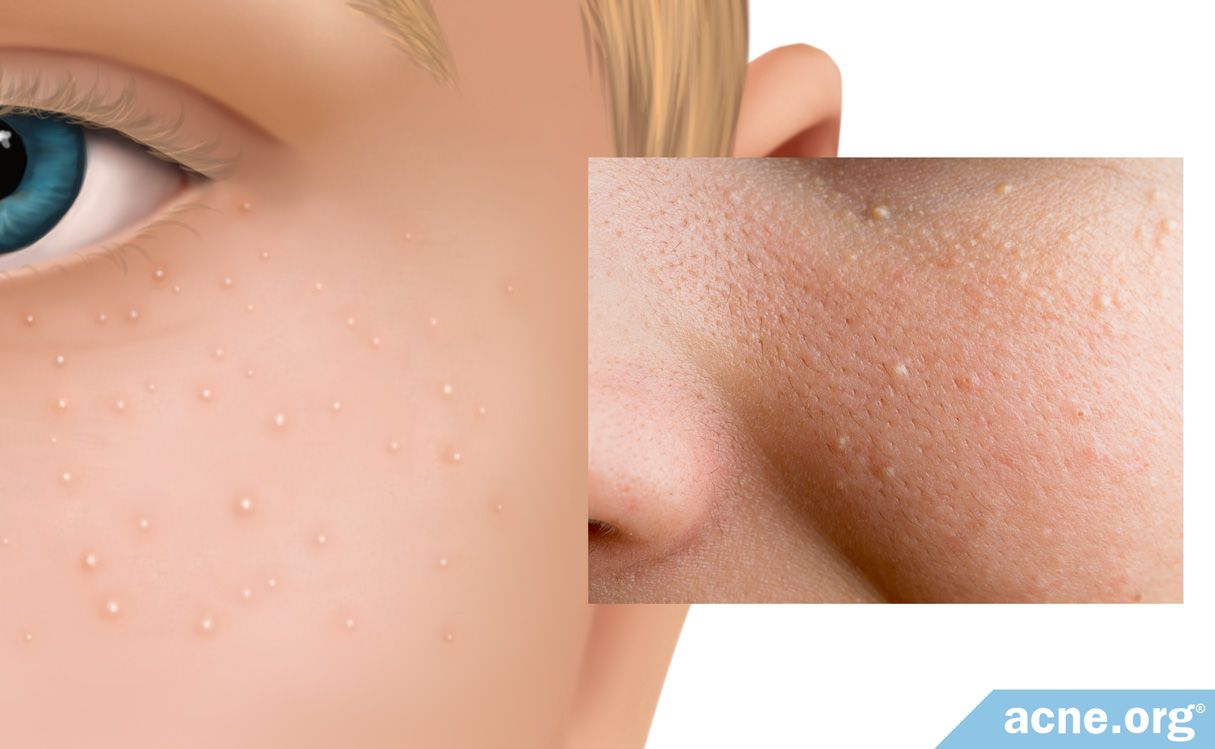
What Are Milia, and Do They Relate to Acne?
These tiny white bumps look like whiteheads but are actually keratin cysts. They don’t respond to acne treatments and require different removal techniques.
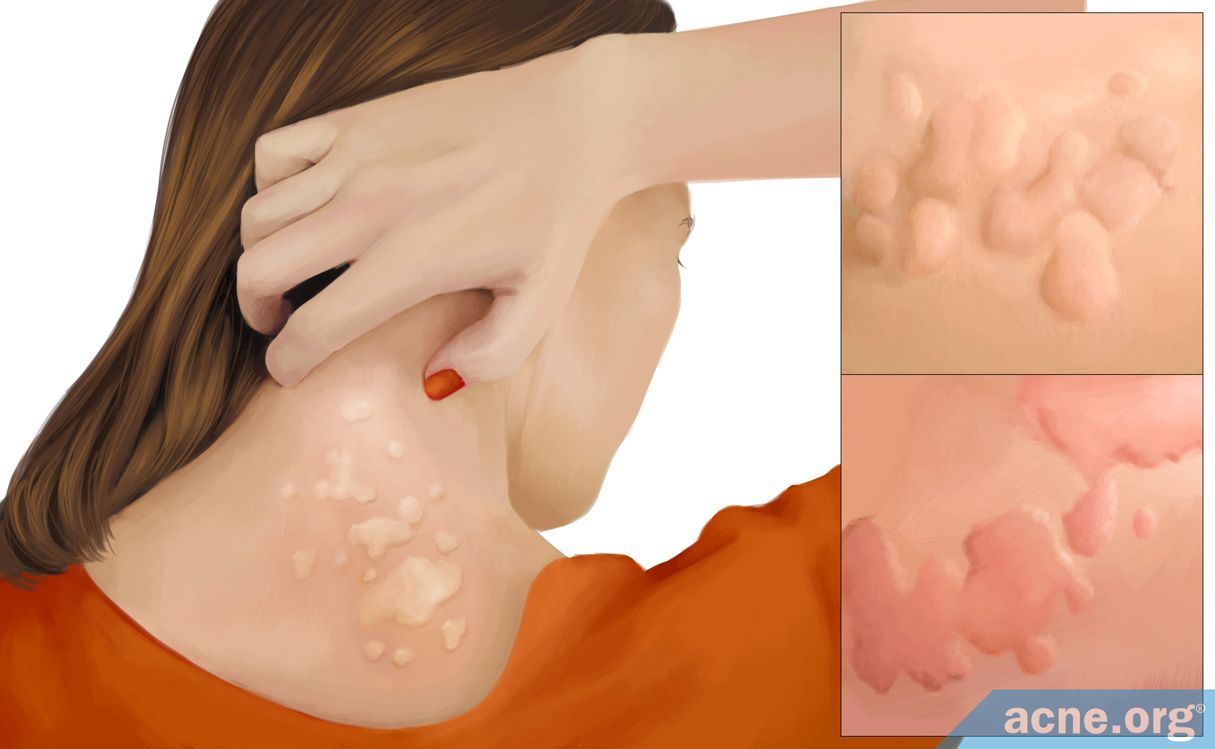
Hives (Urticaria)
Raised, itchy welts from allergic reactions. Sometimes mistaken for sudden acne outbreaks but have completely different causes.
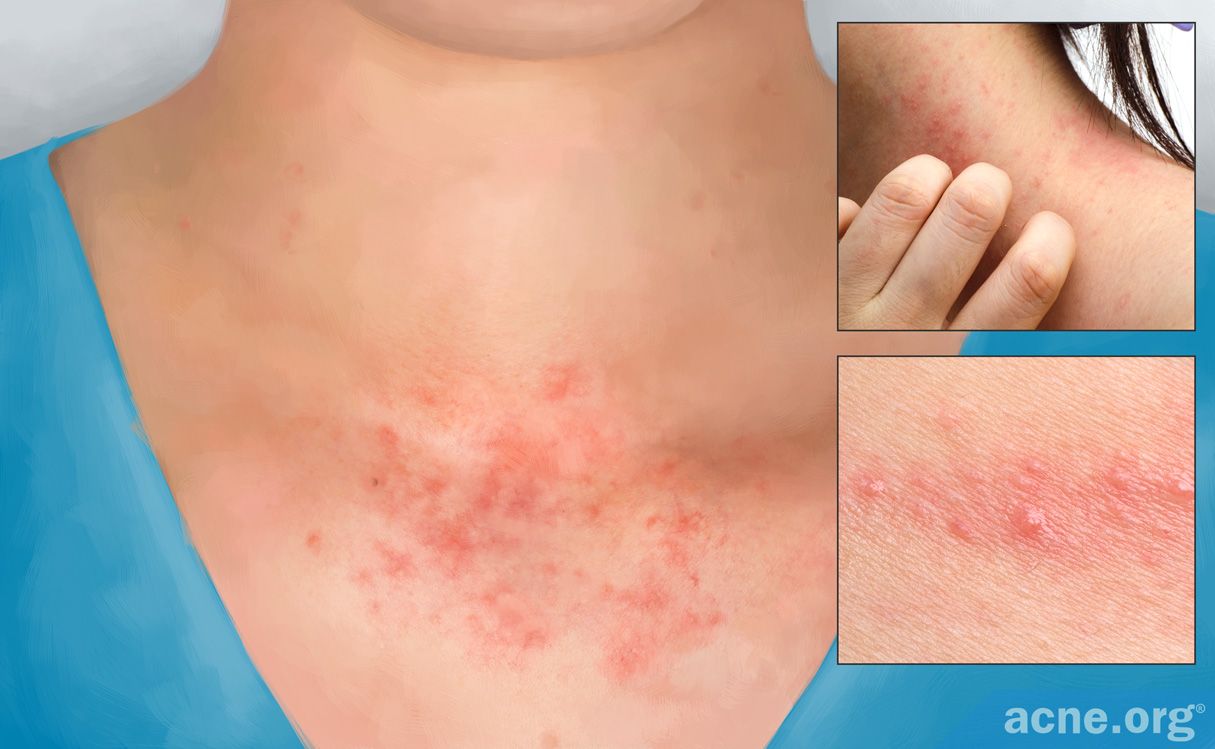
Contact Dermatitis
Skin irritation from direct contact with allergens or irritants. Can trigger acne-like bumps and complicate existing acne.
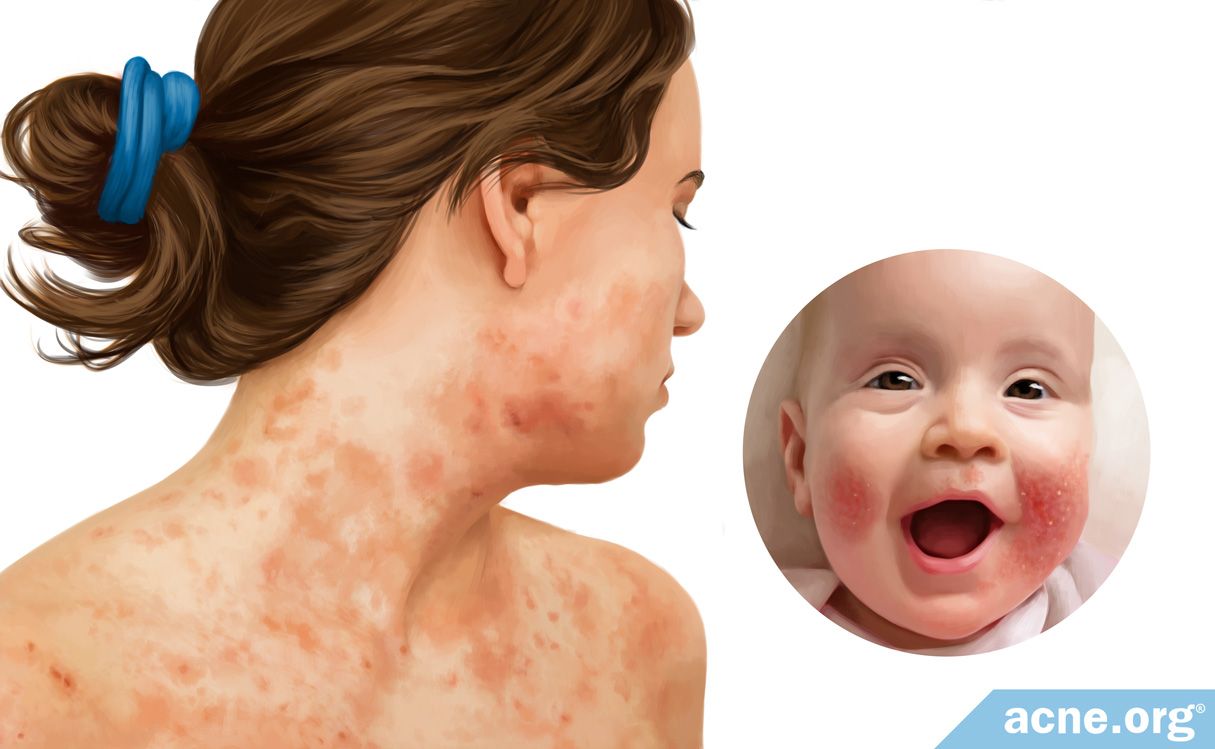
Eczema (Atopic Dermatitis)
A chronic inflammatory condition that can coexist with acne, complicating treatment since many acne products are too harsh for eczema-prone skin.
Products and Ingredients
Understanding what you put on your skin is crucial. Some ingredients help clear acne, while others can make it worse, even if they’re marketed as beneficial.
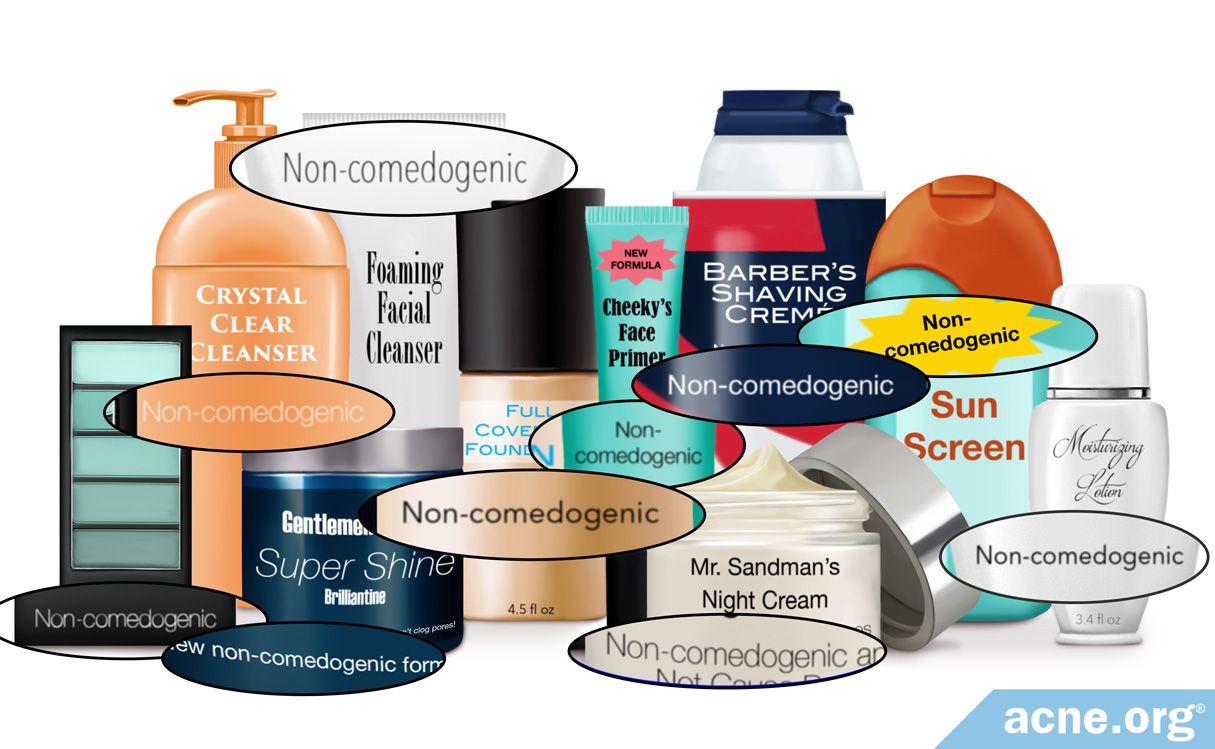
What Do “Comedogenic” and “Non-comedogenic” Mean?
Comedogenic ingredients clog pores and can trigger breakouts. This article explains the testing behind these terms and why they matter.
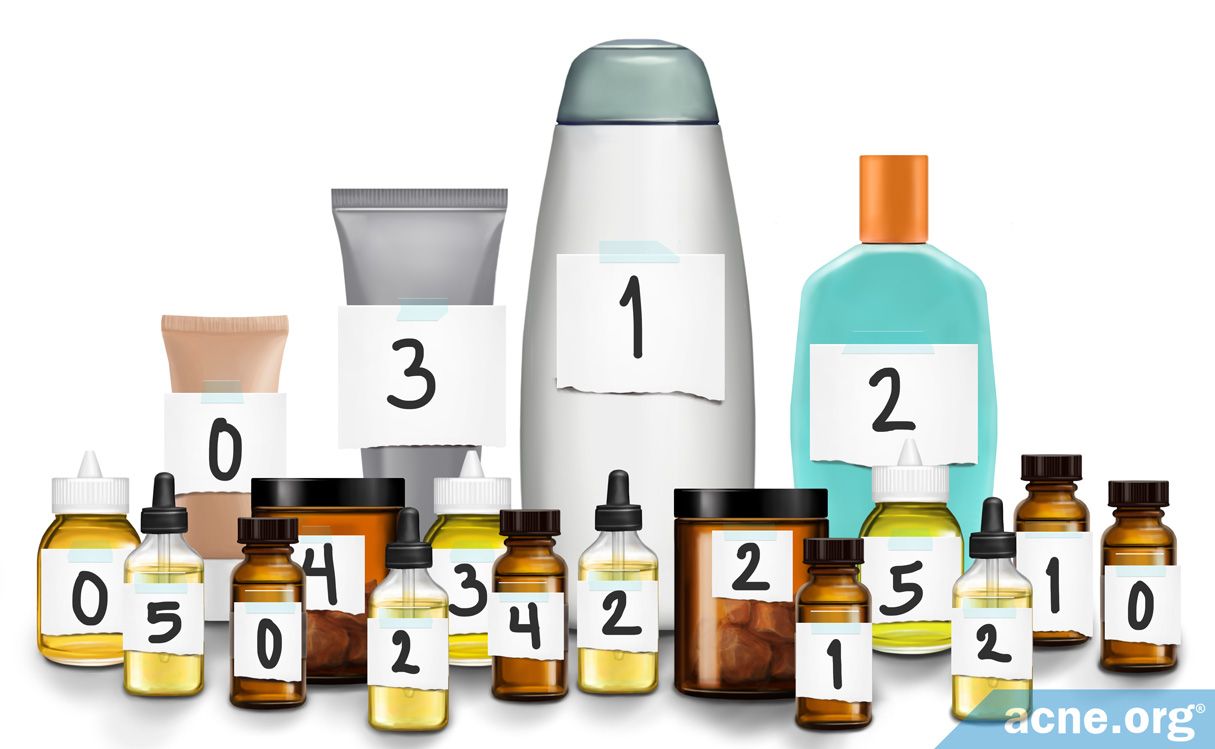
What Is Comedogenicity, and What Ingredients Are Comedogenic?
The essential reference list: which specific ingredients to avoid if you’re prone to clogged pores. Bookmark this for checking product labels.
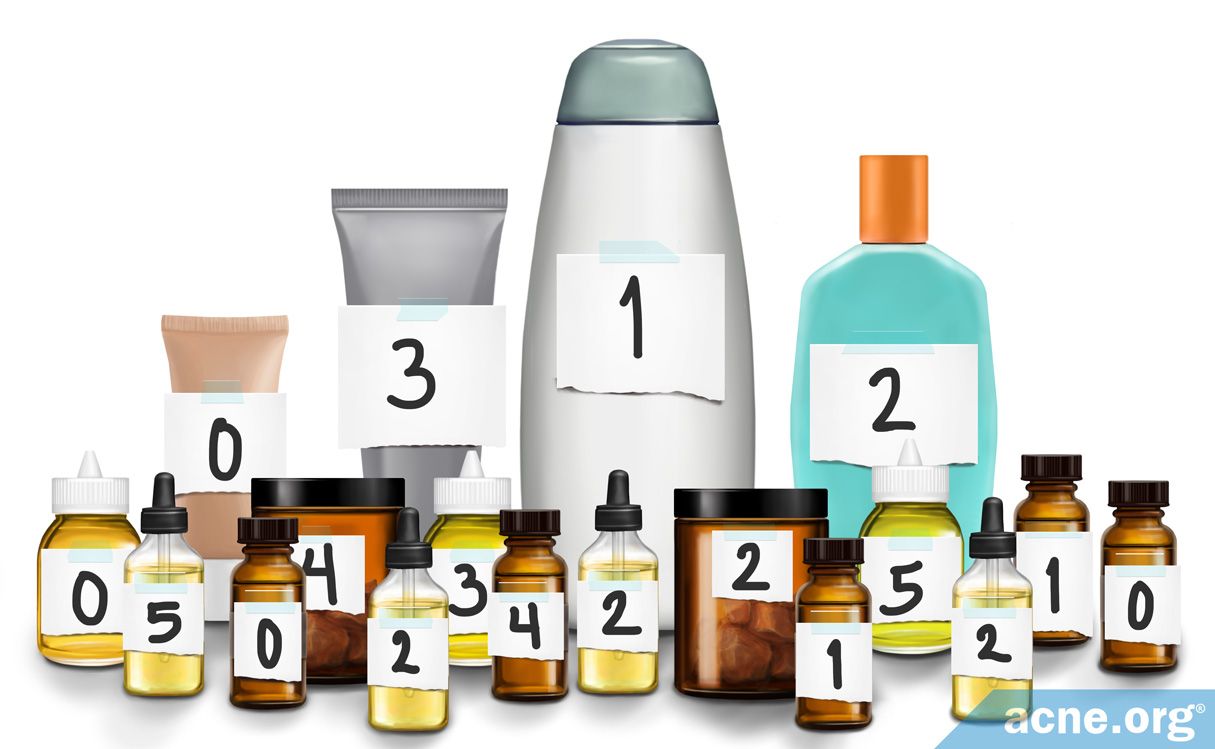
What Is Comedogenicity, and What Ingredients Are Comedogenic? The Full Story
A deep dive. The science behind comedogenicity testing, why results can be inconsistent, and how to interpret ingredient lists critically.
Practical Tips and Techniques
Sometimes small details make a big difference. These articles cover practical, day-to-day questions about managing acne-prone skin.
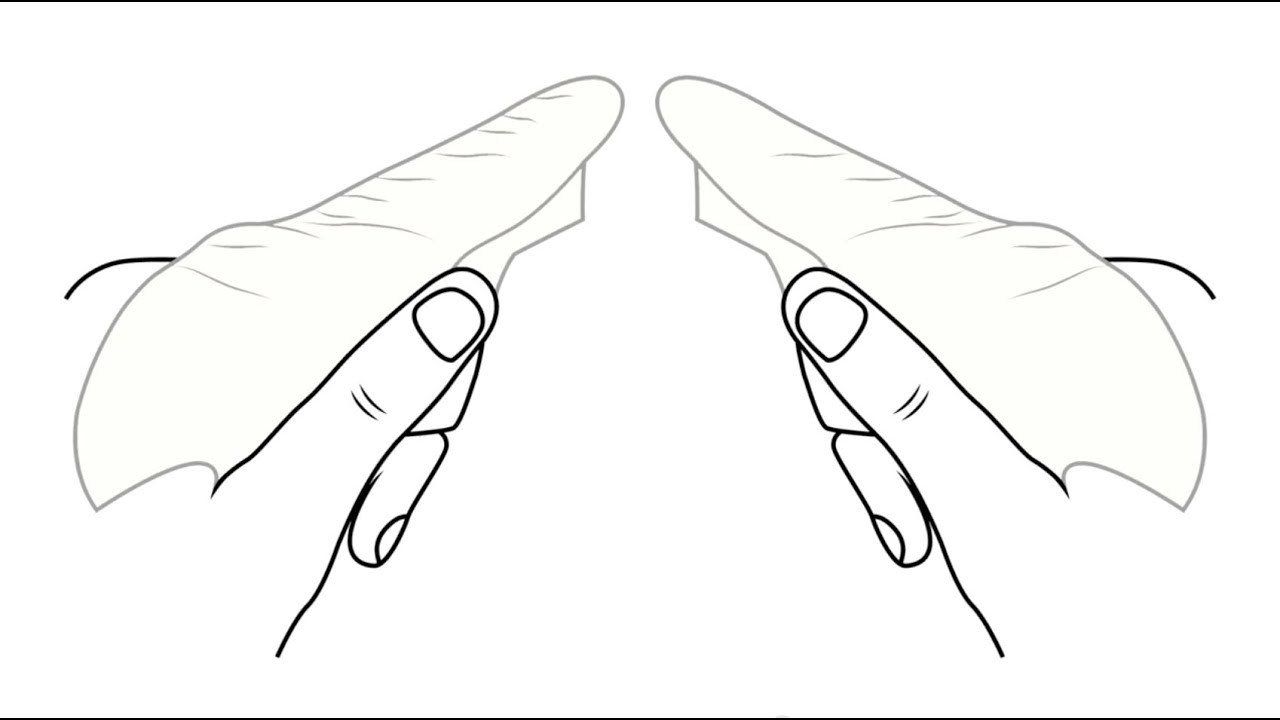
How to Pop a Pimple
If you must pop, make sure to do it confidently and safely to minimize scarring. This guide shows you how.
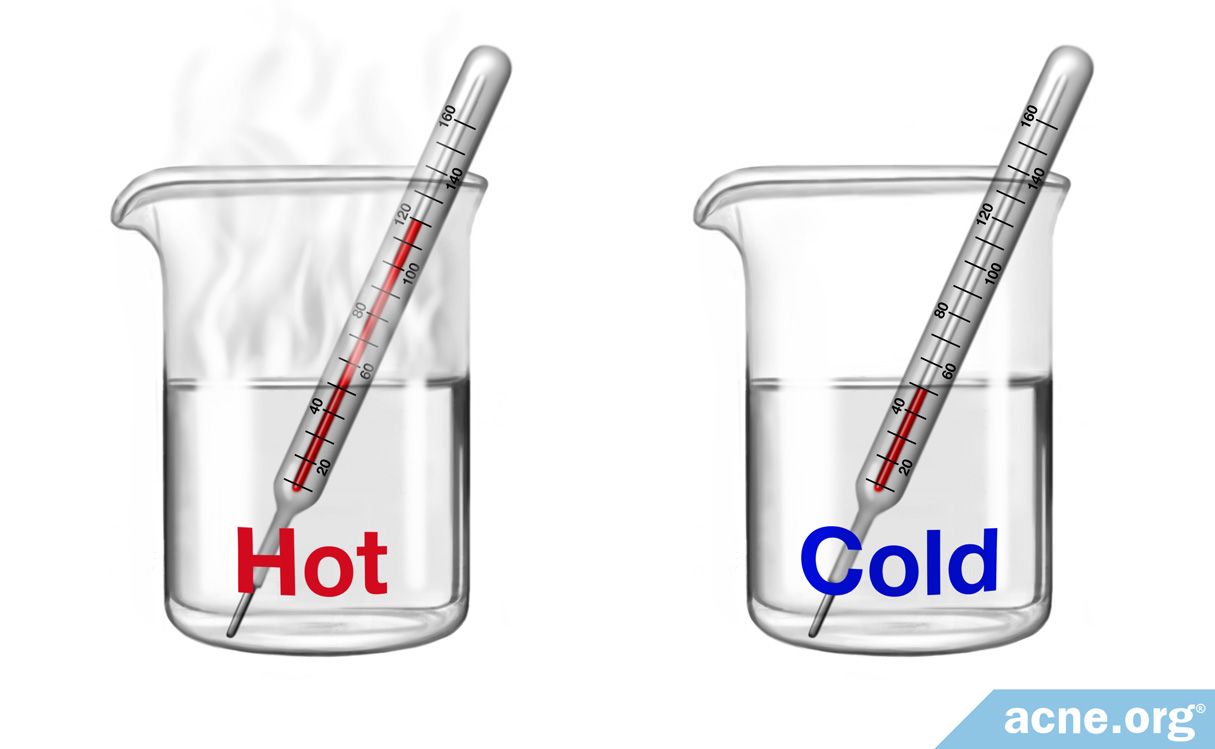
Should You Wash Your Skin with Hot or Cold Water?
Temperature matters. Hot water can be irritating and drying. Use warm or cool/cold water.
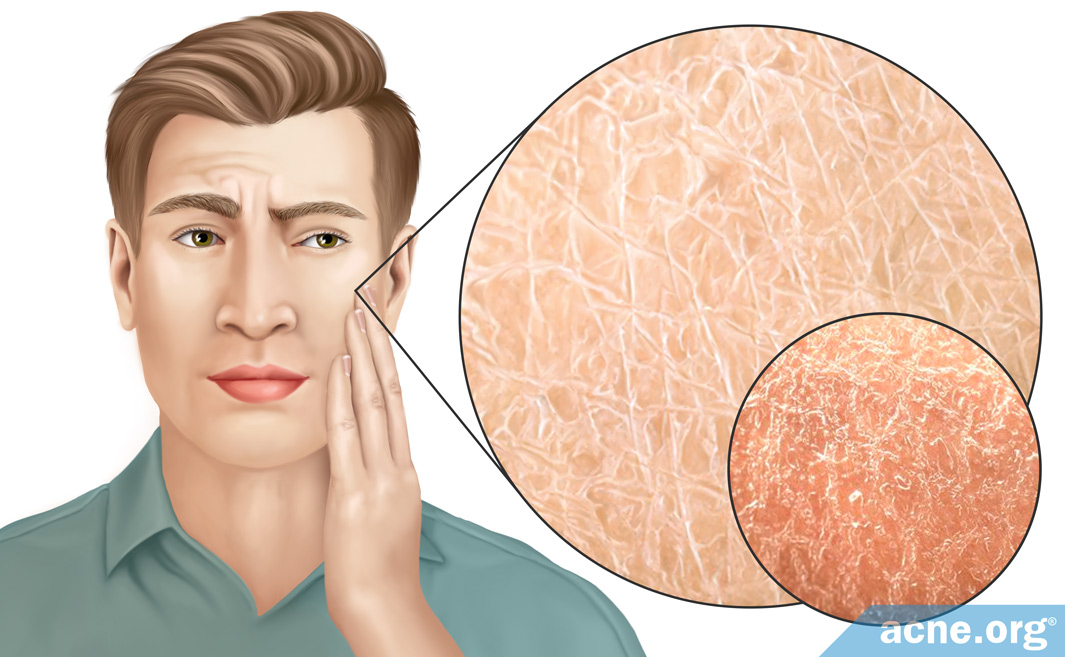
Dry Skin: Causes and Treatments
Yes, you can have both acne and dry skin. In fact, many acne treatments cause dryness. Learn how to moisturize effectively without triggering breakouts.

Sensitive Skin: What It Is and What You Can Do about It
Sensitive skin reacts to products with burning, itching, and irritation. Learn how to identify your triggers and build a routine that treats acne without causing reactions.