 Acne.org Products
Over-the-Counter Acne Treatments: The Complete Knowledge Hub (0% AI – 100% human research and writing)
You don’t always need a prescription to treat acne effectively. Over-the-counter (OTC) treatments offer powerful options that you can purchase at any drugstore or online.
This hub covers the major categories of OTC acne treatments, including benzoyl peroxide, salicylic acid, alpha and beta hydroxy acids, and other ingredients, along with how they work and what to expect.
The information is as science-based and thorough as possible. If you find anything inaccurate or that needs updating, please don’t hesitate to reach out.
OTC Treatment Overview
An overview of the main over-the-counter ingredients available for treating acne without a prescription.
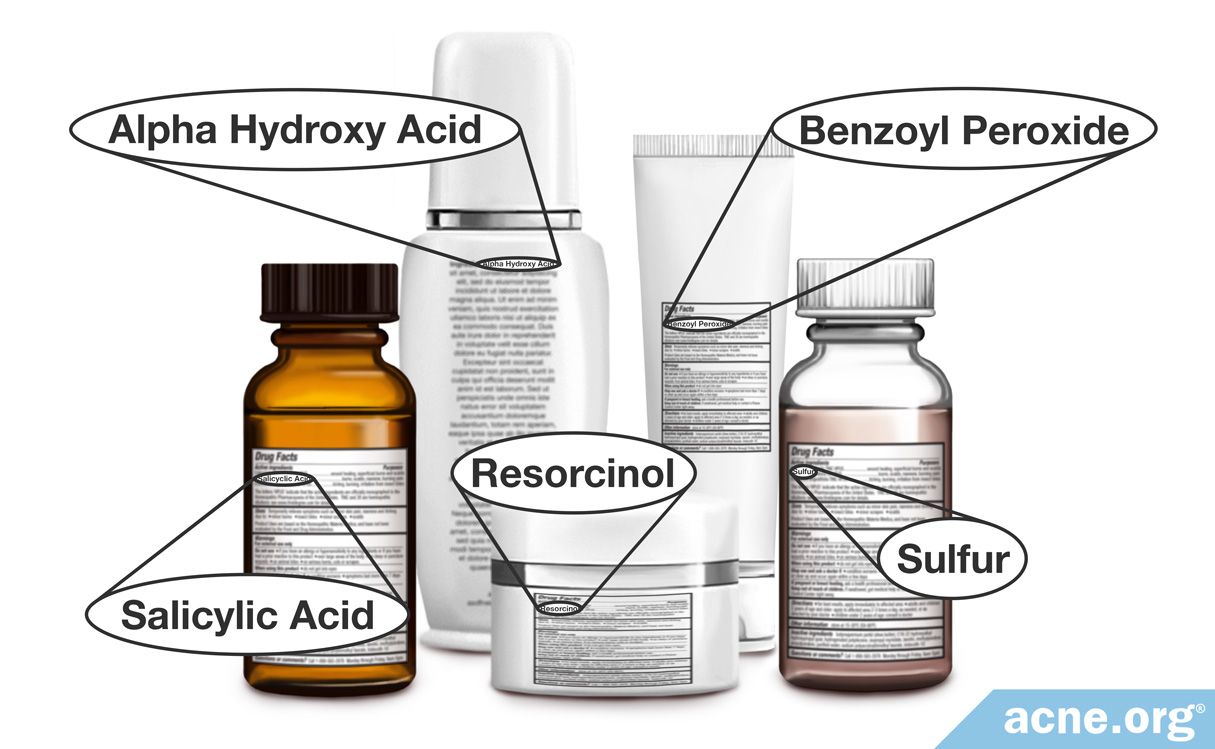
Over-the-Counter Treatment Ingredients
Your complete reference. An alphabetical listing of all OTC acne treatment ingredients and how they work.
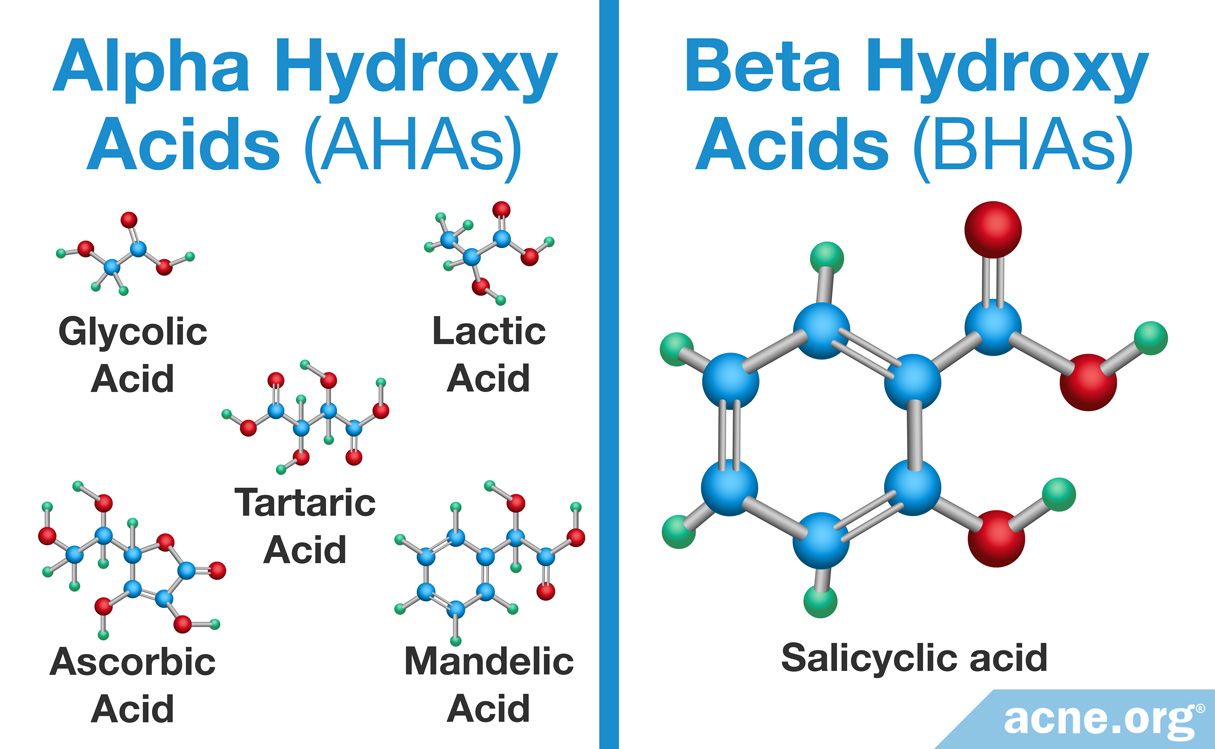
Alpha Hydroxy Acids (AHAs) vs. Beta Hydroxy Acids (BHAs)
AHAs and BHAs are both hydroxy acids used to treat acne, but differ in how they affect the skin.
Benzoyl Peroxide
Benzoyl peroxide is one of the most effective and widely used OTC acne treatments. It kills bacteria, unclogs pores, and reduces inflammation.
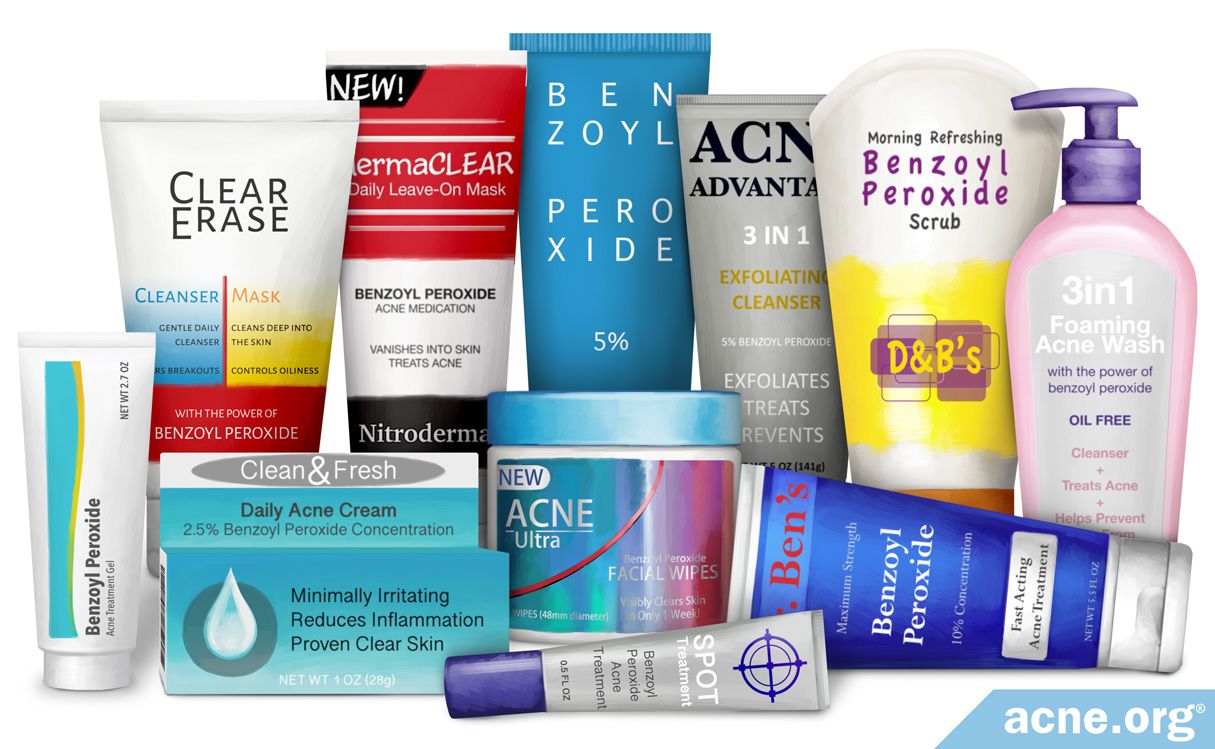
Everything You Need to Know About Benzoyl Peroxide
The complete guide. Benzoyl peroxide is a topical acne medication that kills bacteria, exfoliates the skin, reduces inflammation, and clears clogged pores.
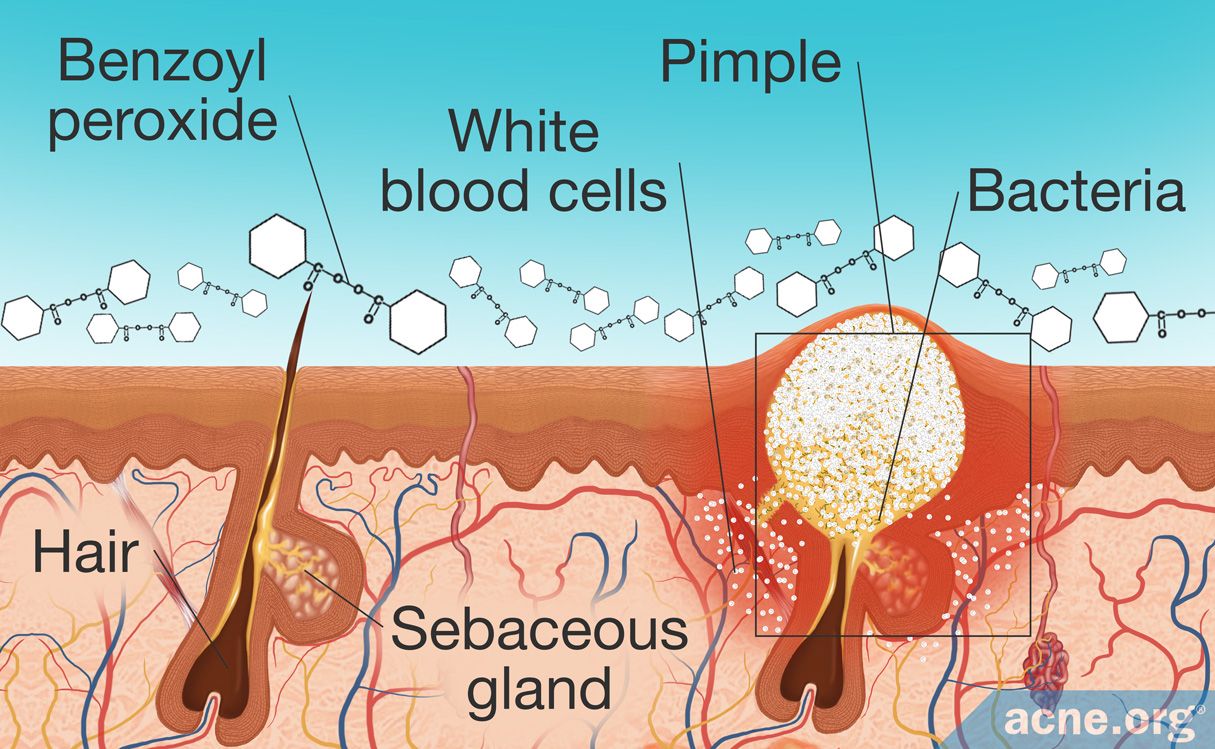
How Does Benzoyl Peroxide Work in the Skin?
The mechanism explained. It kills bacteria and unclogs pores through oxidation.
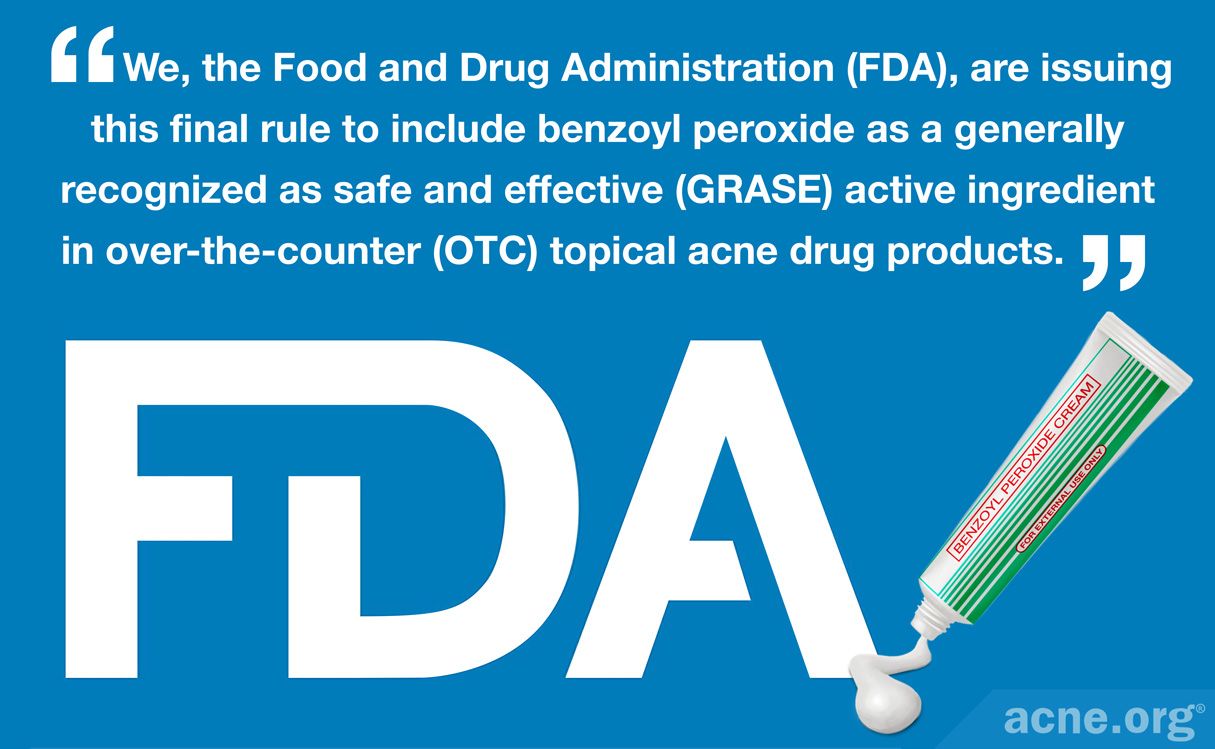
Is Benzoyl Peroxide Safe?
Benzoyl peroxide is safe and effective, with manageable side effects that decrease with continued use.
Does Benzoyl Peroxide Cause the Skin to Age Faster?
Unclear. It may or may not. To be extra safe, apply an antioxidant-containing moisturizer after treating with benzoyl peroxide.
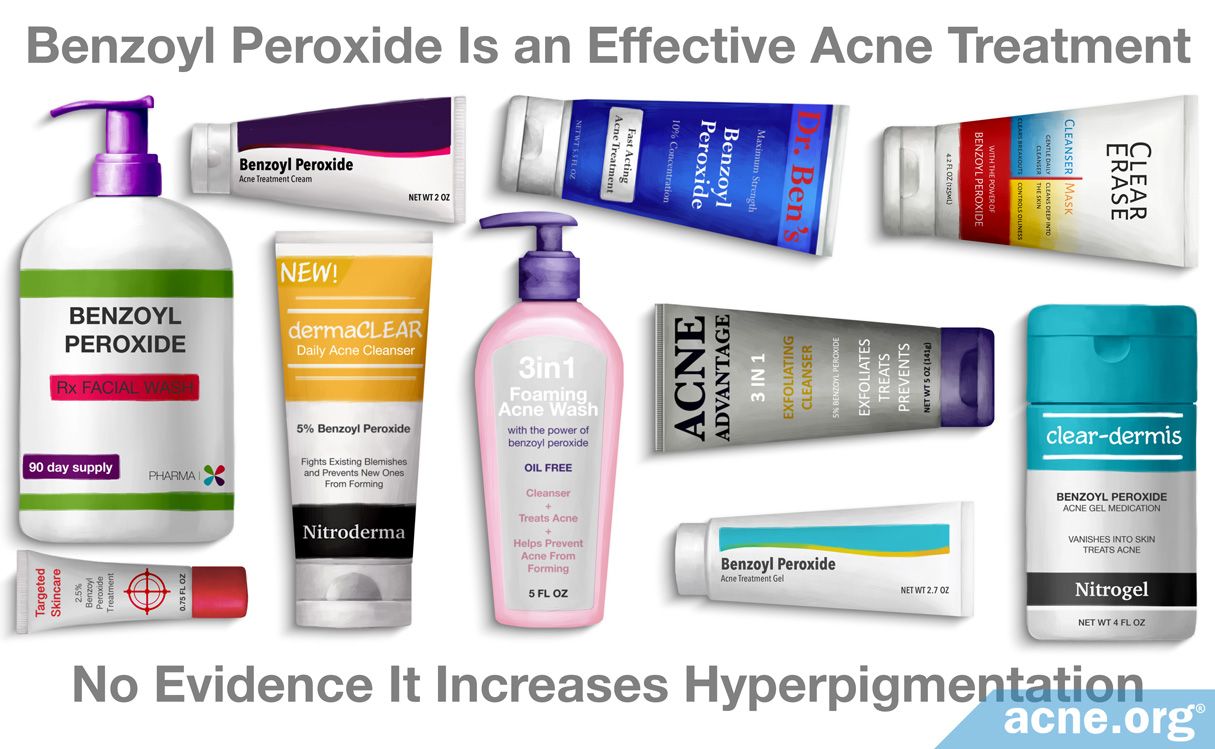
Does Benzoyl Peroxide Make Hyperpigmentation Worse?
No evidence of this. There is no compelling evidence to date that benzoyl peroxide worsens hyperpigmentation.
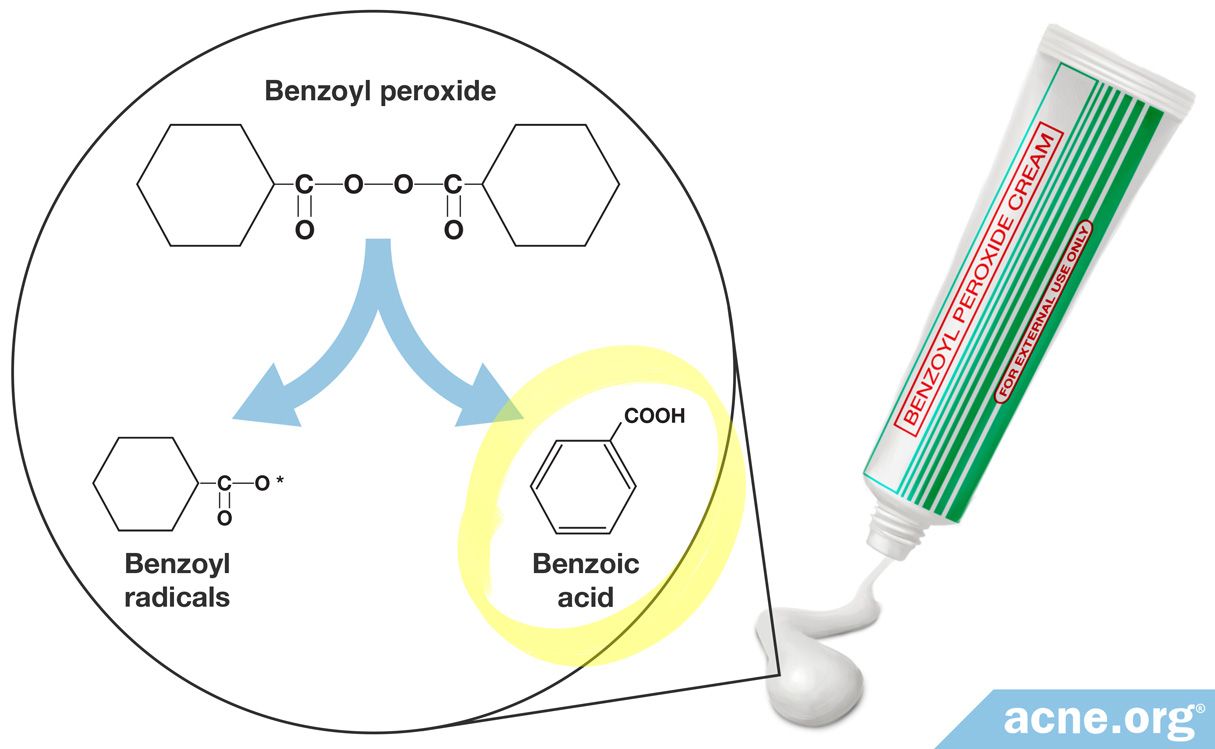
What is Benzoic Acid and Can it Help Clear Acne?
A breakdown product. Benzoic acid forms from the breakdown of benzoyl peroxide on the skin and may work similarly to salicylic acid.
Salicylic Acid and BHAs
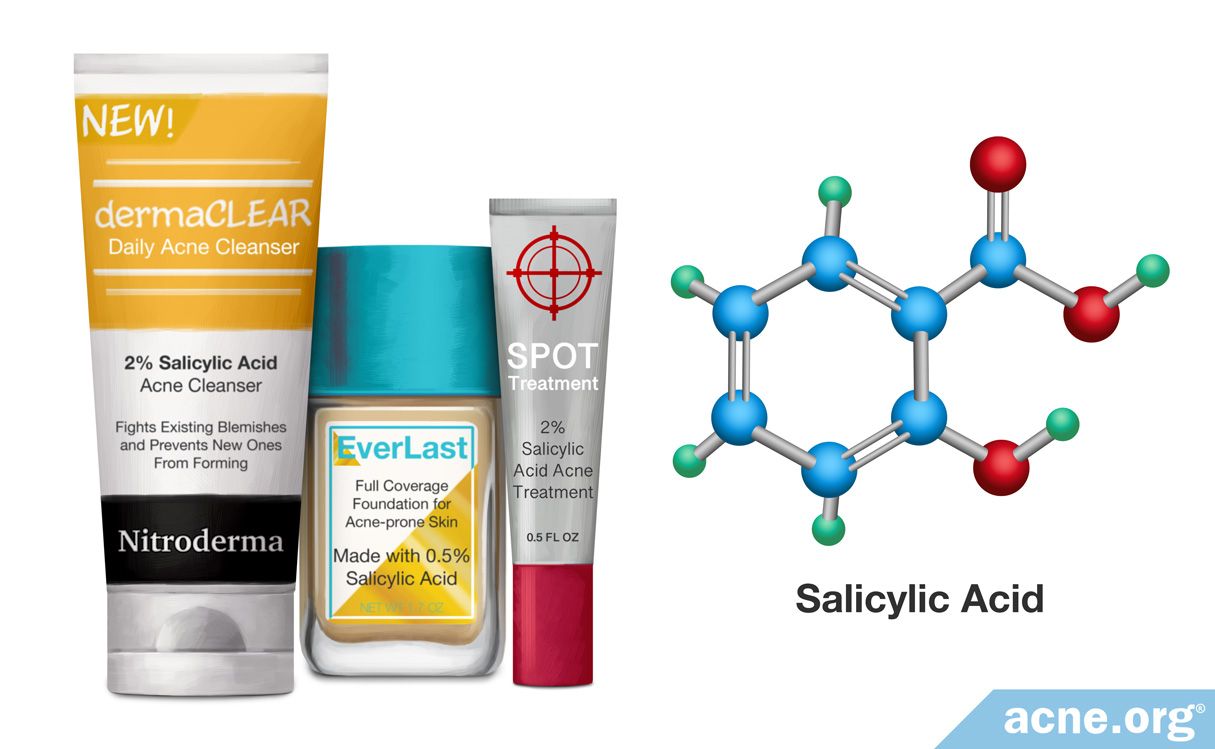
Salicylic acid is a beta hydroxy acid (BHA) that helps unclog pores and reduce inflammation. It’s oil-soluble, so it penetrates into pores effectively.
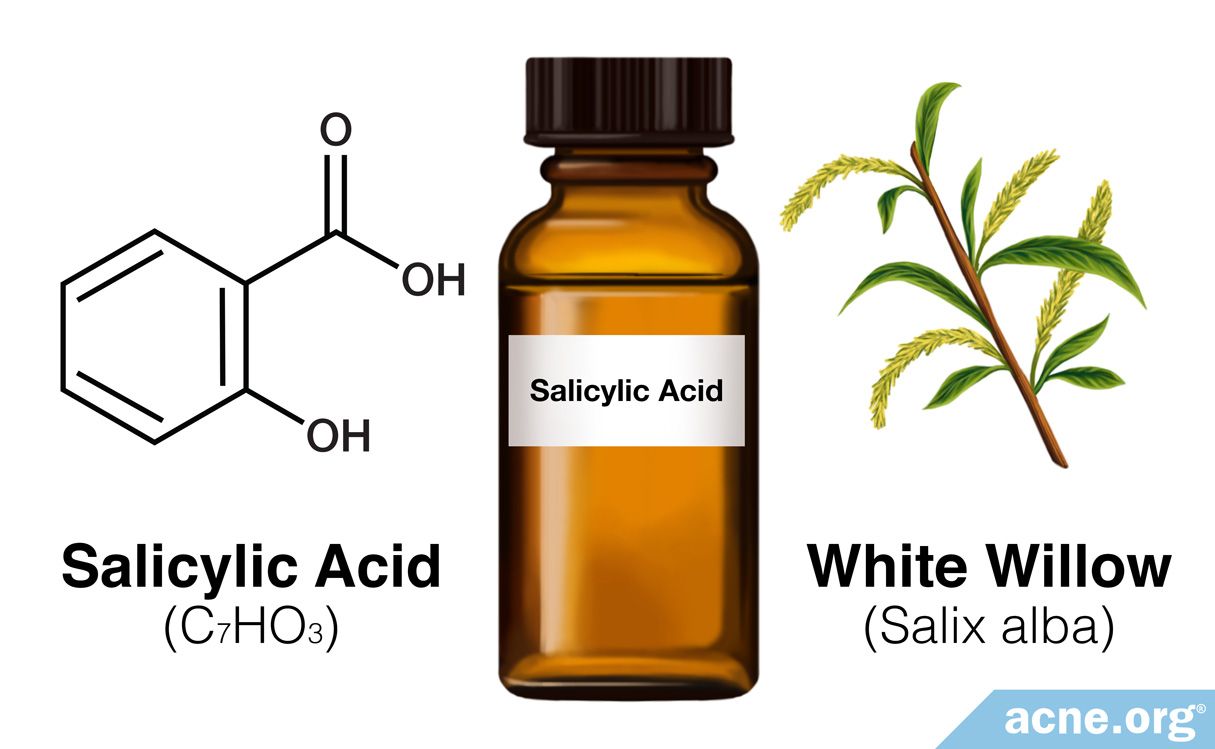
Salicylic Acid
A common acne-fighting ingredient. Salicylic acid helps unclog pores and reduce inflammation, but it only works partially to clear the skin.
How Beta Hydroxy Acids (BHAs) Help with Acne
Multiple mechanisms. BHAs exfoliate the skin, reduce inflammation, decrease skin oil, reduce bacteria, decrease hyperpigmentation, and promote penetration of other medications.
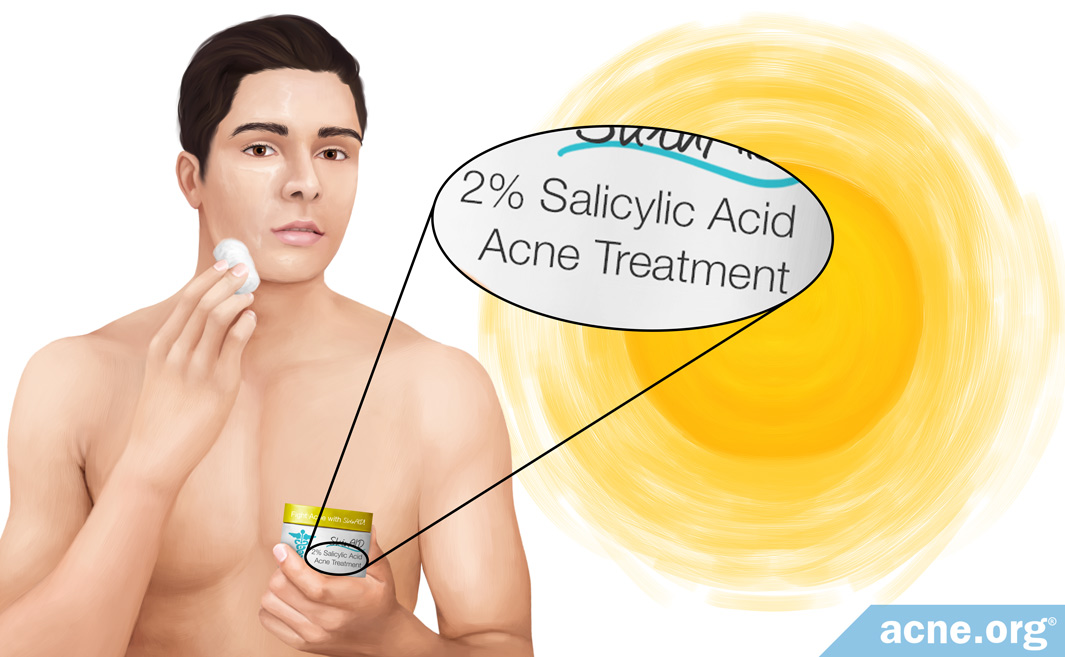
Does Salicylic Acid Make Your Skin More Sensitive to the Sun?
Probably not. But until more research confirms this, err on the side of caution and wear sunscreen while using salicylic acid.
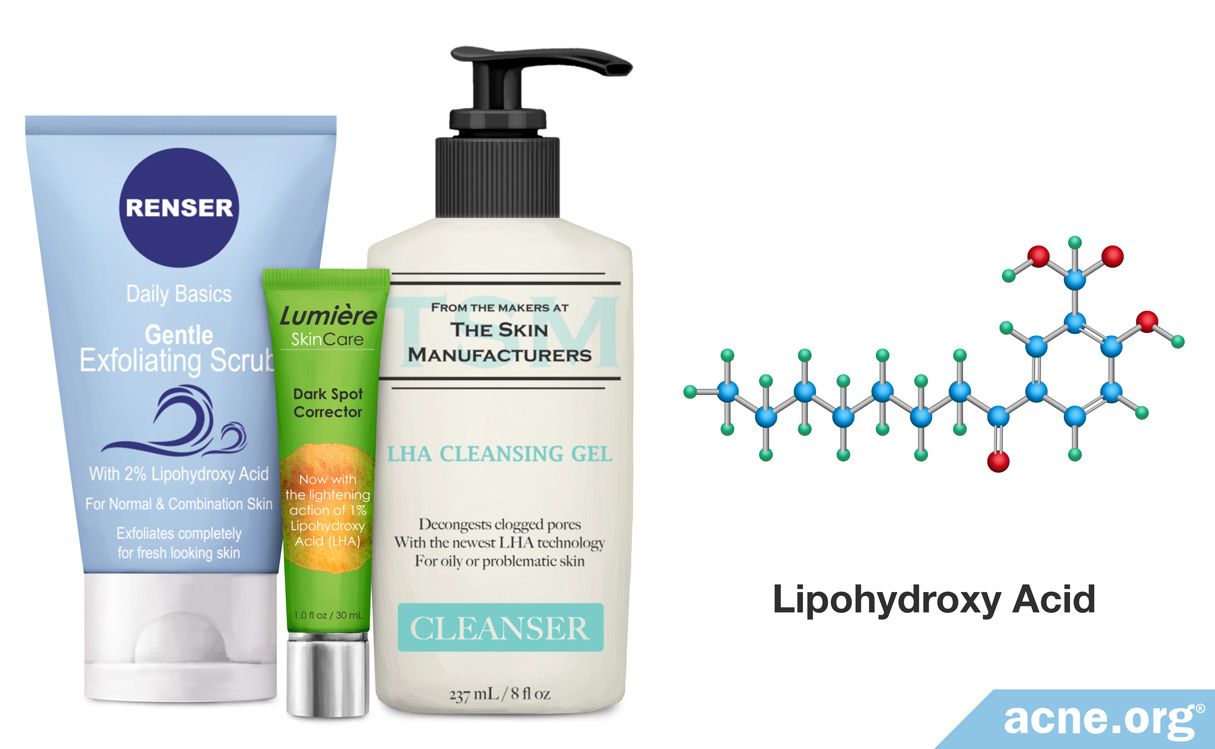
How Lipohydroxy Acid Helps with Acne
A gentler BHA. Lipohydroxy acid works by exfoliating the skin, reducing inflammation, decreasing skin oil, reducing bacteria, and more.
Alpha Hydroxy Acids (AHAs)
Alpha hydroxy acids like glycolic acid and lactic acid exfoliate the skin surface, helping to unclog pores and improve skin texture.
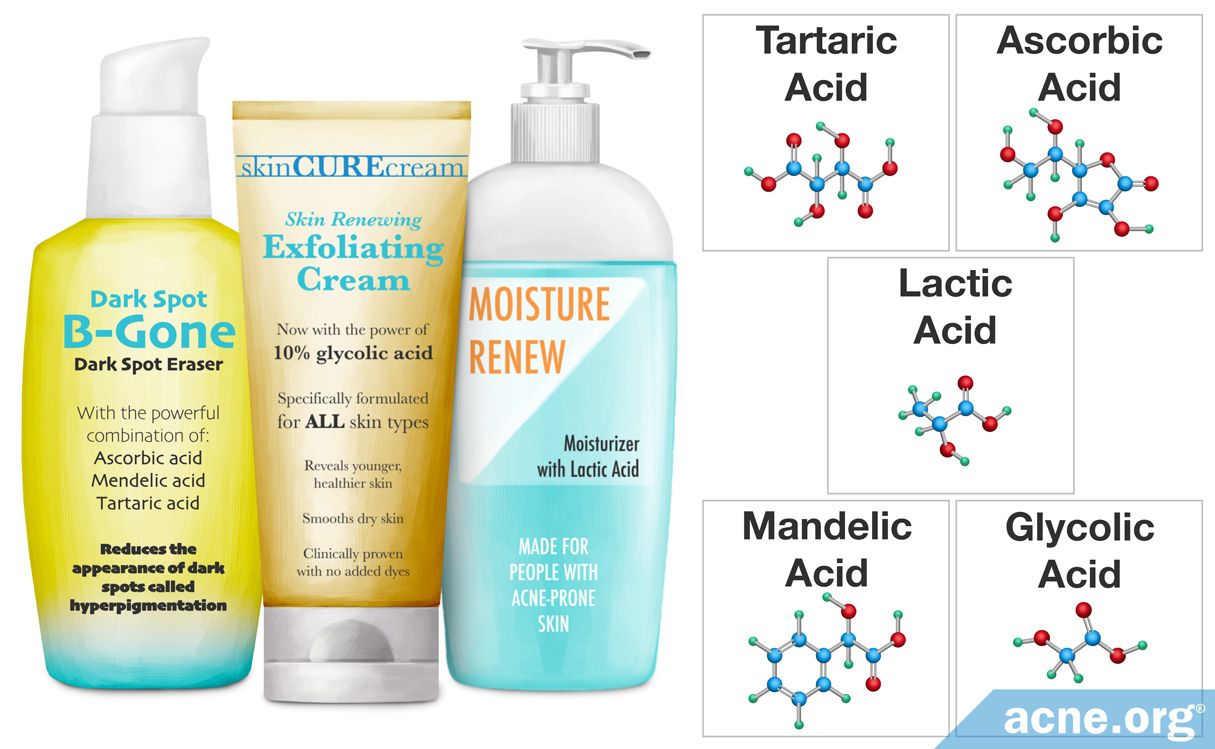
How Alpha Hydroxy Acids (AHAs) Help with Acne
The overview. AHAs exfoliate the skin, decrease sebum, reduce bacteria, decrease hyperpigmentation, and promote penetration of other acne medications.
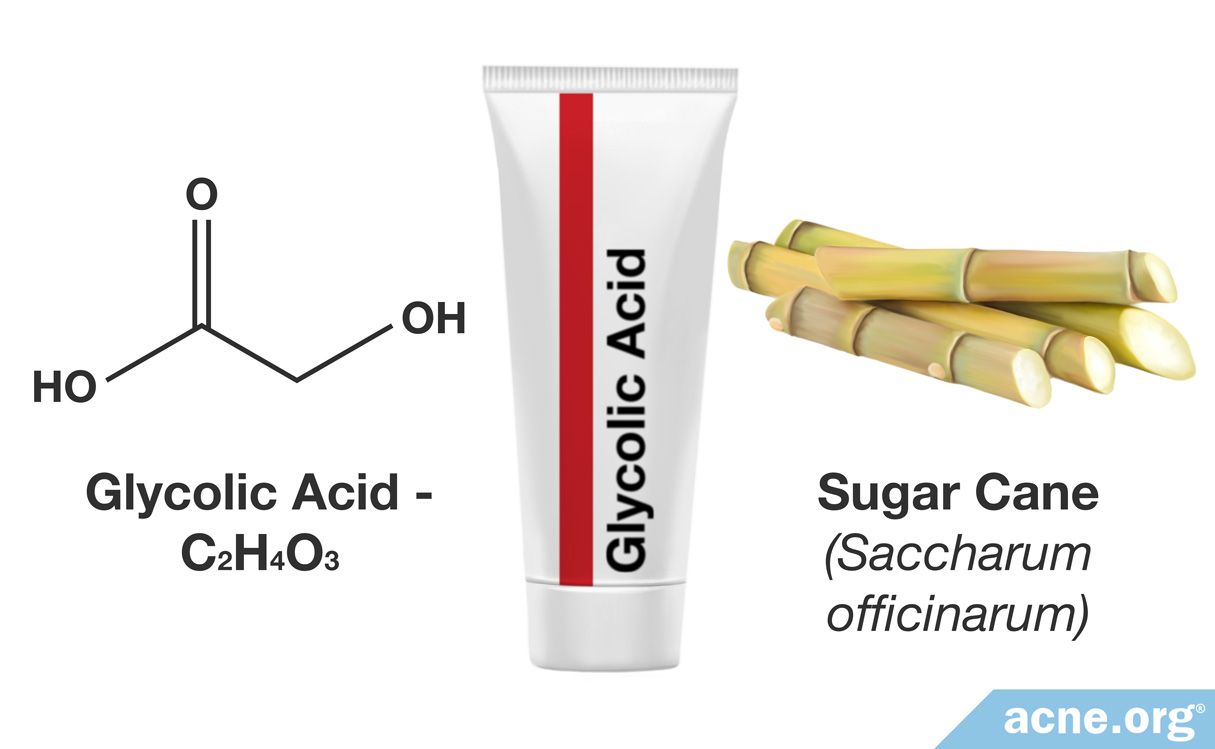
Glycolic Acid (Alpha Hydroxy Acid – AHA)
The most popular AHA. A naturally occurring acid which powerfully exfoliates the skin.
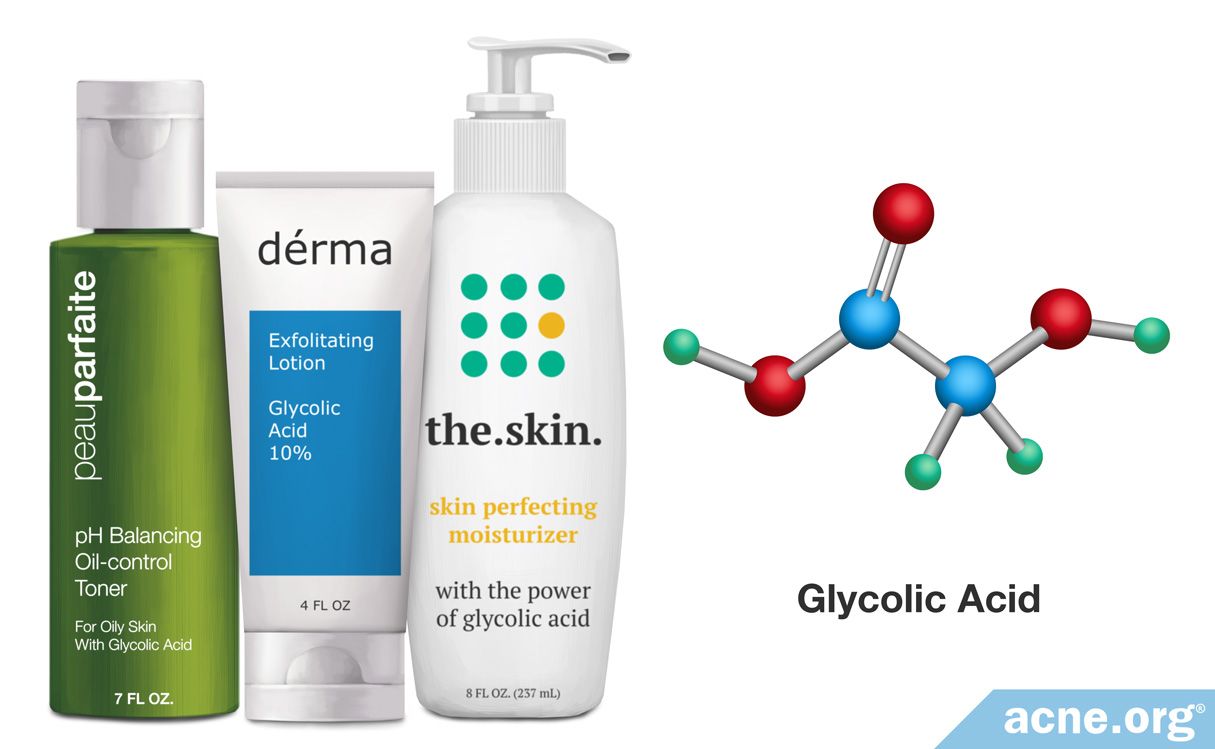
How Glycolic Acid Helps with Acne
Glycolic acid exfoliates the skin, decreases skin oil, reduces bacteria, decreases hyperpigmentation, and promotes penetration of acne medications.
Learn About Glycolic Acid
Advanced instructions. Learn more about using glycolic acid as part of your acne treatment routine.
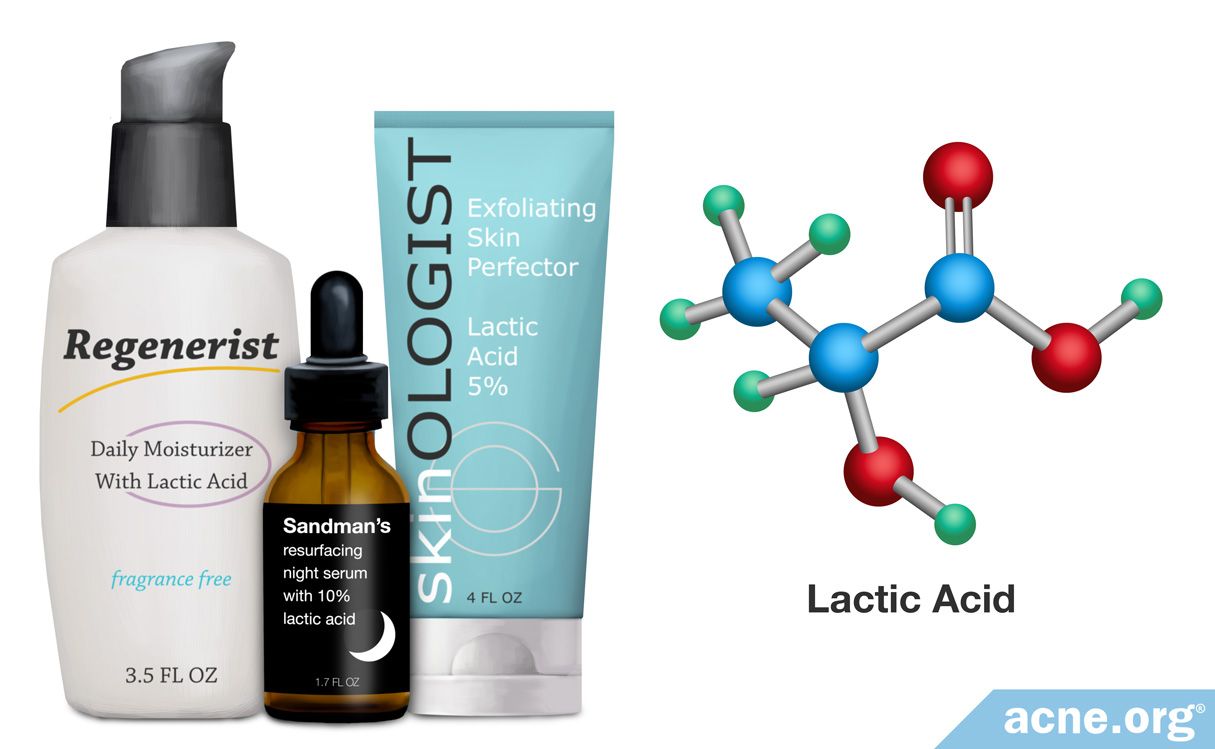
How Lactic Acid Helps with Acne
A gentler AHA. Lactic acid exfoliates the skin, decreases skin oil, reduces bacteria, decreases hyperpigmentation, and promotes penetration of acne medications.
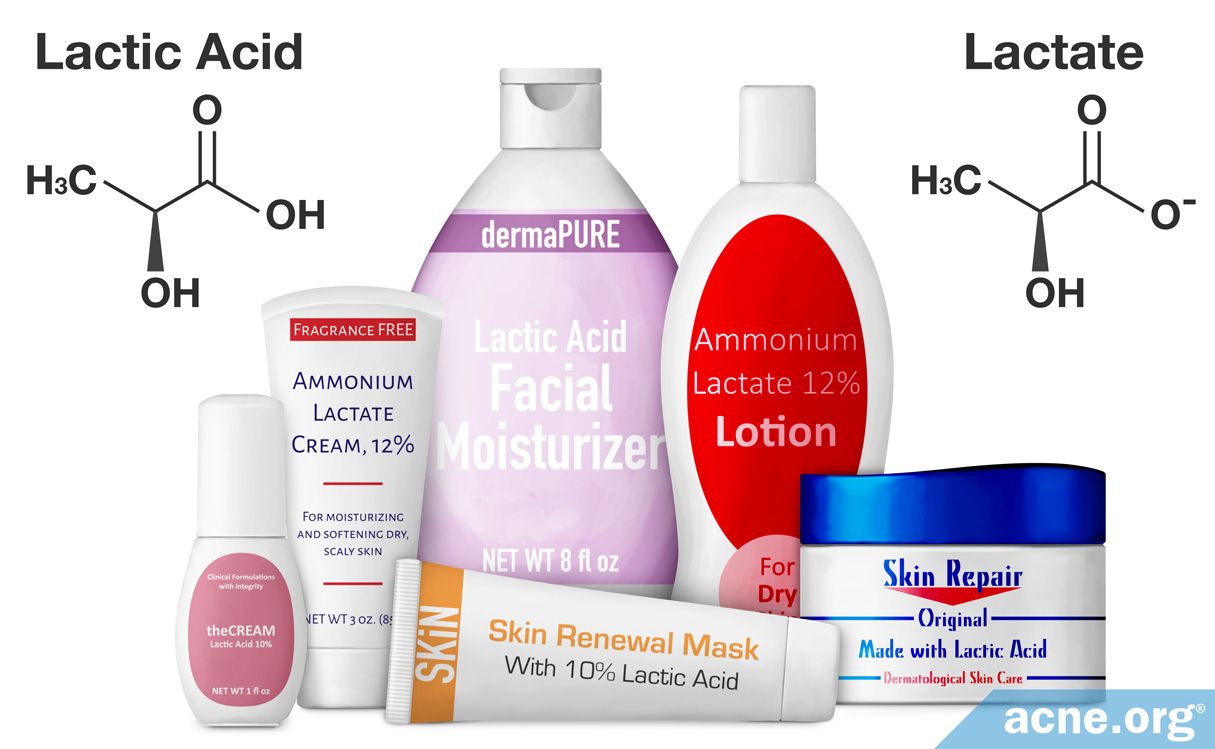
What Is the Chemical Structure of Lactic Acid and Lactate and How Is Lactic Acid Made?
The chemistry. I honestly don’t know why I wrote this article. Just felt nerdy. Lactic acid and lactate are two chemically similar molecules created through various synthesis methods.
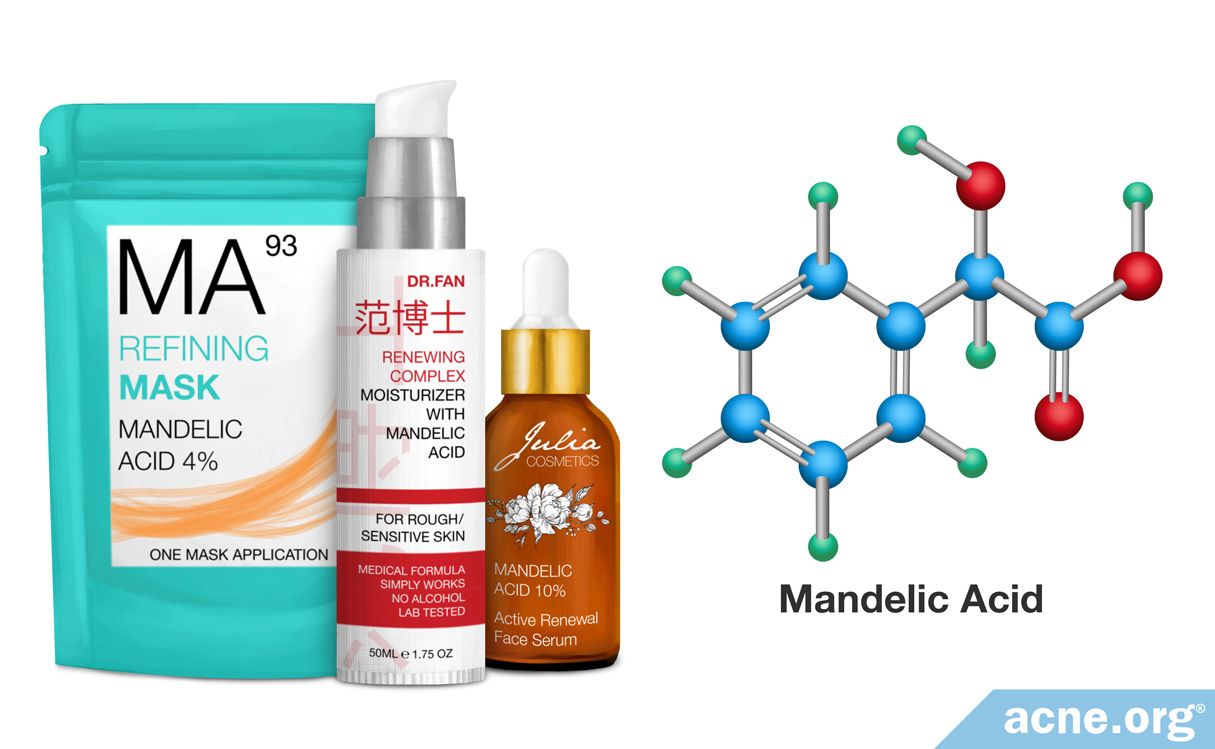
How Mandelic Acid Helps with Acne
Another gentle AHA. Mandelic acid exfoliates the skin, decreases skin oil, reduces bacteria, decreases hyperpigmentation, and promotes penetration of acne medications.
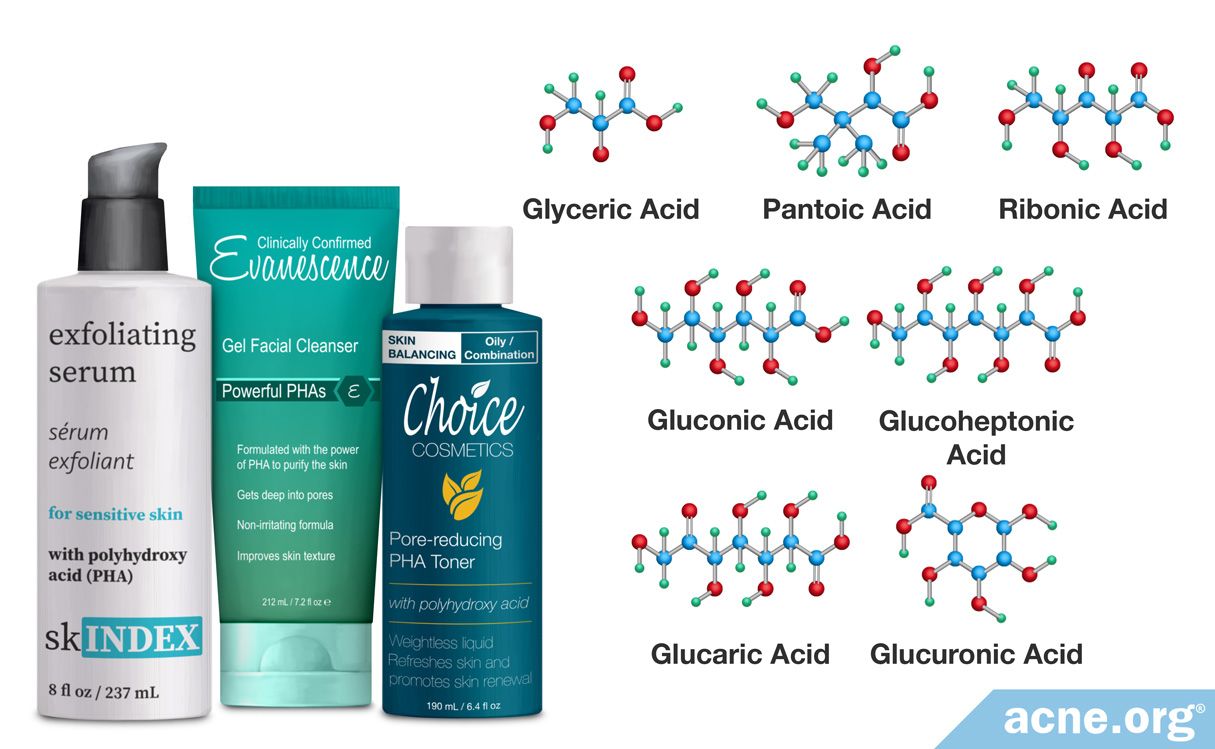
How Polyhydroxy Acids May Help with Acne
The gentlest option. Polyhydroxy acids may help clear acne by exfoliating, increasing antioxidants, increasing moisture, and decreasing hyperpigmentation.
Other OTC Ingredients
Beyond the main categories, there are other over-the-counter ingredients that may help with acne.
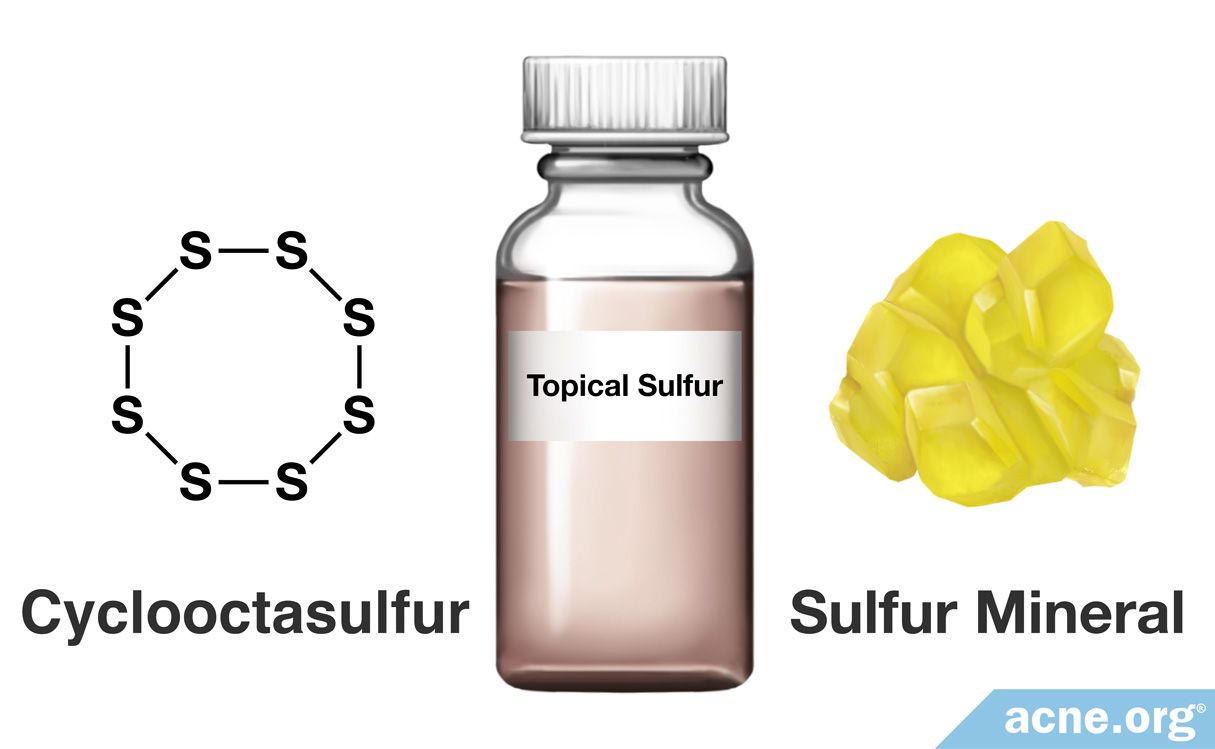
Sulfur for Acne
An old-school treatment. Sulfur smells bad, but is a useful aid in the treatment of acne, especially when combined with other medications.
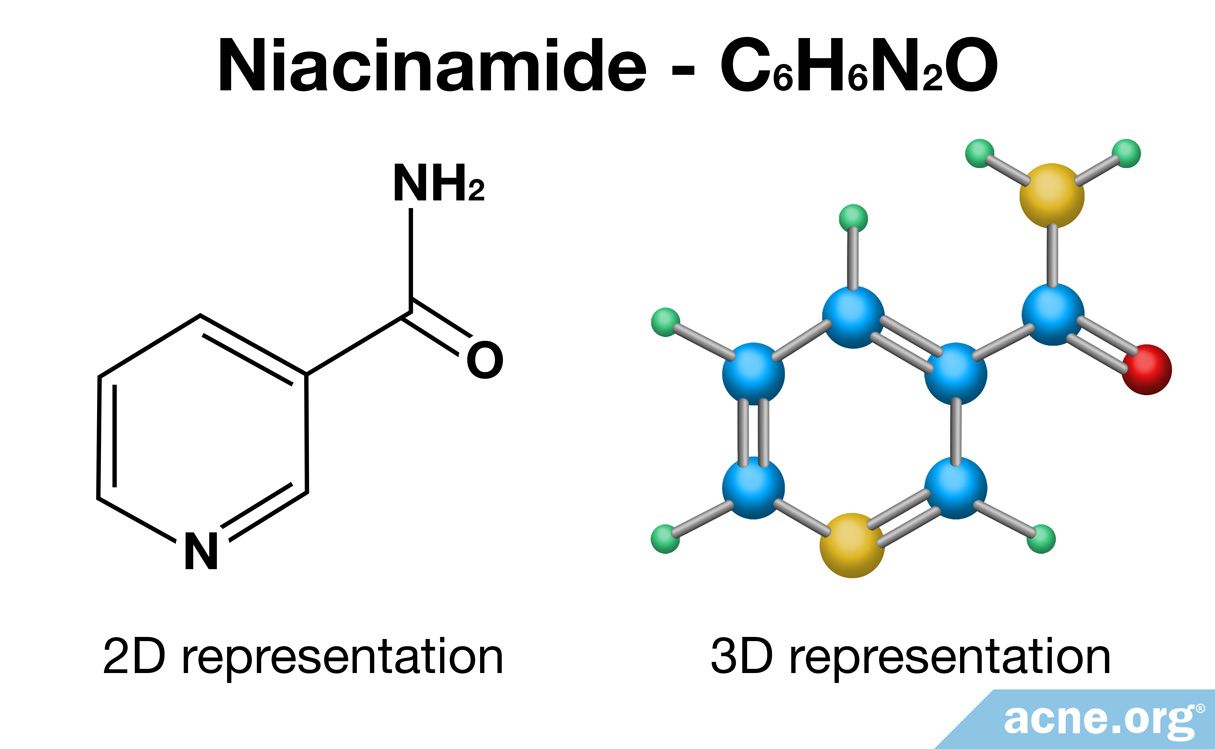
Can Niacinamide Help Treat Acne?
Yes, research shows some effectiveness. Niacinamide (vitamin B3) can help reduce inflammation and improve acne.
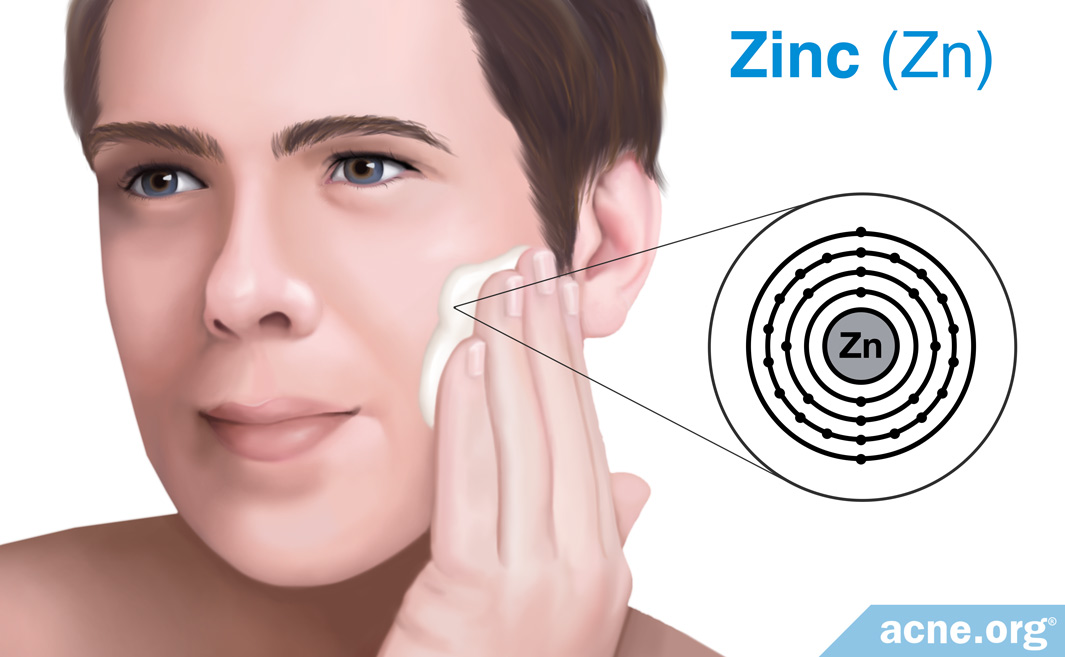
Can Topical Zinc Improve Acne?
Research isn’t promising yet. So far, studies haven’t shown strong results, but scientists are still testing new zinc compounds.
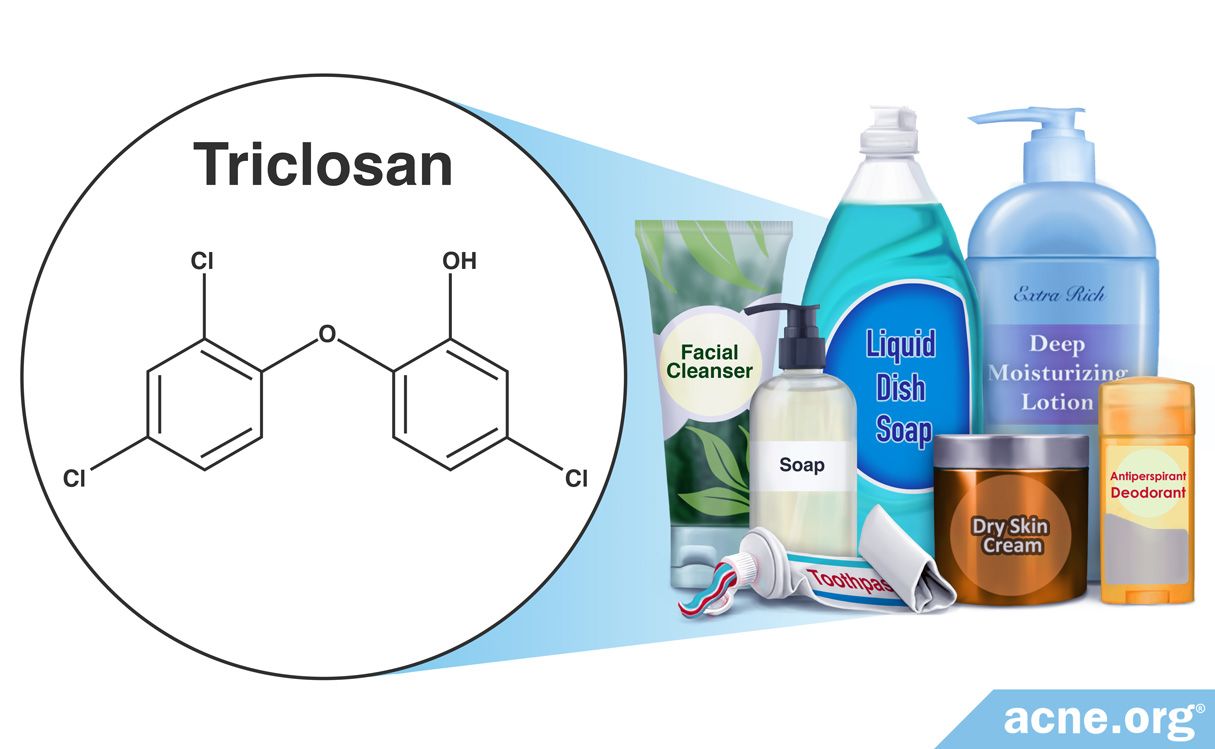
Does Triclosan Help With Acne?
Mixed evidence. Triclosan may be useful in the treatment of acne, but concerns remain about its safety and use.
Spot Treatments and Home Remedies
Quick fixes for individual pimples and simple home remedies that may help.
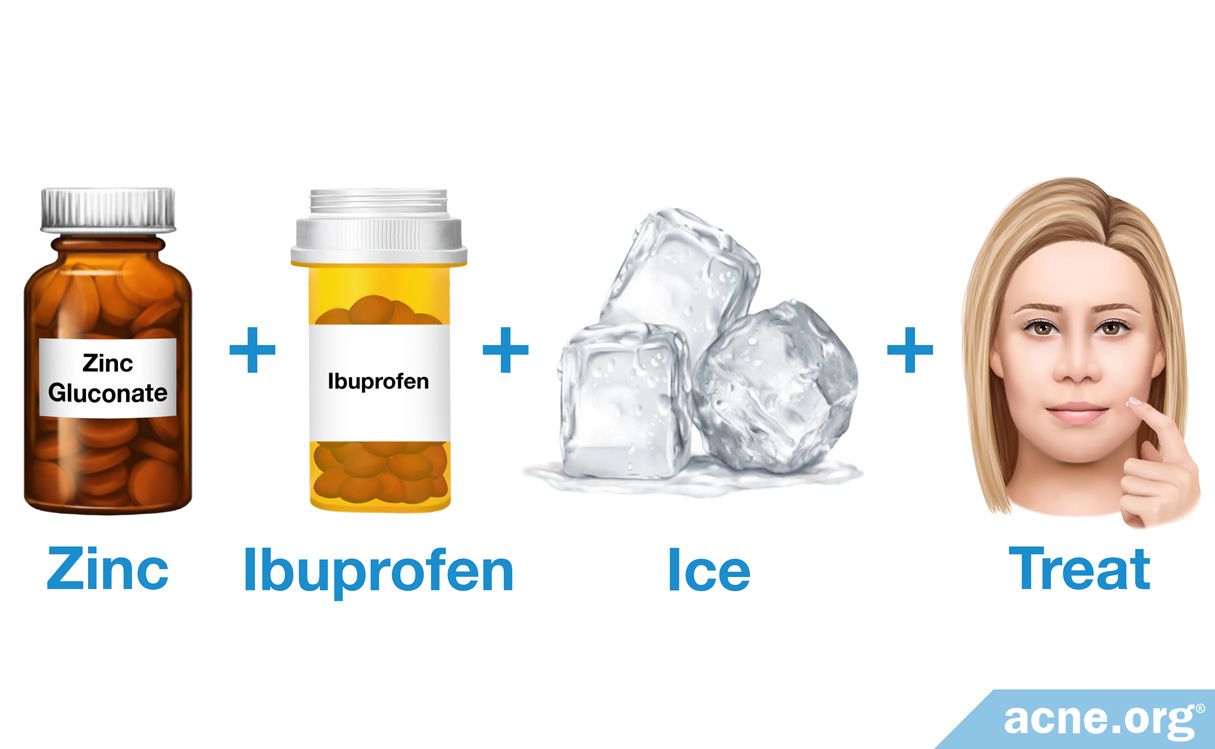
The ZIIT Method (Acne Spot Treatment)
Z (zinc) + I (ibuprofen) + I (ice) + T (treat) for quickly addressing individual pimples.
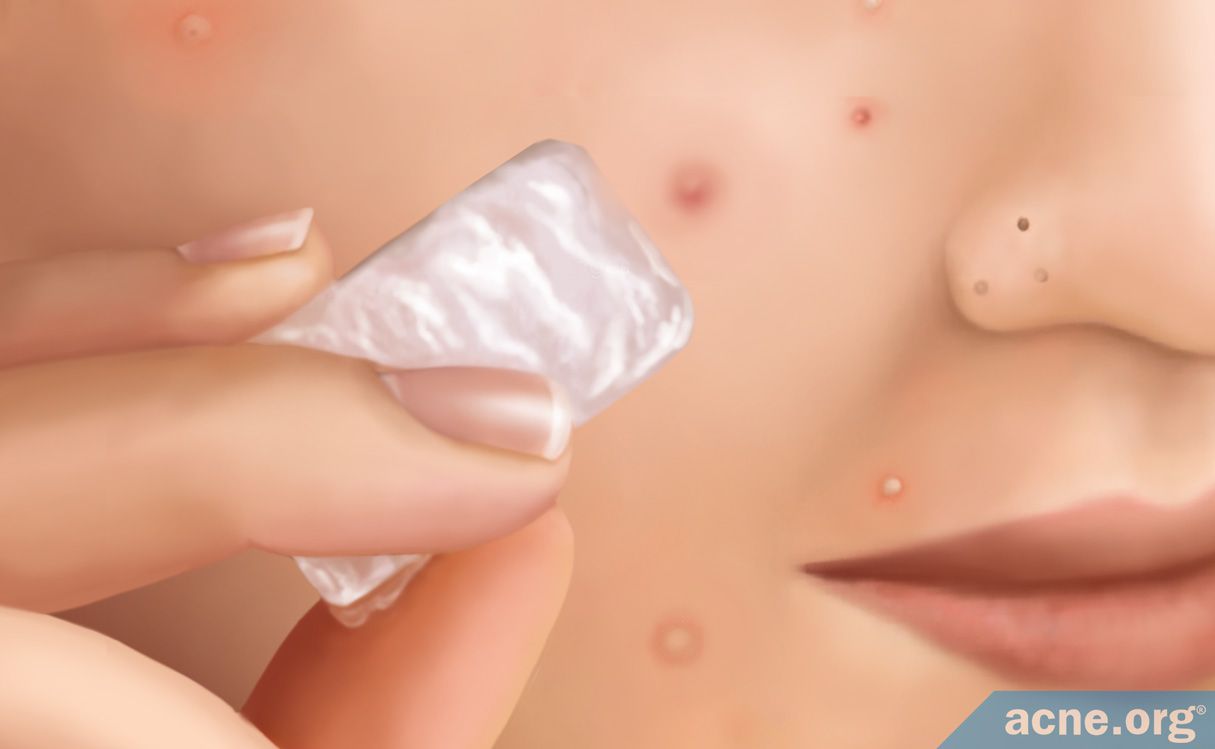
Does Ice Help to Heal Acne?
Yes, it should. Cold is powerfully anti-inflammatory and can help reduce swelling and redness of pimples.
What to Avoid
Not all OTC products and treatments are helpful—some can actually make acne worse.
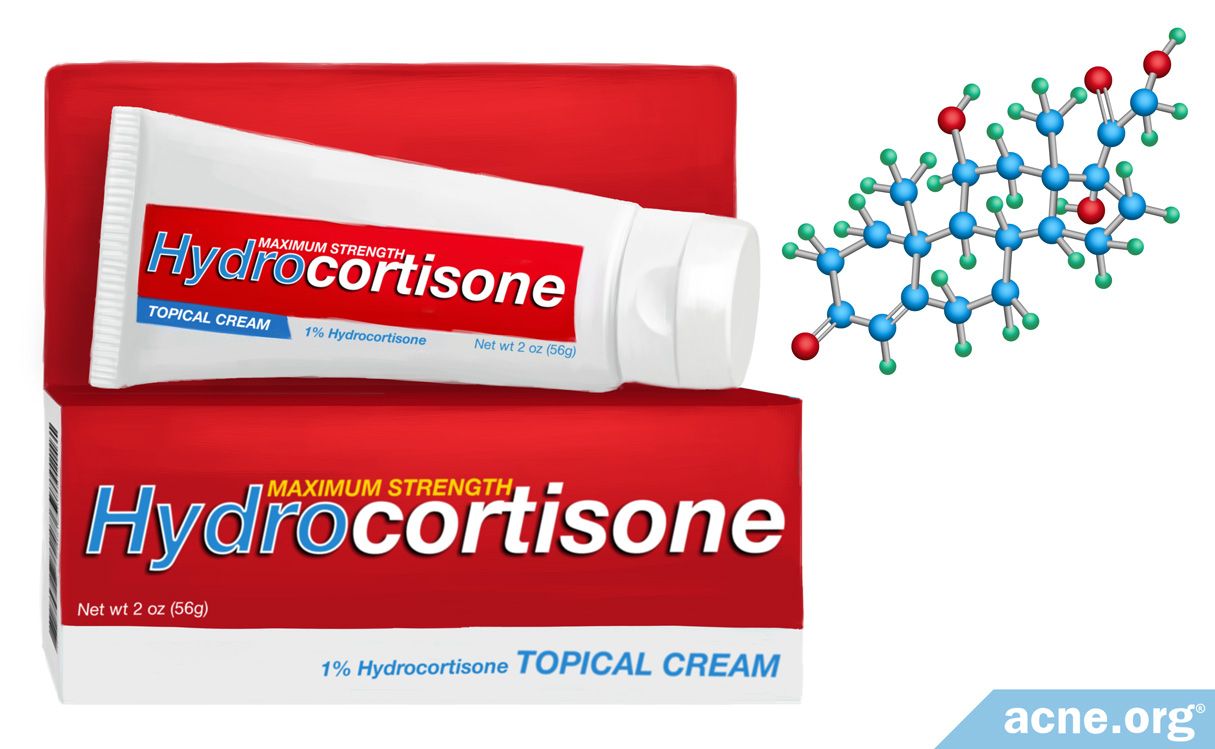
Can Topical Hydrocortisone Help with Acne?
No, and it may make things worse. Applying hydrocortisone to the skin is more likely to trigger or worsen acne than to reduce it.
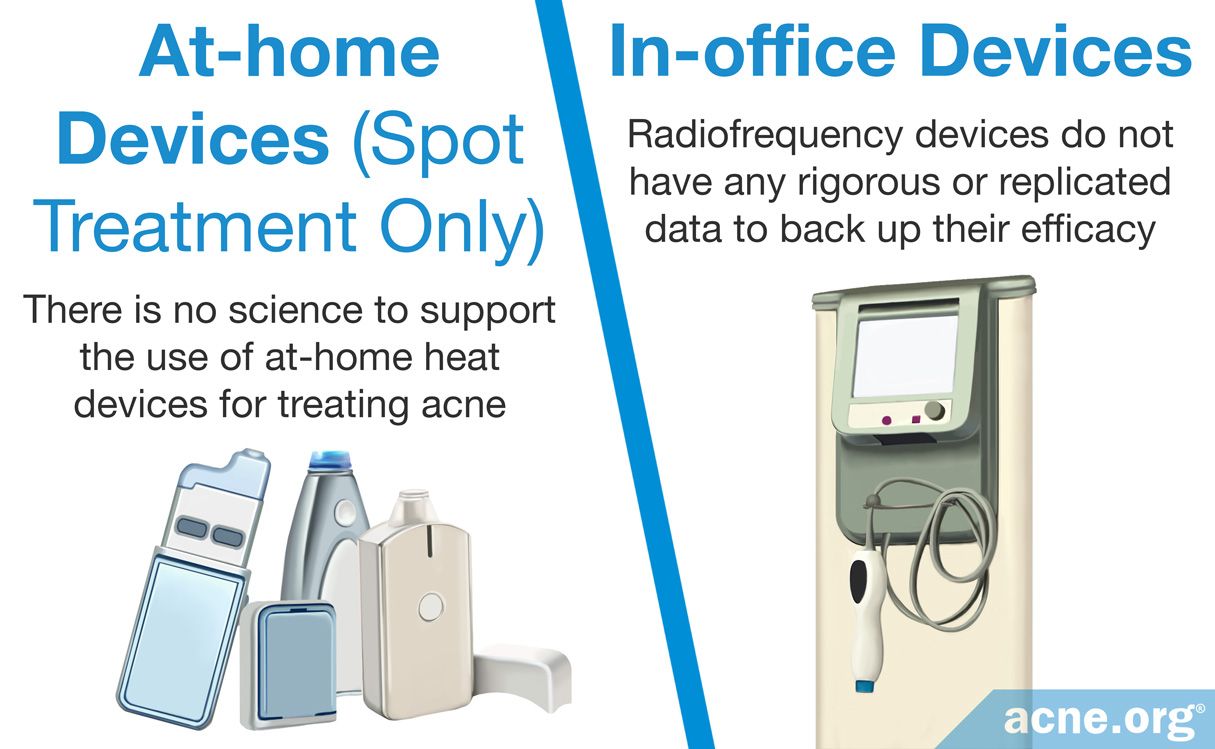
Heat Therapy for Acne
There is no evidence that these devices fulfill their promises.
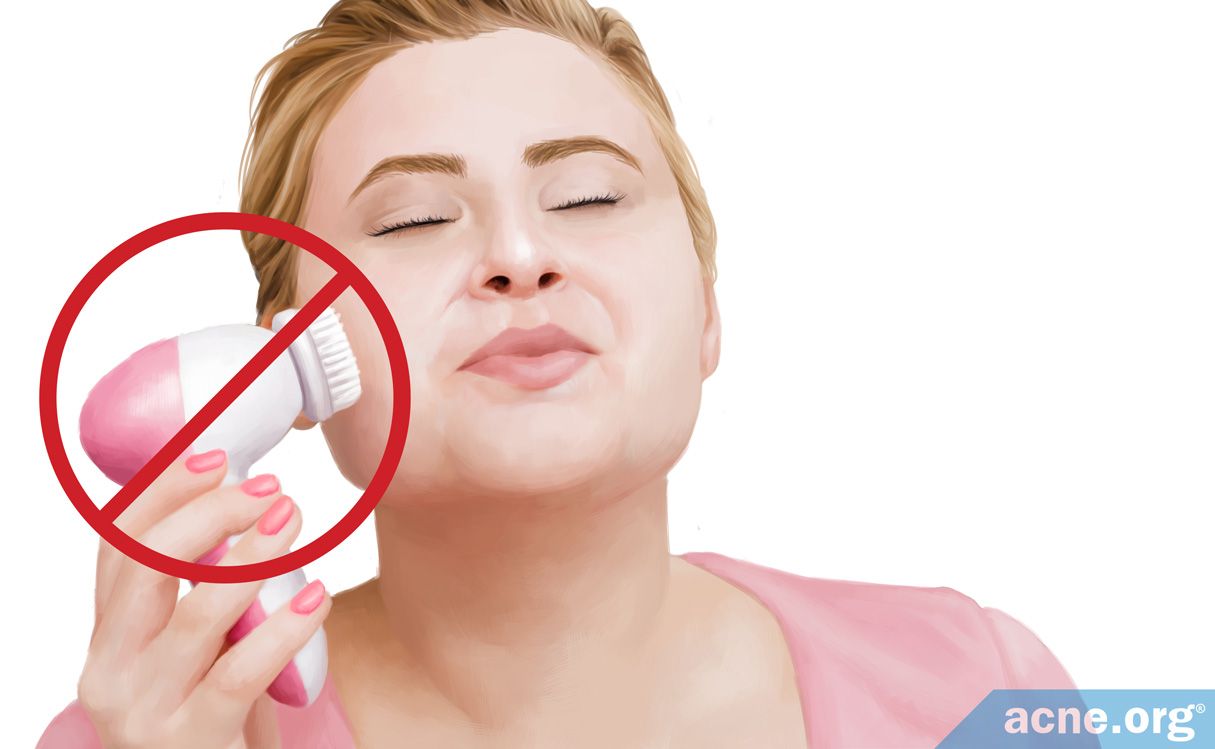
Why Spinning Face Brushes Are Not a Good Idea for Acne-Prone Skin
Skip the gadgets. Spinning brushes irritate the skin and can make acne worse.
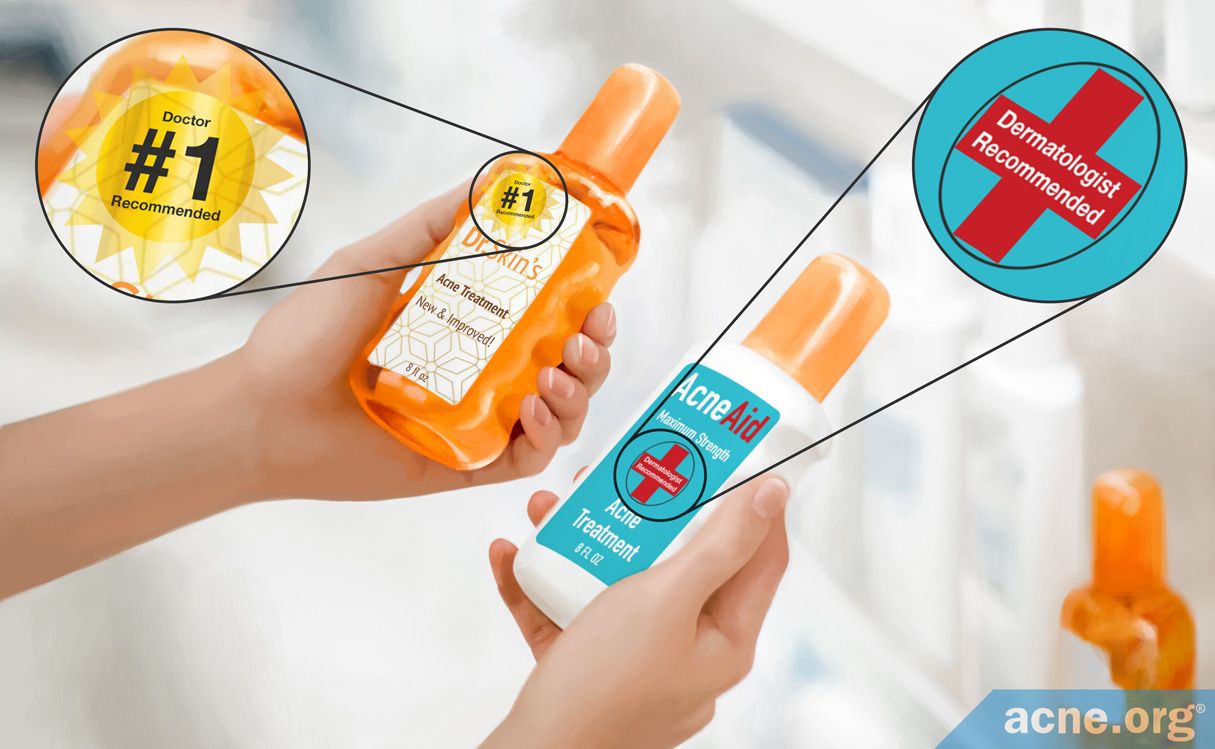
What Do Things Like "#1 Doctor Recommended" or "Dermatologist Recommended" Actually Mean?
Not much. Read up on products before buying and use your own judgement.