Acne.org Editorial Guidelines

Finding health and wellness information is easy. It's everywhere. But finding trustworthy, relevant, usable information can be hard and even overwhelming. Acne.org is changing all that. We're making health information understandable and accessible so you can make the best decisions for yourself and the people you love.

Read more about our process

Articles by Dan Kern

What Is Sebaceous Hyperplasia, and Is It the Same as Acne?

Sebaceous Hyperplasia Is a Harmless Skin Condition That Looks like Raised Bumps on the Face with Dimples in the Middle and Mainly Affects Older Adults. It Has No Connection to Acne. The Essential Info Sebaceous hyperplasia is a minor skin condition that occurs mostly in people over 40 when the glands that produce skin oil …
Do Anabolic Steroids Cause Acne?

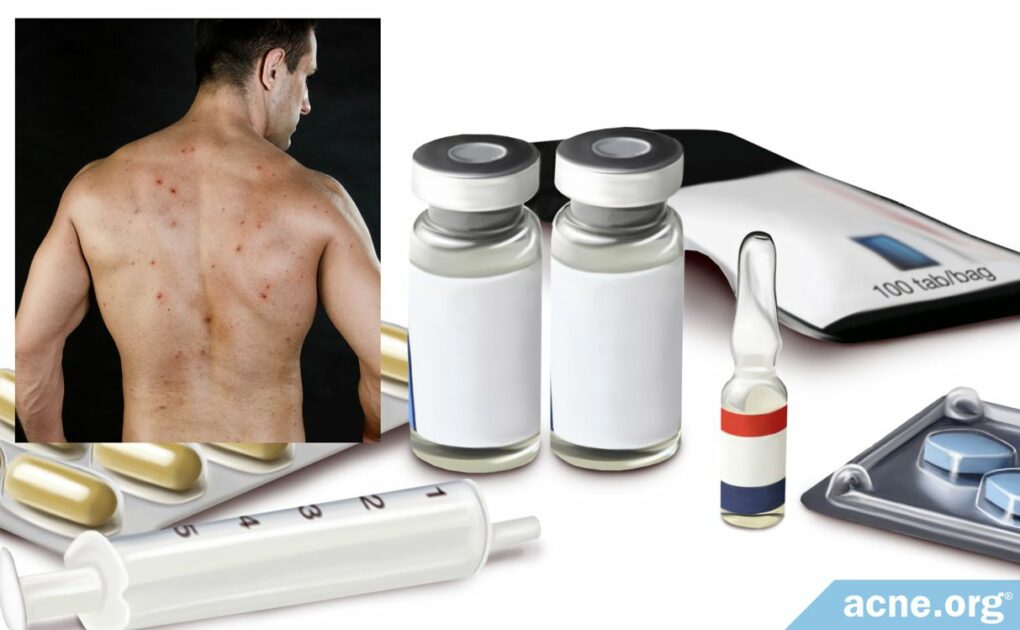
Yes. Using Anabolic Steroids Dramatically Increases the Risk of Developing Acne, Including Severe Acne. The Essential Info Using anabolic steroids, especially testosterone, is highly correlated with acne development. In other words, if you take anabolic steroids, your chances of developing acne on the face and the body, including severe and scarring acne, increase dramatically. Why is …

Do Aspirin Masks or Other Forms of Topical Aspirin Work to Clear Acne?

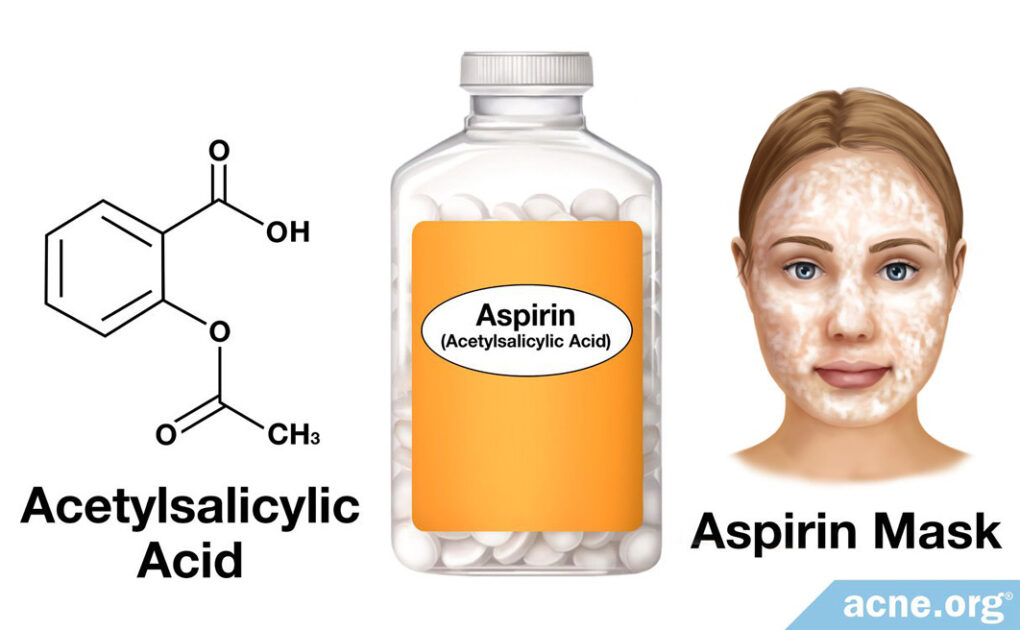
It Can Hypothetically Help A Bit, but Is Dangerous. Buy Over-the-counter Salicylic Acid Products Instead. The Essential Info When dissolved in water, aspirin breaks down into salicylic acid, which you may have seen listed as an active ingredient on over-the-counter acne products before. Salicylic acid has skin-shedding and anti-inflammatory properties, and can help reduce acne symptoms. In …

What Causes a Pimple to Scar?

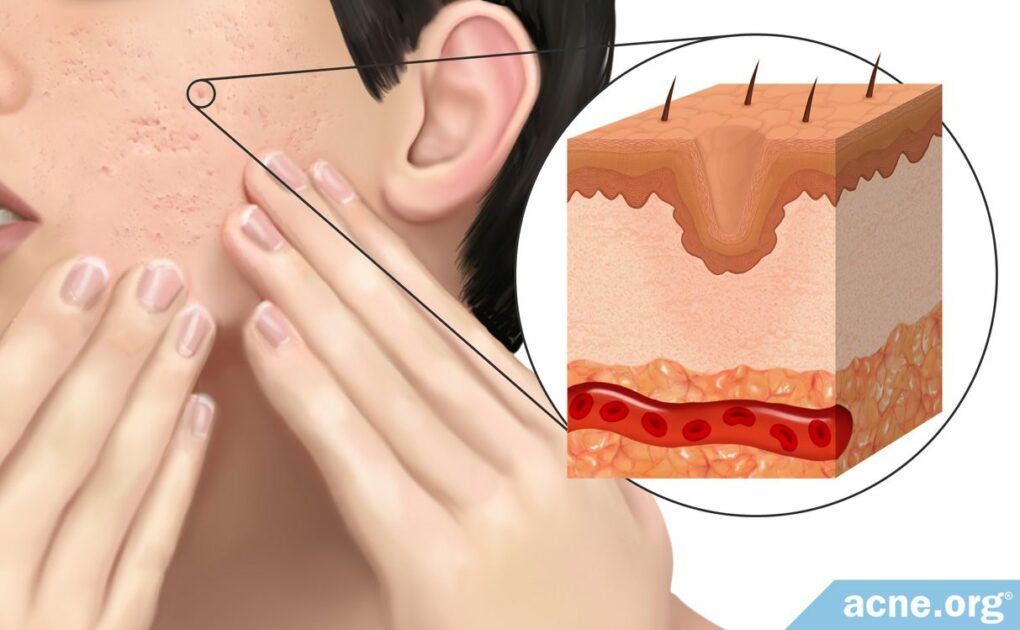
It’s the Result of Genetics and Inflammation The Essential Info When an acne lesion is healing, the body must replace damaged tissue to heal the skin. Replacing this tissue is a highly intricate process that involves balancing collagen production. If the body produces too little collagen, an indented scar results. And if the body produces …

What Is Sebum and What Is Its Purpose?

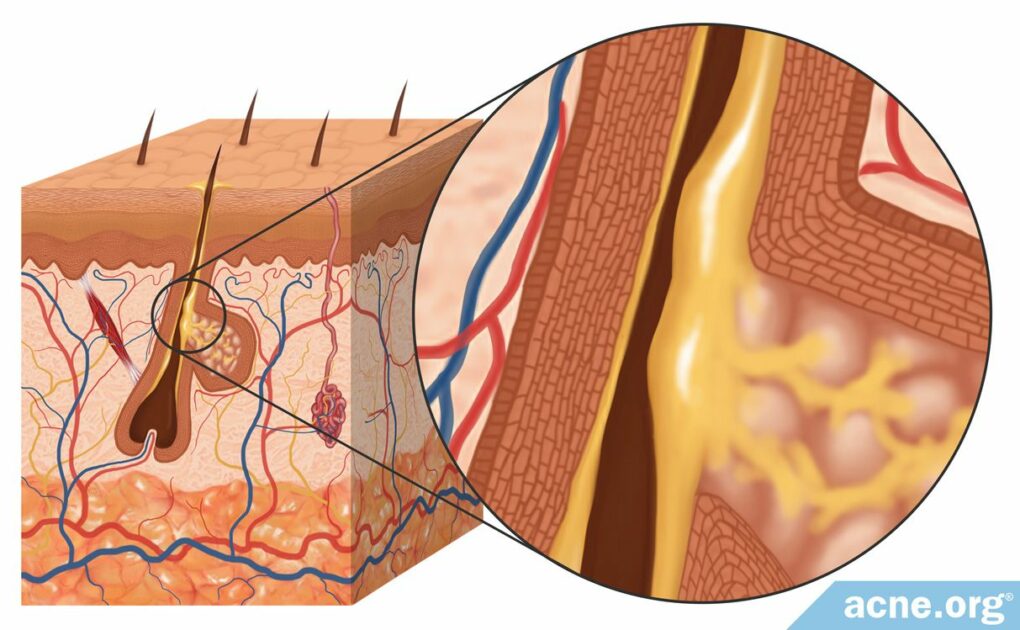
Sebum Is the Medical Name for Skin Oil. It Contributes to Acne, but Also Maintains the Integrity and Function of the Skin. The Essential Info Sebum (skin oil) is essential to maintaining the integrity and function of the skin and hair in mammals, including humans. Its purposes include: Preventing dryness Lubricating the skin and preventing …

Vitamin B5 (Pantothenic Acid)

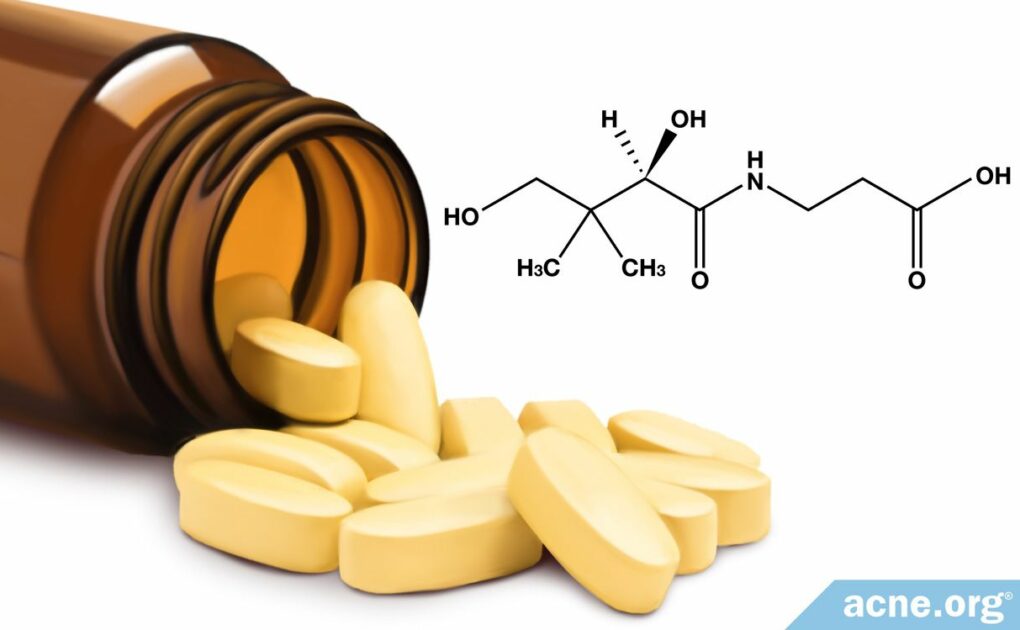
What is vitamin B5 and does it help acne? The Essential Info We have only one study so far that shows that megadosing on vitamin B5 orally may help reduce acne, but the study was small, and was sponsored by a marketing company, so we will need to see it replicated before we make any …

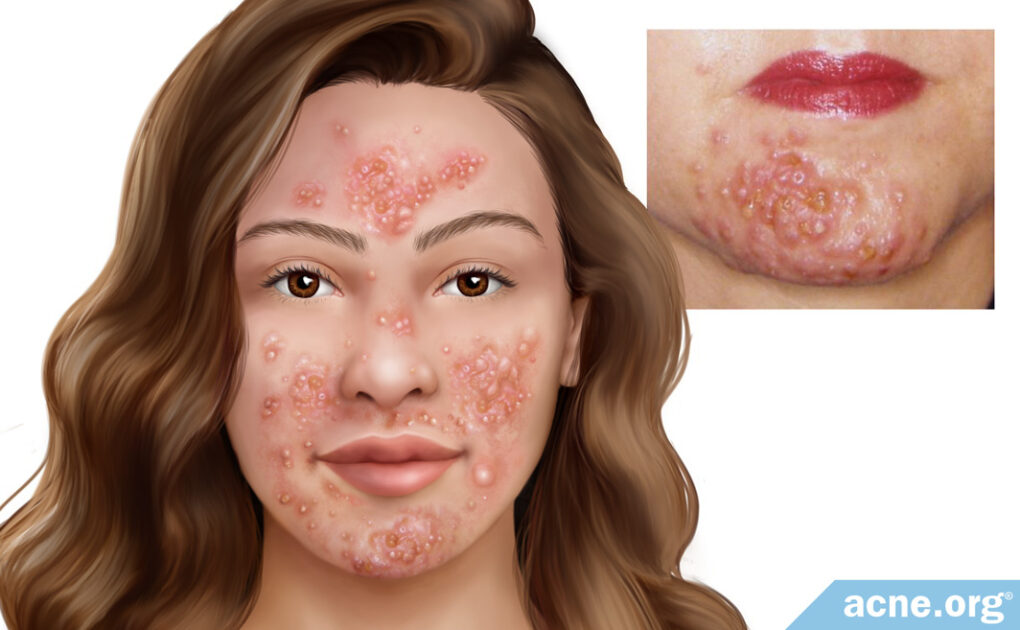
What Is Pyoderma Faciale?

Pyoderma Faciale Is a Rare and Severe Form of Acne in Females The Essential Info Pyoderma faciale, also known as rosacea fulminans, is a rare, severe form of acne that occurs exclusively in females. Symptoms are always limited to the face and include intense redness of the skin and a mixture of nodules, cysts, papules, …

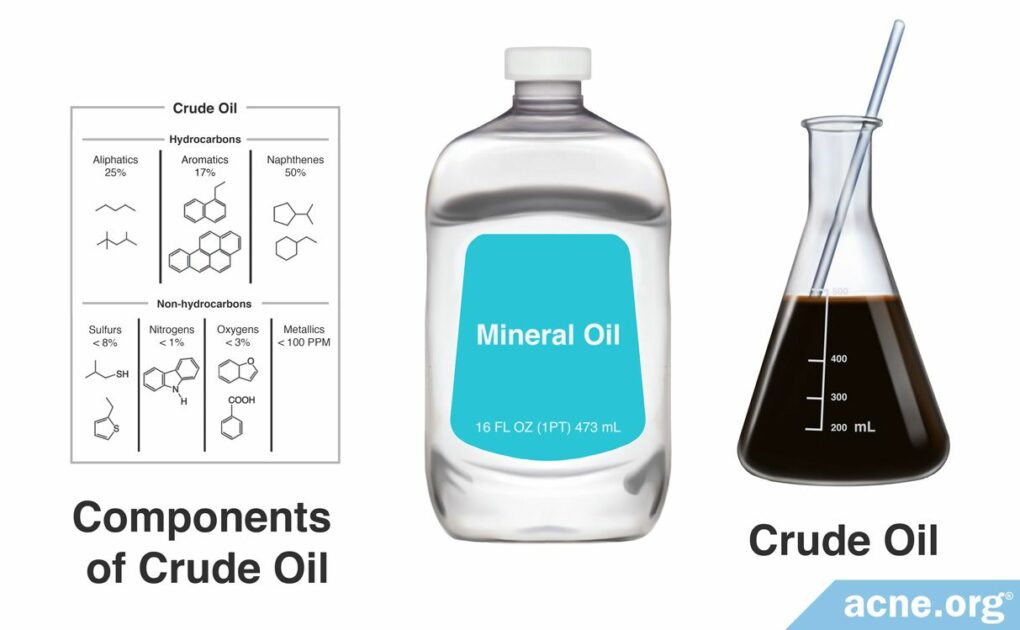
What Is Mineral Oil, and Is It Safe to Use on Acne-prone Skin?

Mineral Oil Is Safe to Use, but It Is Not Likely to Help Acne The Essential Info Mineral oil, also known as “baby oil” at drugstores, is a highly refined and purified oil that is created as a byproduct of refining petroleum. When applied to the skin, it creates an artificial barrier, reducing water loss from …

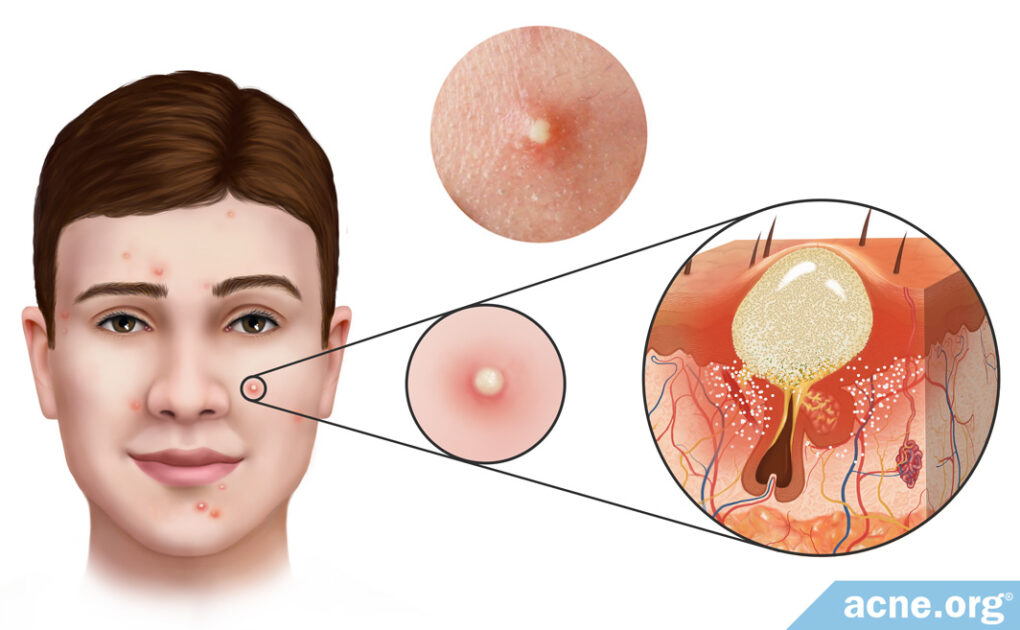
What Is an Acne Pustule?

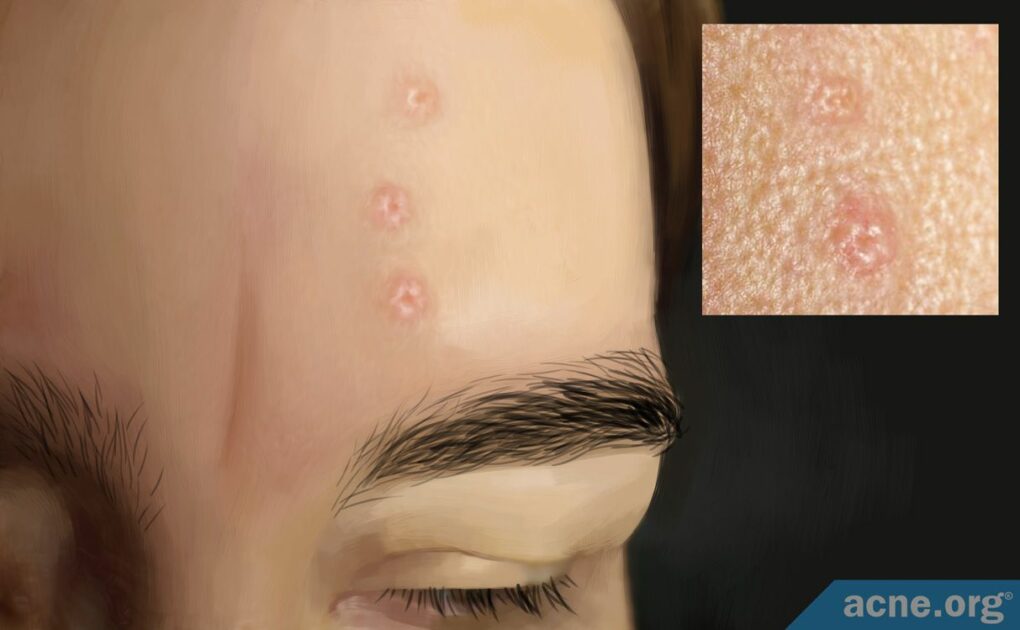
Pustules Are Slightly Elevated, Red Acne Lesions with a White/Yellow Center and Contain Pus The Essential Info Pustules are what people normally refer to as “zits.” They are relatively small (less than 5 mm across), inflamed (red), elevated acne lesions with a white or yellow center that are located mainly on the face, neck, back, …

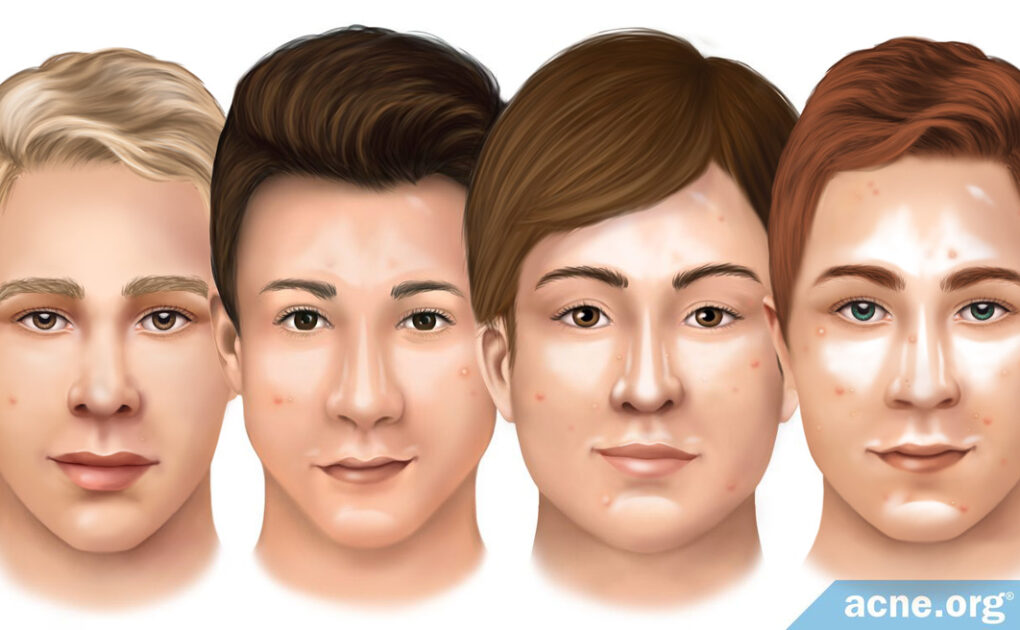
Is Oilier Skin More Prone to Acne?

Yes. People with Acne Usually Have Oilier Skin than People Without Acne. The Essential Info Skin oil is required for acne to form in the first place, and several studies have shown that patients with acne consistently produce a greater amount of skin oil than patients without acne. So the answer is yes, oilier skin …