Finding a Doctor
Only a select few plastic surgeons specialize in acne scar revision surgery. Be certain to find a provider who specializes in acne scar repair and who is passionate and experienced in this area.
Be sure to:
- Look at before and after photos, the more the better, especially patients with similar scarring to your own.
- Be realistic about results. Look for improvement, not a cure.
Questions to ask a potential scar revision specialist:
- Are you board certified? Be certain that they are board certified.
- How long have you been performing these procedures? Normally, the more experience the better, however, some younger surgeons may be more on top of the latest procedures.
- Can I speak to some of your other patients? Ask for references for several patients who had similar scarring and speak to them about the process and their satisfaction with results.
Red flags:
- Their story changes: As you discuss different treatment options, if they tend to change their mind easily, or agree with whatever you say, consider this a red flag. A confident, experienced surgeon will possess strong, unwavering opinions.
- Your gut tells you "no": Trust your gut. If you just don't feel that the doctor is the right fit, trust that and move on. On the other hand, if you feel they are the perfect specialist for you, trust that feeling.
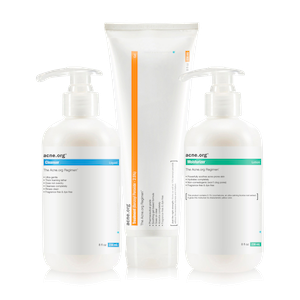 Acne.org Products

Pros:
Basically, you cannot reduce scaring without going deep.
I had PSR3 done with a double pass at the highest energy setting 4 Joules.
My face peeled at day 4. Positive Burning sensations lasted 12 hours.
It works on only small scars (