 Acne.org Products
Raised Acne Scars: The Complete Knowledge Hub (0% AI – 100% human research and writing)
Raised acne scars—including hypertrophic scars and keloids—form when the body produces too much collagen during the healing process. Unlike indented scars, these scars rise above the skin’s surface and can be particularly challenging to treat.
This hub covers what you need to know about raised acne scars, including who’s at higher risk and factors that may contribute to their development.
The information is as science-based and thorough as possible. If you find anything inaccurate or that needs updating, please don’t hesitate to reach out.
Who Gets Raised Scars?
Some people are more prone to developing raised scars than others. Understanding risk factors can help you take preventive measures.
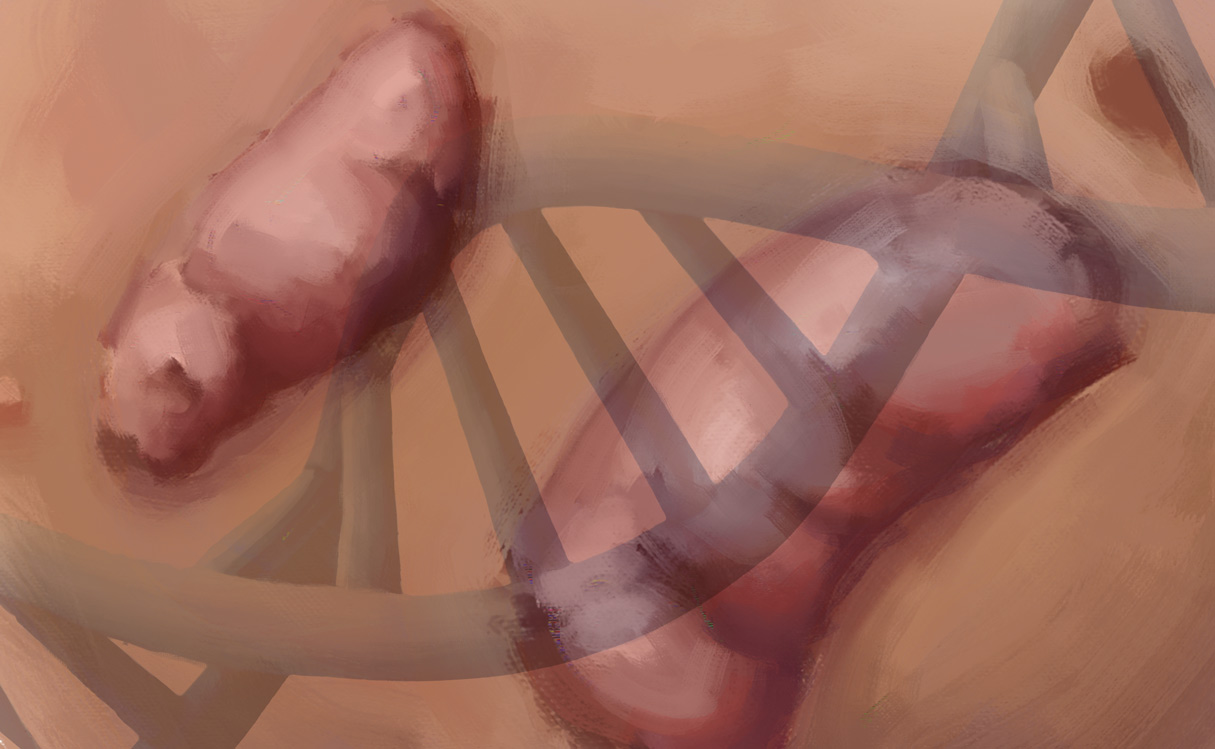
Why Do Raised Scars Affect Darker-skinned People More than Lighter-skinned People?
It’s about ethnicity, not just skin color. Non-Caucasians tend to develop raised scars more often than Caucasians, likely for genetic reasons.
Medications and Raised Scars
Can certain acne medications affect your risk of developing raised scars? Here’s what the research shows.
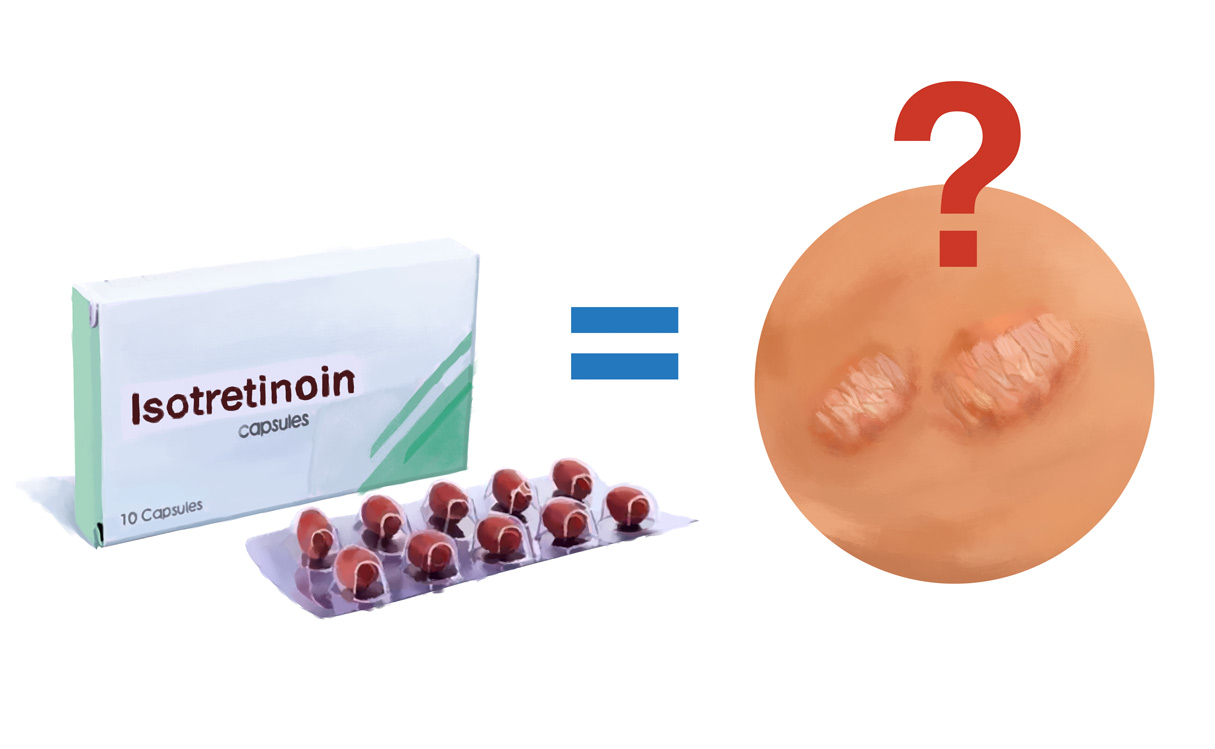
Does Isotretinoin (Accutane®) Cause Raised Scars?
Probably not, but be cautious. To be on the safe side, consider avoiding invasive procedures like ablative laser treatment and dermabrasion until you’ve been off isotretinoin for 6-12 months.