 Acne.org Products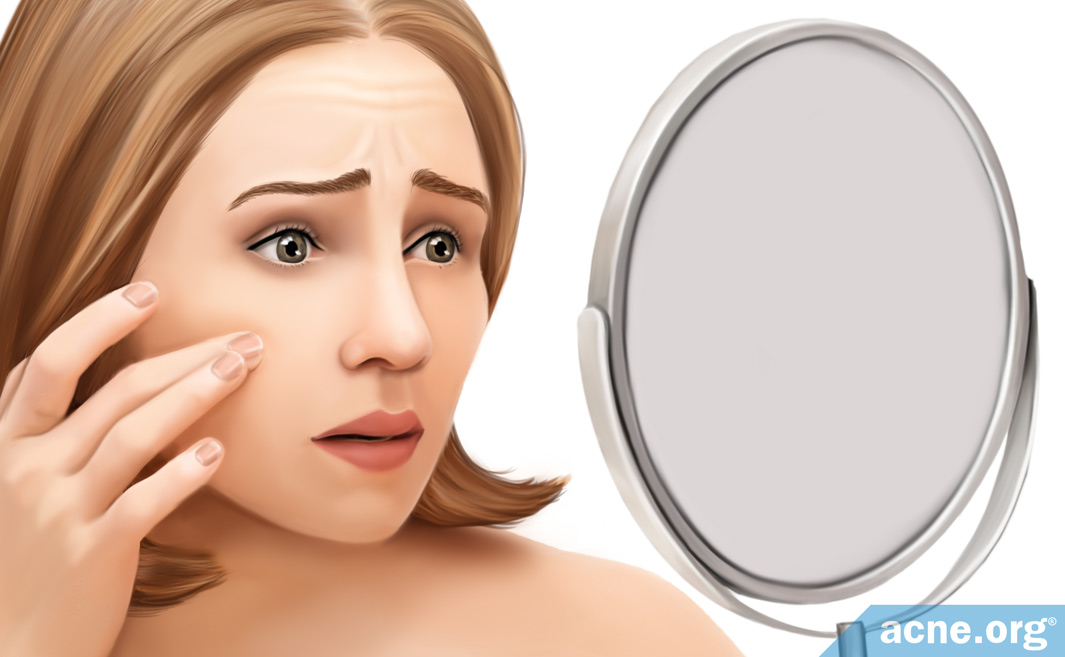
A Rare and Debilitating Mental Illness, Similar to Anorexia Nervosa

The Essential Info
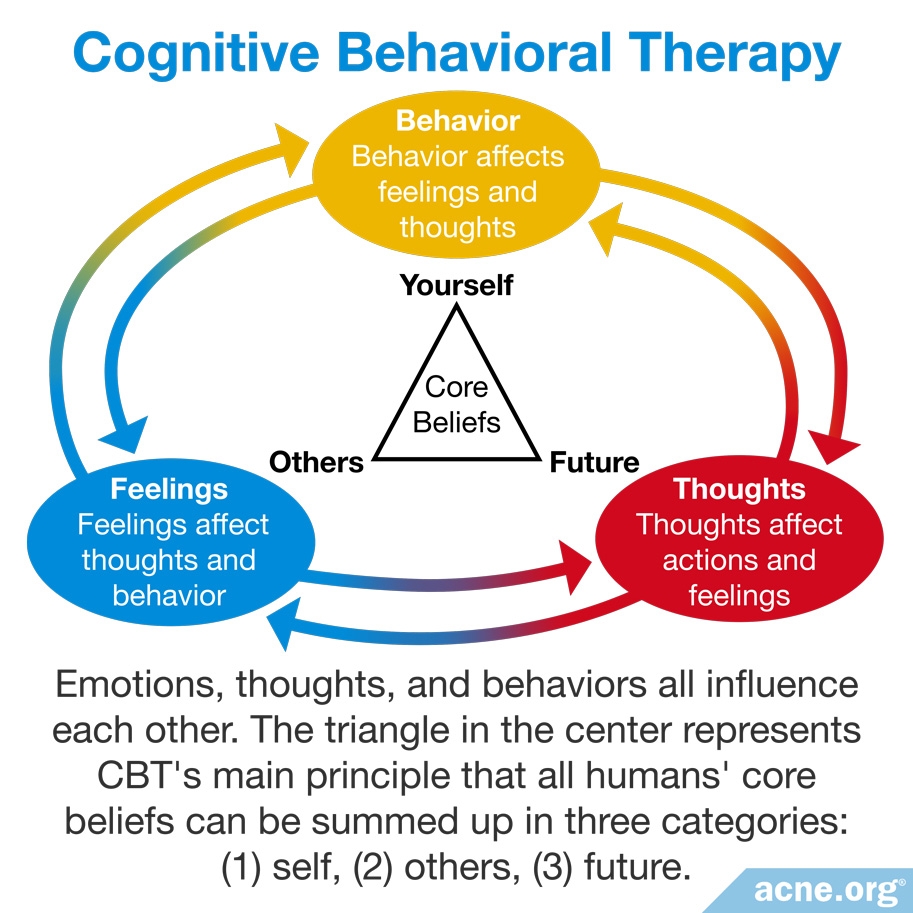
Acne can be tough to live with for just about anyone. But some people take it much harder than others. If you are spending hours in front of a mirror obsessing over imperfections, and especially if you end up picking at yourself uncontrollably, it’s okay to seek out the help of a professional. Cognitive behavioral therapy is a proven, drug-free initial option that can help.

The Science
Obsessive Behavior
Acne dysmorphia, put simply, is the obsessive thought that the skin is irregular or disgusting. In most cases the person suffering with acne dysmorphia does have acne, but even when the acne is very mild or even non-apparent, the person will believe that they have “horrible skin” or “terrible acne.” A sufferer is usually not far from a mirror, and may obsessively and relentlessly check for imperfections.1-2
Instead of seeking psychiatric help, people often look to other avenues of recourse, sometimes self-inflicted and harmful. For instance, a person might pick at their imperfections until they tear away the skin and bleed. The extent of this disorder should not be underestimated. It can take over a person’s life and ruin his or her chances for normal social interaction. Understandably, patients are often shy in telling their physician about their obsessive thoughts and behaviors. It is therefore important that the physician ask questions if acne dysmorphia is suspected.
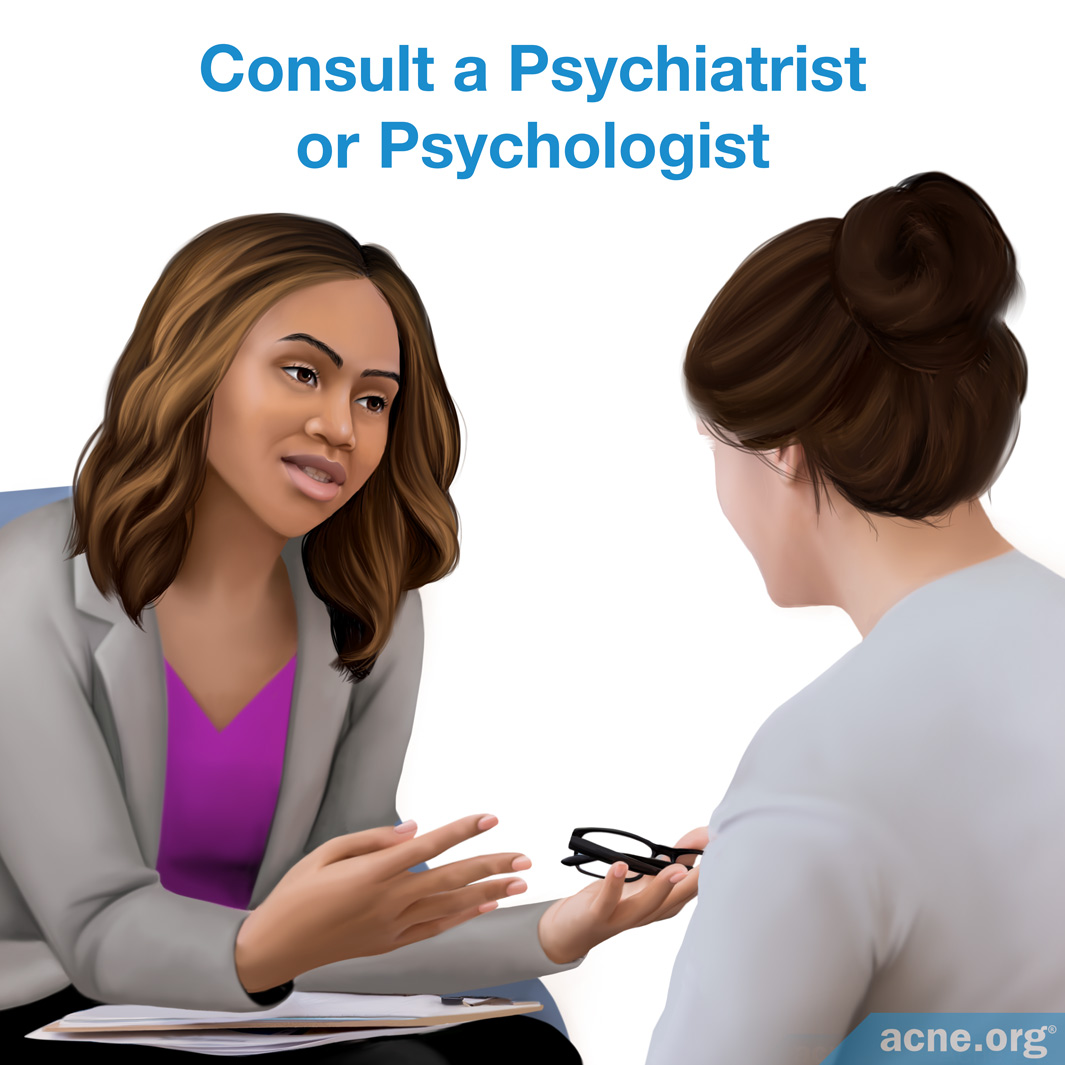
Not surprisingly, people with acne dysmorphia can be depressed. It may be helpful to consult a psychiatrist or psychologist for possible treatment options. Cognitive-behavioral therapy is often helpful as well.1